

 プレビュー
プレビュー
 プリントを購入
 シェアする
シェアする シェアする
シェアする
 詳細を見る
詳細を見る

 ダウンロード
 似ている作品
 X線調査
X線調査 スライドショー
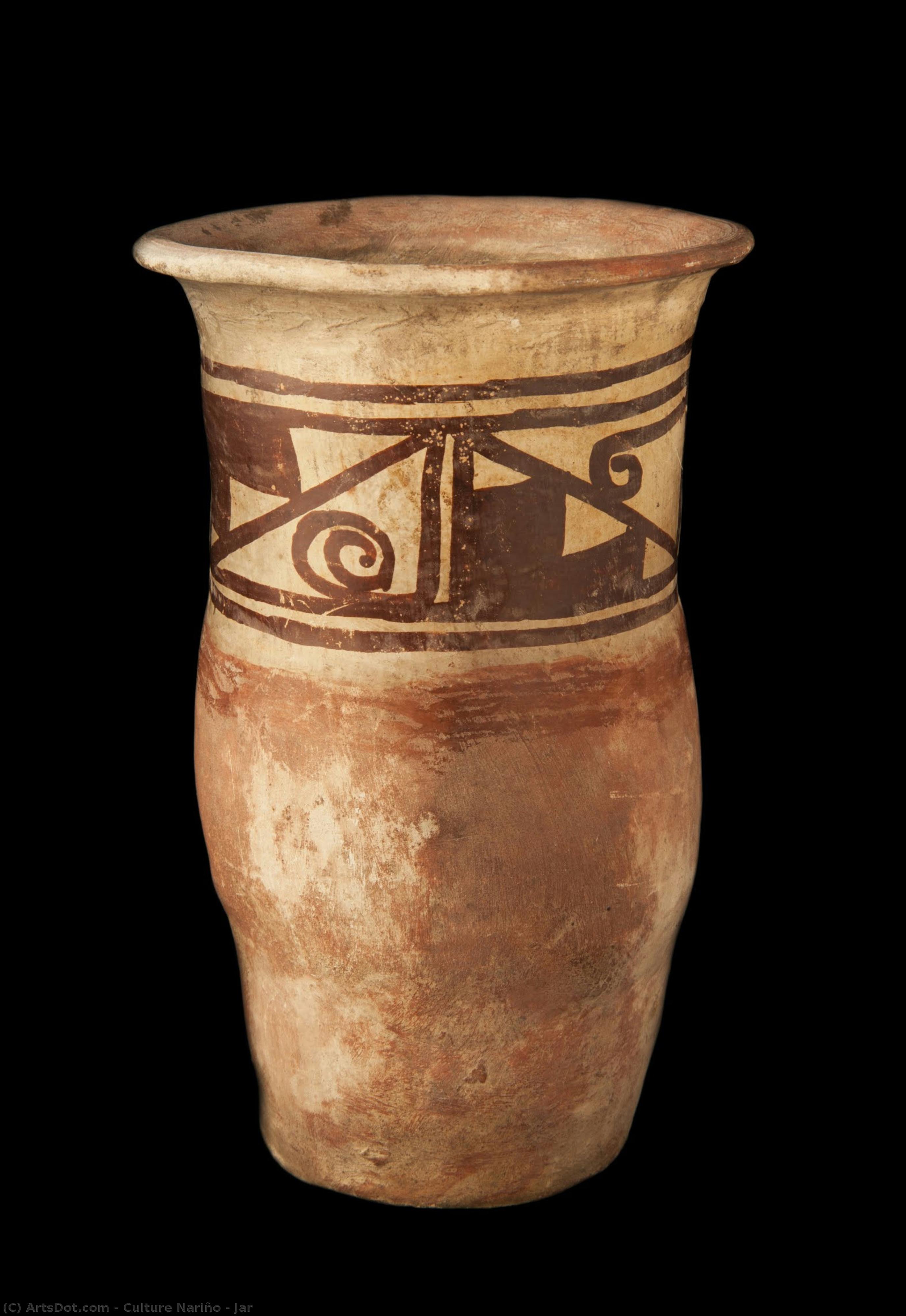
Jar

 詳細を見る
詳細を見る
オンラインプレビューをはるかに凌ぐ、高解像度で鮮明なデジタル画像をご購入いただけます。
各ファイルは、社内の専門家が高度なツールと熟練した手作業によるレタッチを用いて、細心の注意を払って準備されています。すべての画像において、卓越した鮮明度、正確な色彩再現性、そして繊細なディテールを保証いたします。
最終ファイルは、プロフェッショナルな編集・印刷環境ですぐにご利用いただけるよう最適化された状態で、72時間以内にメールにてお届けいたします。これは、一流のデザインスタジオ、出版社、ギャラリーから信頼されているものと同等の品質です。
デジタル画像のご注文に付随する特典
高品質なデジタル画像配信を、確かな品質で。
ArtsDot.com を選ぶことは、単に画像を手に入れることではありません。それは、プロの手によって精密に仕上げられ、満足保証が付いた高品質なデジタルアートワークを受け取ることを意味します。ご注文いただいた際に自動的に付随する内容は、以下の通りです:

メールですぐにお届け
ご注文から72時間以内に、高解像度のデジタル画像ファイルがメールでお手元に届きます。すぐにそのままご利用いただけます。

AI技術で最適化されたデジタルファイル
お客様の作品は、高度なAIツールと専門家による手作業の編集を組み合わせてプロフェッショナルに最適化されており、細部のディテール、鮮明さ、そして正確な色再現性を最大限に引き出しています。

一生涯無料の再送サービス
ファイルを誤って削除したり、紛失してしまったりしましたか?ご安心ください。いつでも無料で再送いたします。

輸入手数料は一切かかりません
関税や手数料、配送料を気にすることなく、お気に入りのアートワークをすぐにお楽しみいただけます。デジタルダウンロードは常に免税です。

色彩再現の保証
プロ仕様のツールとカラーマネジメント技術を用いることで、デジタル画像が元の色を最大限に忠実に再現することを保証いたします。

100日間満足保証
ご購入いただいたデジタル画像にご満足いただけない場合は、100日以内であれば、理由を問わず修正または100%の返金対応をさせていただきます。

100% 返金保証
ご満足いただけない場合は、デジタルファイルを受け取ってから100日以内であれば、理由を問わず全額返金いたします。

まとめ買い割引
3枚購入で10%OFF - 5枚購入で15%OFF - 10枚以上購入で20%OFF。クリエイティブなプロジェクト、ギャラリー、エージェンシーに最適です。
関連作品










作家の略歴
The Enigmatic Legacy of the Culture Narino
To wander through the misty Andean highlands of southern Colombia and northern Ecuador is to step into a landscape where the echoes of the Culture Narino still resonate within the earth. Known also to archaeologists as the Capulí culture, this pre-Columbian civilization flourished between approximately 700 CE and 1200 CE, leaving behind a legacy that transcends mere artifacts. Unlike empires defined by grand stone monuments or conquests of territory, the Narino people expressed their profound connection to the cosmos through an intimate and masterful command of medium and symbol. Theirs was a world of ritualistic depth, where every ceramic vessel and gold ornament served as a bridge between the terrestrial realm and the spiritual mysteries of fertility, agriculture, and ancestral veneration.
The artistry of the Narino is most vibrantly felt in their revolutionary approach to ceramics. The hallmark of their creative identity is a striking black-on-red palette, where deep, dark red clay serves as a canvas for meticulous black pigments. This was not merely a decorative choice but a sophisticated technical achievement involving precise pigment preparation and controlled firing processes. These vessels are often adorned with intricate geometric designs—rectilinear bands, interlocking patterns, and swirling spirals that dance across the surfaces of pots and jars. To the modern eye, these motifs appear as abstract art, yet to the ancient Andean mind, they likely represented the very architecture of the universe: the jagged peaks of sacred mountains, the cyclical nature of agricultural seasons, and the flowing rhythms of life itself.
Sculptural Narratives and Sacred Symbols
Beyond the rhythmic geometry of their pottery, the Culture Narino achieved a remarkable level of anthropomorphic expression. Their sculptures offer a window into a society deeply invested in the human experience and its relationship to the divine. One of the most captivating subjects in their repertoire is the depiction of figures known as coqueros. These small, powerful statues often portray men wearing loincloths, frequently shown with wads of coca leaves tucked into their mouths. This ubiquitous use of the coca leaf motif suggests a culture deeply intertwined with shamanic practices and the ritualistic use of sacred plants to induce altered states of consciousness.
In these sculptural works, we see a beautiful duality in their representation of gender and social roles:
- Female Figures: Often depicted wearing wraps that extend from the armpit to the ankle, these sculptures are widely believed to symbolize fertility, motherhood, and the nurturing essence of the earth.
- Male Figures: Frequently portrayed with objects such as drums or animal companions, these figures emphasize the connection between humanity, music, and the natural world.
The mastery of the Narino artisans extended into the realm of metallurgy, where they worked with high-carat gold to create pieces of breathtaking complexity. Their goldsmithing—characterized by hammered and soldered sheets—produced large pectorals, nose rings, and intricate discs that featured both geometric and zoomorphic designs. These precious objects were not merely ornaments but essential components of funerary rites, often placed within deep, ellipsoid graves to accompany the deceased into the afterlife.
A Lasting Impression on Andean History
The historical significance of the Culture Narino lies in their role as a vital link in the long chain of Andean development. While they did not leave behind sprawling cities, their extensive trade networks and sophisticated aesthetic language influenced the subsequent Piartal and Tuza cultures. Their ability to harmonize the practical needs of an agricultural society—growing quinoa and raising llamas—with a highly developed spiritual iconography created a cultural blueprint that would persist in the region for centuries. Today, the fragments of Narino pottery and the glint of their ancient gold serve as powerful reminders of a civilization that found its greatest strength not in stone or steel, but in the enduring beauty of clay, gold, and the sacred symbols of the natural world.
culture nariño
1500 , Colombia
プロフィール概要
- Artistic Movement Or Style: Archaeological Pottery Art
- Artists Or Movements Influenced By This Artist: ['Ecuador']
- Date Of Death: 1500
- Full Name: culture nariño
- Nationality: Colombian
- Notable Artworks: ['Jar']
- Place Of Birth: Narino, Colombia