 プレビュー
プレビュー
 プリントを購入
 シェアする
シェアする シェアする
シェアする
 詳細を見る
詳細を見る

 ダウンロード
 似ている作品
 X線調査
X線調査 スライドショー
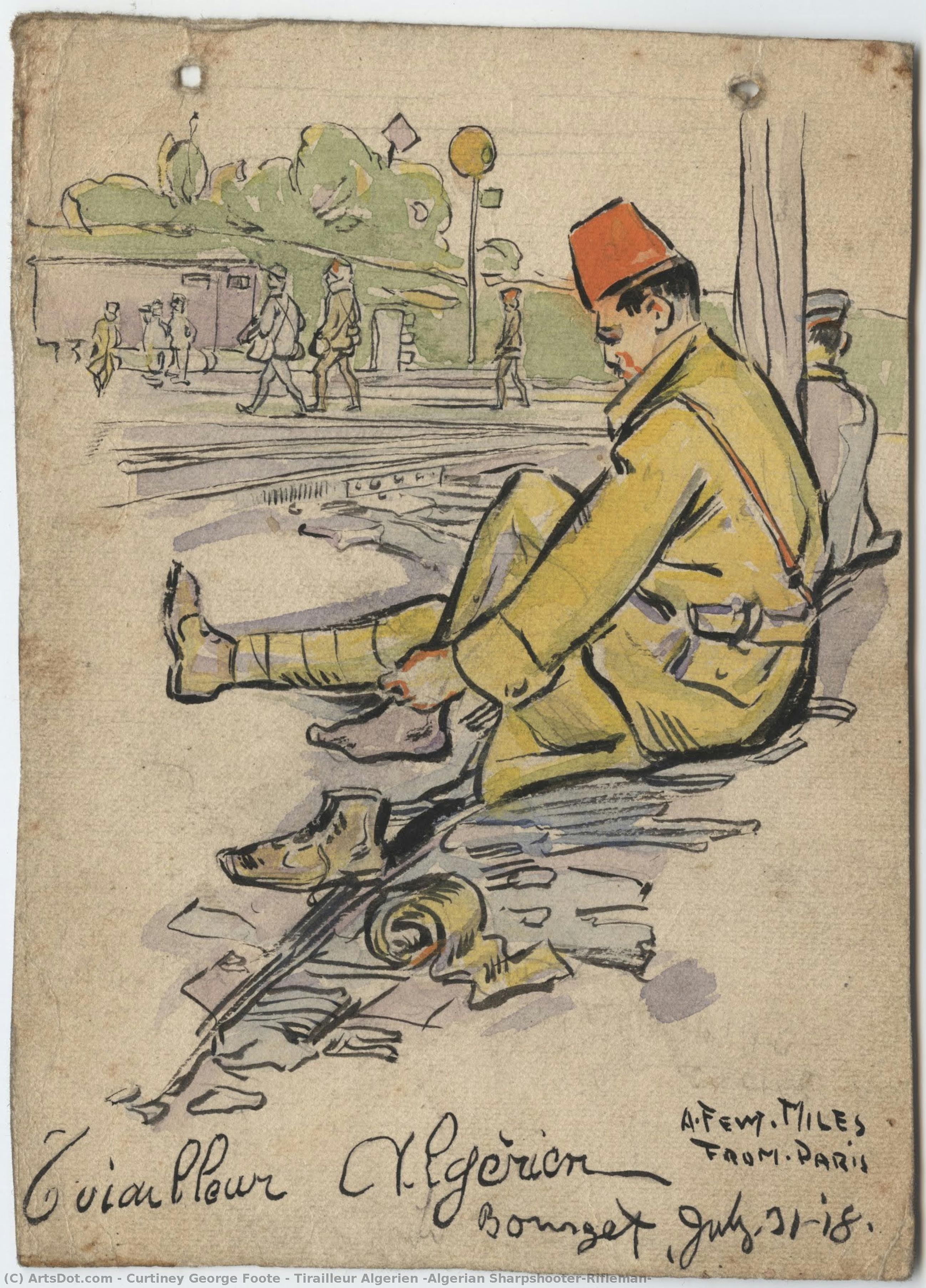
Tirailleur Algerien (Algerian Sharpshooter/Rifleman)
 Realist Observation
 1918
1918 18.0 x 11.0 cm
 国立第一次世界大戦博物館記念館
 詳細を見る
詳細を見る




P118B $10

P118H $10

P118W $10

P438Z $10

P508JH $12

P508YH $12

P805H $10

P805Z $10

P919BZ $10

P919G $10

P919XJ $10

P959ZH $10

P968JZ $12

W106C $8

W218G $10

W218JH $8

W218Y $10

W307PJ $10

W316G $10

W316PJ $8

W316Y $10

W398PJ $8

W4111J $10

W500HY $15

W500JH $15

W692G $12

W849H $8

W940BG $15

W953PJ $8




作品のオリジナル比率に合わせた、当店の規定サイズからお選びください。

特定のフレームやスペースに合わせて、ご希望のサイズをご入力いただけます。選択されたサイズが元の画像の比率と異なる場合、アートワークをトリミングするか、手描きで要素を追加して絵画を拡張いたします。デジタルモックアップ を制作し、制作開始前にご確認(承認)をいただきます。
画面上のプレビューは、実際のトリミングや拡張を正確に反映しているものではありません。最終的な構図は、モックアップによってのみ正確にご確認いただけます。
カスタムサイズもご利用いただけますが、元の比率を維持するためには、あらかじめ用意されたリストからサイズを選択することをお勧めいたします。
ご注文後、ArtsDot.com チームより詳細な指示をお送りするとともに、仕上がりイメージ(モックアップ)をご提供いたします。


 ガラスオプションは、110cm未満のサイズでのみご利用いただけます。

Tirailleur Algerien (Algerian Sharpshooter/Rifleman)
複製技法
複製画のサイズ
-


合計金額
$ 263
Tirailleur Algerien (Algerian Sharpshooter/Rifleman) by Curtiney George Foote – A Window into Early 20th Century Algeria
Curtiney George Foote’s “Tirailleur Algerien” offers a poignant glimpse into a pivotal moment in history and the lives of those who shaped it. Painted in 1918, this watercolor captures a scene of quiet contemplation amidst the backdrop of French colonial Algeria – a landscape fraught with complex social and political tensions. The artwork depicts a uniformed Algerian sharpshooter, seated comfortably on the ground, his feet raised in repose, wearing a distinctive red fez hat that immediately draws the eye. A loyal dog lies nearby, adding an element of companionship and subtly highlighting the relationship between man and animal, a common motif in depictions of this era.
- Subject Matter: The central figure is a “tirailleur,” a term used to describe Algerian recruits who served in the French army during World War I. This painting moves beyond simple portraiture, presenting a humanized image of an individual within a larger historical context.
- Setting: The outdoor setting, with figures walking in the background, suggests a typical scene from a small town or village in Algeria at the time – a place where French and Algerian cultures intersected, often uneasily.
- Composition: Foote’s deliberate composition emphasizes the sharpshooter's relaxed posture, inviting the viewer to consider his thoughts and experiences. The inclusion of the dog adds warmth and intimacy to the scene.
Technique and Style – A Delicate Balance of Realism and Impressionism
Foote’s artistic style is characterized by a masterful control of watercolor techniques, demonstrating a blend of realism and impressionistic sensibilities. The delicate application of color creates a luminous effect, particularly noticeable in the rendering of the fez hat and the fabrics of the uniform. His brushstrokes are precise yet fluid, conveying both detail and atmosphere. The use of light is particularly effective, casting subtle shadows that enhance the three-dimensional quality of the scene. This approach aligns with the prevalent watercolor styles of the early 20th century, influenced by artists like John Pike, known for his detailed landscapes and portraits.
Key Characteristics:- Detailed rendering of textures – fabric, skin, fur.
- Subtle use of color to create depth and atmosphere.
- Precise brushwork combined with a painterly approach.
Historical Context and Symbolism – Colonial Algeria and the “Tirailleur”
“Tirailleur Algerien” was created during World War I, a period of immense upheaval and transformation in Europe and its colonies. The recruitment of Algerian soldiers, known as “tirailleurs,” played a crucial role in the Allied war effort. However, this participation was often motivated by economic pressures and promises of land ownership – promises that were frequently broken. The red fez hat worn by the sharpshooter is not merely an article of clothing; it represents his allegiance to France while simultaneously highlighting his Algerian identity. The painting subtly raises questions about colonialism, loyalty, and the complex dynamics between European powers and their colonial subjects.
Significance:- Reflects the realities of French colonial policy in Algeria.
- Provides a visual representation of the “tirailleur” – a vital but often overlooked figure in history.
- Offers a window into the social and cultural landscape of early 20th-century Algeria.
Emotional Impact and Artistic Legacy
Despite its historical context, "Tirailleur Algerien" possesses an enduring emotional resonance. Foote’s ability to capture a moment of quiet contemplation invites viewers to empathize with the subject – a soldier in unfamiliar surroundings, perhaps reflecting on his duty, his homeland, or simply seeking respite. Foote's legacy extends beyond this single work; his dedication to capturing everyday scenes and landscapes established him as a significant figure in American watercolor art. This reproduction offers an opportunity to own a piece of art history, celebrating Foote’s skill and providing a tangible connection to a fascinating period.
関連作品

アーティストの略歴
early life and career
curtiney george foote was an american artist born in sharonville, united states in 1890. he died in 1954, leaving behind a legacy of stunning watercolor paintings that continue to inspire art enthusiasts today. curtiney george foote is known for his unique style, which blends traditional techniques with modern sensibilities.artistic style and notable works
foote's watercolor paintings are characterized by their delicate yet vibrant colors, often depicting everyday scenes and landscapes. one of his most notable works is a cheveaux 40 homes box car, painted in 1919. this piece showcases foote's ability to capture the essence of american culture and industry during the early 20th century.influences and inspirations
foote's work was influenced by various artists, including leonardo da vinci, vincent van gogh, and claude monet. he was also inspired by the works of other american watercolorists, such as john pike. foote's unique style can be seen in his ability to blend traditional techniques with modern sensibilities.legacy and collections
today, foote's paintings can be found in various museums and private collections, including the glasgow museums resource centre and the royal norfolk regimental museum. his work continues to inspire new generations of artists and art enthusiasts. for more information on curtiney george foote's life and work, visit https://ArtsDot.com/@/curtiney-george-foote. key facts:- born in sharonville, united states in 1890
- died in 1954
- known for his watercolor paintings, including a cheveaux 40 homes box car
- influenced by leonardo da vinci, vincent van gogh, and claude monet
- work can be found in various museums, including the glasgow museums resource centre and the royal norfolk regimental museum
Curtiney George Foote
1890 - 1954 , United States of America
基本情報
- Artistic Movement Or Style: Watercolor
- Artists Or Movements Influenced By This Artist: ['John Pike']
- Artists Who Influenced This Artist:
- Leonardo Da Vinci
- Vincent Van Gogh
- Claude Monet
- Date Of Birth: 1890
- Date Of Death: 1954
- Full Name: Curtiney George Foote
- Nationality: American
- Notable Artworks: ['A Cheveaux 40 Homes Box Car']
- Place Of Birth: Sharonville, USA
関連記事

Watercolor Wonders: 10 Masterpieces That Redefined Art History | ArtsDot
Journey through 10 legendary watercolor masterpieces by Sargent, Turner & Homer! Explore iconic landscapes, portraits & floral art that redefined history. Find museum-quality reproductions and curated decor ideas at ArtsDot.com.

Ephemeral Visions: Exploring the Artistic Legacy & Contemporary Practice of Watercolor Painting
Explore the captivating world of watercolor painting! Discover its rich history, essential techniques, influential artists & collecting tips. A comprehensive guide for art enthusiasts from ArtsDot.

Ephemeral Visions: Exploring the History & Emotional Resonance of Watercolor Painting
Explore the captivating history of watercolor painting, from ancient techniques to modern masters like Kandinsky & Blake. Discover essential artists, collecting tips & the emotional power of this luminous medium. Expert insights for art enthusiasts.

Ephemeral Visions: Exploring the Artistic Legacy & Nuances of Watercolor Painting
Explore the captivating world of watercolor painting! Discover its rich history, essential techniques, influential artists & collecting tips from art experts. A comprehensive guide for enthusiasts.

Giclée Prints: Archival Quality & Aesthetic Nuances for the Discerning Collector
Explore the world of giclée prints with ArtsDot. Learn about archival quality, aesthetic nuances & investment potential. Expert guidance for discerning art collectors seeking museum-quality reproductions and lasting value.