

 プレビュー
プレビュー
 シェアする
シェアする シェアする
シェアする
 詳細を見る
詳細を見る

 ダウンロード
 似ている作品
 X線調査
X線調査 スライドショー
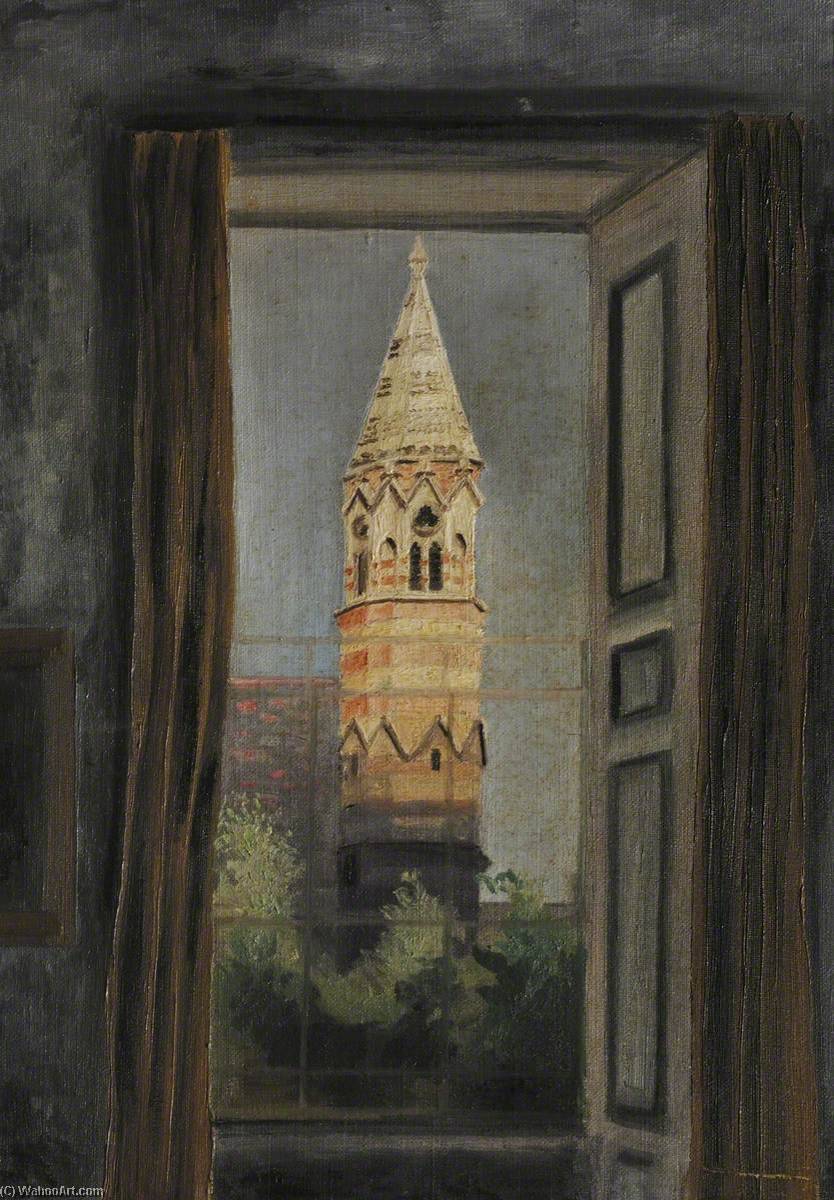
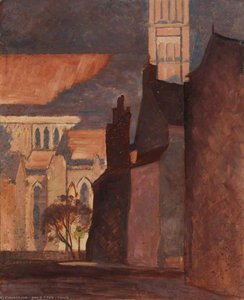
View of the College Chapel
 Oil On Canvas
- WallArt
- Contemporary Realism
 89.0 x 63.0 cm
 Balliol College
 詳細を見る
詳細を見る
ジークレー/アートプリント
迅速な制作と多彩な仕上げオプションを備えた、ミュージアムクオリティのジークレーまたはキャンバスプリント。 ( 手描きの絵画を購入 画像を購入)




P118B $10

P118H $10

P118W $10

P438Z $10

P508JH $12

P508YH $12

P805H $10

P805Z $10

P919BZ $10

P919G $10

P919XJ $10

P959ZH $10

P968JZ $12

W106C $8

W218G $10

W218JH $8

W218Y $10

W307PJ $10

W316G $10

W316PJ $8

W316Y $10

W398PJ $8

W4111J $10

W500HY $15

W500JH $15

W692G $12

W849H $8

W940BG $15

W953PJ $8




作品のオリジナル比率に合わせた、当店の規定サイズからお選びください。

特定のフレームやスペースに合わせて、ご自身でサイズを指定することも可能です。選択されたサイズが元の画像の比率と一致しない場合、作品をトリミングするか、鏡面反射または単色での塗りつぶしによって画像を拡張いたします。制作を開始する前に、ご確認用のデジタルモックアップをお送りいたします。
画面上のプレビューには、実際のトリミングや拡張は反映されませんのでご注意ください。最終的な構図を正確に確認できるのは、モックアップのみとなります。
カスタムサイズも承っておりますが、元の比率を維持するためには、あらかじめ用意されたリストからサイズを選択することをお勧めいたします。


 ガラスオプションは、110cm未満のサイズでのみご利用いただけます。

View of the College Chapel
ジークレー/アートプリント
複製画のサイズ
-


合計金額
$ 62
A Moment Frozen in Time: Exploring Cyril Norman Hinshelwood’s “View of the College Chapel”
Cyril Norman Hinshelwood’s “View of the College Chapel,” completed around 1936, stands as a testament to Oxford’s enduring architectural grandeur and the quiet contemplation fostered by its historic spaces. More than just a depiction of stone and light, this oil painting embodies a profound connection between observation and artistic expression—a characteristic that defines Hinshelwood's oeuvre and cements his place among Britain’s most influential chemists.
The artwork presents a carefully considered perspective through an arched doorway framing the towering spire of St George’s Chapel. Hinshelwood skillfully employs linear perspective, drawing viewers into the chapel’s interior with receding lines that emphasize its monumental scale. The muted color palette—dominated by browns and grays—reflects the solemn atmosphere of the chapel itself, subtly enhancing the sense of stillness conveyed by the composition.
- Style: Hinshelwood adheres to a realist style, prioritizing accuracy in portraying architectural details while maintaining an understated aesthetic.
- Technique: Executed in oil paint on canvas, the artwork showcases meticulous brushstrokes that capture the texture of stone and create depth within the scene. The blending of colors contributes to a harmonious visual experience.
- Composition: The central spire dominates the frame, drawing immediate attention while the doorway’s framing elements provide context and guide the viewer's gaze.
Beyond its formal qualities, “View of the College Chapel” speaks to themes of scholarly devotion and visual serenity. Hinshelwood’s choice of subject matter—a sacred building bathed in diffused light—suggests a desire to capture not merely what is seen but also what is felt. The painting invites contemplation on beauty, tradition, and the enduring legacy of Oxford University.
Located within Trinity College's collection, this artwork exemplifies Hinshelwood’s dedication to capturing moments of visual harmony and intellectual curiosity. Its understated elegance continues to inspire admiration among art enthusiasts and collectors alike—a reflection of Hinshelwood’s profound contribution to both the scientific realm and the artistic spirit.
関連作品

アーティストの略歴
The Architect of Molecular Motion: The Life of Cyril Norman Hinshelwood
Sir Cyril Norman Hinshelwood was not a painter of canvases, but a master of the invisible, a man who captured the frantic, unseen dance of atoms with the precision of a poet. Born in London in 1897, his life was shaped by a profound intellectual curiosity that would eventually lead him to the highest echelons of scientific achievement. Though his early years were marked by the personal tragedy of his father’s death and a relocation from Canada back to England, these formative experiences instilled in him a resilient spirit and an analytical depth that became the hallmark of his career. His journey through Westminster City School and eventually to the prestigious Balliol College, Oxford, set the stage for a life dedicated to unraveling the complex mysteries of chemical kinetics. The atmosphere of early twentieth-century London, particularly the vibrant intellectual circles of Chelsea, provided a backdrop of intense discovery. For Hinshelwood, the laboratory became his studio, where the medium was not oil or pigment, but the very essence of matter itself. His early work during the First World War in the Royal Laboratory of Defence, focusing on the volatile chemistry of explosives, demanded a level of meticulousness and an understanding of rapid change that would later define his groundbreaking research into chain reactions. This period of intense, high-stakes experimentation served as a crucible, refining his ability to observe and interpret the most fleeting of chemical transformations.A Legacy Written in Reaction Rates
As he transitioned into his role at Trinity College, Oxford, Hinshelwood began to compose his greatest scientific masterpieces. He possessed a rare ability to synthesize vast amounts of complex data into elegant, understandable theories. His seminal works, such as “Thermodynamics for Students of Chemistry” and “The Kinetics of Chemical Change,” were more than mere textbooks; they were foundational maps for future generations of scientists navigating the turbulent waters of molecular interaction. Through these writings, he established the fundamental principles of how chemical reactions proceed, focusing on the intricate mechanisms that govern the speed and path of change. His most profound achievement, however, lay in his collaborative exploration of chain reactions. Alongside fellow luminaries, he elucidated how a single energetic event could trigger a cascading sequence of molecular collisions, a concept that fundamentally altered our understanding of both chemistry and combustion. This work was not merely academic; it had profound implications for the physical sciences and even the burgeoning field of nuclear physics. The recognition of this monumental contribution culminated in the Nobel Prize in Chemistry, an honor that solidified his place among the giants of scientific history.The Enduring Impact of a Scientific Visionary
Beyond the laboratory walls, Hinshelwood’s influence extended into the very fabric of societal progress. He was a man who believed that science should serve the common good, frequently lending his expertise to advisory councils on matters of national importance. His ability to bridge the gap between abstract theoretical research and practical application made him an indispensable figure in British scientific policy. Even as he navigated the complexities of mid-century geopolitics, his focus remained steadfastly on the pursuit of truth through empirical observation. The historical significance of Cyril Norman Hinshelwood lies in his role as a pioneer who brought order to the chaos of molecular motion. He taught us that within the seemingly random collisions of particles, there exists a profound and predictable logic. His life remains a testament to the power of disciplined inquiry and the beauty found in understanding the fundamental laws of our universe. Though he may not have left behind portraits or sculptures, the structures of modern chemical kinetics stand as his most enduring and magnificent monuments, forever etched into the foundation of scientific thought.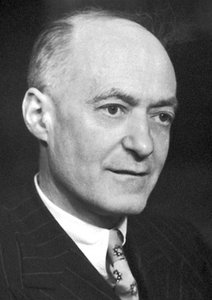
cyril norman hinshelwood
1897 - 1967 , United Kingdom
基本情報
- Artistic Movement Or Style: Physical Chemistry
- Artists Or Movements Influenced By This Artist: ['Langmuir-Hinshelwood process']
- Artists Who Influenced This Artist: ['Harold Warris Thompson']
- Date Of Birth: 19 June 1897
- Full Name: Cyril Norman Hinshelwood
- Nationality: British
- Notable Artworks:
- Interior of Hinshelwood's Room
- Michael Seakins
- View of the College Chapel
- Place Of Birth: London, England
関連記事

The Enduring Legacy of Oil on Canvas: Technique, History & Aesthetic Impact
Explore the rich history & techniques of oil painting – from Renaissance masters to Impressionism. Discover pigments, layering methods, and why this timeless medium endures. Expert insights for artists & art enthusiasts.

Oil on Canvas: A Historical & Technical Exploration of a Timeless Artistic Medium
Explore the rich history & enduring techniques of oil painting on canvas. Discover the science behind its longevity, conservation practices, and contemporary relevance. Expert insights for art enthusiasts.

The Enduring Power of Painting: A Historical & Contemporary Exploration of Form and Emotion
Explore the rich history & enduring techniques of oil painting with ArtsDot. Discover masterpieces, learn about art collecting, and find authentic handmade reproductions crafted by skilled artists.

油彩のキャンバス:技法、歴史、そして現代の実践 - 古典美術愛好家へ
油彩の技法、歴史、巨匠たちの秘密を徹底解説。古典美術愛好家向けに、初期フランドル絵画から現代の実践まで深く掘り下げます。ArtsDotで高品質な複製画やカスタムオーダーも承ります。

Oil on Board Masters: 10 Paintings That Redefined Art | ArtsDot
Explore 10 legendary 'Oil on Board' masterpieces by Van Gogh, Monet & more! Discover art history, iconic styles like Impressionism, and find museum-quality reproductions to elevate your home decor. Explore the full collection online at ArtsDot.com.

