

 プレビュー
プレビュー
 シェアする
シェアする シェアする
シェアする
 詳細を見る
詳細を見る

 ダウンロード
 似ている作品
 X線調査
X線調査 スライドショー
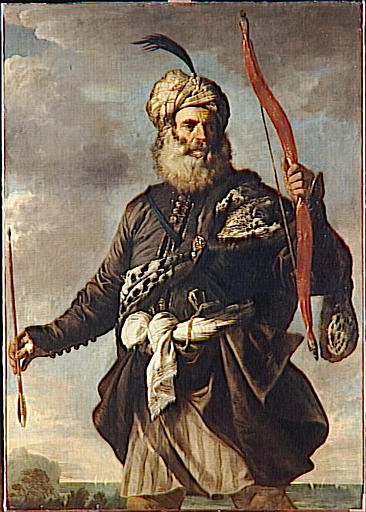
FIGURE DE GUERRIER ORIENTAL TENANT UN ARC


 詳細を見る
詳細を見る
ジークレー/アートプリント
迅速な制作と多彩な仕上げオプションを備えた、ミュージアムクオリティのジークレーまたはキャンバスプリント。 ( 手描きの絵画を購入 画像を購入)




P118B $10

P118H $10

P118W $10

P438Z $10

P508JH $12

P508YH $12

P805H $10

P805Z $10

P919BZ $10

P919G $10

P919XJ $10

P959ZH $10

P968JZ $12

W106C $8

W218G $10

W218JH $8

W218Y $10

W307PJ $10

W316G $10

W316PJ $8

W316Y $10

W398PJ $8

W4111J $10

W500HY $15

W500JH $15

W692G $12

W849H $8

W940BG $15

W953PJ $8




作品のオリジナル比率に合わせた、当店の規定サイズからお選びください。

特定のフレームやスペースに合わせて、ご自身でサイズを指定することも可能です。選択されたサイズが元の画像の比率と一致しない場合、作品をトリミングするか、鏡面反射または単色での塗りつぶしによって画像を拡張いたします。制作を開始する前に、ご確認用のデジタルモックアップをお送りいたします。
画面上のプレビューには、実際のトリミングや拡張は反映されませんのでご注意ください。最終的な構図を正確に確認できるのは、モックアップのみとなります。
カスタムサイズも承っておりますが、元の比率を維持するためには、あらかじめ用意されたリストからサイズを選択することをお勧めいたします。


 ガラスオプションは、110cm未満のサイズでのみご利用いただけます。

FIGURE DE GUERRIER ORIENTAL TENANT UN ARC
ジークレー/アートプリント
複製画のサイズ
-


合計金額
$ 62
作品詳細説明
A Portrait of Wisdom and Strength: Pier Francesco Mola’s “Figure de Guerrier Oriental Tenant Un Arc”
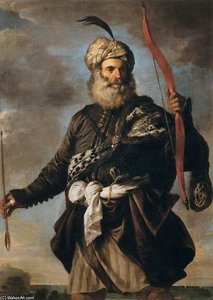
Pier Francesco Mola's "Figure de Guerrier Oriental Tenant Un Arc," a captivating portrait hailing from the heart of 17th-century Rome, transcends mere representation to embody an aura of profound wisdom and formidable strength. Painted during a period of burgeoning Baroque artistry, this work stands as a testament to Mola’s mastery of light, texture, and psychological depth – qualities that elevate it beyond a simple likeness into a compelling narrative of the human spirit. The painting depicts an elderly warrior, likely a historical figure or noble, rendered with meticulous detail and imbued with an undeniable sense of gravitas.
Mola’s artistic approach is deeply rooted in the Baroque tradition, yet subtly diverges from its more overtly dramatic tendencies. While the use of *chiaroscuro* – the dramatic interplay of light and shadow – is prominent, it serves not to overwhelm but rather to sculpt the subject's face and attire, drawing attention to his features and emphasizing the richness of his garments. The composition centers on the figure’s imposing stature, a deliberate choice that commands the viewer’s gaze and establishes an immediate sense of authority. Note the careful rendering of folds in the robes, suggesting both wealth and experience, and the precise detailing of the bow and arrow – symbols of skill, discipline, and perhaps even a life lived with purpose.
The Artist: Da Pier Francesco Mola - A Master of Subtle Grandeur
Da Pier Francesco Mola (Il Ticinese), born in Ticino, Switzerland, in 1612, was a pivotal figure within the Italian Baroque landscape tradition. Despite his prolific output primarily consisting of smaller canvases, Mola’s work is distinguished by an exceptional sensitivity to light and texture, coupled with a profound understanding of human psychology. His early training under Cavalier d'Arpino instilled in him a deep appreciation for classical ideals, while his collaboration with Francesco Albani fostered a keen interest in naturalistic observation – a crucial element that shaped his distinctive style. Mola’s work often reflects a quiet dignity and contemplative quality, suggesting an artist who sought to capture not just appearances but also the essence of his subjects.
Mola's artistic journey began under the tutelage of Cavalier d'Arpino, a Mannerist painter who instilled in him an appreciation for classical ideals alongside expressive dynamism. This formative influence would subsequently guide his collaboration with Francesco Albani, a leading sculptor and architect whose studio fostered a burgeoning interest in naturalistic observation—a crucial element distinguishing Mola’s oeuvre from the prevailing stylistic trends of Rome during his time.
Symbolism and Historical Context
The figure's aged appearance is not merely a detail of representation; it speaks volumes about experience, wisdom, and perhaps even regret. The bow and arrow, symbols of martial prowess, are held with a deliberate grace, suggesting a life lived with honor and discipline. The cloudy sky in the background provides depth and context, hinting at a world beyond the subject’s immediate concerns – a world shaped by conflict and uncertainty. The painting's overall mood is one of quiet contemplation, inviting the viewer to reflect on themes of mortality, legacy, and the enduring qualities of the human spirit.
Considering the figure’s attire and bearing, it’s plausible that he represents an Oriental warrior – a common subject in European portraiture during this period. The inclusion of such figures served not only as a display of wealth and status but also as a reflection of Europe's expanding trade networks and cultural exchanges with the East. The painting thus becomes a window into a complex historical context, blending elements of European aristocratic culture with influences from distant lands.
A Legacy in Oil and Canvas
"Figure de Guerrier Oriental Tenant Un Arc" exemplifies Mola’s skill in manipulating oil paints to create a remarkably tactile surface. The brushwork is both precise and expressive, revealing layers of glazing and blending that contribute to the painting's rich textures and luminous quality. The careful use of color – dominated by deep browns, reds, and golds – further enhances the sense of depth and realism. This work stands as a testament to Mola’s mastery of technique and his ability to imbue his subjects with an enduring sense of presence—a captivating portrait that continues to resonate with viewers centuries after its creation.
関連作品




アーティストの略歴
イル・ティチネーゼの遺産:バロックの光と風景を操る巨匠
1612年、スイスの静かな地コルドレリオに生まれたピエトロ・フランチェスコ・モーラは、「イル・ティチネーゼ」の名で広く知られ、アルプスの影から抜け出してローマ・バロックの中心部において輝かしい存在となりました。彼の芸術的アイデンティティは、洗練された様々な影響の融合によって形作られました。その始まりは、マニエリスムの巨匠カヴァリエール・ダルピーノのもとでの厳格な修行でした。この初期教育によって、彼はディゼーニョ(素描)、すなわち規律ある描線と解剖学的な正確さに対する深い敬意を身につけました。これが後の、より流動的な自然への探求における構造的な背骨となったのです。その後、フランチェスコ・アルバーニの画風に触れることで、モーラのスタイルは硬直したマニエリスムの殻を脱ぎ捨て始め、周囲の世界の息づく本質を捉えようとする、芽生えつつあった自然主義を受け入れていきました。
芸術家としてのモーラの進化は、ルネサンスの構造化された古典的理想から、バロック時代の感情豊かで演劇的なダイナミズムへの驚くべき変遷によって特徴づけられます。同時代の多くの画家たちがフレスコ画による壮大な天井画の規模に注力していた一方で、モーラは光と大気の緻密な研究を可能にする、より小規模で親密なキャンバスの中に独自の表現を見出しました。彼の作品はしばしば、構図の知的な厳格さと、自然風景が持つ本能的な美しさとの架け橋としての役割を果たしています。この二面性は、複雑な寓意的なテーマを、まるで実在するかのように感じられる設定へと織り込む彼の能力に最も顕著に表れています。柔らかな影と豊かで情緒的な質感を通じて、鑑賞者を神聖なものと地上のものが交差する世界へと誘うのです。
物語と寓意の極致
モーラの真の輝きは、聖書や神話の物語に深い人間的な感情を吹き込む能力にあります。彼の絵画は単なる挿絵ではありません。それは、光が主要な主人公として機能するドラマチックな舞台なのです。『砂漠におけるハガルに現れる天使』のような作品では、明暗法(キアロスクロー)を用いて神の恩寵と精神的な脆さが際立つ瞬間を描き出す、情緒的な照明技術の極致を目にすることができます。同様に、『アルガンテとの戦いの後、タンクレデの傷を癒やすエルミーネとヴァルフィーノ』といった歴史的あるいは伝説的な場面の描写は、紛争という過酷な現実の中に存在する、慈しみや思いやりの繊細なニュアンスを捉え、主題に対する深い共感を示しています。
純粋に宗教的、あるいは英雄的な題材を超えて、モーラは寓意に対しても鋭い知性を備えていました。彼の『地理学の寓意』は、バロック特有の象徴主義を用いて、人類の好奇心と当時の探検精神を讃える彼の能力の証となっています。豊かな色彩と詳細なリアリズムを通じて、彼は地図製作のような抽象的な概念を視覚的なスペクタクルへと変貌させました。科学、神話、そして自然主義という異なる要素を統合するこの能力こそが、高位の聖職者から17世紀の知識層に至るまで、ローマの洗練されたパトロンたちの心に彼の作品を響かせたのです。
歴史的意義と芸術的勝利
モーラの職業的な評価が頂点に達したのは、間違いなくローマの建築景観への貢献、とりわけクイリナーレ宮殿のアレクサンデル7世回廊における壮大なフレスコ画の連作においてでした。『兄弟たちに正体を明かすヨセフ』などの作品を含むこの依頼は、彼を同世代の最も優れた画家の一人として確固たるものにしました。これらの大規模な作品において、モーラはバロック美学が求める演劇性と、洗練された古典的な均衡感覚を見事に融合させ、最も親密なキャンバスと同様に、壮大な舞台をも自在に操れることを証明したのです。
彼のキャリアは小規模な作品の多作によって定義づけられていましたが、イタリアにおける風景画の発展に与えた影響は、いくら強調してもしすぎることはありません。単なる装飾的なアプローチから、より観察的で大気を感じさせる手法へと移行することで、彼は後世の風景画家たちが、光の微妙な変化や大地の荒々しい質感の中に美を見出すための道を切り拓きました。今日、ピエール・フランチェスコ・モーラの遺産は、天の壮大さと地上の静かで息づく現実の両方を捉えることができた画家の力としての証として、美術史に深く刻み込まれています。
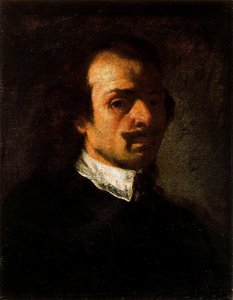
ピエトロ・フランチェスコ・モーラ
1612 - 1666 , スイス
基本情報
- Artistic Movement Or Style: バロック
- Artists Or Movements Influenced By This Artist: ['ミケランジェロ・メリジ・カラヴァッジョ']
- Artists Who Influenced This Artist:
- カヴァリエール・ダルピーノ
- フランチェスコ・アルバーニ
- Date Of Birth: 1612年2月9日
- Date Of Death: 1666年5月13日
- Full Name: ピエロ・フランチェスコ・モラ
- Nationality: スイス・イタリア
- Notable Artworks:
- エジプトへの逃避
- 荒野で説教する聖ヨハネ
- 聖ブリュノの幻視
- 羊の群れを守るエルミーニ、木にタンクレードの名を刻む
- Place Of Birth: スイス、コルドレリオ
関連記事

バロックのドラマ:現代のインテリアに壮麗さと情感を取り込む
バロック様式の歴史、絵画、家具の魅力をご紹介。ArtsDotでは、高品質な油絵複製やカスタムポートレートをご提供し、現代のインテリアに壮麗さと情感を取り入れます。アートコンサルテーションも承ります。

バロック美術を極めた至宝:時代を彩る10大名作の世界
バロック美術の華!カラヴァッジョ、ベルニーニら巨匠が創り上げた10大名作を徹底解剖。ドラマチックな色彩と豪華絢爛の世界観に触れ、至宝のアートプリントで空間を彩ろう。ArtsDot.comで美術館品質の複製と洗練されたインテリアを見つけましょう!

The Dramatic Flourish: Exploring the Baroque Movement's Enduring Legacy in Art History
Explore the dramatic world of Baroque art! Discover iconic artists like Caravaggio & Rubens, defining techniques, and its lasting impact on art history. Expert insights for collectors & enthusiasts at ArtsDot.

The Enduring Power of Painting: A Historical & Contemporary Exploration of Form and Emotion
Explore the rich history & enduring techniques of oil painting with ArtsDot. Discover masterpieces, learn about art collecting, and find authentic handmade reproductions crafted by skilled artists.

The Enduring Legacy of Oil on Canvas: Technique, History & Aesthetic Impact
Explore the rich history & techniques of oil painting – from Renaissance masters to Impressionism. Discover pigments, layering methods, and why this timeless medium endures. Expert insights for artists & art enthusiasts.

