

 プレビュー
プレビュー
 シェアする
シェアする シェアする
シェアする
 詳細を見る
詳細を見る

 ダウンロード
 似ている作品
 X線調査
X線調査 スライドショー
 Stats
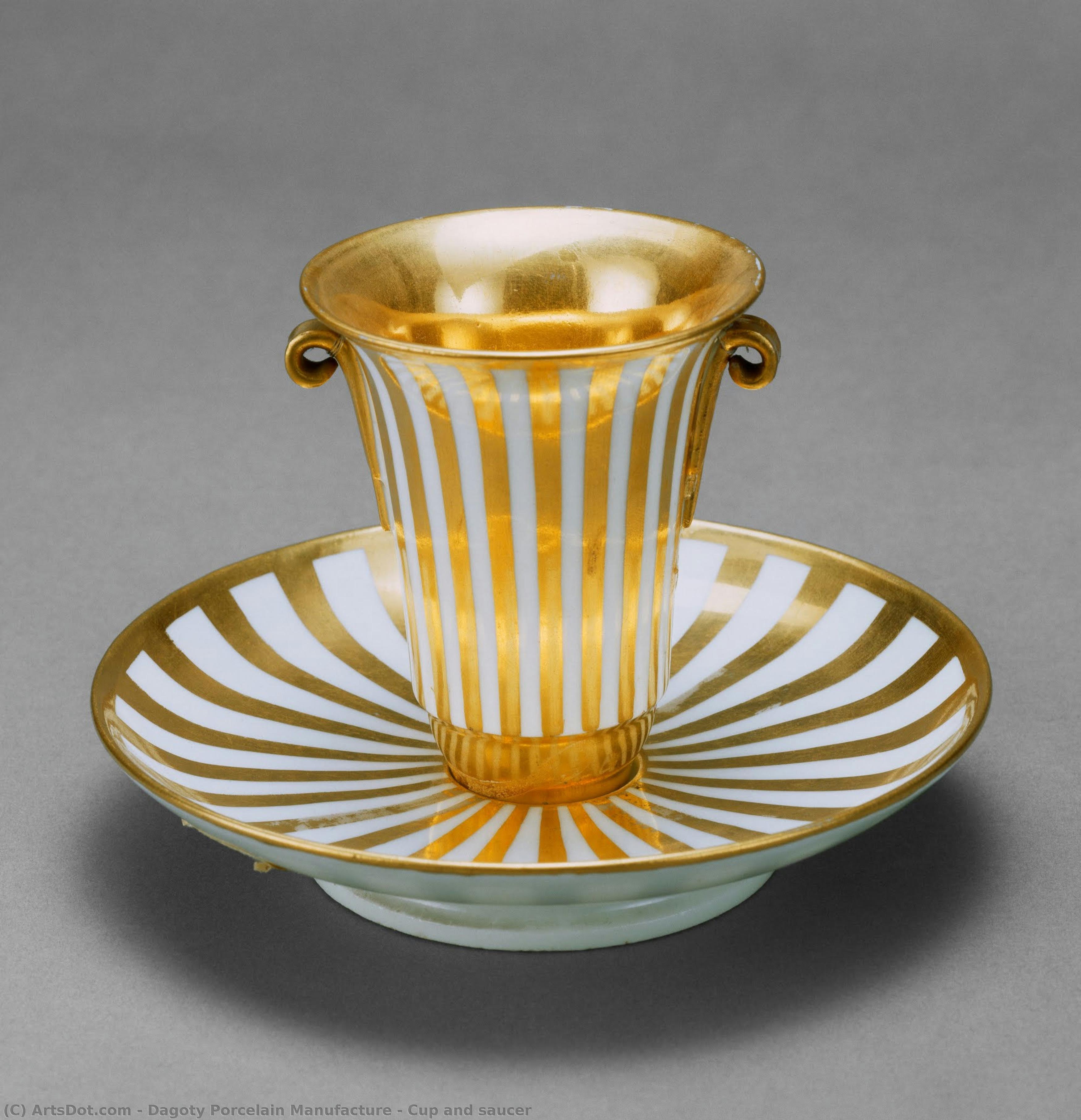
StatsCup and saucer

Dagoty Porcelain Manufacture is renowned for its exquisite and colorful Limoges porcelain creations, including detailed figurines and decorative plates; discover the beauty and artistry of their timeless pieces.
 詳細を見る
詳細を見る
手描き油彩複製画
当社のアーティストが、お客様のご希望のサイズと額縁に合わせて、キャンバスに手描きで制作する油彩画です。 ( Switch to Print Switch to Digital Image)




































標準サイズ
オーダーメイド
CM
INCH
作品のオリジナル比率に合わせた、当店の規定サイズからお選びください。
Loading sizes...

幅
高さ
特定のフレームやスペースに合わせて、ご希望のサイズをご入力いただけます。選択されたサイズが元の画像の比率と異なる場合、アートワークをトリミングするか、手描きで要素を追加して絵画を拡張いたします。デジタルモックアップ を制作し、制作開始前にご確認(承認)をいただきます。
画面上のプレビューは、実際のトリミングや拡張を正確に反映しているものではありません。最終的な構図は、モックアップによってのみ正確にご確認いただけます。
カスタムサイズもご利用いただけますが、元の比率を維持するためには、あらかじめ用意されたリストからサイズを選択することをお勧めいたします。
カスタマイズの例:顔をお客様の写真に置き換える、ペットを追加する(例:猫を犬に変更)、背景に隠れたメッセージを入れる、背景の風景や要素を変更するなど。
ご注文後、ArtsDot.com チームより詳細な指示をお送りするとともに、仕上がりイメージ(モックアップ)をご提供いたします。
ご注文後、ArtsDot.com チームより詳細な指示をお送りするとともに、仕上がりイメージ(モックアップ)をご提供いたします。


 ガラスオプションは、110cm未満のサイズでのみご利用いただけます。

Cup and saucer
複製技法
複製画のサイズ
-


合計金額
$ 263









アーティストの略歴
The Delicate World of Dagoty Porcelain
The name Dagoty evokes a sense of refined elegance and meticulous craftsmanship, inextricably linked to the history of French porcelain production. While not a single artist in the traditional sense, the *Dagoty Porcelain Manufacture* represents a lineage of skilled artisans and entrepreneurial visionaries who shaped the aesthetic landscape of tableware and decorative objects from the late 18th through the mid-20th century. Founded in 1790 by Pierre Dagoty, the manufacture quickly established itself as a prominent force in Creil, France, a region burgeoning with ceramic workshops following the revocation of royal privileges that had previously concentrated production in Sèvres and Limoges. Pierre Dagoty, initially a painter at Sèvres, recognized an opportunity to create high-quality porcelain accessible to a wider clientele, moving away from the exclusive luxury market towards more practical yet beautifully designed pieces for everyday use. This democratization of fine ceramics became a defining characteristic of the Dagoty enterprise.Early Innovations and Rise to Prominence
The early years of the manufacture were marked by a spirit of innovation. Dagoty pioneered new techniques in transfer printing, allowing for intricate designs to be reproduced efficiently and accurately onto porcelain surfaces. This was particularly crucial during the Napoleonic era when demand soared for commemorative wares depicting military victories and imperial emblems. The factory’s output included not only dinner services but also decorative items like vases, pitchers, and figurines, often adorned with scenes inspired by classical mythology, romantic landscapes, and contemporary fashion. The distinctive style that emerged blended Rococo flourishes with Neoclassical restraint, reflecting the broader artistic currents of the period. Pierre Dagoty’s son, Louis-Auguste Dagoty, took over the business in 1820, further expanding its reach through strategic partnerships and a keen understanding of market trends. He introduced faïence production alongside porcelain, broadening the range of available products and appealing to an even wider consumer base. The factory’s success was also built on a commitment to quality control; each piece underwent rigorous inspection before being released for sale, ensuring a consistent standard that earned Dagoty a reputation for reliability and artistry.A Legacy of Diverse Styles
Throughout the 19th century, the Dagoty manufacture demonstrated remarkable adaptability, responding to evolving tastes with an impressive array of styles. The Romantic movement found expression in delicate floral patterns and picturesque scenes, while the Victorian era saw a proliferation of elaborate designs featuring rich colors and ornate detailing. Japanese influences, prevalent during the Japonisme craze, were incorporated into porcelain forms and decorative motifs, adding an exotic touch to their collections. The factory also embraced the Art Nouveau aesthetic in the late 19th and early 20th centuries, producing pieces characterized by flowing lines, organic shapes, and stylized floral patterns. This stylistic versatility was not merely a matter of following trends; it reflected a deep understanding of design principles and a willingness to experiment with new techniques and materials. The Dagoty factory employed numerous talented artists and designers over the years, each contributing to the rich tapestry of its artistic output.The 20th Century and Enduring Appeal
The early 20th century brought new challenges for the Dagoty manufacture, including increased competition from industrial producers and changing consumer preferences. While production continued, the factory gradually shifted its focus towards more specialized lines of tableware and decorative objects.- Commemorative plates remained a popular item.
- Limited-edition collections were introduced to appeal to collectors.
- The emphasis on hand-painted details was maintained, distinguishing Dagoty products from mass-produced alternatives.
基本情報
- Artistic Movement Or Style: Porcelain Manufacturing
- Date Of Death: Living
- Full Name: Dagoty Porcelain Manufacture