

 プレビュー
プレビュー
 プリントを購入
 シェアする
シェアする シェアする
シェアする
 詳細を見る
詳細を見る

 ダウンロード
 似ている作品
 X線調査
X線調査 スライドショー
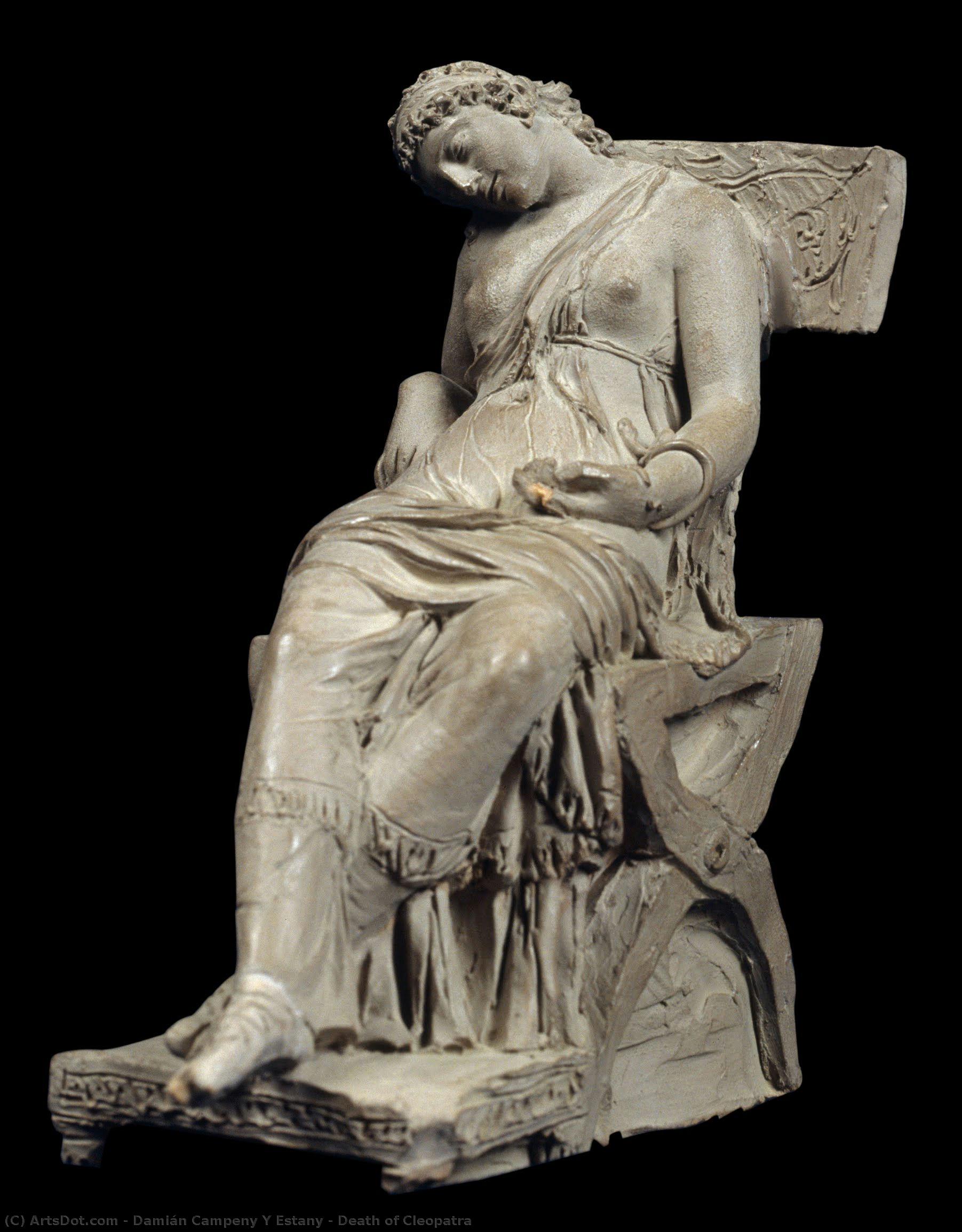
Death of Cleopatra
 Baroque
 1804
1804 195.0 x 195.0 cm
 カタルーニャ国立美術館
 詳細を見る
詳細を見る
オンラインプレビューをはるかに凌ぐ、高解像度で鮮明なデジタル画像をご購入いただけます。
各ファイルは、社内の専門家が高度なツールと熟練した手作業によるレタッチを用いて、細心の注意を払って準備されています。すべての画像において、卓越した鮮明度、正確な色彩再現性、そして繊細なディテールを保証いたします。
最終ファイルは、プロフェッショナルな編集・印刷環境ですぐにご利用いただけるよう最適化された状態で、72時間以内にメールにてお届けいたします。これは、一流のデザインスタジオ、出版社、ギャラリーから信頼されているものと同等の品質です。
デジタル画像のご注文に付随する特典
高品質なデジタル画像配信を、確かな品質で。
ArtsDot.com を選ぶことは、単に画像を手に入れることではありません。それは、プロの手によって精密に仕上げられ、満足保証が付いた高品質なデジタルアートワークを受け取ることを意味します。ご注文いただいた際に自動的に付随する内容は、以下の通りです:

メールですぐにお届け
ご注文から72時間以内に、高解像度のデジタル画像ファイルがメールでお手元に届きます。すぐにそのままご利用いただけます。

AI技術で最適化されたデジタルファイル
お客様の作品は、高度なAIツールと専門家による手作業の編集を組み合わせてプロフェッショナルに最適化されており、細部のディテール、鮮明さ、そして正確な色再現性を最大限に引き出しています。

一生涯無料の再送サービス
ファイルを誤って削除したり、紛失してしまったりしましたか?ご安心ください。いつでも無料で再送いたします。

輸入手数料は一切かかりません
関税や手数料、配送料を気にすることなく、お気に入りのアートワークをすぐにお楽しみいただけます。デジタルダウンロードは常に免税です。

色彩再現の保証
プロ仕様のツールとカラーマネジメント技術を用いることで、デジタル画像が元の色を最大限に忠実に再現することを保証いたします。

60日間満足保証
ご購入いただいたデジタル画像にご満足いただけない場合は、60日以内であれば、修正または100%の返金(理由を問う必要はありません)をさせていただきます。

100% 返金保証
ご満足いただけない場合は、デジタルファイルを受け取ってから60日以内であれば、理由を問わず全額返金いたします。

まとめ買い割引
3枚購入で10%OFF - 5枚購入で15%OFF - 10枚以上購入で20%OFF。クリエイティブなプロジェクト、ギャラリー、エージェンシーに最適です。
関連作品
作家の略歴
Damià Campeny i Estrany: A Master of Catalan Baroque
Damià Campeny i Estrany (1771-1855) stands as a pivotal figure in the artistic landscape of 18th and early 19th century Catalonia, a period marked by both fervent neoclassical ideals and the enduring legacy of the Baroque. Born in Mataró, a coastal town north of Barcelona, Campeny’s life unfolded against a backdrop of political upheaval – the Napoleonic Wars and subsequent restoration – profoundly shaping his artistic trajectory and ultimately establishing him as one of the most significant sculptors of the Catalan Baroque revival. His work represents a fascinating synthesis of Italianate influences, local traditions, and a deeply personal vision, resulting in a body of art that continues to captivate viewers with its dramatic intensity and emotional resonance. Campeny’s early artistic development was heavily influenced by the prevailing trends of the time. He initially studied under his father, also a sculptor, absorbing fundamental techniques and developing a solid grounding in classical forms. However, it was his travels to Italy – particularly Rome – during the 1800s that proved transformative. These experiences exposed him to the masterpieces of Bernini, Caravaggio, and other Baroque giants, igniting within him a passion for dramatic lighting, dynamic composition, and the exploration of human emotion through sculpture. He meticulously studied their techniques, absorbing not just the formal elements but also the spirit of theatricality and narrative that characterized their work. Upon his return to Catalonia, Campeny immediately began applying these lessons, injecting them into the local artistic context.- Key Influences: Italian Baroque sculpture (Bernini, Caravaggio), Neoclassicism
- Technique: Masterful use of marble carving, dramatic lighting effects, dynamic poses
- Subject Matter: Mythological scenes, religious narratives, portraits – often imbued with a sense of drama and pathos
Major Works and Artistic Style
Campeny’s artistic style is immediately recognizable by its dramatic intensity and theatrical flair. He eschewed the cool detachment of Neoclassicism in favor of a more emotionally charged approach, employing bold contrasts of light and shadow to heighten the impact of his figures. His sculptures are rarely static; instead, they seem caught in moments of intense action or profound emotion – a fleeing figure, a moment of despair, a triumphant gesture. This dynamism is achieved through carefully sculpted drapery that flows with an almost palpable energy, further enhancing the sense of movement and drama. Among his most celebrated works are “Death of Cleopatra” (1804), a monumental marble sculpture depicting the queen’s final moments, and "The Rape of Deianira by the Centaur Nessus," both powerfully rendered with meticulous detail and imbued with a palpable sense of horror and tragedy. These pieces, along with his depictions of Diana the Huntress, showcase Campeny's ability to transform classical myths into emotionally resonant narratives. His work frequently draws upon themes of love, loss, betrayal, and redemption, reflecting the turbulent social and political climate of his time. His sculptures for the Palau de la Llotja in Barcelona are particularly noteworthy, demonstrating a masterful understanding of architectural integration and public art.- Notable Works: “Death of Cleopatra,” “The Rape of Deianira by the Centaur Nessus,” Diana the Huntress
- Techniques: Dramatic chiaroscuro (contrast between light and dark), dynamic drapery, expressive poses
Historical Context and Catalan Identity
Campeny’s work is inextricably linked to the broader artistic and cultural context of Catalonia in the early 19th century. Following the Napoleonic Wars, Catalonia experienced a period of political instability and national awakening. Artists like Campeny played a crucial role in shaping a distinctly Catalan identity through their art, drawing inspiration from local traditions while simultaneously engaging with European artistic trends. His sculptures often incorporated elements of Catalan folklore and mythology, subtly reinforcing regional pride and cultural heritage. Furthermore, Campeny’s career coincided with the rise of Romanticism, an artistic movement that emphasized emotion, individualism, and the sublime. His dramatic compositions and emotionally charged figures align perfectly with the core tenets of Romanticism, reflecting a growing interest in exploring the darker aspects of human experience. He wasn't simply replicating Italian models; he was adapting them to his own cultural context, imbuing them with a uniquely Catalan sensibility.Legacy and Significance
Damià Campeny i Estrany’s legacy extends far beyond his immediate artistic achievements. He is considered one of the most important sculptors of the Catalan Baroque revival, profoundly influencing subsequent generations of artists in the region. His work continues to be exhibited and studied today, demonstrating its enduring appeal and artistic merit. His ability to seamlessly blend classical influences with local traditions resulted in a body of art that remains both visually stunning and emotionally resonant – a testament to his skill as a sculptor and his profound understanding of human nature. He stands as a powerful symbol of Catalan artistic identity, embodying the spirit of innovation, passion, and cultural pride.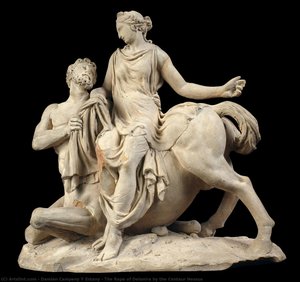
damián campeny y estany
1771 - 1855
プロフィール概要
- Artistic Movement Or Style: Neoclassicism
- Artists Or Movements Influenced By This Artist: ['European Baroque art']
- Artists Who Influenced This Artist: ['Italian sculptors']
- Date Of Birth: 1771
- Date Of Death: 1855
- Full Name: Damià Campeny i Estrany
- Nationality: Spanish
- Notable Artworks:
- Death of Cleopatra
- Rape of Deianira
- Diana the Huntress
- Place Of Birth: Mataró, Spain

