

 プレビュー
プレビュー
 シェアする
シェアする シェアする
シェアする
 詳細を見る
詳細を見る

 ダウンロード
 似ている作品
 X線調査
X線調査 スライドショー
 Stats
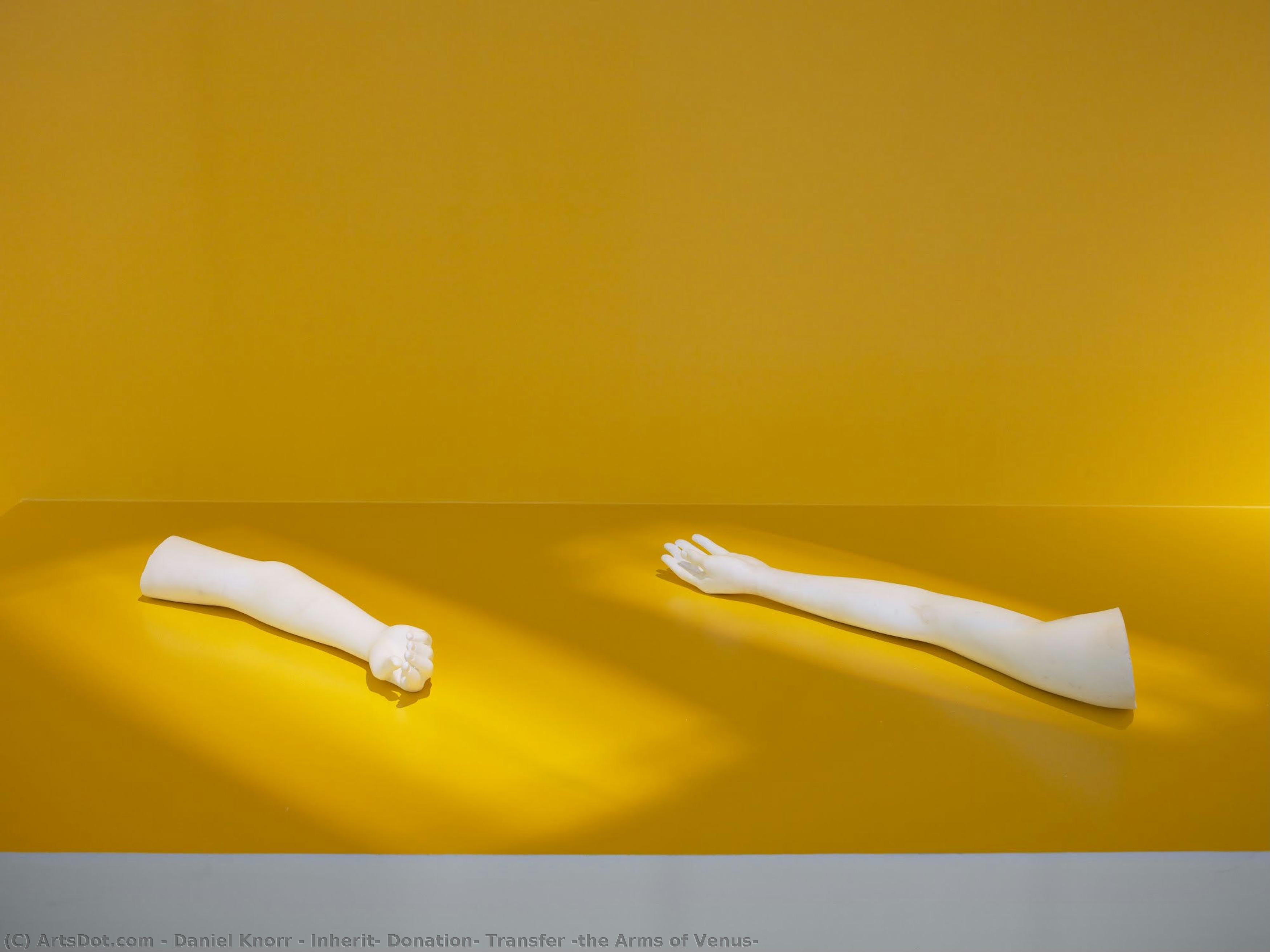
StatsInherit, Donation, Transfer (the Arms of Venus)
 2011
2011 16.0 x 100.0 cm
 詳細を見る
詳細を見る
手描き油彩複製画
当社のアーティストが、お客様のご希望のサイズと額縁に合わせて、キャンバスに手描きで制作する油彩画です。 ( Switch to Print Switch to Digital Image)




































作品のオリジナル比率に合わせた、当店の規定サイズからお選びください。

特定のフレームやスペースに合わせて、ご希望のサイズをご入力いただけます。選択されたサイズが元の画像の比率と異なる場合、アートワークをトリミングするか、手描きで要素を追加して絵画を拡張いたします。デジタルモックアップ を制作し、制作開始前にご確認(承認)をいただきます。
画面上のプレビューは、実際のトリミングや拡張を正確に反映しているものではありません。最終的な構図は、モックアップによってのみ正確にご確認いただけます。
カスタムサイズもご利用いただけますが、元の比率を維持するためには、あらかじめ用意されたリストからサイズを選択することをお勧めいたします。
ご注文後、ArtsDot.com チームより詳細な指示をお送りするとともに、仕上がりイメージ(モックアップ)をご提供いたします。


 ガラスオプションは、110cm未満のサイズでのみご利用いただけます。

Inherit, Donation, Transfer (the Arms of Venus)
複製技法
複製画のサイズ
-


合計金額
$ 263
関連作品





アーティストの略歴
Daniel Knorr: A Disruptive Voice in Contemporary Art
Born in Bucharest, Romania, in 1968, Daniel Knorr’s artistic journey is one of profound transformation and a relentless interrogation of societal norms. Initially fleeing Romania with his family at the age of fourteen, he found refuge in Germany, an experience that undoubtedly shaped his later work – a persistent exploration of displacement, memory, and the weight of history. His early studies at the Academy of Fine Arts in Munich under the influential Daniel Spoerri laid the groundwork for his distinctive approach: a deliberate rejection of traditional artistic conventions in favor of conceptual engagement and unconventional materials.
Knorr’s career gained significant momentum with his representation of Romania at the 2005 Venice Biennale. This marked a pivotal moment, introducing his work to an international audience and establishing him as a key figure within the contemporary art scene. His projects consistently challenge viewers to confront uncomfortable truths about legacy, transmission, biopolitics, and the often-invisible structures that govern our lives. He’s not simply creating objects; he's constructing dialogues – unsettling, provocative, and ultimately demanding reflection.
The Language of Unconventional Materials
At the heart of Knorr’s artistic practice lies a radical embrace of unconventional materials. Far from seeking pristine canvases or polished sculptures, he deliberately incorporates elements that disrupt conventional notions of beauty and value. Cocaine, asphalt pit casts, smoke, and even discarded objects – all find their way into his installations and performances. This isn't mere happenstance; it’s a carefully considered strategy. As Knorr himself has explained, these materials aren’t chosen for their aesthetic appeal but for the questions they raise about consumption, power, and the very definition of art.
Consider his seminal work, “Smoking in the Museum” (2012), presented at the Migros Museum für Gegenwartskunst in Zurich. By releasing plumes of white smoke from a museum space – a traditionally sacred area dedicated to preserving cultural heritage – Knorr directly confronted the contemporary debate surrounding smoking bans and public health policies. The piece served as a potent metaphor for state control, highlighting how seemingly benign regulations can exert significant influence over individual behavior and shape our collective experience. Similarly, “Expiration Movement” (2017), a monumental installation at documenta 14 in Kassel and Athens, utilized the release of smoke from the Fridericianum tower to symbolize erasure and the passage of time – a haunting meditation on history and memory.
Themes of Legacy, Transmission, and Biopolitics
Knorr’s work consistently grapples with complex themes of legacy, transmission, and biopolitics. He frequently explores how the past informs the present and how our actions shape the future. His projects often function as material representations of contemporary power dynamics – examining the ways in which institutions exert control over individuals and societies. The concept of “transmission” is particularly central to his work; he investigates how ideas, memories, and even substances are passed down through generations, carrying with them both positive and negative connotations.
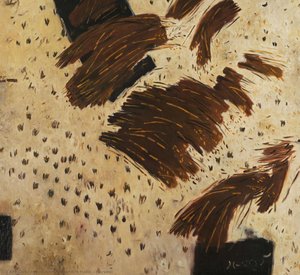
His 2012 piece, "Inherit, Donation, Transfer (the arms of Venus)," exemplifies this thematic focus. The use of cocaine – a substance laden with historical and cultural significance – as a central element forces viewers to confront the complex relationship between value, addiction, and societal norms. It’s a deliberate provocation designed to spark critical dialogue about our inherited legacies and the ways in which we perpetuate cycles of consumption and control.
Exhibitions and Recognition
Daniel Knorr's work has been exhibited extensively throughout Europe and beyond. Key milestones include his representation of Romania at the 2005 Venice Biennale, the prestigious Preis der Böttcherstraße award from Kunsthalle Bremen in 2012 (a recognition of his innovative approach to contemporary art), and a significant presence within major international institutions such as the Alte Nationalgalerie in Berlin, the Stasi Museum in Leipzig, and the Pinakothek der Moderne in Munich. His work has also been featured at documenta 14 in Kassel and Athens, cementing his position as a leading voice in contemporary artistic discourse.
More recently, Knorr’s installations have garnered attention for their scale and impact, including “Expiration Movement” (2017) and "Laundry" (2019), both of which challenged conventional notions of public space and engaged audiences in critical reflection. His continued exploration of themes related to biopolitics, social critique, and the relationship between art and society ensures that his work remains relevant and thought-provoking.
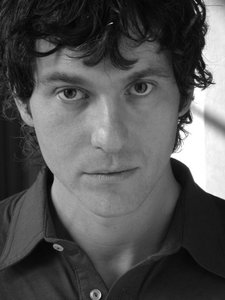
Daniel Knorr
1968 - , Romania
基本情報
- Artistic Movement Or Style: Conceptual/Installation
- Artists Or Movements Influenced By This Artist:
- Minimal Art
- Conceptual Art
- Artists Who Influenced This Artist: ['Daniel Spoerri']
- Date Of Birth: 1968
- Full Name: Daniel Knorr
- Nationality: Romanian
- Notable Artworks:
- Smoking in the Museum
- Expiration Movement
- European Influenza
- Place Of Birth: Bucharest, Romania