

 プレビュー
プレビュー
 プリントを購入
 シェアする
シェアする シェアする
シェアする
 詳細を見る
詳細を見る

 ダウンロード
 似ている作品
 X線調査
X線調査 スライドショー
The Lying-in Room
 Oil
Oil- WallArt
- Zopfstil Period
 1759
1759 30.0 x 24.0 cm
 国立博物館群
 詳細を見る
詳細を見る




P118B $10

P118H $10

P118W $10

P438Z $10

P508JH $12

P508YH $12

P805H $10

P805Z $10

P919BZ $10

P919G $10

P919XJ $10

P959ZH $10

P968JZ $12

W106C $8

W218G $10

W218JH $8

W218Y $10

W307PJ $10

W316G $10

W316PJ $8

W316Y $10

W398PJ $8

W4111J $10

W500HY $15

W500JH $15

W692G $12

W849H $8

W940BG $15

W953PJ $8




作品のオリジナル比率に合わせた、当店の規定サイズからお選びください。

特定のフレームやスペースに合わせて、ご希望のサイズをご入力いただけます。選択されたサイズが元の画像の比率と異なる場合、アートワークをトリミングするか、手描きで要素を追加して絵画を拡張いたします。デジタルモックアップ を制作し、制作開始前にご確認(承認)をいただきます。
画面上のプレビューは、実際のトリミングや拡張を正確に反映しているものではありません。最終的な構図は、モックアップによってのみ正確にご確認いただけます。
カスタムサイズもご利用いただけますが、元の比率を維持するためには、あらかじめ用意されたリストからサイズを選択することをお勧めいたします。
ご注文後、ArtsDot.com チームより詳細な指示をお送りするとともに、仕上がりイメージ(モックアップ)をご提供いたします。


 ガラスオプションは、110cm未満のサイズでのみご利用いただけます。

The Lying-in Room
複製技法
複製画のサイズ
-


合計金額
$ 263
作品解説
A Glimpse into Domesticity: Daniel Chodowiecki’s “The Lying-in Room”
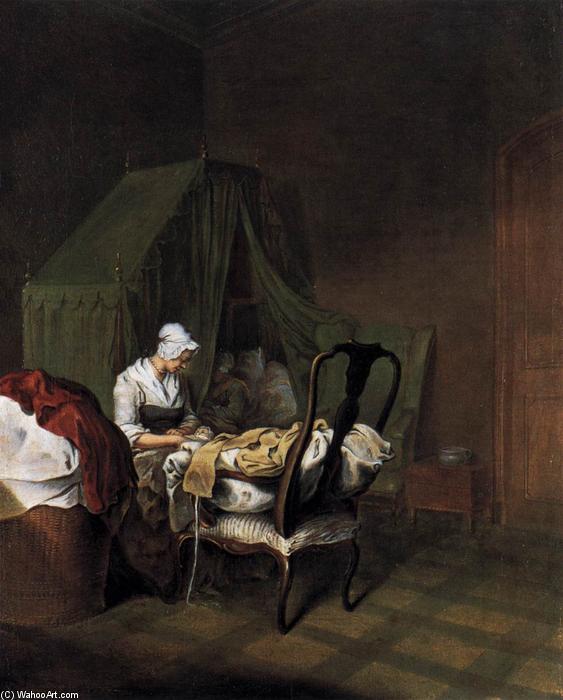
Daniel Nikolaus Chodowiecki's "The Lying-in Room," painted in 1759, isn’t merely a depiction of a scene; it’s a meticulously rendered window into the quiet intimacy and profound realities of 18th-century life. Housed within the Staatliche Museen in Berlin, this oil on canvas offers a remarkably intimate portrait of domesticity—a world often overlooked by grand historical narratives. Chodowiecki, a master of capturing the nuances of bourgeois society through his prints and paintings, here eschews dramatic gesture for a subtle realism that speaks volumes about the roles and experiences of women during that era.
The painting immediately draws the eye to the central figure – a woman seated on a bed, her posture suggesting both diligence and weariness. She’s engaged in sewing, a task ubiquitous in households across Europe at the time, yet Chodowiecki elevates this commonplace activity into something imbued with quiet dignity. The details are astonishing: the precise arrangement of the cushions, the delicate stitching visible on the fabric, even the slight furrow of her brow—all contribute to a sense of palpable presence. The surrounding furniture – a simple chair with a green cushion and a small table holding a bowl – further anchors the scene in a believable, lived-in space. The muted color palette, dominated by creams, greens, and browns, creates a warm, almost comforting atmosphere, despite the inherent vulnerability suggested by the subject’s position.
The Significance of the Lying-in Room
The very title, “The Lying-in Room,” is crucial to understanding the painting's context. This wasn’t simply a room; it was a space deeply intertwined with the rhythms of childbirth and the anxieties surrounding motherhood. In 18th-century Europe, particularly in Prussia (where Chodowiecki spent much of his career), women often spent weeks—sometimes months—in this dedicated chamber following delivery, recovering from labor and caring for their newborns. It was a space of both physical healing and emotional vulnerability, a sanctuary where the mother’s well-being took precedence. Chodowiecki's choice to depict this scene – a woman quietly attending to her duties within this intimate setting – offers a rare glimpse into the often-invisible labor and resilience of women during that period.
A Masterclass in Detail and Technique
Chodowiecki’s skill as an artist is evident in every brushstroke. He employs a technique known as “Zopfstil,” characterized by its meticulous detail and realistic rendering of textures – the fabric, the wood grain, even the subtle shadows on the woman's face. The painting isn’t overly dramatic; rather, it relies on a quiet observation of light and shadow to create depth and form. Notice how he uses highlights to draw attention to the woman’s hands as she works, emphasizing her agency within this domestic scene. The composition is carefully balanced, with the bed dominating the background while the woman remains firmly in the foreground, ensuring that she is both a participant and the focal point of the image.
Symbolism and Emotional Resonance
Beyond its realistic depiction of daily life, “The Lying-in Room” carries significant symbolic weight. The room itself represents not just physical recovery but also the transition from womanhood to motherhood—a pivotal moment in a woman’s life. The quiet solitude of the scene speaks to the private nature of this experience, while the simple act of sewing symbolizes both creation and care. There's an underlying sense of dignity and resilience conveyed by the subject – she is not presented as a passive figure but as someone actively engaged in her role within the household. The painting invites us to contemplate the quiet strength and enduring spirit of women who shaped the lives of their families and communities.
Reproductions and Preservation
For those seeking to experience this remarkable artwork firsthand, or to bring its evocative atmosphere into their own homes, high-quality oil painting reproductions are available through platforms like ArtsDot.com. These meticulously crafted copies capture the essence of Chodowiecki’s original while offering a more accessible and affordable option. Preserving works like “The Lying-in Room” is vital not only for art historians but also for future generations, ensuring that we continue to appreciate the rich tapestry of human experience depicted within its frame.
関連作品
アーティストの略歴
ベルリンに響くパリの残響:ダニエル・ニコラウス・コドヴィエツキの生涯
ダニエル・ニコラウス・コドヴィエツキは、ポーランドの遺産とドイツの芸術的生活が交差する地点に立つ、極めて魅力的な人物です。1726年にダンツィヒ(グダンスク)で生まれた彼の幼少期は、その後の繊細な眼差しを形作ることとなる豊かな文化に浸っていました。そのルーツは、代々の商人やユグノーの血筋へと遡りますが、最終的に彼の才能を昇華させる試練の場となったのはベルリンでした。このプロイセンの首都への旅路は、どこか自嘲的な自己認識とともに語られています。それは、ドイツの地に移植された「真のポーランド人」であることを示唆する手紙の中にも見出せる、興味深い細部です。
彼の芸術教育は、16歳でベルリンに移住したことから始まりました。そこで叔父の庇護を受け、重要な指導を受けることとなります。この初期の基礎が才能を開花させ、やがて彼は名高いベルリン芸術アカデミーの認められた会員となり、さらには副学長にまで登り詰めました。その生涯は、職人技への献身と芸術コミュニティへの揺るぎないコミットメントによって彩られた、着実な職業的上昇の軌跡でした。
版画における熟練:ブルジョワジーの魂を捉える
コドヴィエツキの作品は絵画や素描にも及びますが、美術史における彼の地位を不動のものにしたのは、そのエッチング(銅版画)です。彼は単なる画家ではありませんでした。おそらく、同時代のドイツにおいて最も称賛されたグラフィック・アーティストであったと言えるでしょう。数千に及ぶ繊細な版画は、18世紀後半における比類なき視覚的な日記としての役割を果たしています。これらの作品には驚くべき親密さが宿っており、ロココの華やかさと古典主義の台頭する構造との間に位置する過渡的な美学、「ツォップ・シュティール(Zopfstil)」と呼ばれる時代における、新興ブルジョワジーの日常のリズムや静かなドラマを垣間見せてくれます。
彼のブック・イラストレーションは特に注目に値し、ほぼすべての偉大な文学的古典を網羅しています。これらの緻密な描写を通じて、コドヴィエツキは単なる場面だけでなく、時代全体の感性までも捉えるという驚異的な能力を実現しました。彼の芸術は、当時の世に浸透していた感性の崇拝(sensibility cult)を雄弁に物語っており、細部への徹底した観察眼と深い感情的な共鳴を見事に融合させているのです。
歴史的意義と芸術的遺産
コドヴィエツキの重要性は、単なる技術的な習熟を超えたところにあります。彼は、深い変革の中にあった時代の記録者なのです。彼の版画は、描かれた社会の背骨そのものである中産階級の生活に、極めて貴重な光を投げかけています。それらは、もし存在しなければ時の流れの中に失われていたであろう、当時のマナーやファッション、そして家庭生活の記録なのです。
1797年にベルリン芸術アカデミーの学長となったことで、彼は制度的な柱としての役割を確固たるものにしました。したがって、彼の作品は、ドイツの芸術的パトロネージュの中に響くポーランドのアイデンティティという「個人の歴史」と、ヨーロッパを席巻していた「文化的な潮流」との合流点を体現しています。コドヴィエツキを研究することは、エッチングの針が刻む精密さによって描き出された、私的な生活と公的な芸術との間の繊細な均衡を学ぶことでもあるのです。
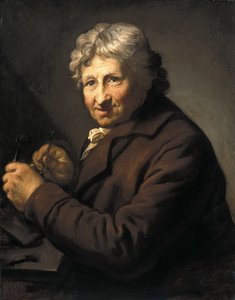
ダニエル・ニコラウス・コドヴィエツキ
1726 - 1801 , ポーランド
基本情報
- Artistic Movement Or Style: ツォップ・シュティール (Zopfstil)
- Date Of Birth: 1726年
- Date Of Death: 1801年
- Full Name: ダニエル・ニコラウス・ホドフスキ
- Nationality: ポーランド系ドイツ人
- Notable Artworks:
- エッチング
- 挿絵
- Place Of Birth: ポーランド、ダンツィヒ
関連記事
写真プリントによるカスタムデジタル絵画:オリジナル作品の情感と耐久性を超える表現力
オリジナル作品の情感を損なわずに、高解像度で耐久性に優れたカスタムデジタル絵画を制作します。プロのアーティストによる手作業仕上げ。ArtsDot.comで、特別なアート体験を。
油彩、キャンバス、紙による芸術的再現:技法と鑑賞の深淵を探る
油彩、キャンバス、紙を用いた芸術的再現の技法を深く探求。古典絵画の材料研究からオールドマスターの視点まで、ArtsDotが美術史と実践的な知識を提供します。高品質な手描き複製やカスタムポートレートも承ります。
From Initial Sketch to Enduring Legacy: A Comprehensive Exploration of the Oil Painting Reproduction Process
Discover the art of museum-quality oil painting reproduction. Explore our expert process, skilled artists & authentic replicas. Elevate your home with timeless beauty – handcrafted and customized to your vision.
NFTコレクター向け:デジタル画像を手描きオイルレプリカに変換し、ミュージアム品質で収益と価値を最大化
ArtsDotは、デジタル画像をミュージアム品質の手描きオイルレプリカへ変換する専門家です。高い技術と厳格な品質管理で、NFTコレクターに信頼できる投資価値を提供します。
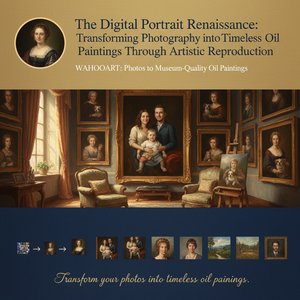
The Digital Portrait Renaissance: Transforming Personal Photography into Timeless Oil Paintings Through Artistic Reproduction
Transform your cherished photos into timeless oil paintings with ArtsDot's expert artists. Museum-quality reproductions & custom portraits, crafted to last a lifetime. Discover the art of personal legacy.

