

 プレビュー
プレビュー
 シェアする
シェアする シェアする
シェアする
 詳細を見る
詳細を見る

 ダウンロード
 似ている作品
 X線調査
X線調査 スライドショー
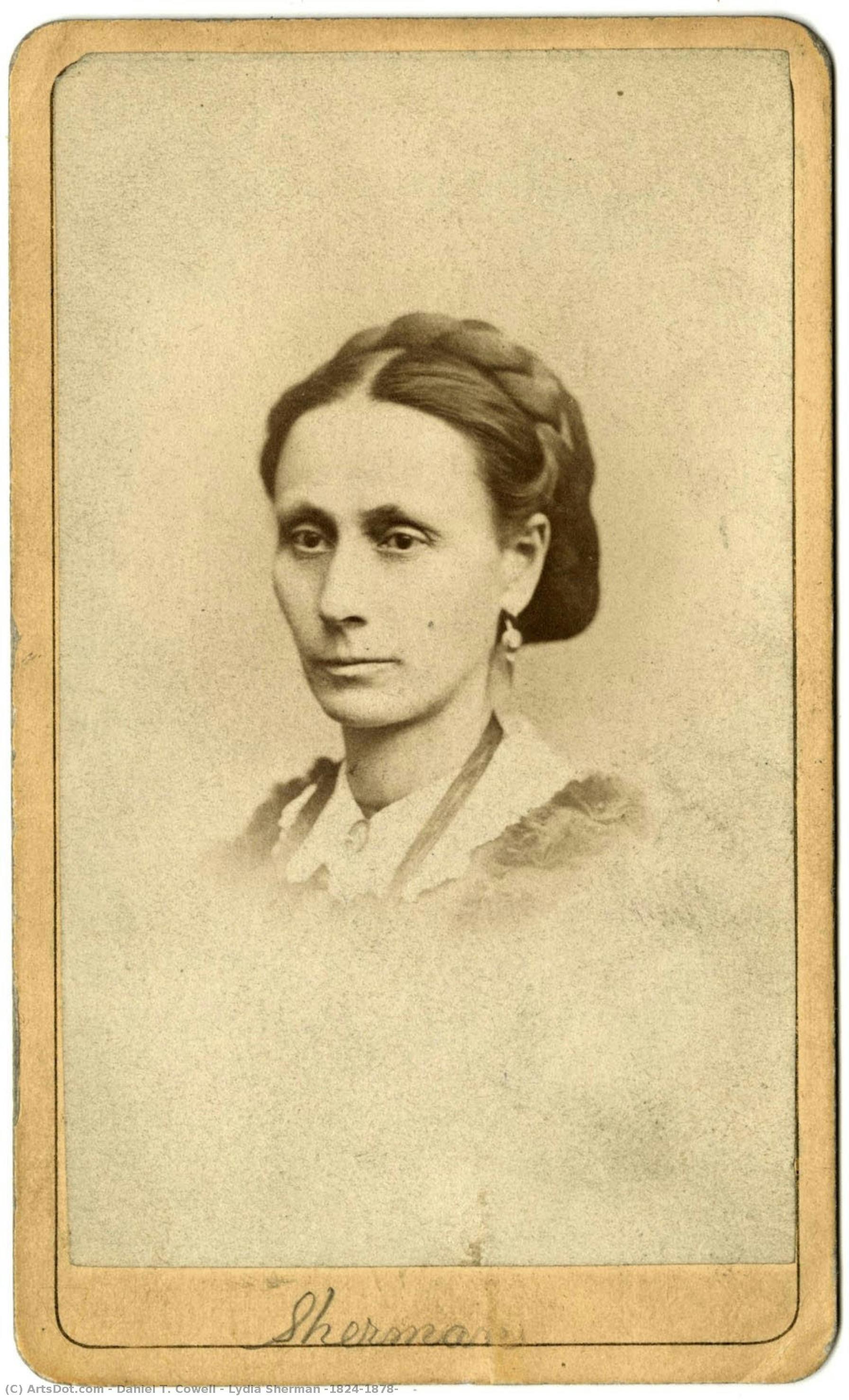
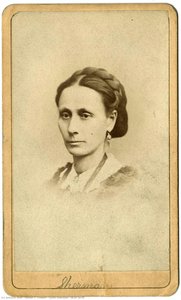
Lydia Sherman (1824-1878)

 詳細を見る
詳細を見る
ジークレー/アートプリント
迅速な制作と多彩な仕上げオプションを備えた、ミュージアムクオリティのジークレーまたはキャンバスプリント。 ( 手描きの絵画を購入 画像を購入)




































作品のオリジナル比率に合わせた、当店の規定サイズからお選びください。

特定のフレームやスペースに合わせて、ご自身でサイズを指定することも可能です。選択されたサイズが元の画像の比率と一致しない場合、作品をトリミングするか、鏡面反射または単色での塗りつぶしによって画像を拡張いたします。制作を開始する前に、ご確認用のデジタルモックアップをお送りいたします。
画面上のプレビューには、実際のトリミングや拡張は反映されませんのでご注意ください。最終的な構図を正確に確認できるのは、モックアップのみとなります。
カスタムサイズも承っておりますが、元の比率を維持するためには、あらかじめ用意されたリストからサイズを選択することをお勧めいたします。


 ガラスオプションは、110cm未満のサイズでのみご利用いただけます。

Lydia Sherman (1824-1878)
ジークレー/アートプリント
複製画のサイズ
-


合計金額
$ 62
関連作品
アーティストの略歴
The Lens of History: The Life and Legacy of Daniel T. Cowell
In the flickering shadows of the nineteenth century, few figures captured the soul of a fracturing nation as intimately as Daniel T. Cowell. Born in Philadelphia in 1831, Cowell emerged not merely as a technician of light, but as a visual chronicler of an era defined by profound transformation and turbulent conflict. His artistic journey began under the tutelage of George Daniell, a master of the Richmond-based photographic scene. Through this apprenticeship, Cowell mastered the delicate art of carte-de-visite photography—those small, cherished portraits that allowed the faces of history to travel across continents. This early training instilled in him a meticulous devotion to accuracy and a profound understanding of how a single, well-composed image could serve as both a personal keepsake and a powerful political statement.
As his career matured, Cowell’s lens moved beyond the studio walls to capture the very essence of the American landscape and its people. His work was deeply influenced by the atmospheric tension of Richmond, Virginia, a city that served as the beating heart of the Confederacy. In these landscapes, one finds more than mere scenery; there is a subtle, haunting symbolism woven into the light and shadow, reflecting the collective anxieties and soaring aspirations of a society on the brink of upheaval. Cowell possessed a rare ability to imbue his photographic compositions with a sense of narrative weight, turning a simple view of the Virginia countryside into a poignant meditation on the era's shifting cultural tides.
The Partnership of Minnis & Cowell and the Faces of War
The year 1863 marked a pivotal chapter in Cowell’s professional life when he entered into a partnership with George W. Minnis. Operating as Minnis & Cowelle, the duo established a studio that would become legendary for its role in documenting the leadership of the Confederate States. While many of their contemporaries focused on the visceral carnage of the battlefield, Cowell and Minnis sought to capture the human element behind the command. They specialized in the portraiture of high-ranking officials, creating an enduring visual record of the men who shaped the course of the Civil War.
Perhaps the most significant achievement of this partnership was their iconic portrait of General Robert E. Lee. This particular image remains a cornerstone of American photographic history, noted for its unique intimacy; it is famously recognized as the only known photograph of Lee wearing his uniform frock coat buttoned all the way to the chin. Such a detail, captured through Cowell’s discerning eye, offers a glimpse into the carefully constructed persona of discipline and formality that Lee projected to the world. Through these portraits, Cowell did more than record likenesses; he helped construct the very legends that would persist in the American consciousness long after the smoke of battle had cleared.
A Lasting Impression on American Photography
Beyond the heavy atmosphere of the Civil War, Cowell’s career was characterized by a remarkable geographic and artistic breadth. His movements through cities such as Baltimore, New Haven, and Richmond demonstrate a professional versatility that allowed him to adapt his technique to various regional aesthetics. Whether he was documenting the burgeoning glamour of early American portraiture or capturing the somber reality of wartime leadership, his commitment to the craft remained unwavering. His work bridged the gap between the early daguerreotype era and the more widespread use of photographic prints, helping to democratize the image in an age before mass media.
Today, the historical significance of Daniel T. Cowell is preserved in prestigious institutions, ensuring that his contribution to the American visual narrative is never forgotten. His legacy lives on through:
- Historical Documentation: Providing an irreplaceable visual archive of Confederate leadership and the social fabric of the mid-19th century.
- Technical Mastery: Advancing the popularity and artistic standard of the carte-de-visite format in both America and Europe.
- Artistic Influence: Inspiring future generations of photographers through his ability to blend technical precision with emotional depth and symbolic storytelling.
As we look back upon the work of Cowell, we see more than just old photographs; we see a window into a world of profound change, captured by a man who understood that the camera could be as much a tool for memory as it was a tool for art.
daniel t. cowell
1831 - 1890 , United States
基本情報
- Artistic Movement Or Style: Photography
- Artists Or Movements Influenced By This Artist: ['Carte-de-visite photography']
- Date Of Birth: USA, 1831
- Date Of Death: 1890
- Full Name: Daniel T. Cowell
- Nationality: American
- Notable Artworks:
- Acrobat Rider on Four Horses
- George W. Minnis and Daniel T. Cowell
- Place Of Birth: United States

