 シェアする
シェアする シェアする
シェアする
 詳細を見る
詳細を見る

 ダウンロード
 似ている作品
 スライドショー
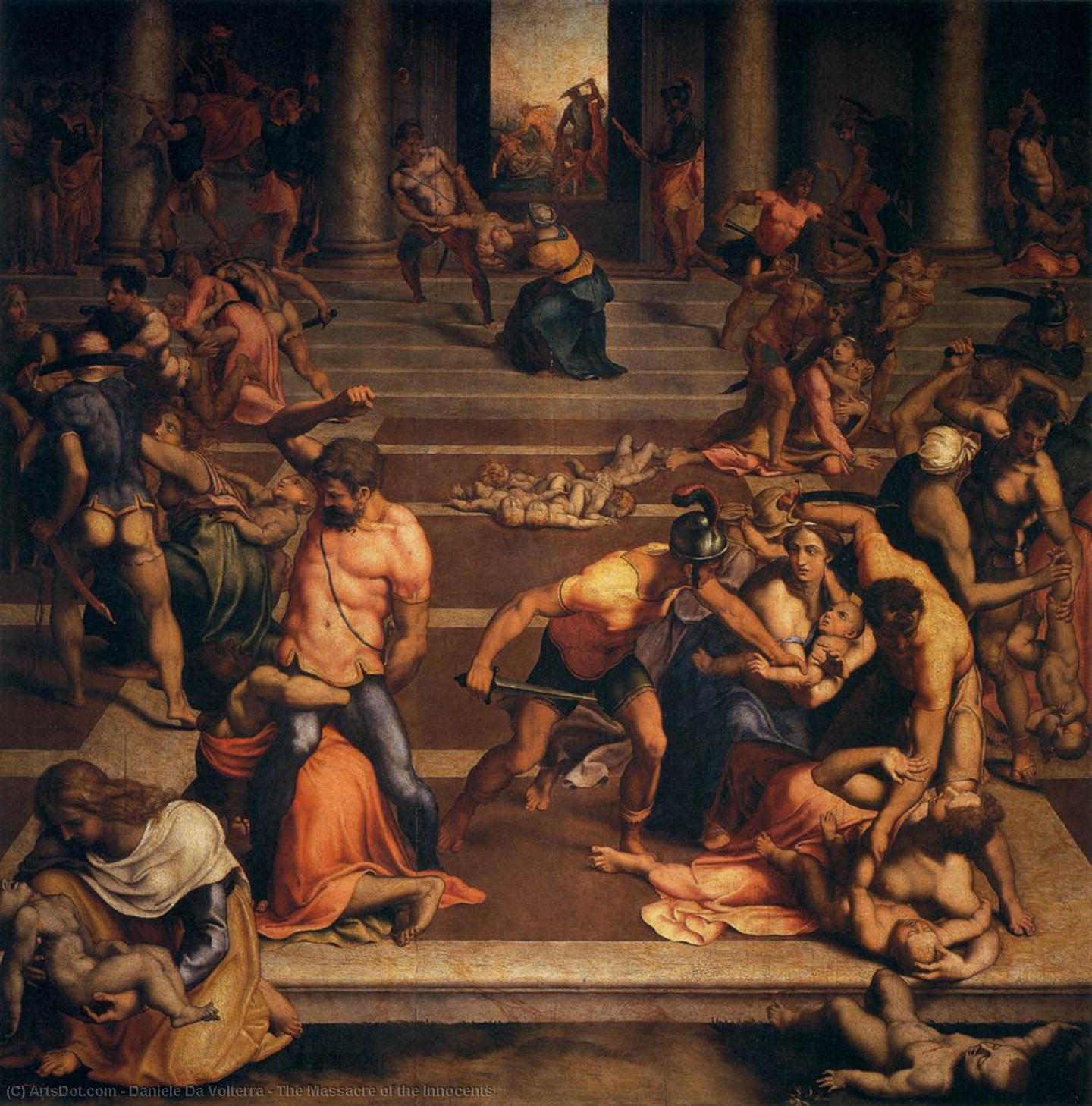
The Massacre of the Innocents
 Terracotta
- Sculpture
- Baroque Drama
 1557
1557- Renaissance
 51.0 x 42.0 cm
 ウフィツィ美術館
 詳細を見る
詳細を見る
ジークレー/アートプリント
迅速な制作と多彩な仕上げオプションを備えた、ミュージアムクオリティのジークレーまたはキャンバスプリント。 ( 手描きの絵画を購入 画像を購入)




































作品のオリジナル比率に合わせた、当店の規定サイズからお選びください。

特定のフレームやスペースに合わせて、ご自身でサイズを指定することも可能です。選択されたサイズが元の画像の比率と一致しない場合、作品をトリミングするか、鏡面反射または単色での塗りつぶしによって画像を拡張いたします。制作を開始する前に、ご確認用のデジタルモックアップをお送りいたします。
画面上のプレビューには、実際のトリミングや拡張は反映されませんのでご注意ください。最終的な構図を正確に確認できるのは、モックアップのみとなります。
カスタムサイズも承っておりますが、元の比率を維持するためには、あらかじめ用意されたリストからサイズを選択することをお勧めいたします。


 ガラスオプションは、110cm未満のサイズでのみご利用いただけます。

The Massacre of the Innocents
ジークレー/アートプリント
複製画のサイズ
-


合計金額
$ 62
作品詳細説明
A Tragedy in Terracotta: The Visceral Drama of Daniele da Volterra
In the quiet intensity of 16th-century Mannerism, few works capture the raw, unbridled chaos of human tragedy as poignantly as Daniele da Volterra’s The Massacre of the Innocents. This profound piece, executed in 1557, serves as a harrowing window into a biblical moment of profound sorrow and political desperation. The scene depicts the chilling decree of King Herod, who sought to extinguish the light of the future by ordering the execution of all male infants in Bethlehem. Through his masterful command of form, Daniele does not merely document a historical or religious event; he invites the viewer into a swirling vortex of grief, where the air feels heavy with the cries of mothers and the cold steel of soldiers' blades.
The composition is a masterclass in Mannerist dynamism. Rather than a static tableau, the work presents a frantic, overlapping arrangement of figures that pulls the eye through a landscape of violence and despair. At the heart of this tumult, we find the devastating contrast between the vulnerability of the innocent and the brutal strength of the aggressors. The presence of shields, swords, and the imposing architectural pillars in the background creates a sense of enclosure, as if the very world is closing in on the victims. For the discerning collector or interior designer, this piece offers a profound focal point—a work that demands attention through its sheer emotional gravity and complex narrative layers.
The Sculptural Soul of Painting
What distinguishes this work is Daniele da Volterra’s extraordinary ability to bridge the gap between painting and sculpture. Though often celebrated for his role in the Sistine Chapel, Daniele possessed a unique talent for terracotta modeling that breathes life into his two-dimensional surfaces. In this depiction, one can sense the meticulous process of layering clay and building anatomical precision, a technique that lends an almost tactile quality to the figures. The musculature of the soldiers and the soft, tragic limpness of the fallen children are rendered with such anatomical accuracy that the medium itself seems to pulse with life.
<This sculptural approach creates a sense of depth and relief that is rare in traditional oil or fresco works. The shadows fall heavily across the faces of the grieving, creating a chiaroscuro effect that heightens the theatricality of the scene. For those looking to adorn a space with art that possesses physical presence and structural weight, a high-quality reproduction of this piece provides an unparalleled sense of luxury and historical depth. It is not merely a decoration; it is a sculptural experience captured on a plane, offering a sophisticated interplay of light and shadow that can transform the atmosphere of any curated gallery or grand living space.
A Legacy of Devotion and Controversy
To understand the soul of this artwork, one must understand the man behind the brush. Daniele da Volterra lived a life defined by his proximity to greatness and the shadows of controversy. As a protégé of Michelangelo, he inherited a fascination with the human form, yet he carved out a legacy that was uniquely his own. His work reflects the religious anxieties of the Reformation era—a time when the sanctity of the Holy Family was under intense scrutiny and theological debate. The commission from Cardinal Alessandro Farnese II underscores the piece's connection to the Papacy’s devotion to Saint Joseph, adding a layer of sacred protection to an otherwise terrifying subject.
Owning or displaying a reproduction of The Massacre of the Innocents is an act of engaging with art history's most transformative era. It allows the modern observer to contemplate the eternal struggle between tyranny and innocence, and the enduring power of artistic expression to find beauty within the most harrowing of human experiences. Whether placed in a study filled with classical literature or as a bold statement in a contemporary hall, this work remains an evocative testament to the resilience of the human spirit and the timeless mastery of the Italian Renaissance.
関連作品
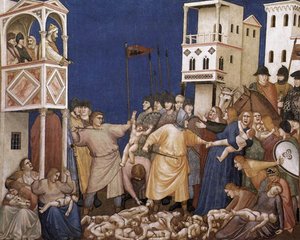
![Scrovegni - [21] - Massacre Of The Innocents — ジョット, Early Renaissance](/media/artworks/images-thumb/ea/55/ea5566129cf7d5fad954b77d00a1f0ab.jpg)
アーティストの略歴
ダニエーレ・ダ・ヴォルテッラ:秘密と変容を刻む彫刻家
1509年頃、古代エトルリアの街ヴォルテッラに生まれたダニエーレ・リッチャレッリは、やがて「ダニエーレ・ダ・ヴォルテッラ」の名で知られるようになりました。その名は、芸術的な輝きと論争の両方に分かちがたく結びついています。彼の生涯は、情熱的な創造性と宗教的感性が揺れ動いたルネサンス期のイタリアを背景に展開されました。当初はイル・ソドマやバルダッサーレ・ペルッツィといったシエナの巨匠たちに師事していましたが、ローマへの旅が彼の運命を劇的に変えることとなります。そこで彼はミケランジェロの引力に引き寄せられました。この師弟関係は、彼の芸術的発展を深く形作り、最終的に彼のレガシーを決定づけるものとなったのです。ダニエーレは単なる画家や彫刻家にとどまりませんでした。彼は適応の達人であり、権力を持つパトロンたちの要求に応えながら、同時に芸術界の既成概念に挑み続けた熟練した職人でもあったのです。
ダニエーレの若き日々は、知識と経験に対する飽くなき探求心によって彩られていました。ペリーノ・デル・ヴァガのもとで技を磨き、ローマの権威ある宮殿に描かれた豪華なフレスコ画にその手腕を振るいました。しかし、彼の人生を決定的に変容させたのは、ミケランジェロとの出会いでした。ミケランジェロの圧倒的な天才性は、ダニエーレの中に師を模倣し、さらには超えたいという渇望を燃え上がらせました。この野心は、たゆまぬ研鑽として現れただけでなく、ミケランジェロの構想に直接介入しようとする姿勢としても表れました。この行為は後に大きな論争を巻き起こし、彼に「イル・ブラゲトーネ(ズボン屋)」という、決して称賛とは言い難いあだ名を与えることになったのです。
「最後の審判」の影
美術史におけるダニエーレの最も悪名高い貢献は、システィーナ礼拝堂の『最後の審判』の中に刻まれています。トレント公会議が宗教芸術における裸体表現を非難した直後の1565年、教皇パウルス3世の命を受けたダニエーレは、キリストや弟子たちの露出した身体を隠すという任務を課せられました。当時の一般的な手法であった単なる布による被覆ではなく、ダニエーレは驚くほど大胆な戦略を採用しました。彼は、人物の性器や臀部を、重厚な衣類や葉っぱの形をしたイチジクの葉で細密に覆い尽くしたのです。この介入は、教会の保守的な感性を鎮めることを目的としていたものの、結果としてフレスコ画に深く不穏な効果をもたらし、作品を奇妙で当惑させるような光景へと変貌させてしまいました。
ダニエーレの作品をめぐる論争は、単なる美学的な懸念に留まりませんでした。彼はミケランジェロのオリジナルの構想を意図的に改ざんしたと非難され、その罪状は異端や冒涜という言葉にまで発展しました。この事件により、彼はパトロンの獲得と名声のためにルールを曲げることを厭わない、論争を呼ぶ芸術家としての地位を固めてしまいました。しかし、ダニエーレの行動は単なる芸術的な思惑だけによるものではなかったとも考えられています。彼は、極めて型破りな手段を用いることで、トレント公会議が課した厳格な道徳的制約に対して、密かな批判を試みていたのかもしれません。
影を彫る:フレスコ画の向こう側へ
『最後の審判』における仕事がダニエーレの最も広く議論される功績であることは間違いありませんが、それは彼の芸術的成果のほんの一部に過ぎません。彼は彫刻家としても同等の才能を発揮し、技術的な熟練度と人体解剖学への鋭い理解を示す作品を数多く残しました。ウィーンのベルヴェデーレ宮殿に収蔵されている『クレオパトラ』像は、優雅さと力強さを捉える彼の能力の証です。比較的後年の制作(1540年〜1模1545年頃)であることを考えれば、これは驚くべき偉業と言えます。この作品は大理石を見事に操り、女王の威厳ある佇まいを、繊細なディテールと抑制された官能性とともに描き出しています。
ダニエーレの彫刻への挑戦は、単一の人物像に留まりませんでした。彼はフランス国王アンリ2世のために壮大なブロンズ製の騎馬像を制作する依頼を受けましたが、このプロジェクトは結局完成には至りませんでした。馬そのものに対する彼の緻密な仕事――それは後にロワイヤル広場のルイ13世像の基礎となりました――にもかかわらず、フランス革命の混乱の中で作品全体が解体され、ダニエーレの野心の多くは歴史の彼方へと消え去ってしまったのです。
革新と論争の遺産
ダニエーレ・ダ・ヴォルテッラのキャリアは、芸術的な輝き、政治的な駆け引き、そして深い論争という糸で織りなされた複雑なタペストリーです。彼は、宗教的教義の制約の中で活動しながらも、同時に自らの創造的なビジョンを主張しようと努めた、時代が生んだ芸術家でした。既成概念に挑む姿勢は、その卓越した技術や人体への感受性と相まって、マニエリスム運動における重要な人物としての地位を確立させました。彼を取り巻いた論争にもかかわらず、ダニエーレの作品は今なお人々を魅了し、議論を呼び起こし続けています。それは、16世紀イタリアの芸術的・宗教的な風景を覗き見るための、唯一無二の窓となっているのです。
彼の弟子には画家ミケーレ・アルベルティが含まれます。
シビラ(1540年〜1545年頃);エルミタージュ美術館、サンクトペテルブルク
十字架降架(1545年頃)、2004年の修復前;トリニタ・デイ・モンティ、ローマ
十字架降架(細部、修復前)
十字架降架(細部、修復後)
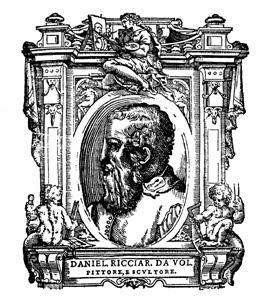
ダニエーレ・ダ・ヴォルテッラ
1509 - 1566 , イタリア
基本情報
- Artistic Movement Or Style: マニエリスム
- Artists Or Movements Influenced By This Artist:
- ラファエロ
- ミケランジェロ
- Artists Who Influenced This Artist:
- ミケランジェロ
- イル・ソドマ
- バルダッサーレ・ペルッツィ
- Date Of Birth: 1509年頃
- Date Of Death: 1566年
- Full Name: ダニエレ・リチャレッリ
- Nationality: イタリア
- Notable Artworks:
- 聖人虐殺
- ダビデとゴリアテ
- 十字架降架
- クレオパトラ
- Place Of Birth: イタリア、ヴォルテッラ
関連記事
ミケランジェロ傑作25選:美術史を彩る巨匠の魂と革新 - ArtsDot
ミケランジェロの傑作25選。ルネサンスを代表する芸術家の魂が宿る絵画、彫刻の世界へ。ダビデ像やピエタなど、美術史に残る名作の物語と技法を紐解きます。ArtsDotで高品質な複製画とインテリアアートを見つけましょう。
Michelangelo Buonarroti: A Renaissance Titan – Life, Works & Enduring Legacy
Explore the life, works & enduring legacy of Michelangelo Buonarroti, a Renaissance titan. Discover his iconic sculptures, frescoes, and architectural achievements. Expert art consultation & high-quality reproductions at ArtsDot.
Thomas Daniell: Navigating Light, Landscape & Cultural Exchange in Early 19th-Century India
Explore the captivating landscapes of Thomas Daniell, a pioneering artist who documented India's beauty in the 19th century. Discover his 'Oriental Scenery,' aquatint technique & lasting legacy. Hand-painted reproductions available at ArtsDot.

ウフィツィ美術館の至宝25選:ルネサンス巨匠たちの傑作とアートデコレーション
ウフィツィ美術館の至宝25選:ボッティチェリ、レオナルド・ダ・ヴィンチ…ルネサンス巨匠たちの傑作と感動的な物語を紐解きます。高品質な絵画複製やアートプリントで、お部屋に名画の輝きを。ArtsDot.comで芸術の世界へ。
Panoramic Visions of Empire: The Daniells’ Artistic Collaboration & Legacy
Explore the captivating 'Oriental Scenery' by Thomas & William Daniell. Discover their pioneering aquatint prints of India, imperial context, artistic collaboration, and lasting legacy. A deep dive for history lovers.