 プレビュー
プレビュー
 プリントを購入
 シェアする
シェアする シェアする
シェアする
 詳細を見る
詳細を見る

 ダウンロード
 似ている作品
 X線調査
X線調査 スライドショー
Portrait of Elizabeth Siddal
 Oil On Canvas
- WallArt
- Romanticism
 1865
1865- 19th Century
 24.0 x 33.0 cm
 詳細を見る
詳細を見る




P118B $10

P118H $10

P118W $10

P438Z $10

P508JH $12

P508YH $12

P805H $10

P805Z $10

P919BZ $10

P919G $10

P919XJ $10

P959ZH $10

P968JZ $12

W106C $8

W218G $10

W218JH $8

W218Y $10

W307PJ $10

W316G $10

W316PJ $8

W316Y $10

W398PJ $8

W4111J $10

W500HY $15

W500JH $15

W692G $12

W849H $8

W940BG $15

W953PJ $8




作品のオリジナル比率に合わせた、当店の規定サイズからお選びください。

特定のフレームやスペースに合わせて、ご希望のサイズをご入力いただけます。選択されたサイズが元の画像の比率と異なる場合、アートワークをトリミングするか、手描きで要素を追加して絵画を拡張いたします。デジタルモックアップ を制作し、制作開始前にご確認(承認)をいただきます。
画面上のプレビューは、実際のトリミングや拡張を正確に反映しているものではありません。最終的な構図は、モックアップによってのみ正確にご確認いただけます。
カスタムサイズもご利用いただけますが、元の比率を維持するためには、あらかじめ用意されたリストからサイズを選択することをお勧めいたします。
ご注文後、ArtsDot.com チームより詳細な指示をお送りするとともに、仕上がりイメージ(モックアップ)をご提供いたします。


 ガラスオプションは、110cm未満のサイズでのみご利用いただけます。

Portrait of Elizabeth Siddal
複製技法
複製画のサイズ
-


合計金額
$ 263
作品解説
Portrait of Elizabeth Siddal: A Study in Romantic Melancholy
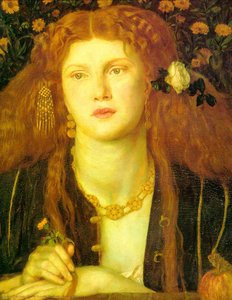
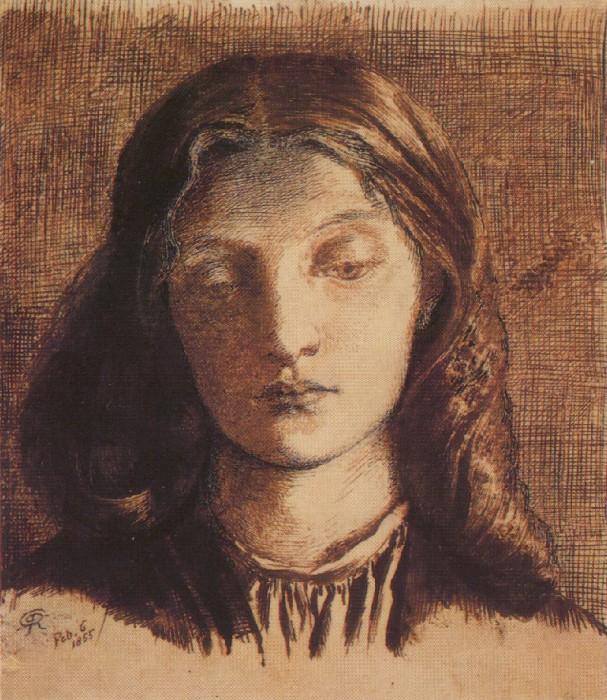
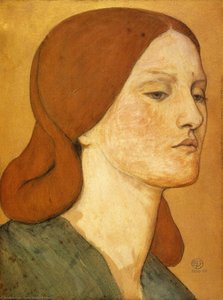
Dante Gabriel Rossetti’s “Portrait of Elizabeth Siddal,” completed in 1865, stands as a quintessential emblem of the Pre-Raphaelite movement—a defiant rejection of academic conventions and an ardent embrace of artistic idealism. More than just a likeness of the celebrated muse, Siddal herself, this painting delves into profound psychological depths, capturing a moment of contemplative sorrow that resonates powerfully with viewers even today.
The artwork depicts Siddal seated in a dimly lit interior, her gaze directed downwards, suggesting introspection and perhaps a quiet sadness. Rossetti’s masterful use of muted earthy tones—browns, ochres, and greys—creates an atmosphere of aged elegance and imbues the scene with a palpable sense of melancholy. These colors aren't merely decorative; they mirror the emotional landscape of Siddal’s inner life, reflecting the pervasive influence of Romantic sensibilities.
- Style: Romanticism – Rossetti championed an aesthetic rooted in emotion and imagination, prioritizing beauty over strict realism.
- Technique: Oil paint on canvas—Rossetti employed a glazing technique, layering thin translucent washes of color to achieve luminous effects and subtle tonal variations. This meticulous approach is evident in the delicate rendering of Siddal’s hair and skin tones.
- Historical Context: Created during Victorian England, “Portrait of Elizabeth Siddal” reflects the anxieties and aspirations of a society grappling with rapid industrialization while simultaneously yearning for spiritual solace. The Pre-Raphaelites sought inspiration from medieval art and literature, rejecting the idealized forms favored by their predecessors.
Symbolism Within Sorrow
Beyond its formal qualities, “Portrait of Elizabeth Siddal” is laden with symbolic significance. Siddal herself was a celebrated poet and artist—a woman ahead of her time who bravely pursued creative endeavors despite societal constraints. Her downward gaze symbolizes not merely contemplation but also vulnerability – an acknowledgment of the burdens inherent in artistic expression and the complexities of human emotion.
The necklace adorning Siddal’s neck represents constancy and devotion, mirroring themes prevalent in Arthurian legend—a connection Rossetti deliberately exploited to infuse his work with mythological grandeur. The subdued lighting contributes to the painting's emotional impact, emphasizing the stillness and quietude of the moment and amplifying Siddal’s melancholic expression.
Rossetti’s Pre-Raphaelite Vision
Dante Gabriel Rossetti’s artistic vision extended far beyond mere representation; he aimed to evoke feeling and inspire contemplation. Like many Pre-Raphaelites, he meticulously researched historical sources—particularly medieval illuminated manuscripts—to inform his compositions and color palettes. His unwavering commitment to artistic purity—a rejection of academic conventions in favor of direct observation and emotional honesty—established him as a pivotal figure in British art history.
"Portrait of Elizabeth Siddal" exemplifies Rossetti’s profound understanding of the human psyche and his ability to translate complex emotions into visual form. It remains a testament to the enduring power of Romantic idealism and continues to captivate audiences with its haunting beauty and poignant introspection.
関連作品


アーティストの略歴
ダンテ・ガブリエル・ロセッティ:美と象徴の探求者
1828年、ロンドンのチャールズ・ストリート38番地で生まれたダンテ・ガブリエル・ロセッティは、ヴィクトリア朝時代の芸術界に革命をもたらした詩人、イラストレーター、そして画家でした。イタリアからの亡命者である父ガブリエーレ・ロセッティと、母フランセス・ポリドリー・ロセッティの間に生まれ、幼い頃から文学と芸術への深い愛情を育みました。父はダンテ・アリギエーリの研究者であり、母は家庭教師としての訓練を受けていました。この背景が、彼の人生を芸術的な探求へと導く礎となったのです。
ロセッティの芸術的才能は早くから開花し、初期には文学作品の挿絵を描いていましたが、やがて画家としての道を歩み始めます。彼は王立美術アカデミーで学びながら、ウィリアム・ホルメン・ハントやジョン・エヴァレット・ミレイズと共にプレ・ラファエル派兄弟団を結成しました。この運動は、アカデミックな絵画の形式主義に対する反逆であり、ルネサンス以前のイタリアやフランドルの芸術における詳細な観察、鮮やかな色彩、そして精神的な強さを追求することを目的としていました。「少女のマリア」などの初期作品に見られるように、ロセッティは写実的な描写と象徴的なイメージを巧みに融合させました。彼の絵画は単なる再現ではなく、詩的な物語を語るものであり、その文学的素養がプレ・ラファエル派の芸術に深みを与えました。
象徴主義への深化:女性像と感情の表現
ロセッティの芸術的進化は、象徴主義へと向かうにつれて顕著になります。初期のプレ・ラファエル派の写実的なスタイルから、より夢幻的で感情豊かなイメージへと移行し、愛、喪失、そして精神的な憧憬といったテーマを深く探求しました。この変化には、エリザベス・シッダル、ファニー・コーンフォース、ジェーン・モリスといったモデルとの複雑な人間関係が影響を与えました。これらの女性は単なる被写体ではなく、ロセッティにとって理想的な美の象徴であり、彼の作品に独特のエロティシズムと神秘性を付与しました。「プロセルピーナ」に見られるように、豊かな色彩、劇的な光の使い方、そしてモデルの表情は、見る者を魅了する幻想的な雰囲気を醸し出しています。彼は詩と絵画を融合させ、作品に添えるソネットを通して、視覚芸術と文学を結びつけました。
影響と遺産:美への探求の継承
ロセッティの影響は、彼の死後も芸術界に深く浸透し続けています。ジョン・キーツやウィリアム・ブレイクといった詩人からインスピレーションを受けながら、彼はまた、後の世代のアーティストや作家たちに多大な影響を与えました。エステティック運動や象徴主義といった芸術運動の発展に重要な役割を果たし、ウィリアム・モリスやエドワード・バーン=ジョーンズなどの芸術家たちは、彼の美学的な原則を取り入れました。ロセッティの象徴主義と感情表現への重点は、人間の深層心理を探求する芸術の道を開き、現代美術にもその影響を見ることができます。
文化における意義:ヴィクトリア朝時代の精神
ロセッティは単なる芸術家ではなく、当時の社会規範に挑戦した文化的な先駆者でした。彼の象徴主義、感情表現、そして個人のビジョンへの重視は、既存の芸術的慣習からの脱却を促し、新たな表現形式を生み出しました。彼の作品は、急速な社会変化、科学技術の進歩、そして精神的な不安が渦巻くヴィクトリア朝時代の文化的・知的潮流を反映しており、その時代の人々の複雑な感情世界への窓を開きます。ロセッティの芸術は、愛、喪失、美、そして霊性といった普遍的なテーマに触れ、今日においても多くの人々に感動を与え続けています。
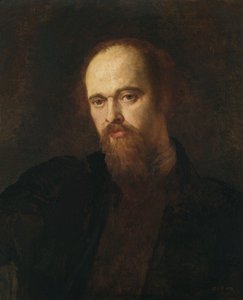
ダンテ・ガブリエル・ロセッティ
1828 - 1882 , イギリス
基本情報
- フルネーム: ダンテ・ガブリエル・ロセッティ
- 主な作品:
- プロセルピーヌ
- 王レネの婚約
- ハウス・オブ・ライフ
- 出生地: ロンドン(イギリス)
- 国籍: イギリス
- 影響を与えたアーティストまたは運動:
- エステティック運動
- 象徴主義
- 影響を受けたアーティスト:
- ジョン・キーツ
- ウィリアム・ブレイク
- 死亡年月日: 1882年4月9日
- 生年月日: 1828年5月12日
- 芸術運動またはスタイル: 前ラファエロ派、象徴主義
関連記事
ダンテ・ガブリエル・ロセッティ傑作25選:美と象徴が織りなす芸術の世界 | ArtsDot
ダンテ・ガブリエル・ロセッティの傑作25選。プレラファエライトの象徴主義、美しい女性画の世界へ。油絵やアートプリントで、リビングや寝室を彩るインテリアアートを見つけましょう。ArtsDot.comで名画コレクションを探索。

Arthur Hughes: Pre-Raphaelite Visions of Beauty & Melancholy
Explore the captivating world of Arthur Hughes (1832-1915), a leading Pre-Raphaelite painter. Discover his dreamy landscapes, poetic narratives & iconic Victorian artworks. Learn about his life, style & collecting today.

Escape into Beauty: A Curated Guide to the Dreamy World of Pre-Raphaelite Romanticism
Embark on a visual journey through Pre-Raphaelite Romanticism. Discover the vivid details, mythic narratives, and luminous colors of this iconic era, and learn how to bring this timeless, dreamy beauty into your home with museum-quality art reproductions.
Sir John Everett Millais: Pre-Raphaelite Rebellion & Victorian Narrative Detail
Explore the revolutionary art of Sir John Everett Millais & the Pre-Raphaelite Brotherhood. Discover their radical realism, symbolic narratives, and lasting impact on Victorian aesthetics. A deep dive into 19th-century masterpieces.

The Pre-Raphaelite Brotherhood: Rebellion, Romance & Medieval Revival
Explore the captivating world of the Pre-Raphaelite Brotherhood! Discover their rebellious spirit, iconic masterpieces & lasting influence on art history. Learn about Rossetti, Millais & more.