

 シェアする
シェアする シェアする
シェアする
 詳細を見る
詳細を見る

 ダウンロード
 似ている作品
 スライドショー
 Stats
StatsEseróide


 詳細を見る
詳細を見る
ジークレー/アートプリント
迅速な制作と多彩な仕上げオプションを備えた、ミュージアムクオリティのジークレーまたはキャンバスプリント。 ( 手描きの絵画を購入 Switch to Digital Image)




































作品のオリジナル比率に合わせた、当店の規定サイズからお選びください。

特定のフレームやスペースに合わせて、ご自身でサイズを指定することも可能です。選択されたサイズが元の画像の比率と一致しない場合、作品をトリミングするか、鏡面反射または単色での塗りつぶしによって画像を拡張いたします。制作を開始する前に、ご確認用のデジタルモックアップをお送りいたします。
画面上のプレビューには、実際のトリミングや拡張は反映されませんのでご注意ください。最終的な構図を正確に確認できるのは、モックアップのみとなります。
カスタムサイズも承っておりますが、元の比率を維持するためには、あらかじめ用意されたリストからサイズを選択することをお勧めいたします。


 ガラスオプションは、110cm未満のサイズでのみご利用いただけます。

Eseróide
ジークレー/アートプリント
複製画のサイズ
-


合計金額
$ 62
Darlan Rosa de Oliveira’s ‘Eseróide’: A Honeycomb of Minimalist Form
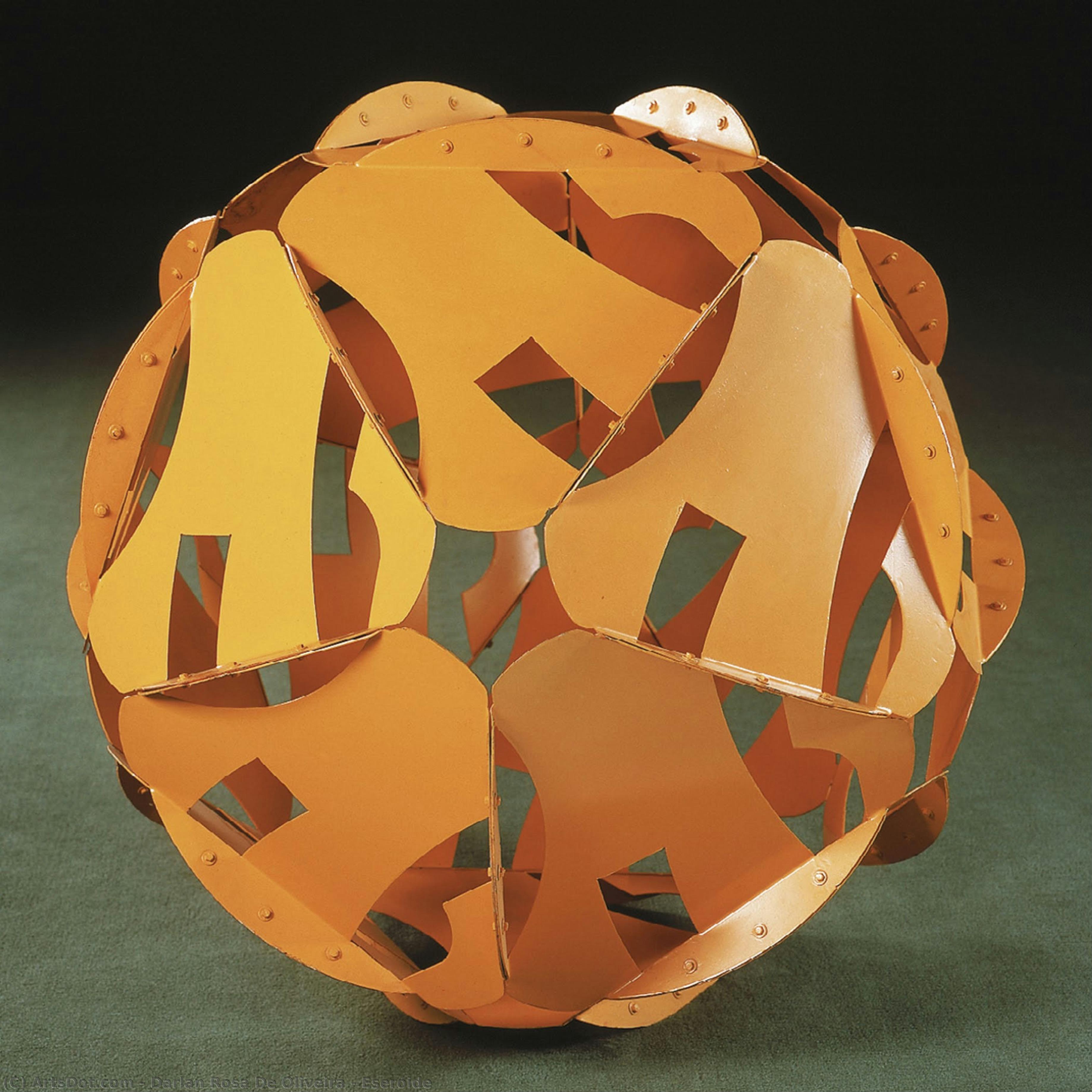
Darlan Rosa de Oliveira's Eseróide, created in 2001, is a deceptively simple yet profoundly evocative sculpture that speaks to the core tenets of minimalist art and the enduring fascination with geometric forms. Constructed primarily from yellow paper or cardboard – materials often associated with fragility and nascent potential – the piece presents itself as a three-dimensional ball, meticulously crafted into a honeycomb structure. The numerous holes puncturing its surface aren’t merely accidental; they are integral to the work's conceptual weight, inviting contemplation on themes of emptiness, connection, and the inherent beauty found within imperfection.
Technique and Materiality: Embracing Simplicity
Oliveira’s technique is characterized by a deliberate restraint. The sculpture’s construction suggests a patient, almost meditative process – layering, cutting, and assembling to achieve its complex form. The choice of yellow as the primary material adds another layer of significance. Yellow frequently symbolizes optimism, enlightenment, and the sun, yet here it's presented in a raw, unvarnished state, highlighting the inherent qualities of the medium itself. The use of cardboard or paper, readily available and inexpensive materials, elevates their transformation into a sophisticated artwork, echoing the Fluxus movement’s embrace of everyday objects as artistic subjects.
Historical Context: Echoes of Happenings and Fluxus
Eseróide resonates deeply with the artistic currents of the 1960s – specifically, the radical experimentation of Happenings and Fluxus. These movements challenged traditional notions of art by blurring the boundaries between performance, object, and audience. Like Fluxus artists who often employed simple materials and conceptual ideas to disrupt established aesthetic norms, Oliveira’s work embodies a spirit of playful deconstruction and re-evaluation. The influence of Laurie Anderson, a pioneer in performance art, is subtly present; her early career focused on rejecting conventional artistic boundaries and exploring new forms of expression – a philosophy that clearly informs Oliveira's approach.
Symbolism and Emotional Impact: A Meditation on Form
The honeycomb structure itself carries significant symbolic weight. Honeycombs represent order, efficiency, and the collective effort required to produce something beautiful. However, in Eseróide, this symbolism is subtly subverted. The holes disrupt the perfect geometric form, suggesting a vulnerability or an openness to external forces. The sculpture invites viewers to consider the relationship between structure and chaos, solidity and emptiness. It’s a piece that demands quiet contemplation, prompting questions about our own perceptions of beauty, order, and the nature of existence – a testament to Oliveira's ability to distill complex ideas into a remarkably simple yet profoundly moving form.
関連作品


アーティストの略歴
The Emergence of a Minimalist Vision: Laurie Anderson’s Pioneering Career
Laurie Anderson, born Laura Phillips Anderson in Chicago on June 5, 1947, didn't initially envision herself as an artist; her early aspirations leaned towards the classical world. Growing up in Glen Ellyn, Illinois, she developed a deep appreciation for art history through visits to the Art Institute of Chicago and honed her musical skills playing violin with the Chicago Youth Symphony Orchestra. However, it was a pivotal move to New York City in 1966 that set her on a radically different path, leading her to study at Barnard College and ultimately embrace performance art as her primary medium. This shift wasn’t merely a career change; it represented a deliberate rejection of traditional artistic conventions and an exploration of new possibilities for expression – a spirit that would define her entire career. Early influences included the avant-garde movements of the 1960s, particularly Happenings and Fluxus, which encouraged audience participation and challenged established notions of art’s boundaries. Her initial foray into painting provided a crucial foundation in visual composition, while her musical training instilled an understanding of rhythm, texture, and sonic manipulation – skills she would later master with electronic instruments.Early Performances and the Rise of Electronic Art
Anderson's early performances were characterized by their experimental nature and incorporation of unconventional materials. She began utilizing tape recorders, synthesizers, and other technological devices to create soundscapes that defied traditional musical structures. These early works weren’t simply sonic explorations; they were often deeply personal narratives, exploring themes of loneliness, alienation, and the anxieties of modern life. A significant turning point came in 1972 with her performance of “O Superman,” a hauntingly simple song delivered through a distorted voice, which unexpectedly catapulted to number two on the UK singles chart. This success demonstrated the public’s appetite for innovative and challenging art forms – a recognition that would propel Anderson into the international spotlight. Crucially, she wasn't merely exploiting a trend; she was actively shaping it, pioneering the use of technology in performance and laying the groundwork for the development of electronic music as an artistic medium. Her work during this period reflected a growing fascination with language, its manipulation, and its potential to convey complex emotions and ideas.The Installation Era: Permanent Spaces and Conceptual Art
In 1968, Anderson made a transformative decision that would fundamentally alter the nature of her practice: she purchased a derelict cast-iron building in SoHo, New York City, and began converting it into a permanent installation space. This marked a shift from ephemeral performances to meticulously crafted environments – spaces designed not just for viewing but for inhabiting and experiencing. She collaborated with other artists, including Jeff Lew, Gordon Matta-Clark, and Vito Acconci, creating a vibrant community of creatives who challenged the conventional boundaries of art and architecture. The building became a hub for experimentation, activism, and social engagement, reflecting Anderson’s belief that art should be deeply intertwined with its surroundings and contribute to broader cultural conversations. This period saw the development of her signature “Judd-like” spaces – minimalist environments characterized by stark geometries, industrial materials, and a deliberate rejection of ornamentation. These installations weren't simply displays; they were carefully constructed propositions about space, perception, and the relationship between art and reality.Expanding Horizons: Film, Literature, and Continued Innovation
Anderson’s artistic vision extended far beyond performance and installation. In 1986, she directed *Home of the Brave*, a groundbreaking concert film that seamlessly blended music, visuals, and narrative, showcasing her ability to synthesize diverse media into a cohesive whole. She also ventured into electronic literature, creating interactive multimedia projects that explored themes of language, technology, and identity. Her work with CD-ROMs in the 1990s demonstrated her willingness to embrace new technologies and push the boundaries of artistic expression. Throughout her career, Anderson has remained committed to experimentation and innovation, constantly seeking out new ways to challenge conventional notions of art and engage audiences on a deeply personal level. Her influence can be seen across numerous fields, from music and performance art to film, literature, and technology – a testament to her pioneering spirit and enduring legacy.Legacy and Historical Significance
Laurie Anderson’s impact on the art world is undeniable. She stands as a pivotal figure in the development of electronic art, performance art, and multimedia installations. Her willingness to embrace new technologies, challenge established conventions, and engage with social and political issues has inspired generations of artists. Her work continues to be exhibited and studied worldwide, demonstrating its enduring relevance and significance. Beyond her individual achievements, Anderson played a crucial role in fostering a vibrant artistic community in New York City during the late 20th century – a period marked by experimentation, innovation, and social change. Her commitment to creating spaces for dialogue and collaboration has left an indelible mark on the cultural landscape, solidifying her position as one of the most important and influential artists of our time.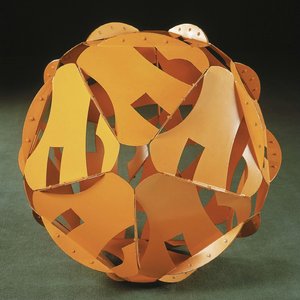
darlan rosa de oliveira
1947 - , Brazil
基本情報
- Artistic Movement Or Style:
- Avant-garde
- Performance art
- Electronic music
- Artists Or Movements Influenced By This Artist:
- Philip Glass
- Steve Reich
- Artists Who Influenced This Artist:
- John Cage
- Lucian Freud
- Date Of Birth: June 5, 1947
- Full Name: Laurie Phillips Anderson
- Nationality: American
- Notable Artworks:
- O Superman
- Home of the Brave
- Place Of Birth: Chicago, Illinois
関連記事

Bronze Age to Modern Masters: 10 Sculptures That Redefined Art | ArtsDot
Journey through art history with 10 legendary bronze sculptures – from Michelangelo's David to Rodin’s Thinker. Explore the stories, techniques & timeless beauty of these masterpieces. Find museum-quality reproductions & elevate your home decor on ArtsDot.com.

The Enduring Form: Sculpture Across History, Technique & Emotional Resonance
Explore the rich history of sculpture with ArtsDot. Discover key techniques, influential artists & investment potential for discerning collectors. Expert insights into valuing and collecting timeless masterpieces.

Bronze Sculptures That Defined Art History | ArtsDot
Journey through art history with our Top 10 bronze sculptures! Explore masterpieces by Rodin, Michelangelo & more. Discover stories behind iconic statues and find museum-quality reproductions for your home decor at ArtsDot.com.
青銅彫刻の永続的遺産:歴史、技法、そして現代における解釈
青銅彫刻の歴史、技法、現代における解釈を専門家が解説。古代から現代までの貴重な作品群を深く理解し、コレクションや投資に役立つ情報を提供します。美術品鑑定、修復についてもご紹介。

The Enduring Form: Exploring Themes & Techniques in Sculpture Across Historical Periods
Explore the rich history of sculpture from ancient masterpieces to contemporary innovations. Discover key techniques, influential artists & investment potential for discerning art collectors.