

 プレビュー
プレビュー
 プリントを購入
 シェアする
シェアする シェアする
シェアする
 詳細を見る
詳細を見る

 ダウンロード
 似ている作品
 X線調査
X線調査 スライドショー
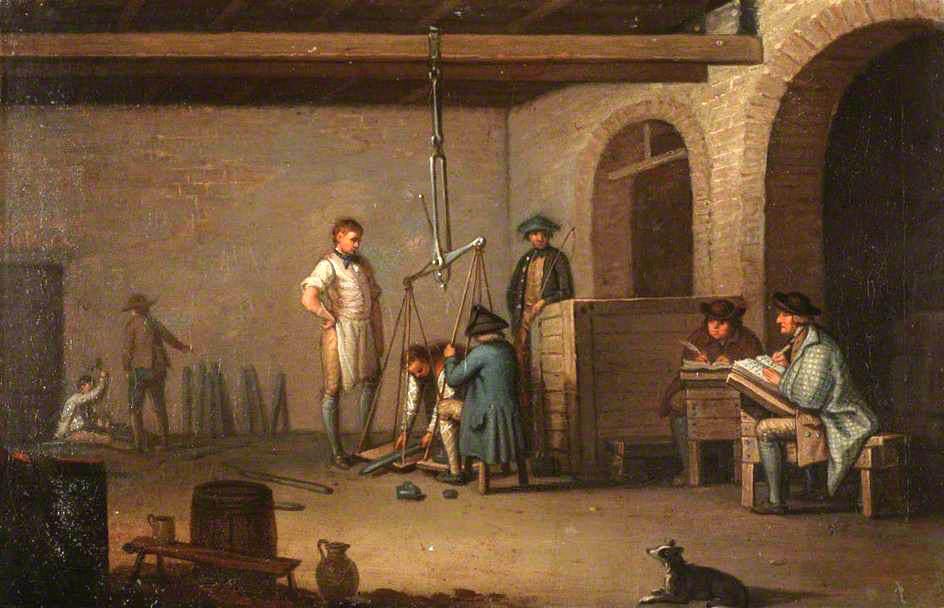
Lead Processing at Leadhills Weighing the Lead Bars


 詳細を見る
詳細を見る




P118B $10

P118H $10

P118W $10

P438Z $10

P508JH $12

P508YH $12

P805H $10

P805Z $10

P919BZ $10

P919G $10

P919XJ $10

P959ZH $10

P968JZ $12

W106C $8

W218G $10

W218JH $8

W218Y $10

W307PJ $10

W316G $10

W316PJ $8

W316Y $10

W398PJ $8

W4111J $10

W500HY $15

W500JH $15

W692G $12

W849H $8

W940BG $15

W953PJ $8




作品のオリジナル比率に合わせた、当店の規定サイズからお選びください。

特定のフレームやスペースに合わせて、ご希望のサイズをご入力いただけます。選択されたサイズが元の画像の比率と異なる場合、アートワークをトリミングするか、手描きで要素を追加して絵画を拡張いたします。デジタルモックアップ を制作し、制作開始前にご確認(承認)をいただきます。
画面上のプレビューは、実際のトリミングや拡張を正確に反映しているものではありません。最終的な構図は、モックアップによってのみ正確にご確認いただけます。
カスタムサイズもご利用いただけますが、元の比率を維持するためには、あらかじめ用意されたリストからサイズを選択することをお勧めいたします。
ご注文後、ArtsDot.com チームより詳細な指示をお送りするとともに、仕上がりイメージ(モックアップ)をご提供いたします。


 ガラスオプションは、110cm未満のサイズでのみご利用いただけます。

Lead Processing at Leadhills Weighing the Lead Bars
複製技法
複製画のサイズ
-


合計金額
$ 263
作品解説
A Glimpse into Industrial Life: David Allan’s “Lead Processing at Leadhills”
David Allan's "Lead Processing at Leadhills: Weighing the Lead Bars," painted circa 1780s, offers a remarkably intimate and surprisingly poignant window into the burgeoning industrial landscape of late eighteenth-century Scotland. More than just a depiction of a mundane task – the weighing of lead bars – this oil on canvas work captures a moment of concentrated labor within a vital, yet often overlooked, industry. Allan’s masterful brushwork and keen eye for detail transport us to the heart of Leadhills, a small mining town nestled in South Lanarkshire, where the extraction and processing of lead fueled both local prosperity and broader European markets.
The scene unfolds within a sturdy brick structure, likely a weighing station or part of the larger mine complex. The composition is carefully balanced, drawing our attention to two figures dominating the foreground: a seated worker meticulously examining a lead bar, and another standing, seemingly overseeing the operation. These aren’t idealized heroes; they are men of the trade, their attire – simple, functional clothing indicative of manual labor – reflecting the realities of their profession. A dog rests peacefully at their feet, adding an unexpected touch of domesticity to this industrial setting, suggesting a connection between human and animal life within this working environment.
Romanticism in the Heart of Industry
Allan’s painting firmly places itself within the Romantic movement, not despite its subject matter, but because of it. The Romantics sought to capture authentic emotion and experience, often focusing on humble subjects and everyday lives. Allan skillfully employs a realistic style, prioritizing accuracy and detail—the textures of the lead bars, the folds in the clothing, the rough-hewn brickwork – all contribute to a sense of immediacy and verisimilitude. Yet, he imbues this scene with an undeniable emotional resonance. The focused intensity of the workers, their engagement with the task at hand, speaks volumes about the dedication required for survival and prosperity within this demanding industry.
The muted color palette—earth tones dominating the scene—further enhances the painting’s authenticity and reinforces its connection to the landscape. Allan's use of light and shadow subtly guides our eye through the composition, highlighting key elements and creating a sense of depth. The background figures, dressed in more formal attire, represent the overseeing authority – perhaps mine managers or company officials – adding another layer of social context to the scene.
Symbolism and Historical Context
The title itself, “Weighing the Lead Bars,” is significant. It’s not merely a description of an action; it represents a crucial step in the lead processing chain. The precise measurement of each ingot was paramount, ensuring that the proprietor received his allotted quota from the Earl of Hopetoun, who commissioned these paintings to document the operation of his mines. This meticulous process underscores the importance of order and control within this burgeoning industrial enterprise.
Leadhills’ lead mines were a vital component of Scotland's economy during the late 18th century, supplying raw materials for various industries across Europe, particularly Russia. The painting offers a rare glimpse into the lives of those who toiled in these mines, often under challenging conditions. Allan’s work serves as both a historical record and a testament to their resilience and dedication. The Earl of Hopetoun's investment in this visual documentation highlights his desire to showcase the success and importance of his mining operation.
A Timeless Reflection on Labor and Society
"Lead Processing at Leadhills: Weighing the Lead Bars" is more than just a historical painting; it’s a powerful meditation on labor, society, and the human condition. Allan's ability to capture the essence of everyday life within an industrial setting elevates this work beyond mere documentation, transforming it into a poignant and enduring image of a pivotal moment in Scottish history. It invites us to contemplate the origins of our modern world and appreciate the often-unseen contributions of those who built its foundations.
関連作品

アーティストの略歴
啓蒙時代におけるスコットランドの声
1744年にスコットランドのアローで生まれたデビッド・アランは、芸術的、知的に大きな変革期を迎える中で、重要な人物として頭角を現しました。彼の父が港湾管理者であったという経歴は、幼い頃からスコットランドの岸辺を超えた世界への関心を抱かせ、後に彼の芸術的ビジョンを形作る影響を与えたことが伺えます。初期の訓練に関する詳細は乏しいものの、若き日に自然な才能が開花し、彼をスコットランドで最も称賛される画家の一人へと導いたことは明らかです。この道のりは、1764年にローマという地へと彼を導きました。それは当時のあらゆる志ある芸術家にとって極めて重要な旅路でした。アランは十年間、古典美術と建築の研究に没頭し、ボルゲーゼのグラディエーターのような傑作を熱心に模写することで、ガビン・ハミルトンの指導のもと、形態と技術の腕を磨き上げました。このイタリアでの滞在は単なる技術的な習得にとどまらず、彼の後の作品に静かに浸透していく理想の世界への没入でした。世界の融合:新古典主義とスコットランドの生活
1770年頃にスコットランドに戻ったアランはエディンバラに拠点を築き、すぐにこの街の活気ある文化シーンを牽引する芸術家となりました。彼の様式は、新古典主義的な正確さとロココ的な優雅さという独自の融合が際立っています。彼は秩序、均衡、明晰さといった新古典主義運動の特徴である古典的な理想を受け入れつつも、色彩や構図に見られる装飾的な感性を保ち続けていました。これは単一の学派への硬直した固執ではなく、むしろ影響を思慮深く融合させた結果なのです。アランは肖像画とジャンル絵画の両方で傑出度を極め、鋭い観察眼と被写体の本質を捉える能力を発揮しました。彼の肖像画は単なる似顔絵ではありませんでした。それらには心理的な深みが宿り、人物の個性や内面性を描き出していたのです。しかし、彼が真に際立っていたのは、おそらくジャンルシーンにおいてでしょう。そこでは、賑やかな市場の日から静かな家庭のひとときまで、18世紀のスコットランドの生活を垣間見せてくれます。「リードヒルズでの鉱石の洗浄」のような作品は、単なる産業描写ではなく、驚くべき写実性と細部への配慮をもって描かれた洞察に満ちた社会批評なのです。彼はまた、「希望(三連画、中央パネル)」のような歴史的な主題にも挑み、古典的な影響を宗教的なテーマと巧みに統合させながら、自身の野心と多様性を示しました。「スコットランドのホガース」と観察によって築かれた遺産
アランが現代生活を描き出すことに捧げた情熱は、「スコットランドのホガース」という異名をもたらしました。この比較は、彼がジャンル絵画や芸術を通じた社会批評に果たした貢献を際立たせています。彼はホガースのしばしば風刺的な様式を直接模倣していたわけではありませんが、日常の光景を正直さと洞察をもって描くという点で共通の関心を持っていました。彼には、人間同士のやり取りの機微や日常生活の質感を見事に捉える並外れた能力があり、一見平凡な主題さえも芸術的な意義へと高めていったのです。エディンバラにおける著名な芸術訓練の中心地であったフォールズ・アカデミーとの関わりは、この時期のスコットランド美術を形作る上での彼の役割をさらに強固なものにしました。アランは単に絵画を生み出していたのではなく、明確な国民的な芸術的アイデンティティの発展に貢献していたのです。彼は後世のスコットランドの画家たちに影響を与え、彼らが内面を見つめ、自らの文化や周囲の環境の中にインスピレーションを見出すよう促しました。永続する印象
デビッド・アランの影響は、彼の個々の作品を超越しています。特に、アラン・ラムゼイの『優しい羊飼い』のための挿絵は特筆すべきものであり、遊び心のある機知とスコットランドの牧歌的な生活の精神を捉える能力を示しています。彼は大規模な歴史的構図から親密な家庭の情景まで、その卓越した技術と繊細さの幅広さを見せつける大家でした。1796年の彼の死は、イギリス美術における真に独創的な声の喪失を意味しました。今日、彼の絵画は、その技術的な輝き、スコットランド社会に対する洞察に富んだ描写、そして永続する芸術的価値によって今なお賞賛され続けています。アランの遺産は、単に創造物の美しさにあるだけでなく、古典的な理想と明確にスコットランド的な題材を結びつける能力にもあり、その時代の文化的な景観に消しがたい痕跡を残し、後世の芸術家たちにインスピレーションを与え続けています。彼は、観察の力、芸術的訓練の重要性、そして人間の経験を捉えることの尽きることのない魅力の証であり続けているのです。
デビッド・アラン
1744 - 1796 , アメリカ合衆国
基本情報
- Artistic Movement Or Style: 新古典主義とロココ
- Artists Or Movements Influenced By This Artist: ['スコットランドの芸術家']
- Artists Who Influenced This Artist: ['ギャビン・ハミルトン']
- Date Of Birth: 1744年
- Date Of Death: 1796年
- Full Name: デビッド・アラン
- Nationality: スコットランド人
- Notable Artworks:
- リードヒルズの鉛精錬
- プロキダの家族
- 希望(三連画)
- ジェームズ・クレイグ、建築家
- デビッド・アランの子どもたち
- Place Of Birth: 米国アクロン
関連記事
18th Century Masters: 10 Artworks That Define an Era | ArtsDot
Journey through 18th century art! Explore 10 iconic paintings – from Rococo elegance to Neoclassical grandeur. Discover Fragonard, David & more. Find museum-quality reproductions and elevate your home decor on ArtsDot.com.
Sir John Watson Gordon: A Study in Scottish Landscape Painting & Tonal Impressionism
Explore the captivating portraits of Sir John Watson Gordon, a leading Scottish master. Discover his evolution from neoclassical style to atmospheric Tonalism and influence on 19th-century British art. Learn about his iconic sitters & legacy.
George Paul Chalmers: Rediscovering the Angus Rembrandt & Scottish Colourist Roots
Explore the captivating world of George Paul Chalmers (1833-1878), a pivotal Scottish painter. Discover his landscapes, portraits & connection to the Aesthetic Movement and Colourists. Learn about this 'Angus Rembrandt's' legacy with ArtsDot.
Jacques-Louis David: Neoclassical Ideals & Revolutionary Witness
Explore the life & art of Jacques-Louis David, leading Neoclassical painter of the French Revolution. Discover iconic works like 'The Death of Marat' and his lasting impact on art history. Expert analysis & high-quality reproductions at ArtsDot.
Alexander Nasmyth: Picturing Scotland's Romantic Landscape – Innovation & Identity
Explore the life & art of Alexander Nasmyth, a pivotal figure in Scottish Romantic landscape painting. Discover his iconic works, including portraits of Robert Burns, and learn about his lasting influence on national identity. Fine art reproductions available.

