

 プレビュー
プレビュー
 シェアする
シェアする シェアする
シェアする
 詳細を見る
詳細を見る

 ダウンロード
 似ている作品
 X線調査
X線調査 スライドショー
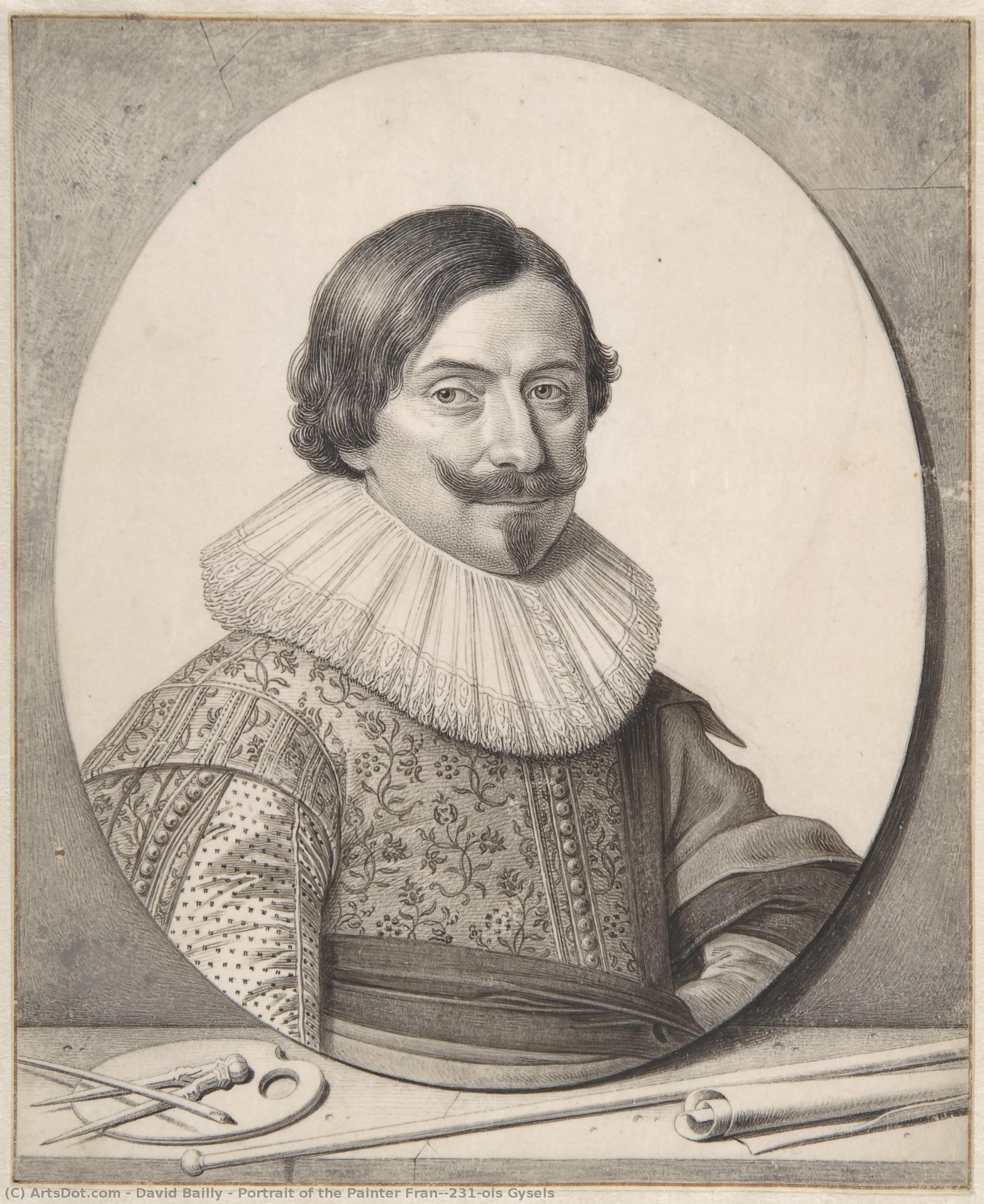
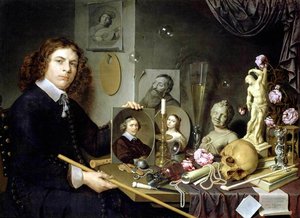
Portrait of the Painter François Gysels

 詳細を見る
詳細を見る
ジークレー/アートプリント
迅速な制作と多彩な仕上げオプションを備えた、ミュージアムクオリティのジークレーまたはキャンバスプリント。 ( 手描きの絵画を購入 画像を購入)




































作品のオリジナル比率に合わせた、当店の規定サイズからお選びください。

特定のフレームやスペースに合わせて、ご自身でサイズを指定することも可能です。選択されたサイズが元の画像の比率と一致しない場合、作品をトリミングするか、鏡面反射または単色での塗りつぶしによって画像を拡張いたします。制作を開始する前に、ご確認用のデジタルモックアップをお送りいたします。
画面上のプレビューには、実際のトリミングや拡張は反映されませんのでご注意ください。最終的な構図を正確に確認できるのは、モックアップのみとなります。
カスタムサイズも承っておりますが、元の比率を維持するためには、あらかじめ用意されたリストからサイズを選択することをお勧めいたします。


 ガラスオプションは、110cm未満のサイズでのみご利用いただけます。

Portrait of the Painter François Gysels
ジークレー/アートプリント
複製画のサイズ
-


合計金額
$ 62
関連作品



アーティストの略歴
David Bailly: A Life in Dutch Golden Age Art
Early Life and Training (1584-1608)
- Birth and Family: David Bailly was born in Leiden, Netherlands, in 1584. His father, Peter Bailly, was a Flemish immigrant who worked as a calligrapher and fencing master.
- Early Artistic Education: He initially received drawing instruction from his father and the copper engraver Jacques de Gheyn. This foundational training instilled in him a strong draftsmanship.
- Apprenticeships: Bailly further honed his skills through apprenticeships with Adriaan Verburg, a surgeon-painter in Leiden, and Cornelius van der Voort, a portrait painter in Amsterdam. These experiences exposed him to different artistic techniques and subject matter.
The Grand Tour and Early Career (1608-1613)
- Continental Travels: In the winter of 1608, Bailly embarked on a ‘Grand Tour,’ traveling through Frankfurt, Nuremberg, Augsburg, Hamburg, Tyrol, and Venice before reaching Rome. This journey was crucial for his artistic development.
- Italian Influence: He spent five months in Venice working as a journeyman, absorbing the influences of Italian Renaissance and Venetian art. His return voyage included commissions from German princes, including the Duke of Brunswick.
Artistic Development and Style (1613-1657)
- Diverse Subject Matter: Upon returning to the Netherlands in 1613, Bailly began painting a variety of subjects, including still lifes and portraits. He became known for his self-portraits and depictions of students and professors at the University of Leiden.
- Vanitas Paintings: A significant portion of his oeuvre consists of *vanitas* paintings – symbolic works that reflect on the transience of life, often featuring flowers, candles, and other ephemeral objects. These paintings demonstrate a philosophical depth alongside artistic skill.
- Portraiture Style: His portrait style is characterized by realism and attention to detail, capturing the likenesses and personalities of his sitters with sensitivity.
Major Achievements and Guild Membership
- Guild Leadership: In 1648, Bailly was elected headman of the Leiden Guild of St. Luke, a testament to his standing within the artistic community.
- Teaching Legacy: He served as a teacher and mentor to his nephews, Harmen and Pieter Steenwijck, passing on his knowledge and skills to the next generation.
Influences and Historical Significance
- Artistic Influences: Bailly was influenced by the Italian masters he encountered during his Grand Tour, as well as by Dutch predecessors in portraiture and still life painting.
- Impact on Dutch Art: He contributed to the flourishing of art during the Dutch Golden Age, particularly through his insightful *vanitas* paintings that reflected the era’s preoccupation with mortality and spirituality.
- Legacy: While not as widely recognized today as some of his contemporaries, David Bailly remains an important figure in the history of Dutch art, representing a blend of technical skill, intellectual depth, and artistic innovation.
David Bailly
1584 - 1657 , Netherlands
基本情報
- Birth Date: 1584
- Birth Place: Leiden, Netherlands
- Death Date: 1657
- Influenced:
- Harmen Steenwijck
- Pieter Steenwijck
- Influenced By:
- Adriaan Verburg
- Cornelius van der Voort
- Jacques de Gheyn
- Movement: Dutch Golden Age painting
- Name: David Bailly
- Nationality: Dutch
- Notable Works:
- Self-Portrait with Vanitas Symbols
- Portrait of Anthony de Wale

