

 プレビュー
プレビュー
 プリントを購入
 シェアする
シェアする シェアする
シェアする
 詳細を見る
詳細を見る

 ダウンロード
 似ている作品
 X線調査
X線調査 スライドショー
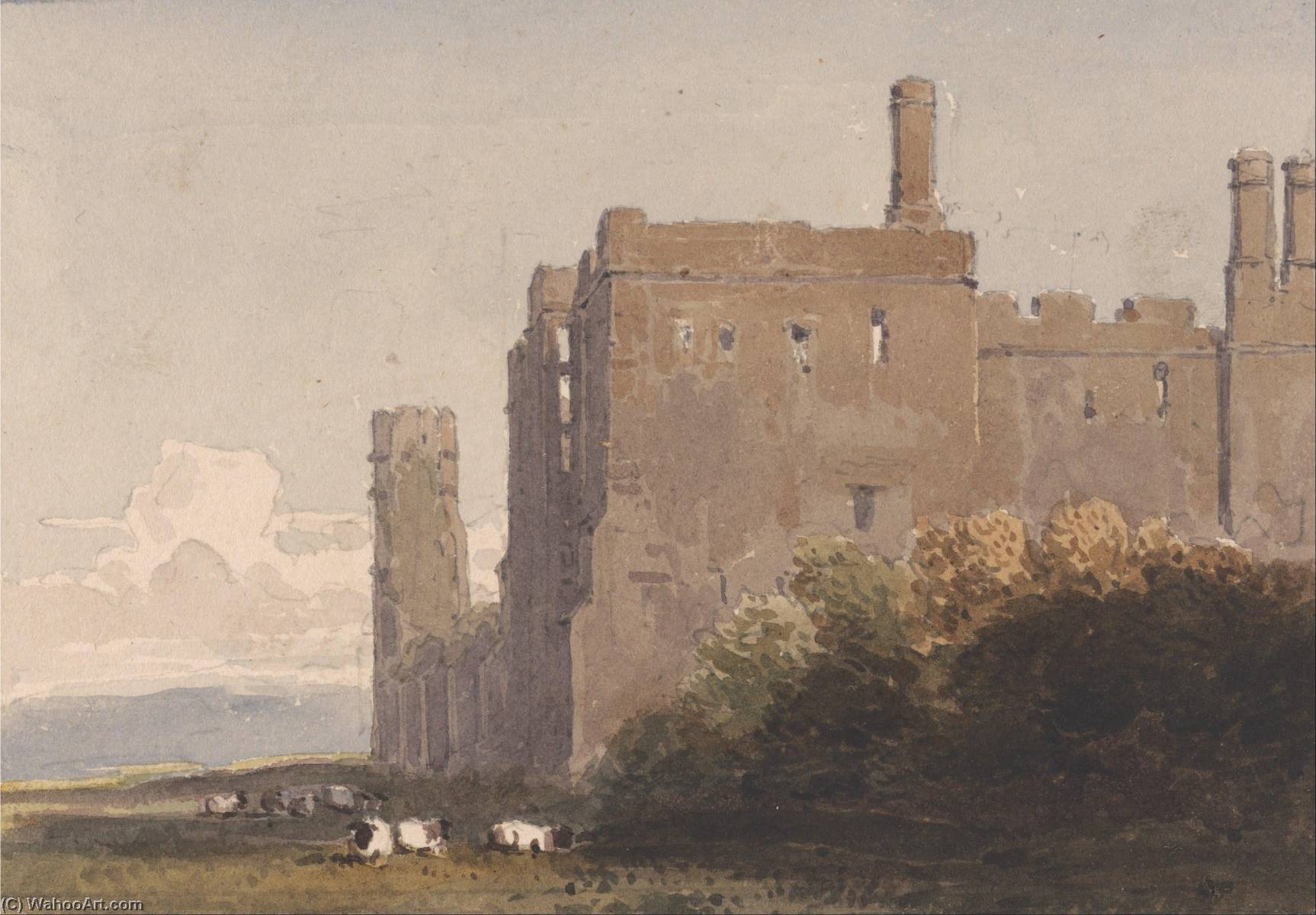
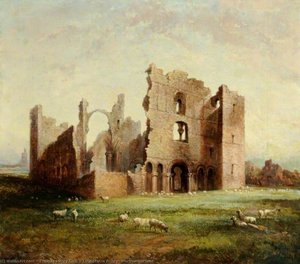
Battle Abbey, Sussex
 Acrylic On Canvas
- WallArt
- Romanticism
 12.0 x 18.0 cm
 イェール英国美術館
 詳細を見る
詳細を見る




P118B $10

P118H $10

P118W $10

P438Z $10

P508JH $12

P508YH $12

P805H $10

P805Z $10

P919BZ $10

P919G $10

P919XJ $10

P959ZH $10

P968JZ $12

W106C $8

W218G $10

W218JH $8

W218Y $10

W307PJ $10

W316G $10

W316PJ $8

W316Y $10

W398PJ $8

W4111J $10

W500HY $15

W500JH $15

W692G $12

W849H $8

W940BG $15

W953PJ $8




作品のオリジナル比率に合わせた、当店の規定サイズからお選びください。

特定のフレームやスペースに合わせて、ご希望のサイズをご入力いただけます。選択されたサイズが元の画像の比率と異なる場合、アートワークをトリミングするか、手描きで要素を追加して絵画を拡張いたします。デジタルモックアップ を制作し、制作開始前にご確認(承認)をいただきます。
画面上のプレビューは、実際のトリミングや拡張を正確に反映しているものではありません。最終的な構図は、モックアップによってのみ正確にご確認いただけます。
カスタムサイズもご利用いただけますが、元の比率を維持するためには、あらかじめ用意されたリストからサイズを選択することをお勧めいたします。
ご注文後、ArtsDot.com チームより詳細な指示をお送りするとともに、仕上がりイメージ(モックアップ)をご提供いたします。


 ガラスオプションは、110cm未満のサイズでのみご利用いただけます。

Battle Abbey, Sussex
複製技法
複製画のサイズ
-


合計金額
$ 263
作品解説
The Ruin's Silent Story: David Cox’s Battle Abbey
David Cox’s “Battle Abbey, Sussex” isn’t merely a depiction of crumbling stone; it’s a poignant meditation on time, power, and the enduring spirit of a landscape steeped in history. Painted around 1840-1850, during his most mature period, this watercolor captures a scene that resonates with both grandeur and melancholy – the skeletal remains of a once-mighty Benedictine abbey set against the muted palette of the Sussex countryside. The painting immediately draws the eye to the imposing silhouette of the castle ruins, their weathered walls hinting at centuries of stories whispered by wind and rain. Yet, it’s not simply a record of decay; Cox imbues the scene with a palpable sense of romanticism, suggesting a profound connection between the past and the present.

A Master of Atmospheric Watercolor
Cox’s skill lies not just in his subject matter but in his masterful manipulation of watercolor technique. The painting is characterized by loose, expressive brushstrokes—a hallmark of the Birmingham School to which he belonged. Layers of translucent washes create a remarkable sense of depth and atmosphere, blurring the lines between sky and earth, castle and hill. Notice how he uses dry brushwork to build texture onto the stone, suggesting the rough-hewn nature of the ancient walls while simultaneously softening their edges with delicate washes. The color palette is deliberately restrained – earthy browns, greys, and muted greens dominate—reflecting the somber beauty of a ruined structure and the overcast skies typical of the Sussex landscape. This careful control of color contributes significantly to the painting’s overall mood.
- Wet-on-wet technique: Cox expertly utilizes this method, allowing colors to blend seamlessly and creating soft, diffused effects.
- Loose brushwork: The expressive strokes convey a sense of movement and energy within the static scene.
- Subdued palette: Earth tones evoke a feeling of age, decay, and quiet contemplation.
Echoes of 1066 and Beyond
The location itself—Battle Abbey—holds immense historical significance. Built on the very site where William the Conqueror’s forces defeated King Harold in 1066, the abbey became a symbol of Norman power and piety. Cox's painting subtly references this pivotal moment in English history. The ruined walls stand as a silent testament to the battles fought and the lives lived within its walls. The inclusion of sheep in the foreground adds a layer of pastoral tranquility, juxtaposing the grandeur of the past with the everyday rhythms of rural life. It’s a deliberate choice that invites contemplation on the cyclical nature of time and the enduring presence of nature amidst human endeavor.
Furthermore, Cox's work aligns with the broader Romantic movement in art, which emphasized emotion, imagination, and the sublime beauty of the natural world. The painting captures not just the physical appearance of Battle Abbey but also its emotional resonance—a sense of loss, nostalgia, and a deep connection to the past.
A Legacy of Evocative Landscapes
David Cox’s “Battle Abbey, Sussex” is more than just a beautiful watercolor; it's a window into a bygone era. His ability to capture both the grandeur and the melancholy of historical sites, combined with his masterful use of watercolor technique, cemented his place as one of the most important landscape painters of the 19th century. Reproductions of this evocative work offer a chance to bring a piece of English history—and Cox’s artistic vision—into your own home, serving as a constant reminder of the enduring power of art and memory.
関連作品
アーティストの略歴
デヴィッド・コックス:風景画における輝かしい生涯
1783年4月29日、イギリスのバーミンガムのデリットエンドで生まれたデヴィッド・コックスは、英国風景画史において重要な位置を占める画家です。彼の人生と作品は、自然への深い愛情と革新的な表現技法によって彩られています。父は銃器製造に関わる鍛冶屋であり、母は農村出身ながらも優れた教養を持ち、強い意志の持ち主でした。幼少期から絵画に興味を示し、15歳でバーミンガムの画家アルバート・フィーダーのもとで修行を始めます。この初期の訓練が、その後の彼の基礎的な技術力を培うこととなりました。
芸術的道のりとキャリアの発展
1804年、コックスはロンドンに移り住み、家主の娘メアリー・ラッグと結婚します。この頃から、風景画への情熱が芽生え始めます。1805年のチャールズ・バーバーとのウェールズ旅行は、彼の芸術的生涯における転換点となりました。以後、彼は生涯にわたって数多くのスケッチ旅行を繰り返し、その経験が作品のスタイルに大きな影響を与えました。コックスは1805年から王立アカデミーに定期的に作品を出展し、当初は絵画教室の講師として生計を立てていました。1808年には、ハノーバー伯爵の息子であるH.ウィンザー大佐が彼の最初の生徒の一人となります。
- 初期の作品は、農村風景や建築物を描いた詳細な水彩画が中心でした。
- 影響: 17世紀のオランダ風景画家やコンスタブルなどから影響を受けました。
- 自然への深い観察眼と、光の効果を捉える卓越した技術が特徴です。
芸術的スタイルと影響
コックスのスタイルは時代とともに変化を遂げました。精密な地形描写から、より表現豊かで大気的なアプローチへと移行していきます。彼の作品に影響を与えた画家としては、17世紀のオランダ風景画や、自然観察においてコンスタブルが挙げられます。コックスは、緩やかな筆致、鮮やかな色彩、そして光と天候の効果を捉える能力によって知られるようになりました。特に晩年の油彩作品は、革新的な試みとして高く評価されています。
主要な業績と遺産
コックスは晩年のキャリアにおいて300点以上の油彩作品を描き上げました。これらの作品は現在、「英国画家の中でも最も偉大でありながら、あまり知られていない業績」として評価されています。彼は英国水彩画の黄金時代を代表する重要な画家の一人であり、その作品は後世の多くの風景画家たちに影響を与えました。代表作としては、『ヒースの風』、『ハ Herefordシャーのコテージ』、『セヴァーン川とワイ川の合流地点(遠くにはチェプストウ)』、『月光の風景』などが挙げられます。
歴史的意義
デヴィッド・コックスは、印象派の先駆者の一人として認識されています。彼は、移ろいゆく大気現象を捉えようとする姿勢や、緩やかな筆致を用いる技法において、後の印象派が採用する手法を予見していました。また、英国風景画という独自のジャンルを確立し、単なる地形描写から、より表現的で感情的な自然の解釈へと方向転換しました。彼の作品は、その美しさ、繊細さ、そして時代を超えて人々の心を捉える普遍的な魅力によって、今もなお高く評価されています。

デイヴィッド・コックス
1783 - 1859 , イギリス
基本情報
- Artistic Movement Or Style: 英国風景画、印象派前駆者
- Artists Or Movements Influenced By This Artist: ['後世の風景画家']
- Artists Who Influenced This Artist:
- オランダ風景画家
- コンスタブル
- Date Of Birth: 1783年4月29日
- Date Of Death: 1859年
- Full Name: デイビッド・コックス
- Nationality: イギリス人
- Notable Artworks (List Of Titles):
- ヒースの風
- ハ Herefordshire のコテージ
- セヴァーン川とワイ川の合流点
- 月光の風景
- Place Of Birth (City And Country): バーミンガム, イギリス
関連記事

Watercolor Wonders: 10 Masterpieces That Redefined Art History | ArtsDot
Journey through 10 legendary watercolor masterpieces by Sargent, Turner & Homer! Explore iconic landscapes, portraits & floral art that redefined history. Find museum-quality reproductions and curated decor ideas at ArtsDot.com.

Ephemeral Visions: Exploring the Artistic Legacy & Contemporary Practice of Watercolor Painting
Explore the captivating world of watercolor painting! Discover its rich history, essential techniques, influential artists & collecting tips. A comprehensive guide for art enthusiasts from ArtsDot.

Ephemeral Visions: Exploring the History & Emotional Resonance of Watercolor Painting
Explore the captivating history of watercolor painting, from ancient techniques to modern masters like Kandinsky & Blake. Discover essential artists, collecting tips & the emotional power of this luminous medium. Expert insights for art enthusiasts.

Ephemeral Visions: Exploring the Artistic Legacy & Nuances of Watercolor Painting
Explore the captivating world of watercolor painting! Discover its rich history, essential techniques, influential artists & collecting tips from art experts. A comprehensive guide for enthusiasts.

水彩の永続的な魅力:歴史、技法、そして現代の実践
水彩画の歴史、技法、現代の実践を深く探求。巨匠たちの名画から初心者向けテクニックまで解説。ArtsDot.comでは高品質な複製画やカスタムポートレートをご提供します。アートコンサルテーションも受付中。

