

 プリントを購入
 シェアする
シェアする シェアする
シェアする
 詳細を見る
詳細を見る

 ダウンロード
 似ている作品
 スライドショー
Vinicius de Moraes


 詳細を見る
詳細を見る




































作品のオリジナル比率に合わせた、当店の規定サイズからお選びください。

特定のフレームやスペースに合わせて、ご希望のサイズをご入力いただけます。選択されたサイズが元の画像の比率と異なる場合、アートワークをトリミングするか、手描きで要素を追加して絵画を拡張いたします。デジタルモックアップ を制作し、制作開始前にご確認(承認)をいただきます。
画面上のプレビューは、実際のトリミングや拡張を正確に反映しているものではありません。最終的な構図は、モックアップによってのみ正確にご確認いただけます。
カスタムサイズもご利用いただけますが、元の比率を維持するためには、あらかじめ用意されたリストからサイズを選択することをお勧めいたします。
ご注文後、ArtsDot.com チームより詳細な指示をお送りするとともに、仕上がりイメージ(モックアップ)をご提供いたします。


 ガラスオプションは、110cm未満のサイズでのみご利用いただけます。

Vinicius de Moraes
複製技法
複製画のサイズ
-


合計金額
$ 263
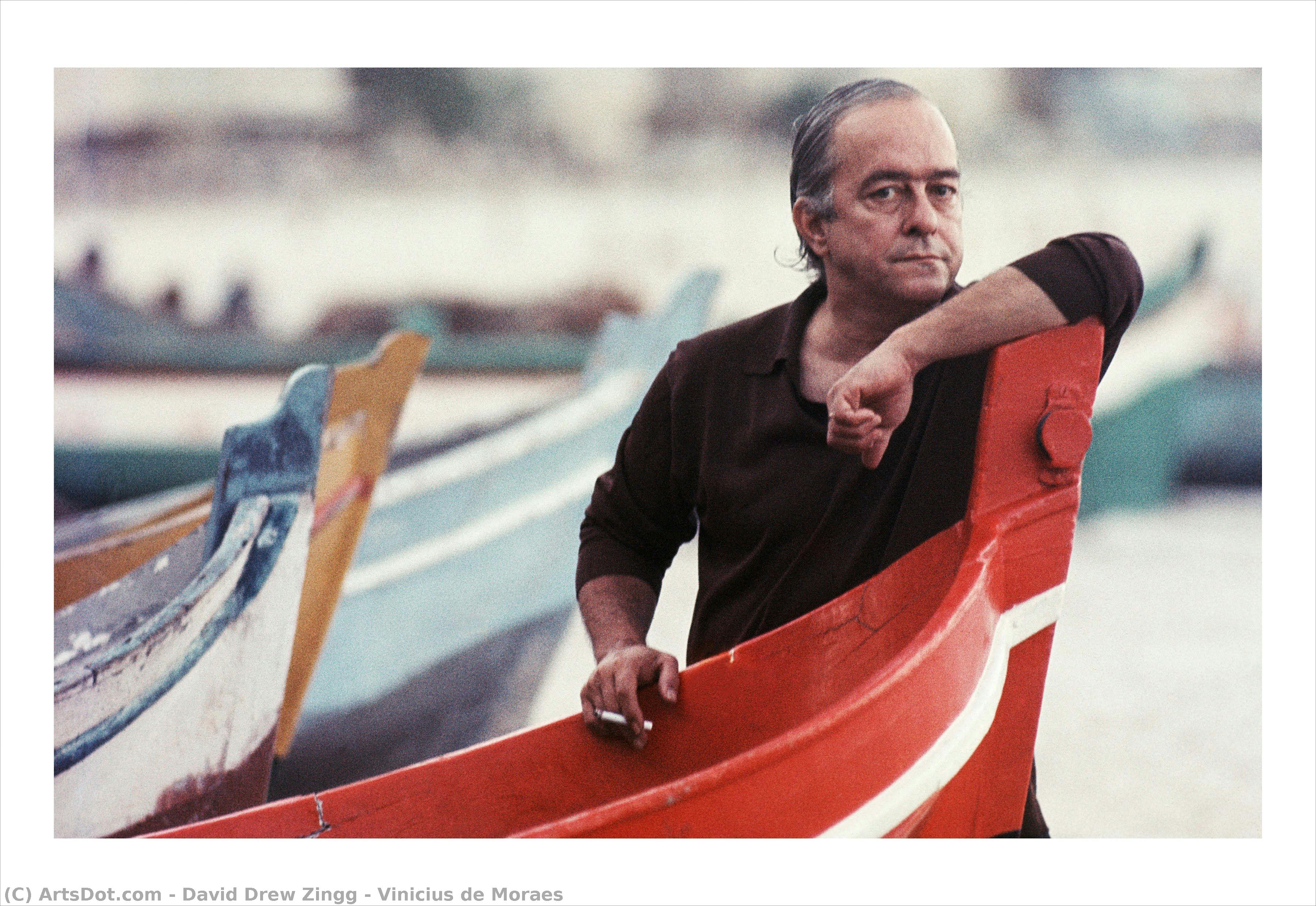
A Moment Frozen in Time: The Soul of Vinicius de Moraes
In this evocative black and white photograph captured by David Drew Zingg in 1965, we are invited into a quiet, contemplative moment that transcends the mere documentation of a person. The subject, the legendary Brazilian poet and composer Vinicius de Moraes, sits perched on a vibrant red bench—a singular splash of color in an otherwise monochromatic world. With his arms crossed and a cigarette resting between his lips, de Moraes embodies a profound sense of melancholy mixed with effortless cool. There is a weight to his posture, a stillness that suggests a man lost in the rhythmic cadence of his own thoughts or perhaps the distant melody of a bossa nova tune. The presence of a cup in his hand adds a layer of domestic intimacy to the scene, grounding the icon in a relatable, human vulnerability.
The composition is masterfully balanced, utilizing the depth of field to create a narrative that extends far beyond the central figure. Behind the poet, the world continues its slow movement; boats drift upon the water, their silhouettes providing a rhythmic backdrop that echoes the fluid nature of de Moraes's own lyrical poetry. The inclusion of other figures—shadowy presences in the periphery—serves to emphasize the solitude of the subject. While others move through the frame, de Moraes remains anchored, a stationary point of intense intellectual and emotional gravity amidst the transient motion of the harbor.
The Art of the Monochrome: Zingg’s Photographic Vision
David Drew Zingg, an artist whose life was defined by the intersection of journalism and profound cultural immersion, employs a technique that celebrates the nuances of light and shadow. By stripping away the distraction of color, Zingg forces the viewer to engage with the textures of the scene: the rugged fabric of the shirt, the wispy smoke of the cigarette, and the shimmering reflections on the water. This chiaroscuro effect lends the photograph a timeless quality, making it feel less like a snapshot from 1965 and more like an eternal fragment of history.
For the discerning collector or interior designer, this piece offers a sophisticated focal point. The high contrast and rich tonal range make it an ideal candidate for a large-scale hand-painted reproduction, where the subtle gradients of grey can be brought to life with textured brushstrokes. It is a work that demands attention through its subtlety rather than through loudness. Whether placed in a minimalist modern gallery or a classic study lined with books, this photograph serves as a window into the mid-century Brazilian spirit—a period of immense creativity and soulful introspection.
A Legacy for the Modern Collector
Owning a reproduction of this work is more than an aesthetic choice; it is an embrace of a cultural era. The image captures the essence of Bossa Nova—the "new trend" that was both sophisticated and deeply emotional. To display this piece is to invite the spirit of de Moraes into one's space, evoking themes of nostalgia, intellectual depth, and the beauty found in quiet observation. It is a conversation starter that bridges the gap between historical significance and contemporary elegance, making it a profound addition to any curated collection of fine art photography.
関連作品

アーティストの略歴
David Drew Zingg: A Life in Photography and Journalism
- Born: December 14, 1923, Montclair, New Jersey, USA
- Died: July 28, 2000, São Paulo, Brazil
Early Life and Career
David Drew Zingg was born in Montclair, United States of America, on December 14, 1923. He received his education at Columbia University in New York City, where he majored in history and literature. His initial foray into the professional world began with a position in the newsroom of NBC. During World War II, Zingg volunteered for the U.S. Army Air Force, serving in England. He then transitioned to becoming a war correspondent for the Armed Services Radio, covering events in France and Germany.
A Photographer's Journey & Brazilian Immersion
In 1950, Zingg married Elizabeth Foulk, and together they had three sons: Peter, Christopher, and Drew. His professional path took a turn when he briefly served as the editor of the United Fruit Company’s internal publication, Unifruitco. Subsequently, he worked as an editor, writer, and reporter for prominent magazines like Look and Life in New York City.
Zingg's career truly blossomed as a freelance photographer. He contributed his work to numerous prestigious publications including Look, Life, Esquire, Show, Town & Country, GQ, Sports Illustrated, Vogue, Interview, El Paseante, Zoom, Modern Photography, and Popular Photography. His photographs also graced the pages of major newspapers like The New York Times, The London Sunday Times, The Sunday Telegraph, and The Observer.
Notable Works & Cultural Contributions
Zingg’s photographic work is particularly recognized for his documentation of Brazil's development. He captured significant moments in the construction of Brasilia, showcasing the nation's progress and transformation. Beyond photography, Zingg played a crucial role in arranging the landmark 1962 Bossa Nova concert at New York's Carnegie Hall, an event that helped popularize the genre internationally.
- Coverage of Brazil’s Development: His photographs documented the construction of Brasilia and other key moments in Brazilian history.
- Bossa Nova Concert at Carnegie Hall (1962): Zingg was instrumental in organizing this pivotal event, bringing Brazilian music to a wider audience.
- Portraits of Celebrities & Intellectuals: He captured iconic images of figures like John F. Kennedy, Winston Churchill, Che Guevara, and numerous artists and musicians.
Legacy and Recognition
David Drew Zingg’s contributions to photography and journalism are enduring. His work is preserved in esteemed institutions such as the George Eastman Museum and the National Portrait Gallery. He left behind a rich visual record of his time, particularly his extensive documentation of Brazilian culture and society. His ability to capture candid moments and significant events solidified his place as a notable photojournalist.
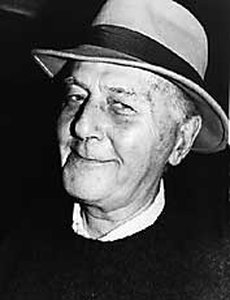
David Drew Zingg
1923 - 2000 , United States of America
基本情報
- Artistic Movement Or Style: Photojournalism
- Date Of Birth: December 14, 1923
- Date Of Death: July 28, 2000
- Full Name: David Drew Zingg
- Nationality: American
- Notable Artworks:
- Coverage of Brazil's development
- Construction of Brasilia photos
- 1962 Bossa Nova concert coverage
- Place Of Birth: Montclair, United States
関連記事

White on Canvas: 10 Masterpieces & Timeless Elegance for Your Home Decor
Explore 10 iconic white paintings by Monet, Whistler & Rothko! Discover the stories behind these serene masterpieces and their impact on art history. Find museum-quality reproductions for your home decor at .

ゴヤ傑作25選:スペインの魂を揺さぶる、深遠な芸術の世界 | ArtsDot
ゴヤ傑作25選:ロマン主義を代表するスペインの巨匠、フランシスコ・デ・ゴヤの世界へ。黒衣の女からマハまで、魂を揺さぶる絵画の物語と技法を紐解きます。ArtsDotで高品質なアートレプリカを見つけ、インテリアに深みと風格を。今すぐコレクションをご覧ください。

Dark Masterpieces: 10 Iconic Paintings Dominated by Black Tones |
Explore 10 iconic paintings dominated by black tones, from Rembrandt’s chiaroscuro to Goya's dark expressions. Discover the stories behind these masterpieces & find museum-quality art reproductions for your home at .

About Us
Discover our story! We bring world-class art into your life through expert curation, personalized creations, and free previews. Trusted by individuals and businesses since 2000.

Monochrome Visions: Exploring the Aesthetic & Historical Significance of Black & White Photography
Explore the rich history & artistic power of black and white photography. From early techniques to iconic masters like Ansel Adams, discover why monochrome continues to captivate art lovers today. Expert insights for collectors.