

 プレビュー
プレビュー
 プリントを購入
 シェアする
シェアする シェアする
シェアする
 詳細を見る
詳細を見る

 ダウンロード
 似ている作品
 X線調査
X線調査 スライドショー
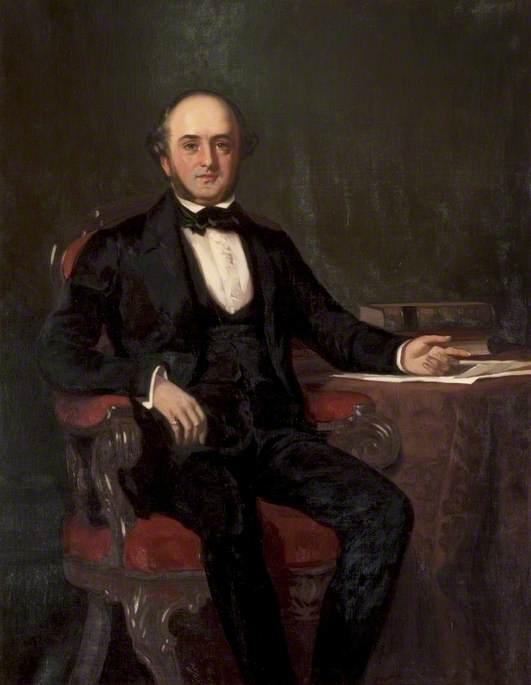
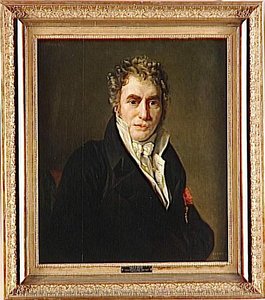
Robert Stewart, Lord Provost of Glasgow


 詳細を見る
詳細を見る
オンラインプレビューをはるかに凌ぐ、高解像度で鮮明なデジタル画像をご購入いただけます。
各ファイルは、社内の専門家が高度なツールと熟練した手作業によるレタッチを用いて、細心の注意を払って準備されています。すべての画像において、卓越した鮮明度、正確な色彩再現性、そして繊細なディテールを保証いたします。
最終ファイルは、プロフェッショナルな編集・印刷環境ですぐにご利用いただけるよう最適化された状態で、72時間以内にメールにてお届けいたします。これは、一流のデザインスタジオ、出版社、ギャラリーから信頼されているものと同等の品質です。
デジタル画像のご注文に付随する特典
高品質なデジタル画像配信を、確かな品質で。
ArtsDot.com を選ぶことは、単に画像を手に入れることではありません。それは、プロの手によって精密に仕上げられ、満足保証が付いた高品質なデジタルアートワークを受け取ることを意味します。ご注文いただいた際に自動的に付随する内容は、以下の通りです:

メールですぐにお届け
ご注文から72時間以内に、高解像度のデジタル画像ファイルがメールでお手元に届きます。すぐにそのままご利用いただけます。

AI技術で最適化されたデジタルファイル
お客様の作品は、高度なAIツールと専門家による手作業の編集を組み合わせてプロフェッショナルに最適化されており、細部のディテール、鮮明さ、そして正確な色再現性を最大限に引き出しています。

一生涯無料の再送サービス
ファイルを誤って削除したり、紛失してしまったりしましたか?ご安心ください。いつでも無料で再送いたします。

輸入手数料は一切かかりません
関税や手数料、配送料を気にすることなく、お気に入りのアートワークをすぐにお楽しみいただけます。デジタルダウンロードは常に免税です。

色彩再現の保証
プロ仕様のツールとカラーマネジメント技術を用いることで、デジタル画像が元の色を最大限に忠実に再現することを保証いたします。

60日間満足保証
ご購入いただいたデジタル画像にご満足いただけない場合は、60日以内であれば、修正または100%の返金(理由を問う必要はありません)をさせていただきます。

100% 返金保証
ご満足いただけない場合は、デジタルファイルを受け取ってから60日以内であれば、理由を問わず全額返金いたします。

まとめ買い割引
3枚購入で10%OFF - 5枚購入で15%OFF - 10枚以上購入で20%OFF。クリエイティブなプロジェクト、ギャラリー、エージェンシーに最適です。
作品の詳細
Robert Stewart, Lord Provost of Glasgow – A Portrait of Civic Dignity
David Gauld’s “Robert Stewart, Lord Provost of Glasgow” is more than just a portrait; it's a meticulously rendered tableau of 19th-century civic life and the quiet authority of a man deeply embedded in his community. Painted in 1909, this oil on canvas offers a glimpse into the world of Glasgow’s political elite – a world defined by both tradition and burgeoning modernity. The painting immediately draws the eye to its subject: Lord Provost Stewart, seated at a substantial dining table, an embodiment of measured composure amidst a scene that speaks volumes about his role.
Gauld's style is distinctly Glasgow School, a movement characterized by a rich palette, loose brushwork, and a fascination with capturing the atmosphere of urban life. He doesn’t shy away from depicting the details – the worn leather of the chair, the scattered books suggesting intellectual pursuits, the carefully arranged bowl on the table hinting at hospitality. Yet, these particulars serve to enhance, rather than overwhelm, the central figure. The composition is deliberately balanced, with Stewart occupying a dominant position within the frame, radiating an air of dignified self-assurance.
The Context of Civic Leadership
To fully appreciate “Robert Stewart, Lord Provost of Glasgow,” it’s crucial to understand the significance of his office. As Lord Provost, Stewart presided over the city council and represented Glasgow on a national level. The position demanded not only political acumen but also a deep understanding of the city's social fabric – a responsibility reflected in the painting’s subtle details. The late 19th and early 20th centuries were a period of rapid industrial growth for Glasgow, transforming it into one of Europe’s largest cities. This transformation brought both prosperity and challenges, including overcrowding, poverty, and social unrest. The Lord Provost was tasked with navigating these complexities, balancing the needs of the wealthy elite with those of the working class.
Robert Stewart himself was a prominent figure in Glasgow's civic life, serving as Lord Provost from 1851 to 1854. His tenure coincided with a period of significant urban development and social reform. The painting likely commemorates his service, capturing him not merely as a politician but as a respected leader invested in the well-being of his city.
Symbolism and Artistic Technique
Gauld masterfully employs symbolism to convey Stewart’s character and authority. The books on the table suggest an educated and thoughtful individual, while the carefully arranged bowl speaks to his graciousness and hospitality – qualities essential for a leader responsible for representing the city. The lighting is particularly effective, casting a warm glow upon Stewart's face, highlighting his features and conveying a sense of serenity and confidence. Note the subtle use of color; muted tones dominate, reflecting the seriousness of the subject matter, yet punctuated by warmer hues that draw attention to Stewart’s figure.
The loose brushwork, characteristic of the Glasgow School, creates a sense of immediacy and vitality. Gauld doesn't strive for photographic realism but rather captures the essence of his subject – his presence, his demeanor, and the atmosphere surrounding him. The slightly blurred background contributes to this effect, focusing the viewer’s attention on Stewart as the central point of interest.
A Window into Victorian Glasgow
“Robert Stewart, Lord Provost of Glasgow” offers a valuable window into Victorian Glasgow – a city brimming with ambition, innovation, and social complexities. It's a portrait that transcends mere likeness, revealing something deeper about the character of its subject and the spirit of an era. The painting’s enduring appeal lies in its ability to evoke a sense of history, civic pride, and the quiet dignity of leadership. Reproductions of this work can bring a touch of Victorian elegance and thoughtful reflection to any interior space, serving as a reminder of Glasgow's rich heritage.
関連作品



作家の略歴
The Visionary of Glasgow: The Life and Art of David Gauld
In the vibrant, shifting landscape of late nineteenth-century Scotland, few artists captured the intersection of tradition and modernity as gracefully as David Gauld. Born in Glasgow in 1865, Gauld emerged not merely as a painter, but as a pioneer who bridged the gap between the delicate intricacies of graphic design and the monumental presence of stained glass. His journey was one of profound aesthetic evolution, deeply rooted in the artistic ferment of the Glasgow Boys movement, a group that sought to break free from the rigid academicism of the era in favor of more naturalistic, emotive, and experimental approaches.
Gauld’s early creative impulses were shaped by a meticulous eye for detail, a trait honed during his formative years as a lithographer. When he entered the Glasgow School of Art in 1882, he brought with him a burgeoning fascination with the aesthetics of the East. This period was marked by an intense engagement with Japanese prints, whose flattened perspectives and bold, calligraphic lines would forever haunt his compositions. His early public recognition arrived through his evocative pen and ink drawings for The Glasgow Weekly Citizen, works that demonstrated a masterful command of line and a rhythmic, organic sensibility that hinted at the Art Nouveau revolution still on the horizon.
A Synthesis of Light and Line
As Gauld’s career progressed, his artistic medium expanded from the delicate surface of paper to the luminous, translucent medium of stained glass. This transition allowed him to explore the interplay of light and color in a way that few of his contemporaries could match. During his time in Kirkcudbright between 1891 and 1894, Gauld undertook significant commissions for Guthrie and Wells, creating windows that were much more than mere architectural ornaments. These works were tapestries of light, where the organic, flowing forms of the Art Nouveau style met the soulful, symbolic depth of the Pre-Raphaelite tradition.
His technique in glasswork was characterized by a profound understanding of how color interacts with natural illumination. By manipulating texture and pigment, he could evoke a sense of atmosphere that felt both ethereal and grounded. This mastery of medium reflected his broader artistic philosophy: a belief that art should not only represent the world but also transform the space it inhabits. Whether working in oil, ink, or glass, Gauld sought to capture the essence of his subjects—be they the quiet dignity of a portrait or the rugged beauty of the Scottish landscape—through a lens of stylized elegance.
Legacy and Historical Significance
The trajectory of David Gauld’s life was marked by both collaboration and solitary refinement. His associations with other luminaries of the Glasgow School, such as William Stewart Shirreffs and Harrington Mann, placed him at the heart of a transformative period in Scottish art history. Even as his professional relationships shifted and he relocated between Glasgow, Kirkcudbright, and North Berwick, his commitment to innovation remained steadfast. He stood as a vital link between the nineteenth-century fascination with naturalism and the twentieth-century embrace of decorative modernism.
Today, Gauld is remembered as an artist of immense versatility and foresight. His ability to synthesize diverse influences—from the precision of Japanese woodblock prints to the romanticism of the Pre-Raphaelites—allowed him to contribute a unique voice to the Glasgow Style. His legacy lives on in the enduring beauty of his glasswork and the quiet, powerful presence of his paintings, which continue to resonate with an appreciation for craftsmanship, light, and the enduring spirit of Scottish innovation.
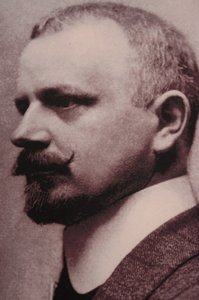
David Gauld
1865 - 1936 , United Kingdom
プロフィール概要
- Artistic Movement Or Style: Glasgow Boys; Art Nouveau; Pre-Raphaelites; Japanese influence
- Artists Or Movements Influenced By This Artist: ['Japanese art']
- Artists Who Influenced This Artist: ['William Stewart Macgeorge']
- Date Of Birth: Glasgow, United Kingdom (1865)
- Date Of Death: 1936
- Full Name: David Gauld
- Nationality: Scottish
- Notable Artworks:
- St Agnes
- Music
- Place Of Birth: Glasgow

