

 プレビュー
プレビュー
 プリントを購入
 シェアする
シェアする シェアする
シェアする
 詳細を見る
詳細を見る

 ダウンロード
 似ている作品
 X線調査
X線調査 スライドショー
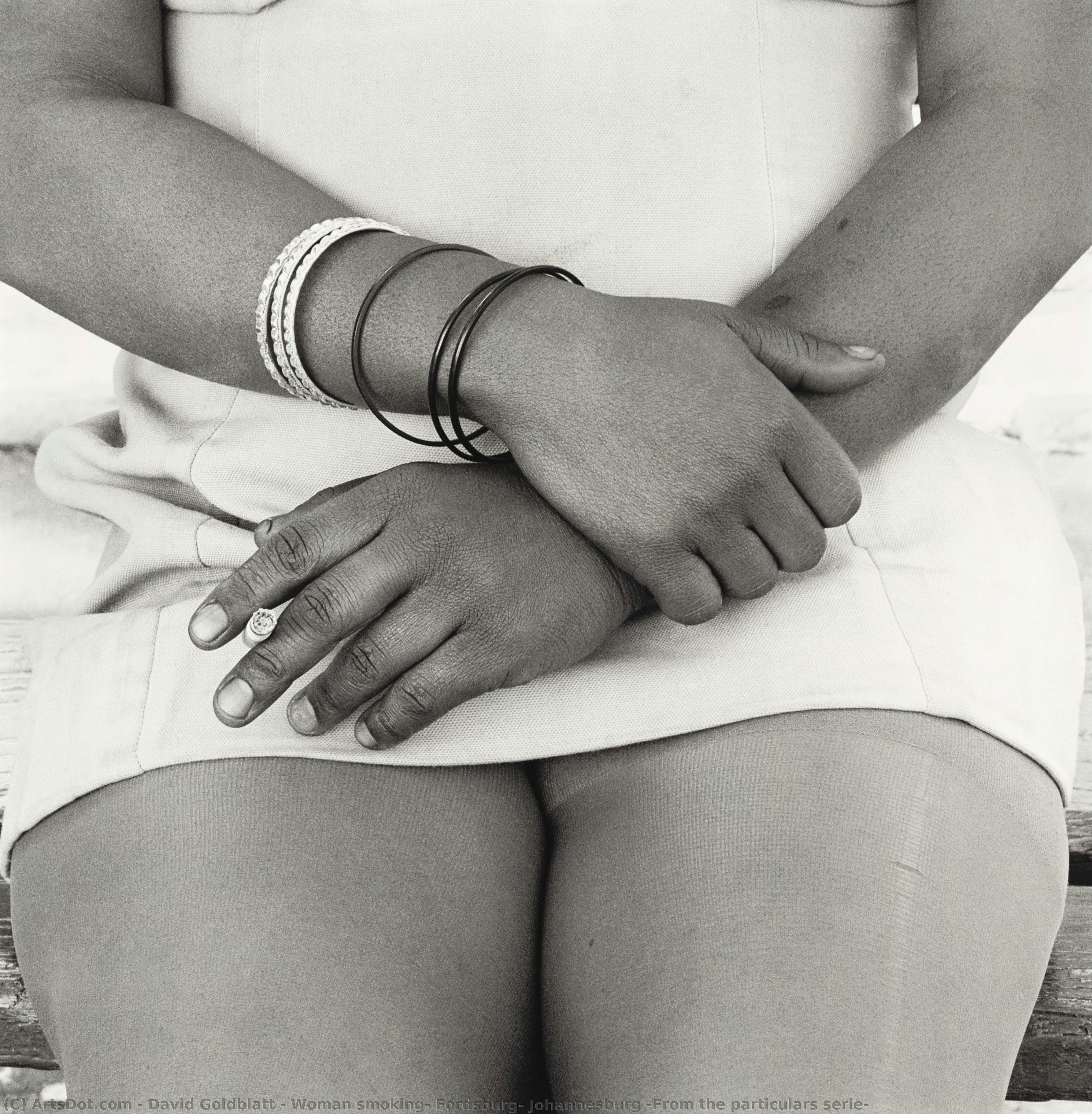
Woman smoking, Fordsburg, Johannesburg (From the particulars serie)
 Acrylic On Canvas
- WallArt
- Documentary Photography
 2007
2007 48.0 x 47.0 cm
 セラルヴェス財団
 詳細を見る
詳細を見る
オンラインプレビューをはるかに凌ぐ、高解像度で鮮明なデジタル画像をご購入いただけます。
各ファイルは、社内の専門家が高度なツールと熟練した手作業によるレタッチを用いて、細心の注意を払って準備されています。すべての画像において、卓越した鮮明度、正確な色彩再現性、そして繊細なディテールを保証いたします。
最終ファイルは、プロフェッショナルな編集・印刷環境ですぐにご利用いただけるよう最適化された状態で、72時間以内にメールにてお届けいたします。これは、一流のデザインスタジオ、出版社、ギャラリーから信頼されているものと同等の品質です。
デジタル画像のご注文に付随する特典
高品質なデジタル画像配信を、確かな品質で。
ArtsDot.com を選ぶことは、単に画像を手に入れることではありません。それは、プロの手によって精密に仕上げられ、満足保証が付いた高品質なデジタルアートワークを受け取ることを意味します。ご注文いただいた際に自動的に付随する内容は、以下の通りです:

メールですぐにお届け
ご注文から72時間以内に、高解像度のデジタル画像ファイルがメールでお手元に届きます。すぐにそのままご利用いただけます。

AI技術で最適化されたデジタルファイル
お客様の作品は、高度なAIツールと専門家による手作業の編集を組み合わせてプロフェッショナルに最適化されており、細部のディテール、鮮明さ、そして正確な色再現性を最大限に引き出しています。

一生涯無料の再送サービス
ファイルを誤って削除したり、紛失してしまったりしましたか?ご安心ください。いつでも無料で再送いたします。

輸入手数料は一切かかりません
関税や手数料、配送料を気にすることなく、お気に入りのアートワークをすぐにお楽しみいただけます。デジタルダウンロードは常に免税です。

色彩再現の保証
プロ仕様のツールとカラーマネジメント技術を用いることで、デジタル画像が元の色を最大限に忠実に再現することを保証いたします。

100日間満足保証
ご購入いただいたデジタル画像にご満足いただけない場合は、100日以内であれば、理由を問わず修正または100%の返金対応をさせていただきます。

100% 返金保証
ご満足いただけない場合は、デジタルファイルを受け取ってから100日以内であれば、理由を問わず全額返金いたします。

まとめ買い割引
3枚購入で10%OFF - 5枚購入で15%OFF - 10枚以上購入で20%OFF。クリエイティブなプロジェクト、ギャラリー、エージェンシーに最適です。
A Moment Frozen in Time: Examining David Goldblatt’s “Woman Smoking, Fordsburg, Johannesburg”
The photograph "Woman Smoking, Fordsburg, Johannesburg" by David Goldblatt stands as a poignant emblem of South Africa's turbulent past and enduring spirit. Captured in 2007, this seemingly simple portrait transcends mere visual representation; it embodies a profound exploration of identity, social observation, and the subtle nuances of human experience within the framework of apartheid’s oppressive regime.- Subject Matter: The image centers on a woman seated calmly on a bench in Fordsburg, Johannesburg – a location synonymous with vibrant multiculturalism during the apartheid era. Her posture—hands clasped delicately before her—immediately conveys an aura of quiet contemplation, hinting at both vulnerability and resilience.
- Style & Technique: Goldblatt’s approach aligns perfectly with his signature documentary style. Employing traditional black and white photography techniques – specifically a silver gelatin print – he prioritizes meticulous detail and tonal range to distill the essence of his subject into a single frame. The soft, diffused lighting contributes to an atmosphere of intimacy, minimizing harsh shadows and maximizing subtlety.
- Historical Context: Shot during Goldblatt’s extensive chronicle of apartheid (1964-1990), “Woman Smoking” isn't merely a snapshot; it’s a fragment of a larger narrative. The series ‘Particulars,’ which Goldblatt conceived, deliberately eschews grand pronouncements about social justice, instead focusing on capturing fleeting gestures and expressions that reveal the inner lives of ordinary South Africans—women navigating daily life under constant surveillance and discrimination.
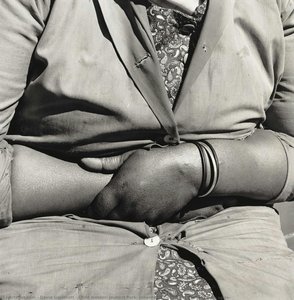
- Symbolism: The woman’s hands clasped in front of her serve as a powerful visual symbol – representing both restraint and unspoken emotion. Furthermore, the inclusion of bracelets—woven or textured—adds an element of personal adornment that speaks to cultural heritage and individual identity. These seemingly insignificant details amplify the photograph's communicative power.
- Emotional Impact: Ultimately, “Woman Smoking” resonates deeply with viewers due to its understated beauty and evocative stillness. It compels us to consider not just what we see but also what lies beneath—the quiet dignity of a woman confronting adversity with grace and composure. The photograph’s timeless quality invites contemplation on themes of resilience, observation, and the enduring human spirit amidst challenging circumstances.
関連作品
作家の略歴
Early Life and Formation of a Critical Eye
David Goldblatt, born in Randfontein, Gauteng Province, South Africa, in 1930, emerged as one of the most profoundly insightful documentary photographers of the twentieth century. His lineage—descended from Lithuanian Jewish immigrants who sought refuge from persecution around 1893—deeply informed his perspective. Growing up in a society rigidly stratified by apartheid, Goldblatt’s early life was marked by an awareness of social injustice and the complexities of belonging. While his father managed a men's outfitter shop and his mother worked as a typist, it was the burgeoning political climate that truly shaped his artistic trajectory. He received a formal education at Krugersdorp High School and later earned a commerce degree from the University of the Witwatersrand, but it was in 1948 that he discovered his true calling: photography. Initially inspired by the photojournalism found in magazines like *Life* and *Picture Post*, Goldblatt began to document the lives unfolding around him, quickly realizing the medium’s power to bear witness and provoke reflection.Documenting Apartheid's Realities
Goldblatt distinguished himself from many contemporaries through his deliberate avoidance of sensationalism or overt political messaging. He wasn’t interested in capturing dramatic confrontations but rather in revealing the subtle yet pervasive ways apartheid permeated everyday life. His early work focused on the often-invisible lives of Black African miners, a population subjected to brutal working conditions and systemic discrimination. This commitment to portraying the human cost of apartheid—not through spectacle, but through quiet observation—became his hallmark. A pivotal project was *The Transported of Kwandebele*, documenting the arduous twice-daily commutes faced by black workers traveling from segregated “homelands” northeast of Pretoria. Goldblatt’s photographs weren't merely records of hardship; they were indictments of a system that forced such conditions upon its citizens. He famously explained his choice to work in black and white during this period, believing color would have been "too sweet a medium" to express the anger, disgust, and fear apartheid inspired. This wasn’t simply an aesthetic decision but a conscious rejection of any visual softening that might diminish the gravity of the subject matter.Beyond Protest: Exploring Structures and Landscapes
Following the dismantling of apartheid, Goldblatt's artistic focus shifted, though his critical gaze remained unwavering. He turned his attention to South Africa’s landscapes—not as idyllic vistas but as sites imbued with history and consequence. His *Structures* series examined the architecture of the country, revealing how buildings reflected the power dynamics and ideologies that had shaped its past. This work wasn't about aesthetic beauty; it was about deciphering the stories embedded within brick and mortar. He began to experiment more with color photography, a transition sparked by a project in northwestern Australia documenting the effects of blue asbestos exposure. The intensity of this subject matter demanded the realism only color could provide, and he found himself “hooked” on its expressive potential. This marked a new phase in his career, allowing him to capture the nuances of post-apartheid South Africa with greater depth and complexity.Legacy and Lasting Impact
David Goldblatt’s contributions extended beyond his photographic oeuvre. In 1989, he founded the Market Photography Workshop in Johannesburg, providing training and opportunities for aspiring photographers from marginalized communities. He became a mentor to many, fostering a new generation of visual storytellers committed to social justice. Throughout his career, Goldblatt received numerous accolades, including honorary doctorates, the Hasselblad Award, and the Henri Cartier-Bresson Award. His work has been exhibited internationally, notably with a solo show at the Museum of Modern Art in New York in 1998 and inclusion in Documenta 11 and 12. Goldblatt’s photographs are held in major collections worldwide, ensuring his legacy as a pivotal figure in documentary photography. He passed away in Johannesburg in 2018, leaving behind a body of work that continues to challenge viewers to confront uncomfortable truths about power, inequality, and the enduring human spirit. His commitment to “avoiding easy judgments” and portraying subjects with dignity established him not just as a photographer but as a profound observer and critic of society—a legacy that resonates powerfully today.A Philosophy of Observation
Goldblatt’s approach was rooted in a deep respect for his subjects and a refusal to impose narratives. He often described himself as a “self-appointed observer,” believing it was his role to present reality without manipulation or agenda. This philosophy is evident in the detailed captions accompanying his photographs, which meticulously identify the location, time, and context of each image. These weren’t mere descriptions; they were invitations to engage with the photograph on multiple levels, prompting viewers to consider the broader social forces at play. He sought not to shock or condemn but to reveal—to expose the complexities of South African life in all its contradictions and subtleties. His work stands as a testament to the power of photography to foster empathy, challenge assumptions, and inspire meaningful dialogue. Goldblatt’s enduring influence lies in his ability to transform observation into a powerful form of social critique—a legacy that continues to shape contemporary photographic practice.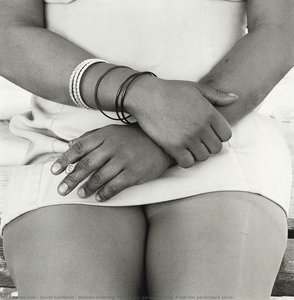
david goldblatt
1930 - 2018
プロフィール概要
- Artistic Movement Or Style: Social Documentary Photography
- Date Of Birth: 1930
- Date Of Death: 2018
- Full Name: David Goldblatt
- Nationality: South African
- Notable Artworks:
- Wolwekraal-Marabastad Bus at 4am
- Woman smoking, Fordsburg
- Child minder, Joubert Park
- On the Mines (1973)
- Place Of Birth: Randfontein, South Africa