

 プレビュー
プレビュー
 プリントを購入
 シェアする
シェアする シェアする
シェアする
 詳細を見る
詳細を見る

 ダウンロード
 似ている作品
 X線調査
X線調査 スライドショー
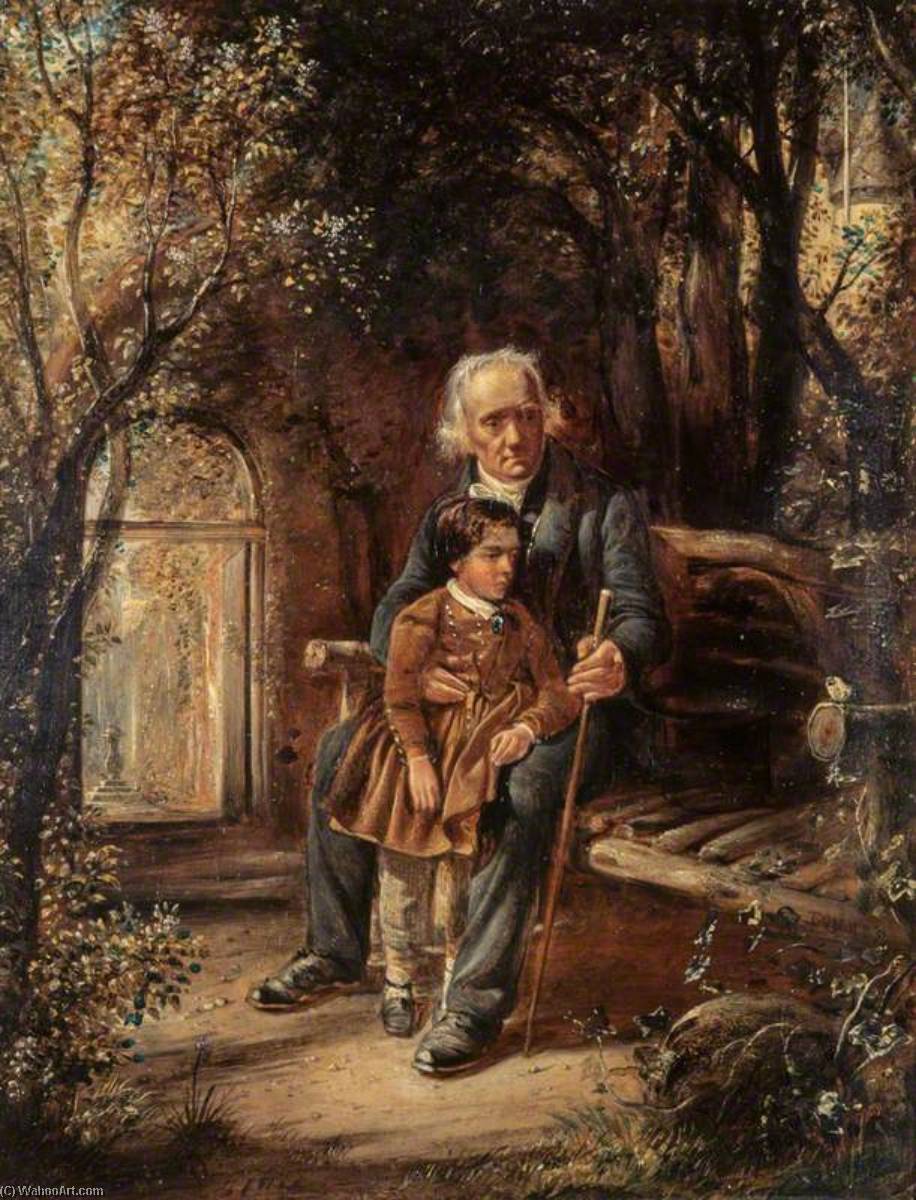
Reverend Thomas Chalmers (1780–1847), Preacher and Social Reformer, with his Grandson Thomas Chalmers Hanna (after a calotype by Robert Adamson and David Octavius Hill)
 1853
1853 41.0 x 31.0 cm
 詳細を見る
詳細を見る
オンラインプレビューをはるかに凌ぐ、高解像度で鮮明なデジタル画像をご購入いただけます。
各ファイルは、社内の専門家が高度なツールと熟練した手作業によるレタッチを用いて、細心の注意を払って準備されています。すべての画像において、卓越した鮮明度、正確な色彩再現性、そして繊細なディテールを保証いたします。
最終ファイルは、プロフェッショナルな編集・印刷環境ですぐにご利用いただけるよう最適化された状態で、72時間以内にメールにてお届けいたします。これは、一流のデザインスタジオ、出版社、ギャラリーから信頼されているものと同等の品質です。
デジタル画像のご注文に付随する特典
高品質なデジタル画像配信を、確かな品質で。
ArtsDot.com を選ぶことは、単に画像を手に入れることではありません。それは、プロの手によって精密に仕上げられ、満足保証が付いた高品質なデジタルアートワークを受け取ることを意味します。ご注文いただいた際に自動的に付随する内容は、以下の通りです:

メールですぐにお届け
ご注文から72時間以内に、高解像度のデジタル画像ファイルがメールでお手元に届きます。すぐにそのままご利用いただけます。

AI技術で最適化されたデジタルファイル
お客様の作品は、高度なAIツールと専門家による手作業の編集を組み合わせてプロフェッショナルに最適化されており、細部のディテール、鮮明さ、そして正確な色再現性を最大限に引き出しています。

一生涯無料の再送サービス
ファイルを誤って削除したり、紛失してしまったりしましたか?ご安心ください。いつでも無料で再送いたします。

輸入手数料は一切かかりません
関税や手数料、配送料を気にすることなく、お気に入りのアートワークをすぐにお楽しみいただけます。デジタルダウンロードは常に免税です。

色彩再現の保証
プロ仕様のツールとカラーマネジメント技術を用いることで、デジタル画像が元の色を最大限に忠実に再現することを保証いたします。

60日間満足保証
ご購入いただいたデジタル画像にご満足いただけない場合は、60日以内であれば、修正または100%の返金(理由を問う必要はありません)をさせていただきます。

100% 返金保証
ご満足いただけない場合は、デジタルファイルを受け取ってから60日以内であれば、理由を問わず全額返金いたします。

まとめ買い割引
3枚購入で10%OFF - 5枚購入で15%OFF - 10枚以上購入で20%OFF。クリエイティブなプロジェクト、ギャラリー、エージェンシーに最適です。
関連作品










作家の略歴
The Visionary Light of David Octavius Hill
In the mid-nineteenth century, as the world stood on the precipice of a technological revolution, David Octavius Hill emerged not merely as a chronicler of reality, but as a poet of light. Born in 1802 in Perth, Scotland, Hill possessed an intellect shaped by the rigorous disciplines of mathematics and natural philosophy at Edinburgh University. This scientific foundation, paired with his early training in lithography and painting, allowed him to approach the nascent medium of photography with a rare duality: the precision of a scientist and the soul of an artist. While many saw the camera as a mere tool for mechanical reproduction, Hill envisioned it as a brush capable of capturing the profound psychological depths of the human condition.
His journey into the heart of photographic history was inextricably linked to his partnership with the engineer Robert Adamson. Together, they established the first photography studio in Scotland in 1843, creating a collaborative sanctuary where chemistry and art converged. Their work was defined by the use of the calotype process, a revolutionary method pioneered by William Henry Fox Talbot. Unlike the sharp, clinical clarity of the daguerreotype, the calotype offered a soft, textured grain that allowed for a more painterly expression. Through this medium, Hill and Adamson achieved a Rembrandtesque mastery of chiaroscuro, using dramatic shadows and luminous highlights to imbue their portraits with an almost spiritual weight.
A Legacy Etched in Shadow and Silver
The partnership of Hill and Adamson was brief but incandescent, lasting only from 1843 until Adamson's untimely death in 1847. Yet, in those few years, they produced a body of work that remains the cornerstone of Scottish photographic art. Their subjects ranged from the rugged, salt-laced faces of Newhaven fishermen to the dignified silhouettes of Edinburgh’s intellectual elite. Hill’s innate ability to put sitters at ease—a skill honed during his years as a prominent painter—allowed him to capture more than just a likeness; he captured an essence. In images such as those featuring Reverend Thomas Chalmers, one can sense the heavy atmosphere of Victorian morality and the quiet dignity of a life dedicated to social reform.
<- The Calotype Revolution: Hill utilized the negative-positive process to create multiple prints, allowing for an artistic consistency that helped establish photography as a fine art.
- Artistic Composition: Drawing from his background in painting, Hill applied classical principles of composition and light to much earlier photographic subjects.
- Cultural Documentation: His work serves as a vital visual archive of 19th-century Scottish landscapes, industry, and social strata.
Beyond the studio walls, Hill’s influence extended into the very fabric of the Scottish art scene. As an arts activist and painter, his contributions to the development of local institutions were as significant as his photographic prints. Even as he moved away from the camera following Adamson's death, the aesthetic principles he helped pioneer—the emphasis on tonal depth, texture, and emotional resonance—continued to ripple through the generations of photographers who followed. Today, the name David Octavius Hill stands as a testament to the moment when the mechanical eye first learned to see with the heart of an artist.
david octavius hill
1802 - 1870
プロフィール概要
- Artistic Movement Or Style: Calotype Photography
- Artists Or Movements Influenced By This Artist: ['Romanticism']
- Artists Who Influenced This Artist: ['Rembrandt']
- Date Of Birth: 1802
- Date Of Death: 1870
- Full Name: David Octavius Hill
- Nationality: Scottish
- Notable Artworks:
- Kilmarnock Cross
- David Octavius Hill & Robert Adamson
- Thomas Hill
- Place Of Birth: Edinburgh, Scotland

