

 プレビュー
プレビュー
 シェアする
シェアする シェアする
シェアする
 詳細を見る
詳細を見る

 ダウンロード
 似ている作品
 X線調査
X線調査 スライドショー
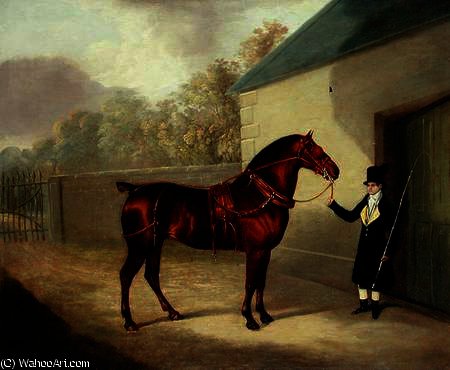
A Carriage Horse and a Groom at a Stable
 詳細を見る
詳細を見る
ジークレー/アートプリント
迅速な制作と多彩な仕上げオプションを備えた、ミュージアムクオリティのジークレーまたはキャンバスプリント。 ( 手描きの絵画を購入 画像を購入)




































作品のオリジナル比率に合わせた、当店の規定サイズからお選びください。

特定のフレームやスペースに合わせて、ご自身でサイズを指定することも可能です。選択されたサイズが元の画像の比率と一致しない場合、作品をトリミングするか、鏡面反射または単色での塗りつぶしによって画像を拡張いたします。制作を開始する前に、ご確認用のデジタルモックアップをお送りいたします。
画面上のプレビューには、実際のトリミングや拡張は反映されませんのでご注意ください。最終的な構図を正確に確認できるのは、モックアップのみとなります。
カスタムサイズも承っておりますが、元の比率を維持するためには、あらかじめ用意されたリストからサイズを選択することをお勧めいたします。


 ガラスオプションは、110cm未満のサイズでのみご利用いただけます。

A Carriage Horse and a Groom at a Stable
ジークレー/アートプリント
複製画のサイズ
-


合計金額
$ 62
関連作品
アーティストの略歴
David of York Dalby: A Shepherd of the English Landscape
The world of 19th-century British art is rich with depictions of rural life, and within that vibrant tapestry, David of York Dalby (1794-1850) emerges as a particularly skilled observer and recorder. Born into a family deeply rooted in the artistic traditions of Yorkshire, Dalby’s legacy isn't one of grand, revolutionary movements but rather a quiet, persistent dedication to capturing the essence of the English countryside – its light, its textures, and the lives intertwined with its rhythms.
Dalby’s early life was shaped by his father, David Dalby Sr., a landscape painter who instilled in him a love for depicting the natural world. This familial connection provided a crucial foundation, not just in technique but also in an appreciation for the subtle beauty of the region. However, unlike his father, who focused primarily on expansive vistas, Dalby developed a distinct talent for portraying animals within their natural habitats – particularly hunting scenes and depictions of domestic livestock. This specialization reflects a broader trend during the period, as artists sought to document the changing social landscape of Britain, where rural pursuits were becoming increasingly important.
A Painter of Sporting Life and Country Scenes
Dalby’s artistic career unfolded primarily in York, a city with strong ties to hunting and equestrian traditions. He quickly established himself as a respected artist specializing in sporting scenes – depictions of fox hunts, deer drives, and other pursuits that defined the leisure activities of the landed gentry. His paintings are characterized by an impressive level of detail, meticulously rendered animals posed in dynamic action, and carefully constructed landscapes that suggest both realism and a certain romantic idealization.
A key element of Dalby’s style is his ability to capture light – particularly the quality of light on fur and foliage. He was renowned for his depictions of chestnut hunters, often portrayed in dramatic settings, bathed in golden afternoon light. These works are not merely illustrations of sporting events; they convey a sense of movement, energy, and the inherent beauty of the natural world. His work frequently included elements of domestic life alongside the hunting scenes – glimpses of farmhouses, shepherds tending their flocks, and other reminders of the rural community that sustained these pursuits.
Technique and Influences
Dalby’s technique was firmly rooted in the academic traditions of his time. He studied under various artists, absorbing elements of classical composition and a meticulous attention to detail. However, he wasn't simply a follower of established conventions; he developed a distinctive approach that combined technical proficiency with a keen observational eye. His use of color is particularly noteworthy – he employed a rich palette of earthy tones, accented by brighter hues to capture the vibrancy of the landscape.
While Dalby’s artistic lineage can be traced back to his father and the broader landscape painting tradition, it's also important to note the influence of contemporary artists working in similar genres. The works of George Chinnery, a British artist who spent much of his career in China, demonstrate a comparable interest in depicting animals within their natural settings. Similarly, the detailed renderings of hunting scenes found in the work of William Dyce can be seen as precursors to Dalby’s own style.
Notable Works and Legacy
Among Dalby's most celebrated paintings is “Cock Robin,” a vibrant depiction of a chestnut hunter pursuing a fox through a wooded landscape. The painting exemplifies his mastery of light, composition, and animal movement. Other notable works include numerous depictions of deer hunts, scenes of sheep and cattle, and portraits of prominent local figures involved in the sporting world.
Despite not achieving widespread fame during his lifetime, David of York Dalby’s work has been recognized for its quality and historical significance. His paintings offer a valuable glimpse into the social and cultural landscape of 19th-century England – a time when rural pursuits were deeply intertwined with aristocratic leisure and the rhythms of agricultural life. Today, his works are held in private collections and museums, testament to his enduring skill as a painter of the English countryside.
Further Exploration
- John Dalby (painter): A Wikipedia article detailing his life and work: https://en.wikipedia.org/wiki/John_Dalby_(painter)
- Rountree Tryon Gallery: A biographical overview of Dalby’s life and work: https://www.rountreetryon.com/artists/418-david-dalby-of-york/
- ArtsDot.com: A comprehensive resource on Dalby’s art and artistic legacy: http://ArtsDot.com/@/DavidOfYorkDalby?srsltid=AfmBOorqGh03y4EOz3YLfGspu5tnyleVnLxv_jnrjwjCQ7V9k2pGU8c-
david of york dalby
1794 - 1850 , United Kingdom
基本情報
- Artistic Movement Or Style: Portraiture & Genre
- Artists Or Movements Influenced By This Artist: ['Victorian Art Style']
- Artists Who Influenced This Artist: ['None specified']
- Date Of Birth: 1794
- Date Of Death: 1850
- Full Name: David of York Dalby
- Nationality: British
- Notable Artworks:
- Cock Robin
- John Hall Kent
- Place Of Birth: York, United Kingdom

