 プレビュー
プレビュー
 シェアする
シェアする シェアする
シェアする
 詳細を見る
詳細を見る

 ダウンロード
 似ている作品
 X線調査
X線調査 スライドショー
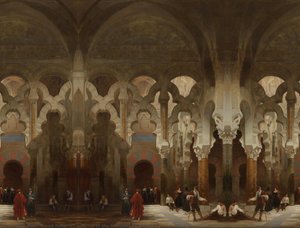
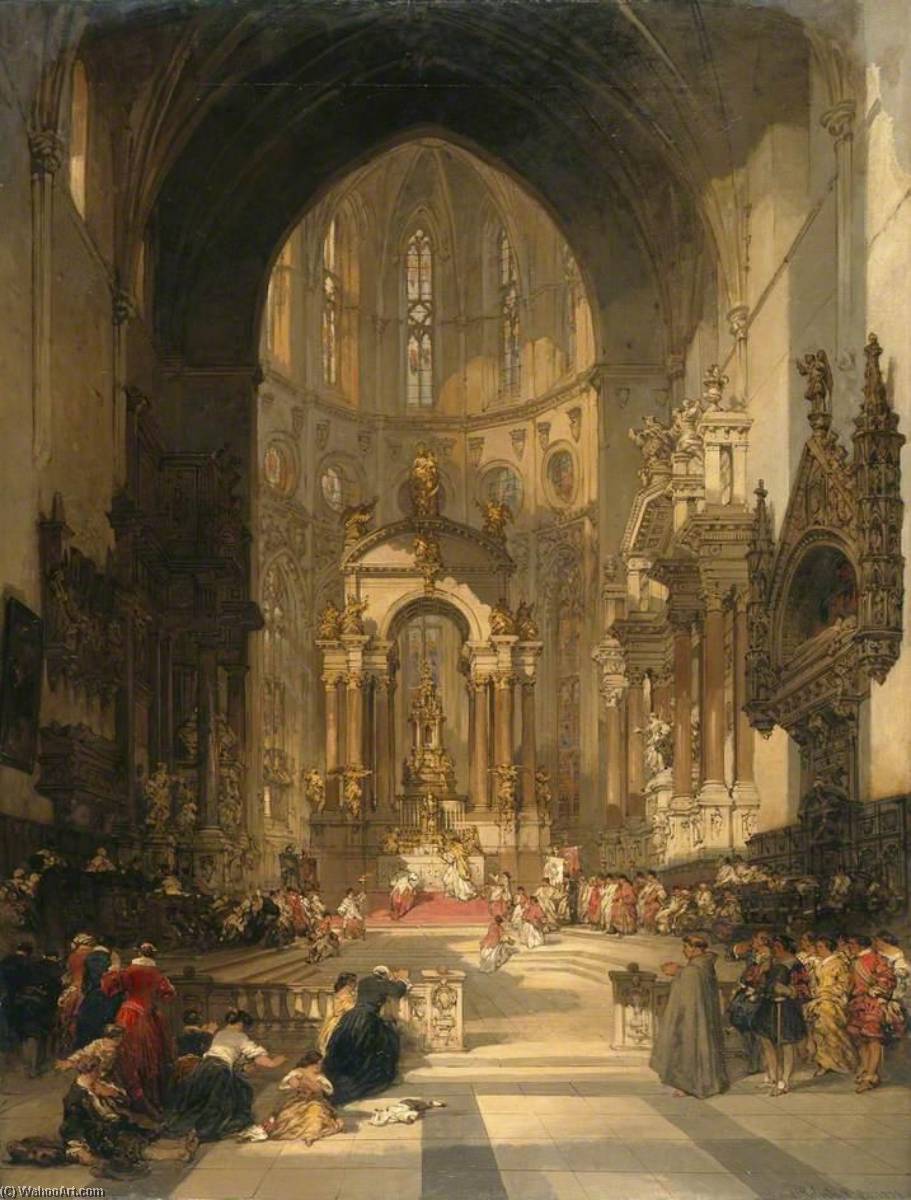
The High Altar of the Church of SS Giovanni e Paolo at Venice


 詳細を見る
詳細を見る
ジークレー/アートプリント
迅速な制作と多彩な仕上げオプションを備えた、ミュージアムクオリティのジークレーまたはキャンバスプリント。 ( 手描きの絵画を購入 画像を購入)




P118B $10

P118H $10

P118W $10

P438Z $10

P508JH $12

P508YH $12

P805H $10

P805Z $10

P919BZ $10

P919G $10

P919XJ $10

P959ZH $10

P968JZ $12

W106C $8

W218G $10

W218JH $8

W218Y $10

W307PJ $10

W316G $10

W316PJ $8

W316Y $10

W398PJ $8

W4111J $10

W500HY $15

W500JH $15

W692G $12

W849H $8

W940BG $15

W953PJ $8




作品のオリジナル比率に合わせた、当店の規定サイズからお選びください。

特定のフレームやスペースに合わせて、ご自身でサイズを指定することも可能です。選択されたサイズが元の画像の比率と一致しない場合、作品をトリミングするか、鏡面反射または単色での塗りつぶしによって画像を拡張いたします。制作を開始する前に、ご確認用のデジタルモックアップをお送りいたします。
画面上のプレビューには、実際のトリミングや拡張は反映されませんのでご注意ください。最終的な構図を正確に確認できるのは、モックアップのみとなります。
カスタムサイズも承っておりますが、元の比率を維持するためには、あらかじめ用意されたリストからサイズを選択することをお勧めいたします。


 ガラスオプションは、110cm未満のサイズでのみご利用いただけます。

The High Altar of the Church of SS Giovanni e Paolo at Venice
ジークレー/アートプリント
複製画のサイズ
-


合計金額
$ 62
The High Altar of the Church of SS Giovanni e Paolo at Venice – A Glimpse into Venetian Grandeur
David Roberts’s “The High Altar of the Church of SS Giovanni e Paolo at Venice” is more than a depiction of a religious scene; it's a meticulously crafted illusion, a testament to 19th-century artistic ambition and a profound exploration of space and light. Painted in 1858, this monumental canvas transports the viewer into the heart of Venice’s historic church, capturing not just its physical form but also the palpable sense of reverence and architectural splendor within. Roberts, a Scottish artist renowned for his Orientalist scenes and detailed lithographs, here demonstrates an extraordinary command of perspective and color, creating a world that feels both utterly real and subtly fantastical.
The painting’s subject is deceptively simple: the high altar of the Church of SS Giovanni e Paolo, a significant landmark in Venice. However, Roberts doesn't merely present a straightforward representation. Instead, he employs a masterful technique known as *quadratura*, a method perfected by Andrea Pozzo and utilized extensively in Venetian churches during the Baroque period. This technique allows artists to create the illusion of three-dimensional space on a flat surface – essentially painting an entire architectural setting that doesn’t actually exist within the confines of the canvas.
A Symphony of Light and Shadow
Roberts's skill lies not just in his understanding of *quadratura*, but also in his ability to manipulate light. The scene is bathed in a warm, golden glow emanating from unseen windows, casting dramatic shadows that accentuate the intricate details of the altar’s carvings, the richly adorned vestments, and the faces of the figures gathered before it. Notice how he uses highlights to draw attention to specific elements – the shimmering gold leaf on the altar itself, the folds of the drapery, and the expressions of awe and devotion on the faces of the onlookers. This careful orchestration of light creates a sense of depth and realism that is truly remarkable.
The composition is carefully balanced, guiding the viewer’s eye through the scene. The figures in the foreground are rendered with a degree of naturalism, while those further back recede into the atmospheric haze, reinforcing the illusion of vast space. Roberts's attention to detail extends to every element – from the intricate patterns on the altar’s marble to the subtle variations in color and texture of the fabrics. The painting is a veritable feast for the eyes, inviting close inspection and repeated viewing.
Historical Context and Artistic Influences
To fully appreciate “The High Altar,” it's crucial to understand its historical context. Venice during the mid-19th century was experiencing a resurgence of artistic patronage, fueled by wealthy merchants and nobles who sought to adorn their churches with magnificent works of art. Roberts’s painting reflects this spirit of grandeur and ambition, echoing the traditions of Venetian High Baroque while simultaneously embracing contemporary techniques. The influence of Andrea Pozzo is particularly evident in the masterful use of *quadratura* and the illusionistic perspective.
Roberts's earlier work as an Orientalist painter also informed his approach to this project. His meticulous attention to detail, his understanding of color and light, and his ability to create a sense of atmosphere are all hallmarks of his distinctive style. The painting demonstrates a remarkable synthesis of these influences, resulting in a truly unique and compelling artwork.
Symbolism and Emotional Resonance
Beyond its technical brilliance, “The High Altar” is rich in symbolism. The scene depicts a moment of communal worship, conveying a sense of faith, devotion, and the importance of religious tradition. The altar itself represents the sacred heart of the church, a focal point for prayer and reflection. The figures gathered before it embody the diverse range of people who come together to honor their beliefs.
The painting evokes a powerful emotional response – a sense of awe, reverence, and perhaps even nostalgia. It transports us back in time to a world where religious art played a central role in everyday life, offering a glimpse into the beauty and grandeur of Venetian culture. Reproductions of this artwork offer a way to bring this feeling of timeless splendor into any space.
関連作品

アーティストの略歴
デヴィッド・ロバーツの生涯と芸術
デヴィッド・ロバーツ(1796-1864)は、スコットランド出身の画家であり、オリエンタリズム絵画と精緻なリトグラフで知られています。彼の作品は、19世紀の中東の貴重な視覚的記録を提供し、芸術的な表現と歴史的記録を架橋しています。
初期の生活とキャリア
ロバーツは1796年10月24日、エディンバラ近郊のストックブリッジで生まれました。彼の幼少期は実践的な訓練によって特徴づけられました。10歳になると、家の画家兼装飾職人のギャビン・ビューゴのもとで徒弟として働き始めました。この基礎的な経験が、彼に確固たる技術的スキルを身につけさせ、夜間の美術研究を通して補完されました。
彼の初期のプロとしての仕事には、1815年のスコーン宮殿の内装がありました。その後、ジェームズ・バニスターのサーカスで舞台装置の制作に移行し、没入感のある環境を作り出すスキルを磨きました。これらの初期の経験が、彼が後の著名なオリエンタリズム画家として成功するための基礎を築きました。
芸術的旅路と影響
ロバーツの芸術的発展は、異なる文化や風景に対する関心の高まりによって形作られました。当初は劇場的な舞台装置に焦点を当てていましたが、徐々に独立した芸術的追求へと移行していきました。1832年のスペインへの旅行は画期的であり、建築の詳細とエキゾチックな場所への興味を刺激しました。
しかし、1838年から1840年までのエジプトおよび近東への広範なツアーが、彼のキャリアを決定づけました。これらの旅は、彼に豊富なスケッチと観察を提供し、後に最も有名な作品へと翻訳されました。彼のスタイルは特定の芸術家から強く影響を受けていたわけではなく、むしろ注意深い観察と技術的な習熟から発展しました。
主な作品と業績
ロバーツは、「聖地、シリア、イドメア、アラビア、エジプト、ヌビア」 – 精緻なリトグラフのシリーズで最もよく知られています。これらの画像は、古代遺跡の壮大さとこの地域の現代生活の活気を捉えました。
- リトグラフ: 彼の作品は広く流通し、ヨーロッパの人々が中東に対する認識を形成する上で大きな影響力を持っていました。
- 絵画: また、油絵も多数制作しており、多くの場合、広大な風景や壮大な建築物を描いた大規模な作品でした。
1841年、ロバーツは王立アカデミー会員に選出され、芸術界への貢献が認められました。
芸術的スタイルと特徴
ロバーツの芸術的スタイルは次のように特徴づけられます:
- オリエンタリズム: 中東のシーンを描くことに重点を置き、「東洋」に対するヨーロッパの魅力を反映しています。
- 細部へのこだわり: 彼の作品はその精度と正確さで知られており、建築の詳細、衣装、風景が緻密に描かれています。
- 風景画&街並み: ロマン主義的な感性と詳細な観察を巧みに組み合わせ、自然環境と都市設定の両方を鮮やかに表現しました。
遺産と歴史的意義
デヴィッド・ロバーツの作品は、ヨーロッパの人々が中東を普及させる上で重要な役割を果たしました。彼の画像は、多くの人々にとってほとんど知られていなかった地域への視覚的な窓を提供し、旅行、学問、芸術的表現に影響を与えました。
彼のリトグラフは重要な歴史的文書として機能し、それ以来変化または失われたサイトの画像を保存しました。彼はアート界に消えない足跡を残し、後世のアーティストを鼓舞し、今日でも鑑賞者を魅了し続けています。
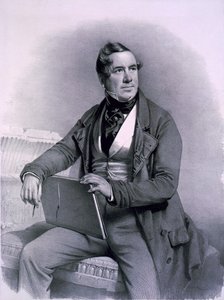
デイヴィッド・ロバーツ
1796 - 1864 , イギリス
基本情報
- Artistic Movement Or Style: オリエンタリズム
- Artists Or Movements Influenced By This Artist:
- ジェナロ・ペレス・ヴィラアミル
- アレクサンダー・ナスミス
- Date Of Birth: 1796年10月24日
- Date Of Death: 1864年
- Full Name: デイヴィッド・ロバーツ
- Nationality: スコットランド人
- Notable Artworks (List Of Titles): ['聖地シリーズ']
- Place Of Birth (City And Country): スコットランド、ストックブリッジ
関連記事

David Roberts: A Scottish Pioneer of Topographical Art & Orientalist Vision
Explore the captivating world of David Roberts, a pioneering Scottish painter renowned for his detailed Orientalist scenes & stunning Egyptian landscapes. Discover his legacy and find museum-quality reproductions at ArtsDot.

バロックのドラマ:現代のインテリアに壮麗さと情感を取り込む
バロック様式の歴史、絵画、家具の魅力をご紹介。ArtsDotでは、高品質な油絵複製やカスタムポートレートをご提供し、現代のインテリアに壮麗さと情感を取り入れます。アートコンサルテーションも承ります。

The Dramatic Flourish: Exploring the Baroque Movement's Enduring Legacy in Art History
Explore the dramatic world of Baroque art! Discover iconic artists like Caravaggio & Rubens, defining techniques, and its lasting impact on art history. Expert insights for collectors & enthusiasts at ArtsDot.

バロック美術を極めた至宝:時代を彩る10大名作の世界
バロック美術の華!カラヴァッジョ、ベルニーニら巨匠が創り上げた10大名作を徹底解剖。ドラマチックな色彩と豪華絢爛の世界観に触れ、至宝のアートプリントで空間を彩ろう。ArtsDot.comで美術館品質の複製と洗練されたインテリアを見つけましょう!
Theatricality & Triumph: Baroque Drama in Painting & Sculpture
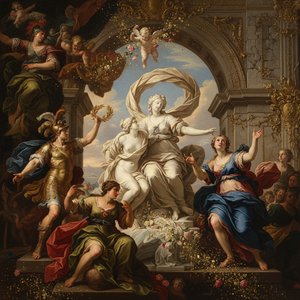
Explore the dramatic world of Baroque art! Discover its history, defining characteristics, & lasting influence on painting & sculpture. Expert insights into Caravaggio, Zurbarán, and Bernini – plus high-quality reproductions at ArtsDot.