 プレビュー
プレビュー
 シェアする
シェアする シェアする
シェアする
 詳細を見る
詳細を見る

 ダウンロード
 似ている作品
 X線調査
X線調査 スライドショー
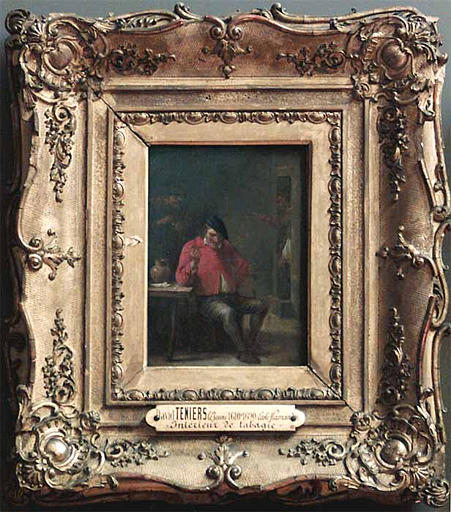
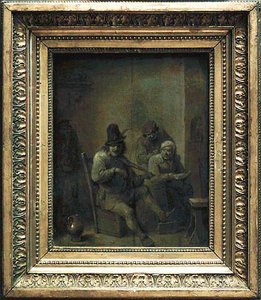
Intérieur de tabagie avec deux fumeurs


 詳細を見る
詳細を見る
ジークレー/アートプリント
迅速な制作と多彩な仕上げオプションを備えた、ミュージアムクオリティのジークレーまたはキャンバスプリント。 ( 手描きの絵画を購入 画像を購入)




P118B $10

P118H $10

P118W $10

P438Z $10

P508JH $12

P508YH $12

P805H $10

P805Z $10

P919BZ $10

P919G $10

P919XJ $10

P959ZH $10

P968JZ $12

W106C $8

W218G $10

W218JH $8

W218Y $10

W307PJ $10

W316G $10

W316PJ $8

W316Y $10

W398PJ $8

W4111J $10

W500HY $15

W500JH $15

W692G $12

W849H $8

W940BG $15

W953PJ $8




作品のオリジナル比率に合わせた、当店の規定サイズからお選びください。

特定のフレームやスペースに合わせて、ご自身でサイズを指定することも可能です。選択されたサイズが元の画像の比率と一致しない場合、作品をトリミングするか、鏡面反射または単色での塗りつぶしによって画像を拡張いたします。制作を開始する前に、ご確認用のデジタルモックアップをお送りいたします。
画面上のプレビューには、実際のトリミングや拡張は反映されませんのでご注意ください。最終的な構図を正確に確認できるのは、モックアップのみとなります。
カスタムサイズも承っておりますが、元の比率を維持するためには、あらかじめ用意されたリストからサイズを選択することをお勧めいたします。


 ガラスオプションは、110cm未満のサイズでのみご利用いただけます。

Intérieur de tabagie avec deux fumeurs
ジークレー/アートプリント
複製画のサイズ
-


合計金額
$ 62
A Window Into Flemish Life: David Teniers II’s “Intérieur de Tabagie avec Deux Fumeurs”
David Teniers the Younger's "Intérieur de tabagie avec deux fumeurs" (Interior of a Tobacco Shop with Two Smokers) offers more than just a snapshot of 17th-century Flemish life; it’s a meticulously rendered tableau brimming with quiet observation and subtle social commentary. Painted around 1645, this oil on panel work transports the viewer to a dimly lit tobacco shop, a commonplace yet surprisingly vibrant scene captured with remarkable detail and a keen eye for human interaction. The painting isn't merely decorative; it’s a window into a specific time and place, inviting us to contemplate the rituals and social dynamics of everyday life in Antwerp.
Teniers, a master of genre painting, expertly employs the techniques characteristic of his era – a style deeply rooted in Flemish Baroque traditions. Notice the masterful use of *chiaroscuro*, the dramatic interplay of light and shadow that dominates the composition. A single, unseen window casts a soft glow across the room, highlighting key elements while leaving much of the scene shrouded in atmospheric darkness. This technique isn’t just for aesthetic effect; it serves to draw attention to the central figures and imbues the scene with a sense of intimacy and drama. The brushstrokes themselves are visible, contributing to the painting's textural richness and lending a palpable sense of realism – a hallmark of Teniers’ work.
The Anatomy of a Scene: Composition and Detail
The composition is carefully balanced, drawing the eye towards the seated man in the foreground. He occupies a slightly off-center position, creating visual interest and preventing the scene from feeling static. A second figure, partially obscured in the background, adds depth and hints at a larger social context. The arrangement of objects – the wooden table, the ceramic jug, the pipes – is deliberate, reflecting a pragmatic yet comfortable domesticity. Observe the details: the wrinkles on the man’s face, the texture of his clothing, the subtle variations in color that bring each element to life. Teniers' meticulous attention to detail elevates this scene beyond mere representation; it becomes a study of human character and environment.
Symbolism and Social Commentary
Beyond its visual appeal, “Intérieur de tabagie” carries layers of symbolic meaning. Smoking was a widespread social activity during the 17th century, representing leisure, camaraderie, and even status. The two men engaged in this shared ritual suggest a moment of relaxed conversation and connection. The presence of the ceramic jug hints at hospitality and the offering of refreshment – a common practice in tobacco shops. Furthermore, the scene subtly critiques the social hierarchy of the time; while one man appears more affluent, both are equally immersed in the simple pleasure of smoking.
A Legacy of Flemish Realism
David Teniers II’s “Intérieur de tabagie avec deux fumeurs” stands as a testament to the enduring appeal of genre painting and the artist's mastery of technique. It exemplifies the meticulous observation, dramatic lighting, and nuanced social commentary that defined the Flemish Baroque tradition. The work’s continued relevance lies in its ability to transport us back in time, offering a glimpse into the everyday lives of people who lived centuries ago. Reproductions of this captivating scene continue to resonate with art lovers and interior designers alike, providing a touch of historical charm and understated elegance to any space.
関連作品
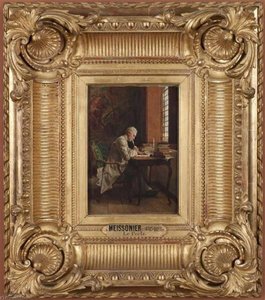
アーティストの略歴
ミケランジェロ・メリジ・ダ・カラヴァッジョ:光と影の革命児
カラヴァッジョの名でより広く知られるミケランジェロ・メリジは、美術史において最も激しい論争を巻き起こし、かつ深遠な影響を与え続けている人物の一人です。1571年にミラノに生まれた彼の人生は、類まれなる芸術的才能と、絵画に注ぎ込まれた情熱をそのまま映し出したかのような、劇的な出来事の渦中の中にありました。その短くも爆発的なキャリアは、ヨーロッパ絵画の行く末を決定的に変え、今日に至るまでアーティストたちの心に響き続ける技法やアプローチを確立しました。カラヴァバーッジョの遺産は、単なる革新的なスタイルにとどまりません。それは、既存の慣習に挑み、人間の不完全な美しさをありのままに描き出そうとした、その揺るぎない意志に宿っているのです。カラヴァッジョの初期の年月は、活気あふれるミラノの芸術界において、自らの存在を認めさせるための葛藤の日々でした。当初、彼は果物や花を描いた静物画を専門とし、街頭での販売を通じてささやかな生計を立てていました。しかし、この時期こそが、自然の繊細な機微を観察し、絵具の繊細な扱いを習得するための、かけがえのない経験を与えてくれたのです。1592年、彼はさらなる研鑽と豊かな文化的環境を求め、当時、芸術的革新の揺るぎない中心地であったローマへと移り住みました。ローマの活気に満ちた空気は、彼にとって魅惑であると同時に、試練でもありました。そこは芽生え始めた才能に舞台を与えてくれる場所でしたが、同時に競争の激しい芸術界の誘惑や圧力にさらされる場所でもあったのです。
光と影がもたらす劇的な衝撃
カラヴァッマックスの芸術的突破口は、当時主流であったルネサンスの理想からの、急進的な脱却から生まれました。同時代の多くの画家たちが好んだ、洗練され理想化された人物像とは対照的に、カラヴァッジョは驚くべきリアリズムをもって主題を描き出しました。彼はしばしば、街角で見かけた人々を直接モデルとして招き入れたのです。さらに決定的なのは、明暗の劇的なコントラストを生み出す「キアロスクーロ(明暗法)」の卓越した操作を通じて、絵画に革命をもたらしたことです。彼は、通常は見えない窓から差し込むような、単一の強烈な光源を用いることで、主要な人物を照らし出す一方で、背景を深い闇へと沈め込みました。この技法は、まるで場面が鑑賞者の目の前で繰り広げられているかのような、強烈な臨場感を生み出したのです。キース・クリスチャンセンが『カラヴァッジョ(ミケランジェロ・メリジ)(1571–1610)とその追随者たち』の中で述べているように、「カラヴァッジョは人物を画面の最前面へと押し出し、光を用いることで劇的なインパクトを高め、人物に即時性という性質を与えた」のです。このアプローチは、伝統的な錯視的空間を打ち砕き、鑑賞者をドラマの渦中へと直接引き込みました。彼の光の使い方は、単なる技術的な手法ではありませんでした。それは深い象徴性を秘めていたのです。カラヴァなるッジョは、強烈な感情や霊的な啓示の瞬間を際立たせるために、しばしば方向性のある強い光を用いました。例えば『聖マタイの召命』のような作品では、上方から一条の光が降り注ぎ、キリストの差し伸べられた手を照らし出し、驚愕する使徒の視線を釘付けにします。この技法は、宗教的な場面を極めて個人的な体験へと変容させ、鑑賞者が自らの信仰との関係を深く見つめ直すよう誘うのです。
論争と反逆
カラヴァッジョの芸術的革新が、すべての人に歓迎されたわけではありません。美化されない特徴を持ち、当時の現代的な衣服をまとった普通の人々の描写は、宗教的人物には理想化された表現を割り当てるという、確立された芸術の主題階層に挑戦するものでした。さらに、彼の荒々しく自発的な技法は、より洗練され磨き上げられたスタイルを好む批評家たちから、型破りであると見なされました。また、アトリエの外での彼の生活も同様に波乱に満ちていました。記録によれば、彼は傲慢で反抗的、そして暴力的な感情の爆発を起こしやすい人物であったとされています。乱闘による度重なる逮捕を経験しており、中には切り裂かれたマントを巡る事件や、警察との激しい口論といった悪名高い出来事も含まれていました。彼の人生における最も劇的なエピソードは、1606年に起こりました。彼は、恋人あるいはテニス仲間と伝えられる青年、ラヌッチョ・トマッソーニを刺殺してしまったのです。法の裁きに直面する代わりに、カラヴァッジョはローマを逃亡し、自らの名声を捨てて亡命生活へと身を投じました。この行動と彼の激しい性格は、「危険で予測不可能な芸術家」という彼のイメージを決定づけることとなりました。
波乱の旅路と遺産
カラヴァッジョの旅はナポリ、マルタ、そしてシチリアへと続き、それぞれの地でさらなる紛争と動乱の物語が刻まれました。マルタでは、『聖ヨハネの首斬り』を描いた後に聖ヨハネス騎士団への入団を許されましたが、その気性の激しさゆえに、ほどなくして再び投獄されることとなります。最晩年はナポリで過ごしましたが、そこでのバーでの乱闘により重傷を負い、体に消えない傷跡を残しました。こうした困難に見舞われながらも、カラヴァッジョは1610年、おそらく熱病によって命を落とすまで、描き続けることをやめませんでした。そのキャリアの短さや、人生を取り巻く暗い影にもかかわらず、後世の芸術家たちに与えたカラヴァッジョの影響は計り知れません。キアロスクーロにおける革新、モデルとして普通の人々を用いたこと、そして剥き出しの感情を描き出そうとしたその勇気は、レンブラント、ベラスケス、ジェンティレスキを含むヨーロッパ全土の画家たちに深い衝撃を与えました。彼の作品は、技術的な輝きだけでなく、人間性、信仰、そして光と影が持つ力への深遠な探求として、今なお人々の心を捉えて離さないのです。
さらなる資料
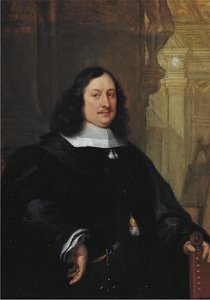
ダヴィド・テニエール2世
1610 - 1690 , イタリア
基本情報
- Artistic Movement Or Style: カラヴァッジズム
- Artists Or Movements Influenced By This Artist: ['バロック']
- Artists Who Influenced This Artist: ['レオナルド・ダ・ヴィンチ']
- Date Of Birth: 1571年
- Date Of Death: 1610年
- Full Name: ミケランジェロ・メリジ・ダ・カラヴァッジオ
- Nationality: イタリア
- Notable Artworks:
- 聖マタイの召命
- エマオの晩餐
- ダビデとゴリアテ
- 聖母の死
- Place Of Birth: ロンバルディア州、ミラノ
関連記事
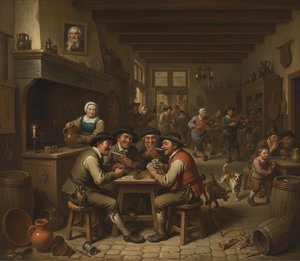
David Teniers II: Master of Flemish Genre & Social Commentary
Explore the captivating world of David Teniers II, a leading Flemish Baroque painter renowned for his lively genre scenes & insightful social commentary. Discover his masterpieces and legacy with ArtsDot.
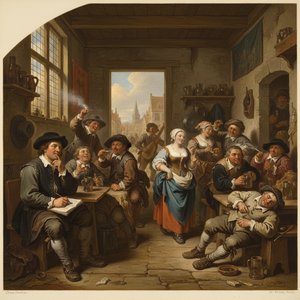
David Teniers the Younger: Genre Painting & Social Commentary in Baroque Flanders
Explore the captivating world of David Teniers the Younger, a leading Flemish Baroque painter. Discover his genre scenes, social commentary, and lasting influence on 17th-century art. Learn about his life, techniques & legacy.
Sir David Wilkie: Narrative Detail & the Rise of Victorian Genre Painting
Explore the life & work of Sir David Wilkie, a pivotal figure in Victorian genre painting. Discover his narrative detail, social commentary, and lasting influence on 19th-century British art. Learn more at ArtsDot.
Scenes of Daily Life: A Comprehensive Exploration of Genre Painting Through History
Explore the rich history of genre painting! Discover Dutch Masters & European artists who captured everyday life with stunning realism. Learn about symbolism, techniques & lasting influence.
Gerard David: Bridging Late Medieval Tradition with Early Renaissance Humanism
Explore the captivating world of Gerard David, a pivotal figure bridging late medieval artistry with the Early Renaissance. Discover his innovative techniques, religious masterpieces, and enduring legacy – a must-read for discerning art collectors.