

 プレビュー
プレビュー
 プリントを購入
 シェアする
シェアする シェアする
シェアする
 詳細を見る
詳細を見る

 ダウンロード
 似ている作品
 X線調査
X線調査 スライドショー
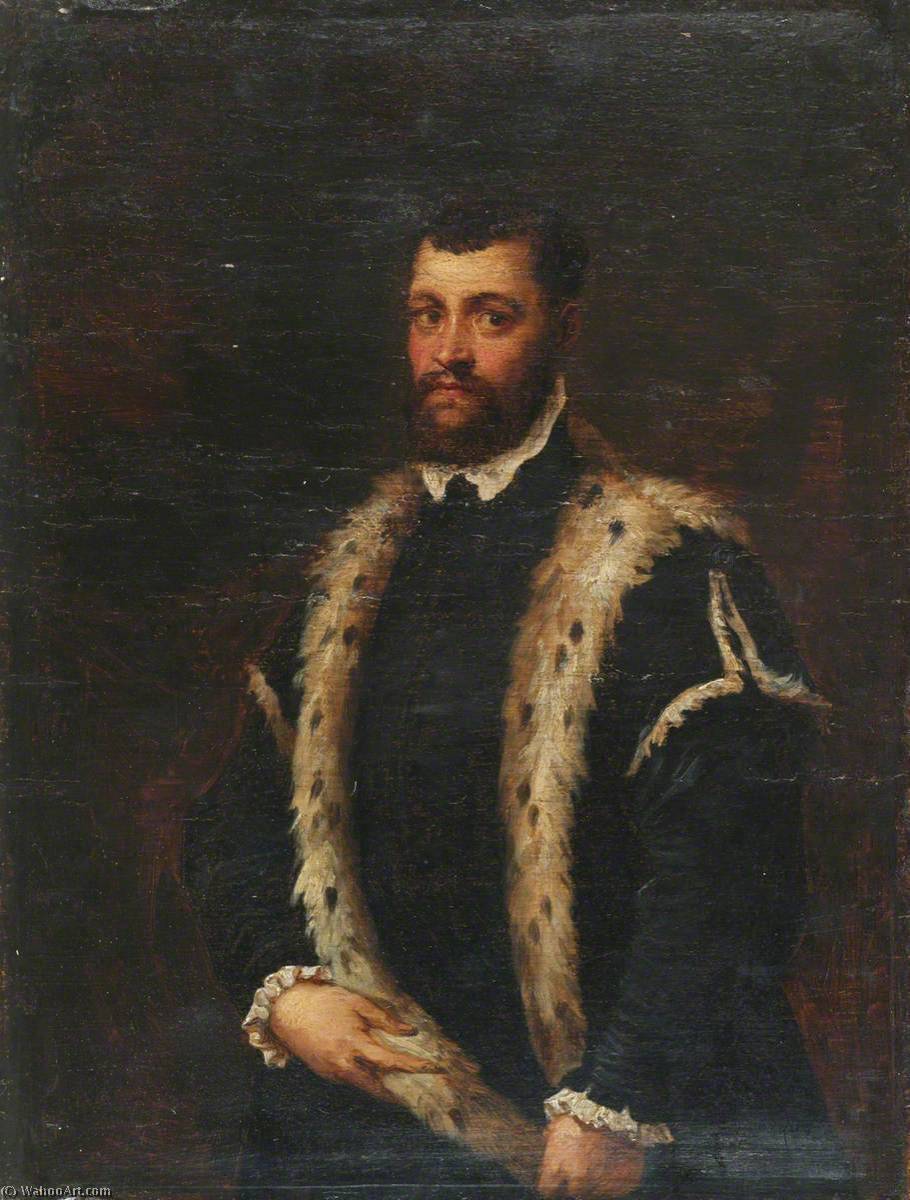
Portrait of a Man (after Titian)
 Oil On Canvas
- WallArt
- Baroque Flemish
 1656
1656 23.0 x 17.0 cm
 Courtauld Gallery
 詳細を見る
詳細を見る
オンラインプレビューをはるかに凌ぐ、高解像度で鮮明なデジタル画像をご購入いただけます。
各ファイルは、社内の専門家が高度なツールと熟練した手作業によるレタッチを用いて、細心の注意を払って準備されています。すべての画像において、卓越した鮮明度、正確な色彩再現性、そして繊細なディテールを保証いたします。
最終ファイルは、プロフェッショナルな編集・印刷環境ですぐにご利用いただけるよう最適化された状態で、72時間以内にメールにてお届けいたします。これは、一流のデザインスタジオ、出版社、ギャラリーから信頼されているものと同等の品質です。
デジタル画像のご注文に付随する特典
高品質なデジタル画像配信を、確かな品質で。
ArtsDot.com を選ぶことは、単に画像を手に入れることではありません。それは、プロの手によって精密に仕上げられ、満足保証が付いた高品質なデジタルアートワークを受け取ることを意味します。ご注文いただいた際に自動的に付随する内容は、以下の通りです:

メールですぐにお届け
ご注文から72時間以内に、高解像度のデジタル画像ファイルがメールでお手元に届きます。すぐにそのままご利用いただけます。

AI技術で最適化されたデジタルファイル
お客様の作品は、高度なAIツールと専門家による手作業の編集を組み合わせてプロフェッショナルに最適化されており、細部のディテール、鮮明さ、そして正確な色再現性を最大限に引き出しています。

一生涯無料の再送サービス
ファイルを誤って削除したり、紛失してしまったりしましたか?ご安心ください。いつでも無料で再送いたします。

輸入手数料は一切かかりません
関税や手数料、配送料を気にすることなく、お気に入りのアートワークをすぐにお楽しみいただけます。デジタルダウンロードは常に免税です。

色彩再現の保証
プロ仕様のツールとカラーマネジメント技術を用いることで、デジタル画像が元の色を最大限に忠実に再現することを保証いたします。

60日間満足保証
ご購入いただいたデジタル画像にご満足いただけない場合は、60日以内であれば、修正または100%の返金(理由を問う必要はありません)をさせていただきます。

100% 返金保証
ご満足いただけない場合は、デジタルファイルを受け取ってから60日以内であれば、理由を問わず全額返金いたします。

まとめ買い割引
3枚購入で10%OFF - 5枚購入で15%OFF - 10枚以上購入で20%OFF。クリエイティブなプロジェクト、ギャラリー、エージェンシーに最適です。
Portrait of a Man (After Titian) – A Window into Renaissance Intrigue
David Teniers the Younger’s “Portrait of a Man (after Titian)” is more than just a depiction of an individual; it's a carefully constructed tableau brimming with subtle details that whisper tales of status, wealth, and the burgeoning intellectual currents of 17th-century Flanders. Executed in 1651-1656, this remarkable work stands as a testament to Teniers’ extraordinary versatility – his ability to both faithfully emulate the grandeur of Titian and infuse it with his own distinctive Flemish sensibility. The painting itself is an oil on panel, measuring a modest 911 x 1200 pixels, yet within its relatively small dimensions resides a wealth of visual information that rewards careful observation.
At first glance, the portrait presents a man of considerable presence, clad in the dark formality of a black coat trimmed with luxurious fur. The rich texture of this garment immediately speaks to his social standing – a merchant, perhaps, or a member of the landed gentry. The meticulously rendered details—the subtle sheen of the velvet, the precise stitching of the cuffs—are hallmarks of Teniers’ meticulous approach. However, it's not merely the material that defines him; it’s the way he wears it, with an air of quiet confidence and understated authority. His gaze, directed squarely at the viewer, is both engaging and slightly enigmatic, inviting us to contemplate his thoughts and motivations.
The Echoes of Titian – A Masterful Homage
Teniers’ debt to Titian is undeniable, most strikingly evident in the composition itself. The pose—a turn of the body, a tilt of the head—is directly borrowed from Titian's seminal “A Man with a Quilted Sleeve,” a painting that had captivated artists for decades and served as a model for countless portraits. The use of a parapet – a low wooden ledge projecting slightly beyond the figure – is another key element, mirroring Titian’s innovative approach to creating depth and visual interest within a portrait format. This device subtly shifts the perspective, drawing the viewer into the scene and blurring the boundaries between subject and space.
Yet, Teniers doesn't simply copy Titian; he transforms it. The lighting is softer, more diffused than in the Venetian master’s work, lending a sense of intimacy to the portrait. Furthermore, Teniers adds his own subtle touches – a delicate lace collar, a glimpse of a patterned waistcoat beneath the coat—that imbue the image with a distinctly Flemish character. This skillful blending of influences demonstrates Teniers' deep understanding and appreciation for the artistic traditions he inherited.
Symbolism and Social Commentary
Beyond its formal qualities, “Portrait of a Man” offers glimpses into the social and intellectual landscape of 17th-century Flanders. The man’s attire—the fur trim, the elaborate coat—suggests wealth and status, but also hints at the burgeoning mercantile activity that was transforming the region. The inclusion of details like the patterned waistcoat could be interpreted as a subtle display of taste and refinement – a way for the sitter to signal his membership in the upper echelons of society.
Interestingly, the painting’s provenance suggests a connection to the world of diplomacy and cultural exchange. It was acquired by Archduke Leopold Wilhelm, a renowned art collector who served as curator of the Habsburg Netherlands. This association underscores the importance of art as a tool for political influence and cultural prestige during this period. The portrait likely served not only as a personal memento but also as a symbol of the archdukes’ patronage of Flemish artists.
A Timeless Portrait – Capturing Essence
“Portrait of a Man (after Titian)” is more than just a beautiful painting; it's a window into a bygone era. Through his masterful technique and astute observation, David Teniers the Younger has created an image that transcends its historical context, speaking to universal themes of identity, status, and human connection. Its enduring appeal lies in its ability to capture not only the outward appearance of the sitter but also something deeper—a sense of personality, character, and perhaps even a hint of mystery. Reproductions of this piece offer an exceptional opportunity to bring this captivating portrait into any space, adding a touch of Renaissance elegance and intellectual intrigue.
関連作品
作家の略歴
ダビド・テニールス младший:フランドルの日常生活を描いた巨匠
1610年12月15日、ベルギーのアントワープに生まれたダビド・テニールス младшийは、フランドル美術の豊かな伝統を受け継ぐ画家の一族に生まれました。父であるダビド・テニールス старшийもまた画家であり、彼の兄弟たちも芸術の道を歩みました。幼少の頃から父のもとで絵画技法を学びましたが、一家が経済的に苦しい時期もあったため、若い頃から古い巨匠たちの作品を模写して家計を助けることもありました。この経験は、彼に古典的な様式への深い理解をもたらし、後の彼の作風形成に大きな影響を与えました。芸術的発展と影響
テニールス младшийの初期の作品は、父の影響を強く受けており、小規模なキャビネット絵画が中心でした。しかし、ピーテル・ブリューゲル старшийのようなフランドルの巨匠たちの影響も吸収し、独自のスタイルを築き始めます。彼の芸術的発展における転換点は、ピーター・ポール・ルーベンスとの交流でした。彼はヤン・ブリューゲル старшийの娘であるアンナ・ブリューヘルと結婚し、ルーベンスが結婚式の証人となり、親密な関係を築きました。この出会いは、テニールス младшийに新たな視点を与え、彼の芸術性を大きく開花させるきっかけとなりました。彼は次第に風俗画—日常生活を描いた絵画—に特化し、農民の祭り(ケルメッセ)、居酒屋の内装、村の風景など、生き生きとした場面で知られるようになりました。主要な作品と芸術様式
テニールス младшийの最も有名な作品は、彼の風俗画です。これらの絵画は、陽気さ、踊り、飲酒、ゲームなどで満ちた農民たちの賑やかな場面を描いています。「フランドルのケルメッセ」シリーズはそのスタイルを象徴しており、鮮やかな色彩、緻密な構図、そして人間の行動に対する鋭い観察眼が特徴です。また、彼は魅力的な風景画も制作し、しばしば田舎での活動に従事する人々を取り入れました。彼の居酒屋の場面は特に注目に値し、日常生活をリアルに描き出し、これらの場所の活気に満ちた雰囲気を巧みに表現しています。宮廷画家とキュレーターとしての役割
テニールス младшийの才能はハプスブルク宮廷で認められ、スペイン領ネーデルラント総督であったレオポルド・ヴィルヘルム大公の宮廷画家兼キュレーターとなりました。彼は大公の膨大な美術コレクションの管理を担当し、作品の目録を作成して分類しました。さらに、テニールス младшийはアントワープ美術アカデミーの設立にも重要な役割を果たし、ルーベンスとファン・ダイクの死後、衰退していたフランドル絵画を活性化させることを目指しました。歴史的意義と遺産
ダビド・テニールス младшийは、同時代の主要な風俗画家とみなされ、17世紀の生活の本質を見事に捉えました。彼の作品は、その後の北ヨーロッパの画家たちに影響を与え、アントワーヌ・ワトーのようなフランスのロココ様式の芸術家にも影響を及ぼしました。彼は非常に多作な画家であり、その膨大な作品群は、今日でもその魅力、詳細さ、そして歴史的洞察力によって高く評価されています。1690年4月25日にアントワープで亡くなりましたが、フランドルにおける最も重要なバロック様式の画家のひとりとして、彼の遺産は今もなお色褪せることなく残っています。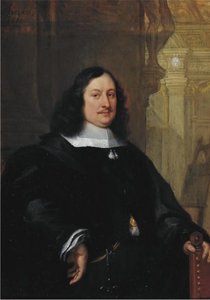
ダフィット・テニールス(若者)
1610 - 1690 , ベルギー
プロフィール概要
- Artistic Movement Or Style: バロック様式
- Artists Or Movements Influenced By This Artist: アントワーヌ・ワトー
- Artists Who Influenced This Artist:
- ピーテル・ブリューゲル(長老)
- ルーベンス
- Date Of Birth: 1610年12月15日
- Date Of Death: 1690年4月25日
- Full Name: ダビド・テニールス2世
- Nationality: フランドル人
- Notable Artworks (List Of Titles):
- 酔っ払いの二人
- 村の風景
- 台所の場面
- フランドルのカーメス
- Place Of Birth (City And Country): アントワープ、ベルギー

