 プレビュー
プレビュー
 シェアする
シェアする シェアする
シェアする
 詳細を見る
詳細を見る

 ダウンロード
 似ている作品
 X線調査
X線調査 スライドショー
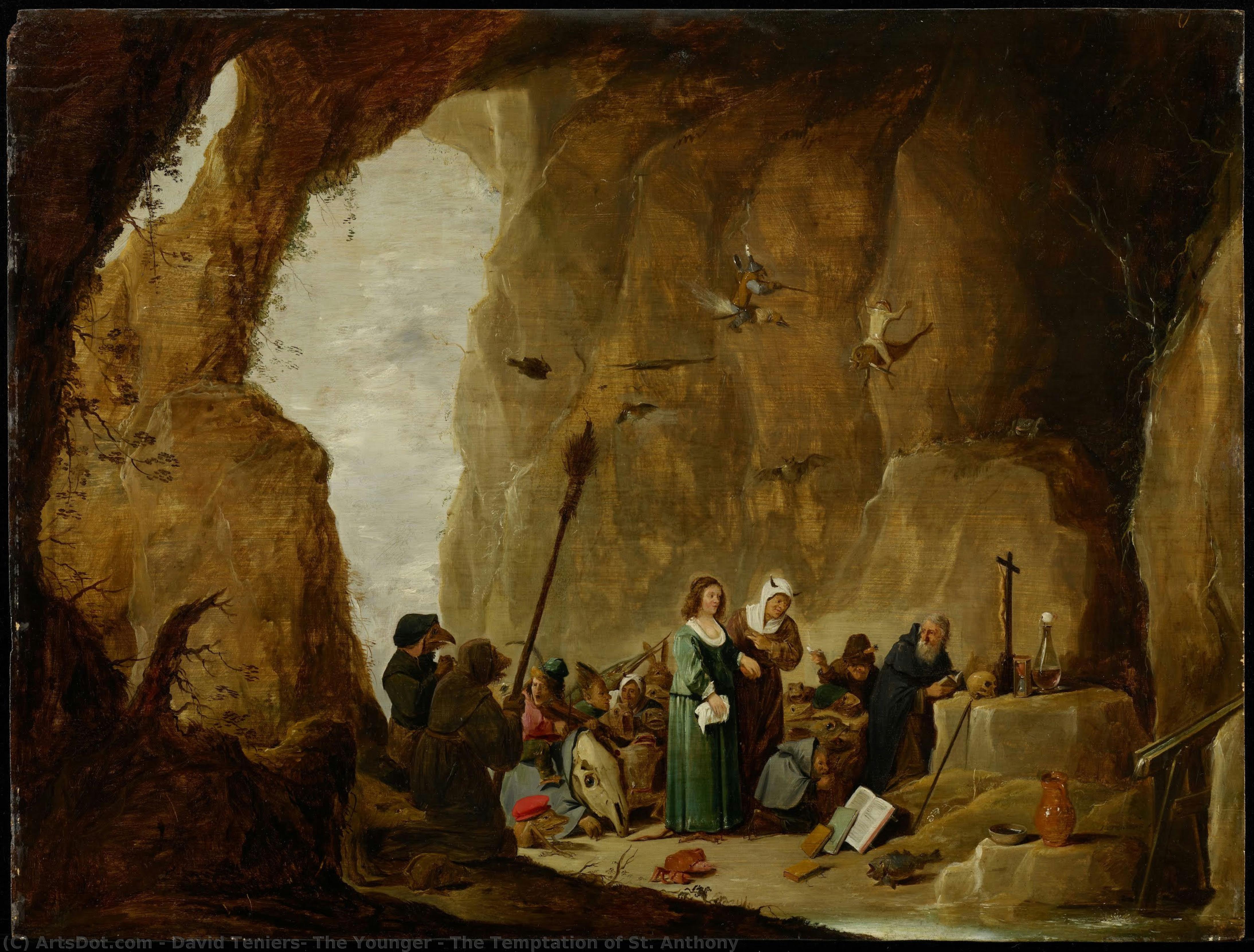
The Temptation of St. Anthony


 詳細を見る
詳細を見る
ジークレー/アートプリント
迅速な制作と多彩な仕上げオプションを備えた、ミュージアムクオリティのジークレーまたはキャンバスプリント。 ( 手描きの絵画を購入 画像を購入)




P118B $10

P118H $10

P118W $10

P438Z $10

P508JH $12

P508YH $12

P805H $10

P805Z $10

P919BZ $10

P919G $10

P919XJ $10

P959ZH $10

P968JZ $12

W106C $8

W218G $10

W218JH $8

W218Y $10

W307PJ $10

W316G $10

W316PJ $8

W316Y $10

W398PJ $8

W4111J $10

W500HY $15

W500JH $15

W692G $12

W849H $8

W940BG $15

W953PJ $8




作品のオリジナル比率に合わせた、当店の規定サイズからお選びください。

特定のフレームやスペースに合わせて、ご自身でサイズを指定することも可能です。選択されたサイズが元の画像の比率と一致しない場合、作品をトリミングするか、鏡面反射または単色での塗りつぶしによって画像を拡張いたします。制作を開始する前に、ご確認用のデジタルモックアップをお送りいたします。
画面上のプレビューには、実際のトリミングや拡張は反映されませんのでご注意ください。最終的な構図を正確に確認できるのは、モックアップのみとなります。
カスタムサイズも承っておりますが、元の比率を維持するためには、あらかじめ用意されたリストからサイズを選択することをお勧めいたします。


 ガラスオプションは、110cm未満のサイズでのみご利用いただけます。

The Temptation of St. Anthony
ジークレー/アートプリント
複製画のサイズ
-


合計金額
$ 62
作品詳細説明
The Tormented Saint: David Teniers the Younger’s “The Temptation of St. Anthony”
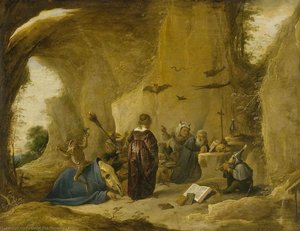
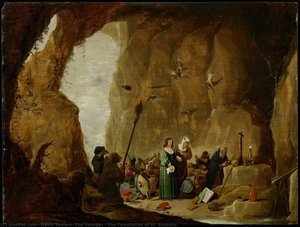
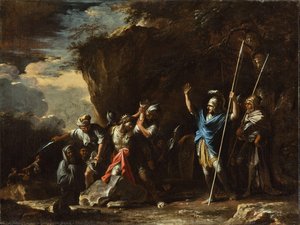
David Teniers the Younger's "The Temptation of St. Anthony," painted around 1640, is not merely a depiction of a biblical scene; it’s a visceral exploration of faith, vulnerability, and the relentless struggle against inner demons. This arresting work, housed within the confines of a rugged, cavernous landscape reminiscent of the arid landscapes associated with the saint's solitary life, immediately plunges the viewer into an atmosphere of profound unease and psychological tension. Teniers, a master of Flemish Baroque painting, skillfully employs a rich tapestry of color, dramatic lighting, and intricate detail to convey the saint’s agonizing battle against overwhelming temptation – a battle that resonates far beyond the confines of religious iconography.
The composition itself is deliberately chaotic, mirroring the turmoil within St. Anthony's soul. The central figure, rendered in muted browns and ochres, kneels in a posture of desperate resistance, clutching a wooden cross as if to ward off an unseen threat. His face, etched with worry and exhaustion, reflects the weight of his ordeal. Surrounding him is not a serene wilderness but a grotesque parade of fantastical creatures – beaked beasts dressed as pilgrims, a grinning toad, a diminutive dwarf riding a skeletal animal, and shadowy figures that evoke the very essence of demonic influence. These aren’t simply monstrous additions; they are potent symbols representing the myriad forms temptation can take: worldly desires, fleeting pleasures, and the insidious whispers of doubt.
Teniers' technical mastery is evident in every brushstroke. The artist utilizes a layered technique, building up textures with meticulous detail to capture the rough surfaces of the rocks, the shimmering scales of the fantastical beasts, and the folds of St. Anthony’s garments. Notice particularly the use of glazing – thin layers of translucent paint applied over dried underlayers – which creates an astonishing sense of depth and luminosity within the shadowed recesses of the cave. The lighting is dramatically directional, casting long, stark shadows that heighten the feeling of claustrophobia and isolation. This chiaroscuro effect not only emphasizes St. Anthony’s vulnerability but also draws the viewer's eye to the central drama unfolding before them.
A Symphony of Symbolism
Beyond its immediate visual impact, “The Temptation of St. Anthony” is a treasure trove of symbolic meaning. The setting itself – a desolate, rocky landscape – represents the spiritual wilderness that St. Anthony must traverse to achieve enlightenment. The presence of the various demonic figures isn’t simply a depiction of evil; it's an allegory for the internal struggles inherent in any path towards faith. Each creature embodies a specific temptation: the pilgrims represent worldly distractions, the toad symbolizes deceit, and the dwarf embodies greed. Even the seemingly innocuous objects – the statue of a nude woman, the obelisk, the tower – carry symbolic weight, representing lust, ambition, and pride.
The inclusion of elements from classical antiquity—the Roman obelisk, for instance—adds another layer of complexity to the painting. It suggests a tension between the saint’s spiritual struggle and the enduring legacy of human civilization. The reference to the Escorial, a grand palace in Spain commissioned by Philip II, further reinforces this theme, hinting at the conflict between earthly power and divine authority. The reversed hooves of the horse figure, representing Satan, are a particularly striking detail—a visual echo of medieval iconography that emphasizes the forces of darkness.
Flemish Baroque at its Finest
“The Temptation of St. Anthony” is a quintessential example of Flemish Baroque painting, showcasing the movement’s characteristic blend of realism, dramatic intensity, and intricate detail. David Teniers the Younger, deeply influenced by his father and master Rubens, expertly combines these elements to create a work that is both visually stunning and profoundly moving. The artist's meticulous attention to texture—the rough stone, the shimmering scales, the folds of fabric—grounds the fantastical imagery in a tangible reality. Furthermore, Teniers’ ability to evoke a sense of psychological depth through his portrayal of St. Anthony’s tormented expression is truly remarkable.
The painting's emotional impact stems from its honest depiction of human vulnerability and the enduring struggle against temptation. It’s not a triumphant victory over evil but rather a poignant reminder of the constant vigilance required to maintain one’s faith. “The Temptation of St. Anthony” remains a powerful testament to the complexities of the human condition, rendered with exquisite skill and profound insight by David Teniers the Younger.
関連作品
アーティストの略歴
ダビド・テニールス младший:フランドルの日常生活を描いた巨匠
1610年12月15日、ベルギーのアントワープに生まれたダビド・テニールス младшийは、フランドル美術の豊かな伝統を受け継ぐ画家の一族に生まれました。父であるダビド・テニールス старшийもまた画家であり、彼の兄弟たちも芸術の道を歩みました。幼少の頃から父のもとで絵画技法を学びましたが、一家が経済的に苦しい時期もあったため、若い頃から古い巨匠たちの作品を模写して家計を助けることもありました。この経験は、彼に古典的な様式への深い理解をもたらし、後の彼の作風形成に大きな影響を与えました。芸術的発展と影響
テニールス младшийの初期の作品は、父の影響を強く受けており、小規模なキャビネット絵画が中心でした。しかし、ピーテル・ブリューゲル старшийのようなフランドルの巨匠たちの影響も吸収し、独自のスタイルを築き始めます。彼の芸術的発展における転換点は、ピーター・ポール・ルーベンスとの交流でした。彼はヤン・ブリューゲル старшийの娘であるアンナ・ブリューヘルと結婚し、ルーベンスが結婚式の証人となり、親密な関係を築きました。この出会いは、テニールス младшийに新たな視点を与え、彼の芸術性を大きく開花させるきっかけとなりました。彼は次第に風俗画—日常生活を描いた絵画—に特化し、農民の祭り(ケルメッセ)、居酒屋の内装、村の風景など、生き生きとした場面で知られるようになりました。主要な作品と芸術様式
テニールス младшийの最も有名な作品は、彼の風俗画です。これらの絵画は、陽気さ、踊り、飲酒、ゲームなどで満ちた農民たちの賑やかな場面を描いています。「フランドルのケルメッセ」シリーズはそのスタイルを象徴しており、鮮やかな色彩、緻密な構図、そして人間の行動に対する鋭い観察眼が特徴です。また、彼は魅力的な風景画も制作し、しばしば田舎での活動に従事する人々を取り入れました。彼の居酒屋の場面は特に注目に値し、日常生活をリアルに描き出し、これらの場所の活気に満ちた雰囲気を巧みに表現しています。宮廷画家とキュレーターとしての役割
テニールス младшийの才能はハプスブルク宮廷で認められ、スペイン領ネーデルラント総督であったレオポルド・ヴィルヘルム大公の宮廷画家兼キュレーターとなりました。彼は大公の膨大な美術コレクションの管理を担当し、作品の目録を作成して分類しました。さらに、テニールス младшийはアントワープ美術アカデミーの設立にも重要な役割を果たし、ルーベンスとファン・ダイクの死後、衰退していたフランドル絵画を活性化させることを目指しました。歴史的意義と遺産
ダビド・テニールス младшийは、同時代の主要な風俗画家とみなされ、17世紀の生活の本質を見事に捉えました。彼の作品は、その後の北ヨーロッパの画家たちに影響を与え、アントワーヌ・ワトーのようなフランスのロココ様式の芸術家にも影響を及ぼしました。彼は非常に多作な画家であり、その膨大な作品群は、今日でもその魅力、詳細さ、そして歴史的洞察力によって高く評価されています。1690年4月25日にアントワープで亡くなりましたが、フランドルにおける最も重要なバロック様式の画家のひとりとして、彼の遺産は今もなお色褪せることなく残っています。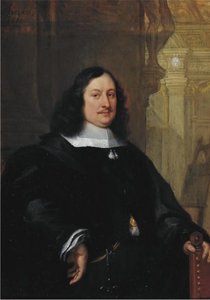
ダフィット・テニールス(若者)
1610 - 1690 , ベルギー
基本情報
- Artistic Movement Or Style: バロック様式
- Artists Or Movements Influenced By This Artist: アントワーヌ・ワトー
- Artists Who Influenced This Artist:
- ピーテル・ブリューゲル(長老)
- ルーベンス
- Date Of Birth: 1610年12月15日
- Date Of Death: 1690年4月25日
- Full Name: ダビド・テニールス2世
- Nationality: フランドル人
- Notable Artworks (List Of Titles):
- 酔っ払いの二人
- 村の風景
- 台所の場面
- フランドルのカーメス
- Place Of Birth (City And Country): アントワープ、ベルギー
関連記事
David Teniers the Younger: Genre Painting & Social Commentary in Baroque Flanders
Explore the captivating world of David Teniers the Younger, a leading Flemish Baroque painter. Discover his genre scenes, social commentary, and lasting influence on 17th-century art. Learn about his life, techniques & legacy.
David Teniers II: Master of Flemish Genre & Social Commentary
Explore the captivating world of David Teniers II, a leading Flemish Baroque painter renowned for his lively genre scenes & insightful social commentary. Discover his masterpieces and legacy with ArtsDot.

バロックのドラマ:現代のインテリアに壮麗さと情感を取り込む
バロック様式の歴史、絵画、家具の魅力をご紹介。ArtsDotでは、高品質な油絵複製やカスタムポートレートをご提供し、現代のインテリアに壮麗さと情感を取り入れます。アートコンサルテーションも承ります。

The Dramatic Flourish: Exploring the Baroque Movement's Enduring Legacy in Art History
Explore the dramatic world of Baroque art! Discover iconic artists like Caravaggio & Rubens, defining techniques, and its lasting impact on art history. Expert insights for collectors & enthusiasts at ArtsDot.

バロック美術を極めた至宝:時代を彩る10大名作の世界
バロック美術の華!カラヴァッジョ、ベルニーニら巨匠が創り上げた10大名作を徹底解剖。ドラマチックな色彩と豪華絢爛の世界観に触れ、至宝のアートプリントで空間を彩ろう。ArtsDot.comで美術館品質の複製と洗練されたインテリアを見つけましょう!