 プレビュー
プレビュー
 プリントを購入
 シェアする
シェアする シェアする
シェアする
 詳細を見る
詳細を見る

 ダウンロード
 似ている作品
 X線調査
X線調査 スライドショー
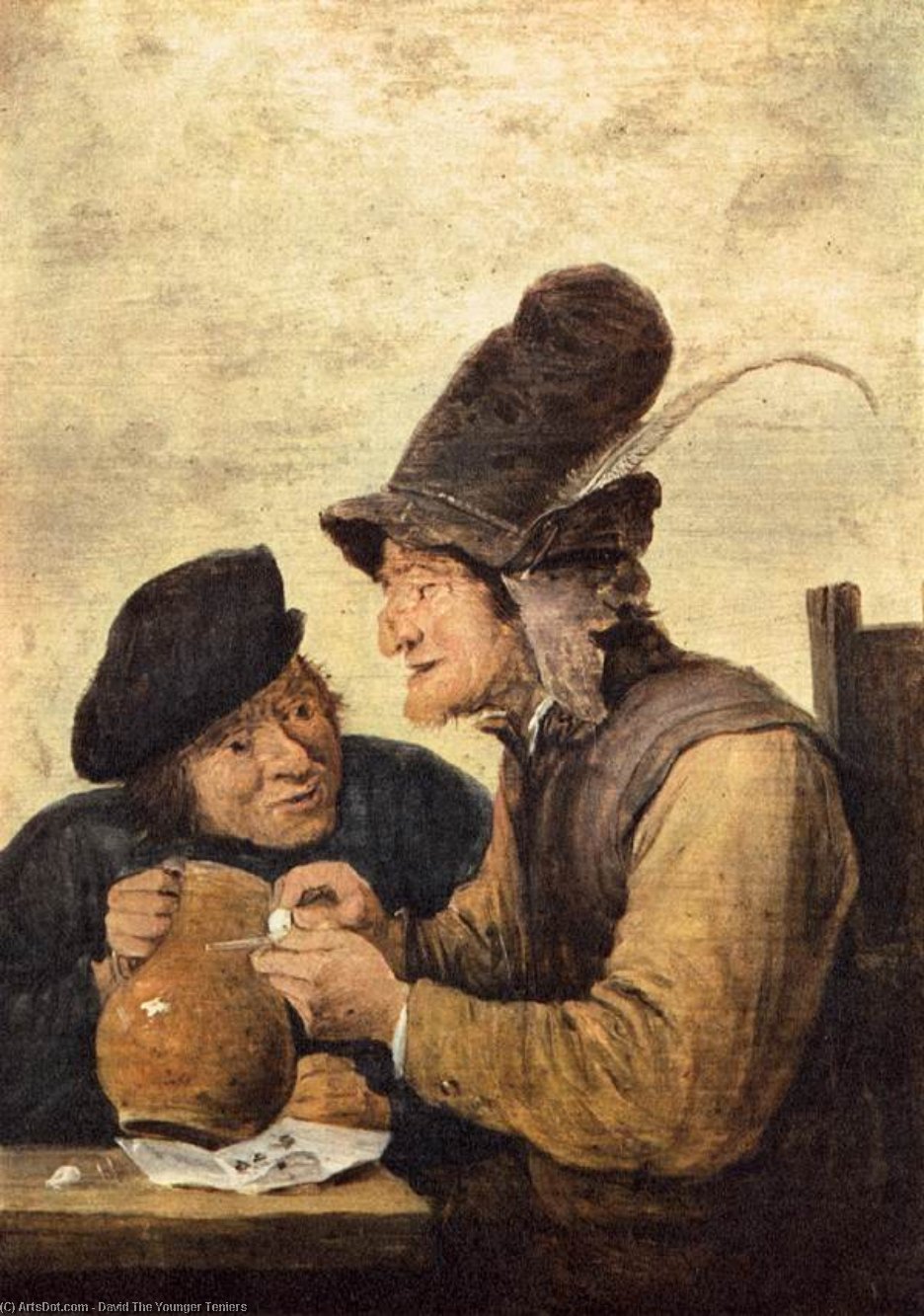
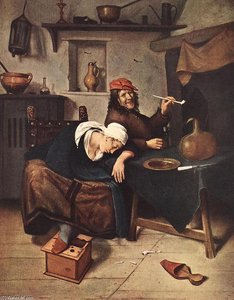
Two Drunkards
 Oil On Canvas
- WallArt
- Dutch Golden Age
 1630
1630- Renaissance
 22.0 x 17.0 cm
 ナショナル・ギャラリー
 詳細を見る
詳細を見る




P118B $10

P118H $10

P118W $10

P438Z $10

P508JH $12

P508YH $12

P805H $10

P805Z $10

P919BZ $10

P919G $10

P919XJ $10

P959ZH $10

P968JZ $12

W106C $8

W218G $10

W218JH $8

W218Y $10

W307PJ $10

W316G $10

W316PJ $8

W316Y $10

W398PJ $8

W4111J $10

W500HY $15

W500JH $15

W692G $12

W849H $8

W940BG $15

W953PJ $8




作品のオリジナル比率に合わせた、当店の規定サイズからお選びください。

特定のフレームやスペースに合わせて、ご希望のサイズをご入力いただけます。選択されたサイズが元の画像の比率と異なる場合、アートワークをトリミングするか、手描きで要素を追加して絵画を拡張いたします。デジタルモックアップ を制作し、制作開始前にご確認(承認)をいただきます。
画面上のプレビューは、実際のトリミングや拡張を正確に反映しているものではありません。最終的な構図は、モックアップによってのみ正確にご確認いただけます。
カスタムサイズもご利用いただけますが、元の比率を維持するためには、あらかじめ用意されたリストからサイズを選択することをお勧めいたします。
ご注文後、ArtsDot.com チームより詳細な指示をお送りするとともに、仕上がりイメージ(モックアップ)をご提供いたします。


 ガラスオプションは、110cm未満のサイズでのみご利用いただけます。

Two Drunkards
複製技法
複製画のサイズ
-


合計金額
$ 263
作品解説
A Moment of Quiet Observation: David Teniers the Younger’s “Two Drunkards”
David Teniers the Younger's "Two Drunkards," painted in 1630, is more than just a depiction of two men engaged in an apparent conversation; it’s a meticulously crafted window into the social fabric and artistic sensibilities of the Dutch Golden Age. Measuring a modest 22 x 17 cm, this oil on panel painting, currently residing within the Národní Galerie in Prague, possesses a remarkable intimacy born from its focused composition and masterful use of light. The scene unfolds with an understated elegance – two figures, rendered with the characteristic detail and realism that defined Teniers’ oeuvre, are caught in a moment of shared attention over a small object on a table. The painting's power lies not in grand gestures or dramatic action, but in the quiet observation of everyday life, a hallmark of the genre paintings so highly valued during this period.
Style and Technique: Echoes of the Golden Age
- Dutch Golden Age Realism: Teniers’ skill lies in his ability to capture the nuances of human interaction with remarkable accuracy. The figures are not idealized; they possess a palpable sense of weariness, their expressions hinting at the complexities of conversation and perhaps, subtly, the influence of drink.
- Soft Lighting & Diffusion: The painting's atmosphere is profoundly shaped by its use of soft, diffused light – a technique frequently employed by artists of the era to create an intimate and contemplative mood. This careful manipulation of light eliminates harsh shadows, drawing the viewer’s eye directly to the central figures and their interaction.
- Panel Painting Tradition: Executed on panel, a common practice at the time, contributes to the painting's rich texture and subtle variations in color, enhancing its overall visual depth.
Historical Context & Symbolism – A Hint of Vice?
"Two Drunkards" was created during a period of significant social change in the Netherlands, marked by burgeoning trade, urban growth, and a growing interest in secular life. While the title suggests a preoccupation with alcohol consumption—a common theme in Dutch art reflecting the era’s relaxed attitude towards indulgence – the painting deliberately avoids explicit depictions of drunkenness. Instead, it focuses on the *potential* for such an encounter, inviting speculation about their conversation and the object of their shared interest. The presence of the feathered hats, fashionable accessories of the time, adds a layer of social commentary, subtly highlighting status and taste within the burgeoning merchant class.
The Artist & His Legacy: David Teniers the Younger
David Teniers the Younger (1610-1690) was a pivotal figure in the Flemish artistic landscape. Trained by his father, David Teniers the Elder, he developed a distinctive style characterized by meticulous detail and a deep understanding of human psychology. His work reflects not only his technical skill but also his keen observation of everyday life – a characteristic that secured him a prominent place within the vibrant art scene of Antwerp and beyond. The Národní Galerie’s acquisition of “Two Drunkards” underscores its significance as a representative example of Teniers' enduring legacy, a testament to his ability to capture the essence of human experience with both realism and grace.
関連作品


アーティストの略歴
ダビド・テニールス младший:フランドルの日常生活を描いた巨匠
1610年12月15日、ベルギーのアントワープに生まれたダビド・テニールス младшийは、フランドル美術の豊かな伝統を受け継ぐ画家の一族に生まれました。父であるダビド・テニールス старшийもまた画家であり、彼の兄弟たちも芸術の道を歩みました。幼少の頃から父のもとで絵画技法を学びましたが、一家が経済的に苦しい時期もあったため、若い頃から古い巨匠たちの作品を模写して家計を助けることもありました。この経験は、彼に古典的な様式への深い理解をもたらし、後の彼の作風形成に大きな影響を与えました。芸術的発展と影響
テニールス младшийの初期の作品は、父の影響を強く受けており、小規模なキャビネット絵画が中心でした。しかし、ピーテル・ブリューゲル старшийのようなフランドルの巨匠たちの影響も吸収し、独自のスタイルを築き始めます。彼の芸術的発展における転換点は、ピーター・ポール・ルーベンスとの交流でした。彼はヤン・ブリューゲル старшийの娘であるアンナ・ブリューヘルと結婚し、ルーベンスが結婚式の証人となり、親密な関係を築きました。この出会いは、テニールス младшийに新たな視点を与え、彼の芸術性を大きく開花させるきっかけとなりました。彼は次第に風俗画—日常生活を描いた絵画—に特化し、農民の祭り(ケルメッセ)、居酒屋の内装、村の風景など、生き生きとした場面で知られるようになりました。主要な作品と芸術様式
テニールス младшийの最も有名な作品は、彼の風俗画です。これらの絵画は、陽気さ、踊り、飲酒、ゲームなどで満ちた農民たちの賑やかな場面を描いています。「フランドルのケルメッセ」シリーズはそのスタイルを象徴しており、鮮やかな色彩、緻密な構図、そして人間の行動に対する鋭い観察眼が特徴です。また、彼は魅力的な風景画も制作し、しばしば田舎での活動に従事する人々を取り入れました。彼の居酒屋の場面は特に注目に値し、日常生活をリアルに描き出し、これらの場所の活気に満ちた雰囲気を巧みに表現しています。宮廷画家とキュレーターとしての役割
テニールス младшийの才能はハプスブルク宮廷で認められ、スペイン領ネーデルラント総督であったレオポルド・ヴィルヘルム大公の宮廷画家兼キュレーターとなりました。彼は大公の膨大な美術コレクションの管理を担当し、作品の目録を作成して分類しました。さらに、テニールス младшийはアントワープ美術アカデミーの設立にも重要な役割を果たし、ルーベンスとファン・ダイクの死後、衰退していたフランドル絵画を活性化させることを目指しました。歴史的意義と遺産
ダビド・テニールス младшийは、同時代の主要な風俗画家とみなされ、17世紀の生活の本質を見事に捉えました。彼の作品は、その後の北ヨーロッパの画家たちに影響を与え、アントワーヌ・ワトーのようなフランスのロココ様式の芸術家にも影響を及ぼしました。彼は非常に多作な画家であり、その膨大な作品群は、今日でもその魅力、詳細さ、そして歴史的洞察力によって高く評価されています。1690年4月25日にアントワープで亡くなりましたが、フランドルにおける最も重要なバロック様式の画家のひとりとして、彼の遺産は今もなお色褪せることなく残っています。
ダフィット・テニールス(若者)
1610 - 1690 , ベルギー
基本情報
- Artistic Movement Or Style: バロック様式
- Artists Or Movements Influenced By This Artist: アントワーヌ・ワトー
- Artists Who Influenced This Artist:
- ピーテル・ブリューゲル(長老)
- ルーベンス
- Date Of Birth: 1610年12月15日
- Date Of Death: 1690年4月25日
- Full Name: ダビド・テニールス2世
- Nationality: フランドル人
- Notable Artworks (List Of Titles):
- 酔っ払いの二人
- 村の風景
- 台所の場面
- フランドルのカーメス
- Place Of Birth (City And Country): アントワープ、ベルギー
関連記事

黄金世紀の巨匠たち:バロック絵画が彩る10選|ArtsDot
オランダ黄金時代の10大傑作を紐解く!レンブラント、フェルメール…バロック絵画の魅力と時代背景を深く探求。ArtsDotで、至高のアートコレクションと空間演出のヒントを見つけよう。高品質なアートプリントで、お部屋を華やかに。

Golden Age Reflections: Dutch Baroque Painting & Cultural Innovation
Explore the Dutch Golden Age of painting! Discover key artists like Vermeer & ter Borch, their innovative techniques, and the rich cultural context behind these Baroque masterpieces. Learn about collecting & appreciating this iconic art period.

Illuminating Innovation: Exploring the Dutch Golden Age of Painting
Explore the Dutch Golden Age of painting with ArtsDot. Discover Rembrandt, Vermeer & other Masters. Learn about key characteristics, iconic artworks, and lasting influence. Expert insights for collectors & enthusiasts.
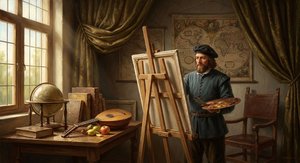
Illuminating Realism: Exploring the Dutch Golden Age of Painting (1600-1700)
Explore the Dutch Golden Age of painting (1600-1700) with ArtsDot. Discover Rembrandt, Vermeer & other masters. Learn about techniques, history & find museum-quality reproductions.
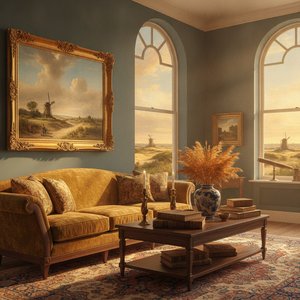
Golden Light & Dutch Skies: Bringing the Magic of Dutch Golden Age Landscapes into Your Home
Transform your home with the breathtaking light of Dutch Golden Age landscapes. Discover how hand-painted oil reproductions of masterworks like Ruisdael and Vermeer bring timeless elegance, atmosphere, and soulful texture to modern interiors. Elevate your space with museum-quality art.