

 プレビュー
プレビュー
 シェアする
シェアする シェアする
シェアする
 詳細を見る
詳細を見る

 ダウンロード
 似ている作品
 X線調査
X線調査 スライドショー
 Stats
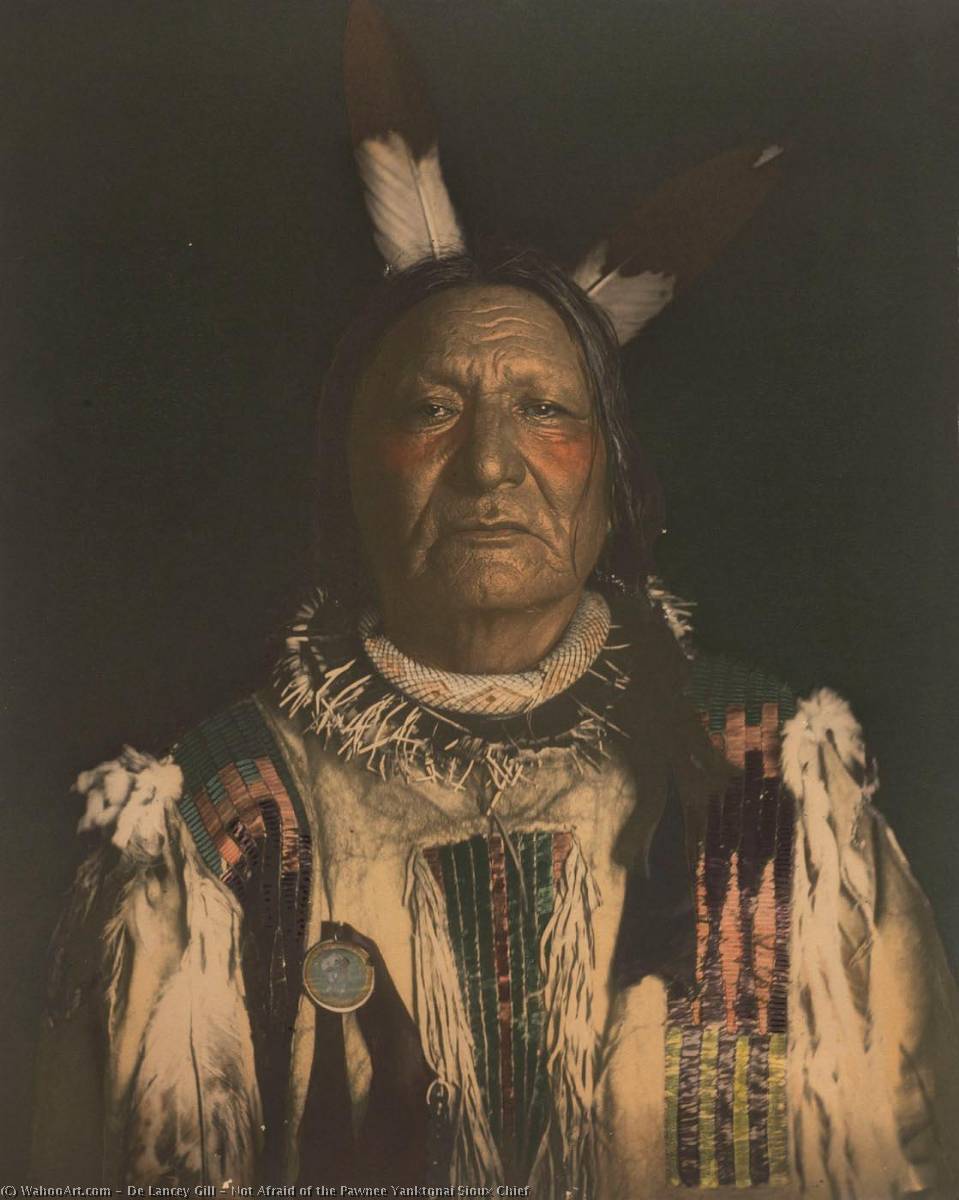
StatsNot Afraid of the Pawnee Yanktonai Sioux Chief
 詳細を見る
詳細を見る
手描き油彩複製画
当社のアーティストが、お客様のご希望のサイズと額縁に合わせて、キャンバスに手描きで制作する油彩画です。 ( Switch to Print Switch to Digital Image)




































作品のオリジナル比率に合わせた、当店の規定サイズからお選びください。

特定のフレームやスペースに合わせて、ご希望のサイズをご入力いただけます。選択されたサイズが元の画像の比率と異なる場合、アートワークをトリミングするか、手描きで要素を追加して絵画を拡張いたします。デジタルモックアップ を制作し、制作開始前にご確認(承認)をいただきます。
画面上のプレビューは、実際のトリミングや拡張を正確に反映しているものではありません。最終的な構図は、モックアップによってのみ正確にご確認いただけます。
カスタムサイズもご利用いただけますが、元の比率を維持するためには、あらかじめ用意されたリストからサイズを選択することをお勧めいたします。
ご注文後、ArtsDot.com チームより詳細な指示をお送りするとともに、仕上がりイメージ(モックアップ)をご提供いたします。


 ガラスオプションは、110cm未満のサイズでのみご利用いただけます。

Not Afraid of the Pawnee Yanktonai Sioux Chief
複製技法
複製画のサイズ
-


合計金額
$ 263
関連作品





アーティストの略歴
A Visionary of Light and Landscape: The Life of DeLancey Walker Gill
In the tapestry of American art history, few figures possess the multifaceted brilliance of DeLancey Walker Gill. A man whose creative spirit refused to be confined by a single medium, Gill navigated the worlds of draughtsmanship, watercolor painting, and photography with a singular, meticulous grace. Born on July 1, 1859, in Camden, South Carolina, his early years were shadowed by the profound tragedy of the American Civil War, which claimed the life of his father when Gill was only five. This early encounter with loss perhaps forged the resilience that would later define his career, as he moved westward to Wyoming and eventually established himself as a vital chronicler of the American landscape and its diverse peoples.
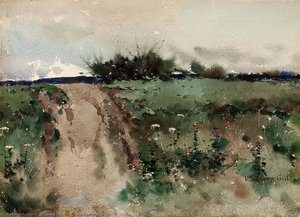
Gill’s artistic journey was not one of mere academic pursuit but of disciplined self-discovery and professional rigor. His early training under the legendary Supervising Architect Louis Sullivan at the Capitol Building instilled in him a foundational precision—a gift for detail that would become the hallmark of his later works. This technical mastery, rooted in the architectural draftsmanship of the era, allowed him to approach the natural world with both an artist's eye for beauty and a scientist's eye for structural truth. Under the mentorship of the esteemed watercolorist William Henry Holmes, Gill refined his ability to capture the ephemeral nuances of light and texture, transforming landscapes into poetic meditations on the American wilderness.
The Intersection of Science and Artistry
Perhaps the most significant chapter of Gill’s life was his long-standing association with the Smithsonian Institution's Bureau of American Ethnology. Serving as the director of the Division of Illustration from 1889 to 1932, he occupied a unique position where scientific documentation met fine art. His work during this period was far more than mere record-keeping; it was an evocative exploration of the American West. Through his watercolors and landscape illustrations, Gill brought the vibrant, sun-drenched vistas of Arizona, Wyoming, and the Pueblo landscapes to a wider audience, imbuing them with a sense of profound atmosphere and depth.
When the need for visual documentation grew, Gill seamlessly transitioned into photography, taking over duties at the Bureau in 1898. This period saw him producing thousands of photographs that captured the dignity of Native American delegations, including legendary figures such as Geronimo and Chief Joseph. While modern scholars occasionally critique the ethnographic practices of the era—noting how certain costuming choices may have reinforced contemporary stereotypes—there is no denying the immense historical value of his photographic legacy. His ability to blend the pictorialist aesthetic with documentary necessity allowed him to create portraits that possessed both a striking strength of design and an enduring, soulful quality.
A Lasting Legacy in the American Canon
Throughout his prolific life, Gill remained a dedicated educator and a tireless observer of the world around him. Whether he was capturing the quiet, working-class streets of Washington, D.C., or the rugged majesty of the Southwest, his work always reflected an acute sensitivity to the textures of life. His contributions were recognized far beyond the halls of the Smithsonian; his photographic work graced the Panama–Pacific Exposition and even earned a place on a 1923 United States postage stamp.
As he taught art classes at the Corcoran School, passing his meticulous techniques to a new generation, Gill continued to refine his mastery of the landscape. He left behind a body of work that serves as a vital bridge between the scientific observation of the late 19th century and the expressive freedom of early 20th-century pictorialism. Today, we remember DeLancey Walker Gill not just as a photographer or a painter, but as a pioneer who used every tool at his disposal to illuminate the complex, beautiful, and often overlooked corners of the American experience.
基本情報
- Artistic Movement Or Style: Pictorialist Landscape Painter
- Artists Or Movements Influenced By This Artist: ['George Frederic Handel']
- Artists Who Influenced This Artist: ['William Henry Holmes']
- Date Of Birth: July 1, 1859
- Date Of Death: August 31, 1940
- Full Name: DeLancey Walker Gill
- Nationality: American
- Notable Artworks:
- Landscape with Marshes
- Street in the Pueblo of Zuni, New Mexico
- Place Of Birth: Camden, South Carolina