

 プレビュー
プレビュー
 プリントを購入
 シェアする
シェアする シェアする
シェアする
 詳細を見る
詳細を見る

 ダウンロード
 似ている作品
 X線調査
X線調査 スライドショー
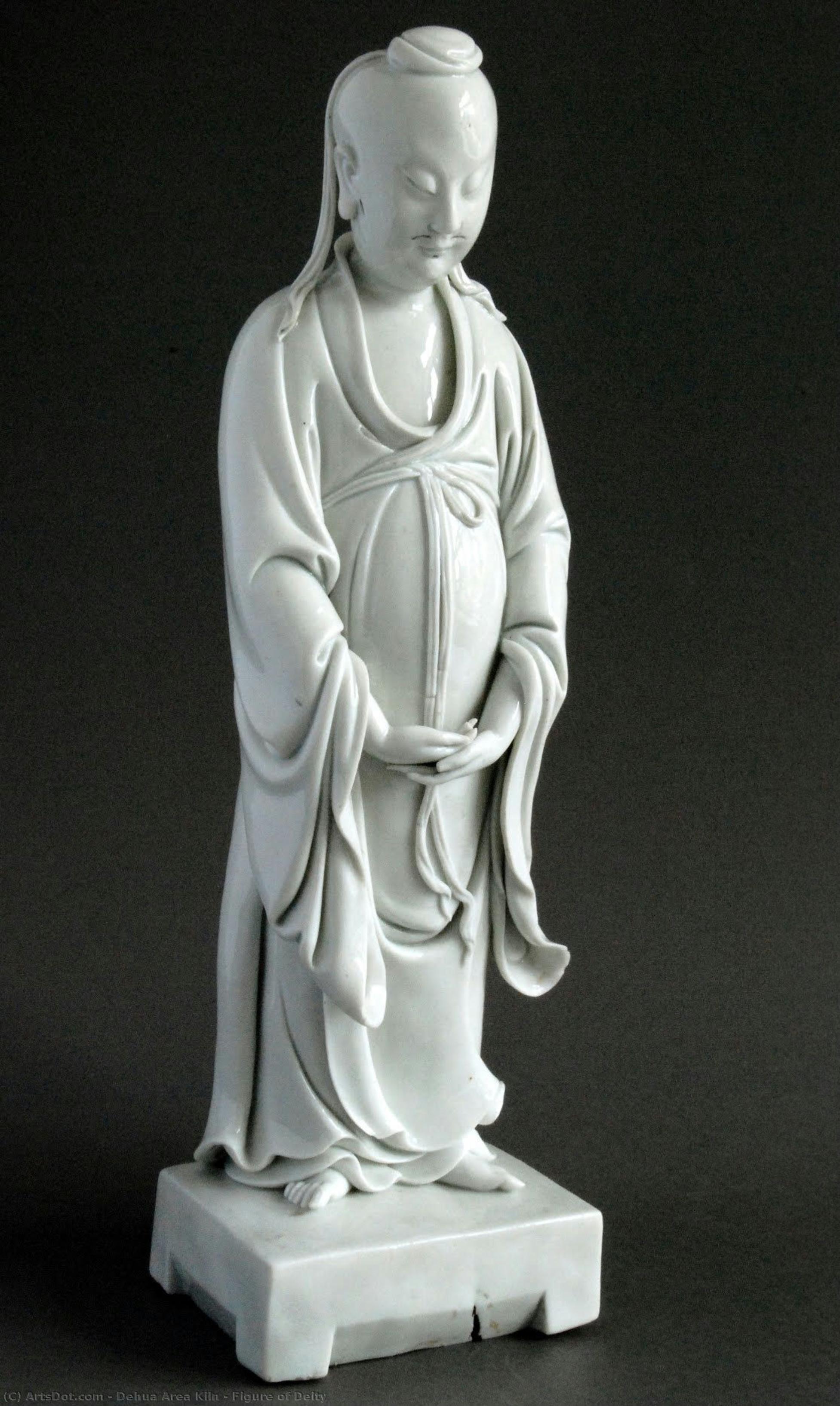
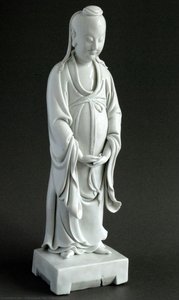
Figure of Deity
 1600
1600 11.0 x 9.0 cm
 Art Museum Riga Bourse
 詳細を見る
詳細を見る




































作品のオリジナル比率に合わせた、当店の規定サイズからお選びください。

特定のフレームやスペースに合わせて、ご希望のサイズをご入力いただけます。選択されたサイズが元の画像の比率と異なる場合、アートワークをトリミングするか、手描きで要素を追加して絵画を拡張いたします。デジタルモックアップ を制作し、制作開始前にご確認(承認)をいただきます。
画面上のプレビューは、実際のトリミングや拡張を正確に反映しているものではありません。最終的な構図は、モックアップによってのみ正確にご確認いただけます。
カスタムサイズもご利用いただけますが、元の比率を維持するためには、あらかじめ用意されたリストからサイズを選択することをお勧めいたします。
ご注文後、ArtsDot.com チームより詳細な指示をお送りするとともに、仕上がりイメージ(モックアップ)をご提供いたします。


 ガラスオプションは、110cm未満のサイズでのみご利用いただけます。

Figure of Deity
複製技法
複製画のサイズ
-


合計金額
$ 263





アーティストの略歴
Dehua Area Kiln: Legacy of White Porcelain
Dehua area kiln, nestled in Fujian Province’s picturesque Dehua County, stands as a testament to centuries of artistic tradition—a singular focus on blanc de Chine porcelain. More than just clay and glaze, it embodies the spirit of Chinese craftsmanship and cultural exchange, culminating in UNESCO World Heritage status in 2021. Its story unfolds through layers of history, innovation, and enduring beauty.- Origins & Early Development: The kiln’s roots stretch back to the Song Dynasty (960-1279), where it initially produced stoneware—primarily for utilitarian purposes. However, by the Ming Dynasty (1368–1644), Dehua had transitioned into a bastion of white porcelain production, driven by abundant kaolin deposits and a burgeoning demand for refined decorative arts. He Chaozong’s patronage profoundly shaped this era, elevating Dehua kiln art to unparalleled heights.
- Technique & Innovation: The hallmark of Dehua porcelain is its distinctive “ivory white” glaze—achieved through meticulous control over firing temperatures and oxidation levels. This technique distinguishes it from Jingdezhen, where reduction firing yields a darker hue. Artisans honed their skills across generations, mastering intricate modeling techniques and applying delicate floral motifs and landscapes with remarkable precision. The kiln’s reputation rested on its ability to reproduce ancient forms faithfully, preserving stylistic nuances that captivated connoisseurs throughout Asia.
- Cultural Significance & Artistic Expression: Dehua porcelain served as a conduit for artistic ideas and cultural influences from Persia, Korea, and Japan during the Ming and Qing Dynasties. Buddhist iconography—particularly Guanyin statues—became dominant themes, reflecting the region’s deep spiritual heritage. The kiln's output wasn’t merely decorative; it functioned as a symbol of prestige and refinement, adorning imperial palaces and aristocratic homes.
- The UNESCO Recognition: The inscription on the UNESCO World Heritage List in 2021 acknowledged Dehua’s pivotal role in medieval maritime trade—the “Maritime Silk Road”—facilitating the exchange of goods, knowledge, and artistic styles between East and West. This designation underscores the kiln's enduring legacy as a cornerstone of Chinese cultural heritage and its contribution to global artistic history.
- Contemporary Revival & Artistic Legacy: While mass production diminished in the 20th century, Dehua kilns continue to thrive today, embracing modern techniques while honoring traditional craftsmanship. Contemporary artists are experimenting with new forms and glazes—drawing inspiration from centuries of heritage—demonstrating that Dehua’s artistic spirit persists into the 21st century.
dehua area kiln
China
基本情報
- Artistic Movement Or Style: Blanc de Chine
- Artists Or Movements Influenced By This Artist: ['Meissen']
- Artists Who Influenced This Artist: ['Ming Dynasty Ceramics']
- Full Name: Dehua Area Kiln
- Nationality: Chinese
- Notable Artworks:
- Guanyin Statue
- Dragon Vase
- Place Of Birth: China

