
- ホーム

- デジタル画像一覧
- delegación provincial del ministerio de agricultura, instituto nacional de colonización (inc)
 プレビュー
プレビュー
 プリントを購入
 シェアする
シェアする シェアする
シェアする
 詳細を見る
詳細を見る

 ダウンロード
 似ている作品
 X線調査
X線調査 スライドショー
.


 詳細を見る
詳細を見る
オンラインプレビューをはるかに凌ぐ、高解像度で鮮明なデジタル画像をご購入いただけます。
各ファイルは、社内の専門家が高度なツールと熟練した手作業によるレタッチを用いて、細心の注意を払って準備されています。すべての画像において、卓越した鮮明度、正確な色彩再現性、そして繊細なディテールを保証いたします。
最終ファイルは、プロフェッショナルな編集・印刷環境ですぐにご利用いただけるよう最適化された状態で、72時間以内にメールにてお届けいたします。これは、一流のデザインスタジオ、出版社、ギャラリーから信頼されているものと同等の品質です。
デジタル画像のご注文に付随する特典
高品質なデジタル画像配信を、確かな品質で。
ArtsDot.com を選ぶことは、単に画像を手に入れることではありません。それは、プロの手によって精密に仕上げられ、満足保証が付いた高品質なデジタルアートワークを受け取ることを意味します。ご注文いただいた際に自動的に付随する内容は、以下の通りです:

メールですぐにお届け
ご注文から72時間以内に、高解像度のデジタル画像ファイルがメールでお手元に届きます。すぐにそのままご利用いただけます。

AI技術で最適化されたデジタルファイル
お客様の作品は、高度なAIツールと専門家による手作業の編集を組み合わせてプロフェッショナルに最適化されており、細部のディテール、鮮明さ、そして正確な色再現性を最大限に引き出しています。

一生涯無料の再送サービス
ファイルを誤って削除したり、紛失してしまったりしましたか?ご安心ください。いつでも無料で再送いたします。

輸入手数料は一切かかりません
関税や手数料、配送料を気にすることなく、お気に入りのアートワークをすぐにお楽しみいただけます。デジタルダウンロードは常に免税です。

色彩再現の保証
プロ仕様のツールとカラーマネジメント技術を用いることで、デジタル画像が元の色を最大限に忠実に再現することを保証いたします。

60日間満足保証
ご購入いただいたデジタル画像にご満足いただけない場合は、60日以内であれば、修正または100%の返金(理由を問う必要はありません)をさせていただきます。

100% 返金保証
ご満足いただけない場合は、デジタルファイルを受け取ってから60日以内であれば、理由を問わず全額返金いたします。

まとめ買い割引
3枚購入で10%OFF - 5枚購入で15%OFF - 10枚以上購入で20%OFF。クリエイティブなプロジェクト、ギャラリー、エージェンシーに最適です。
関連作品
作家の略歴
The Legacy of Land Reform: Delegación Provincial del Ministerio de Agricultura, Instituto Nacional de Colonización (INC)
The name “Delegación Provincial del Ministerio de Agricultura, Instituto Nacional de Colonización (INC)” doesn’t readily conjure images of artistic expression. Yet, this organization, born from the ashes of the Spanish Civil War in 1939, represents a fascinating and often overlooked chapter in Spain's history—a chapter powerfully documented through its ambitious agricultural reform projects. The INC wasn’t comprised of individual artists in the traditional sense; rather, it was a state body tasked with reshaping the nation’s productive landscape, and its “work” manifests as meticulously planned settlements, irrigation systems, and architectural designs intended to revitalize rural communities and boost agricultural output. To understand their significance is to delve into the complex socio-political climate of post-war Spain and the desire for self-sufficiency under Franco's regime.A Nation Rebuilt: The Context of Creation
The Spanish Civil War (1936-1939) left deep scars on the country, not only in terms of human loss but also in the devastation of its agricultural infrastructure. Large estates lay fallow or were inefficiently managed, and rural poverty was widespread. The *autarquía* policy adopted by Franco’s government aimed for national self-sufficiency, reducing reliance on foreign imports. This ambition necessitated a radical overhaul of the agrarian sector. The INC was established as the primary instrument to achieve this goal, operating under the Ministry of Agriculture. Its mandate extended beyond mere economic reform; it sought to address social inequalities and stabilize the rural population—a population deeply fractured by years of conflict. The organization’s work wasn't simply about increasing crop yields; it was a deliberate attempt to reconstruct the very fabric of Spanish society through land redistribution, infrastructure development, and the creation of new communities designed around principles of efficiency and collective living.The Architecture of Progress: Projects and Principles
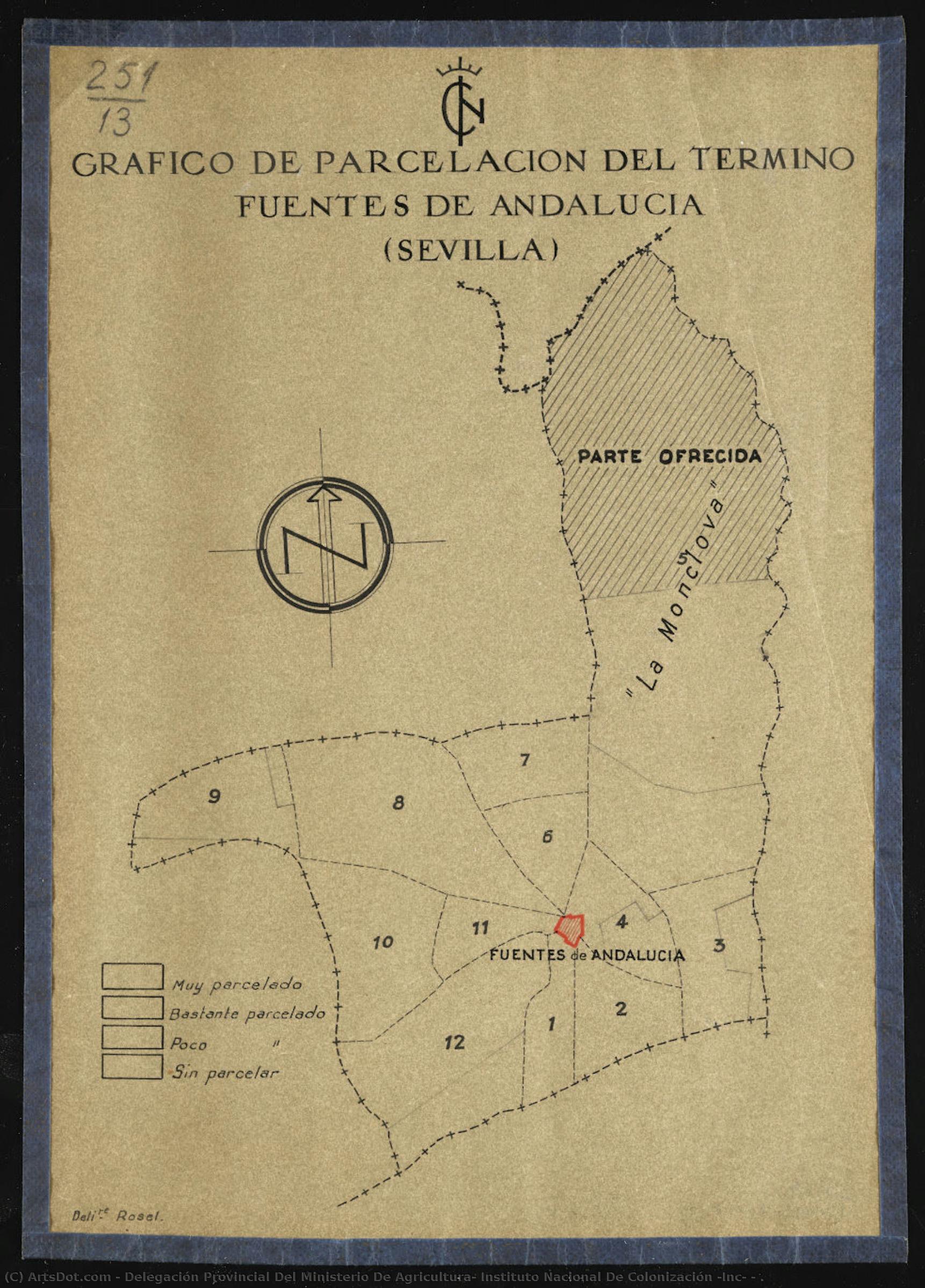
The INC’s projects were characterized by a pragmatic approach rooted in functionalism. While not adhering to a single architectural style, there was a clear emphasis on rational design, standardized building plans, and the efficient use of resources. New settlements—*pueblos de colonización*—were meticulously planned, often featuring grid-like street layouts, communal facilities (schools, healthcare centers, social clubs), and housing designed for agricultural workers and their families. Irrigation systems were a crucial component, transforming arid lands into fertile fields. The documentation of these projects – detailed maps, architectural drawings, and photographic records – constitutes the bulk of what we recognize as the INC’s artistic output. These aren't paintings or sculptures; they are blueprints for a new Spain, visual representations of a utopian vision grounded in practicality and social engineering. A prime example is the “Proyecto de ordenación del Pueblo Arroyo Salado. Nuevo Pueblo de Guadalema de los Quintero (Sevilla)”, showcasing the INC’s commitment to comprehensive planning, including housing types and infrastructure layouts.Influences and Legacy: Beyond Autarky
The INC's work wasn’t created in a vacuum. It drew inspiration from various sources, including international models of agricultural reform and rationalist architecture prevalent in Europe during the interwar period. The emphasis on functionality and standardized design reflects the influence of movements like the Bauhaus, although adapted to the specific context of rural Spain. While initially driven by the ideological goals of Franco’s regime, the INC's projects had a lasting impact on the Spanish countryside. Many *pueblos de colonización* continue to thrive today, serving as testaments to the organization’s long-term vision and its ability to create sustainable communities. However, it is important to acknowledge the complex legacy of this period. The land redistribution policies were not without their controversies, and the social engineering aspects of the INC's work often prioritized state control over individual autonomy. Nevertheless, the architectural and infrastructural achievements remain significant, offering a unique insight into a pivotal moment in Spanish history—a moment where art and politics converged to reshape the nation’s landscape and its people’s lives.Historical Significance: Documenting a Transformation
The work of the Delegación Provincial del Ministerio de Agricultura, Instituto Nacional de Colonización (INC) transcends traditional artistic boundaries. It represents a form of applied art—a deliberate intervention in the physical world with profound social and political implications. By meticulously documenting their projects, the INC created an invaluable archive that sheds light on the challenges and aspirations of post-Civil War Spain. These records offer a unique perspective on the relationship between architecture, agriculture, and state power, revealing the complex interplay of ideology, planning, and implementation. Today, these documents serve as a reminder of a transformative period in Spanish history—a period marked by both ambition and controversy, but ultimately defined by a desire to rebuild a nation from the ground up. The INC’s legacy is not simply about agricultural reform; it's about the power of design to shape society and the enduring impact of state-sponsored projects on the lives of ordinary people.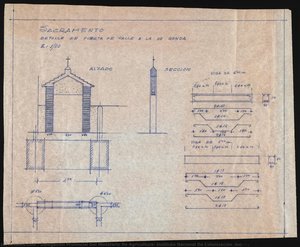
プロフィール概要
- Artistic Movement Or Style: Agricultural Reform Art
- Artists Or Movements Influenced By This Artist: ['']
- Artists Who Influenced This Artist: ['']
- Full Name: Delegación Provincial del Ministerio de Agricultura, Instituto Nacional de Colonización
- Nationality: Spanish
- Notable Artworks: ['Cadastral Map Seville 1951']
- Place Of Birth: Spain

