

 プレビュー
プレビュー
 プリントを購入
 シェアする
シェアする シェアする
シェアする
 詳細を見る
詳細を見る

 ダウンロード
 似ている作品
 X線調査
X線調査 スライドショー
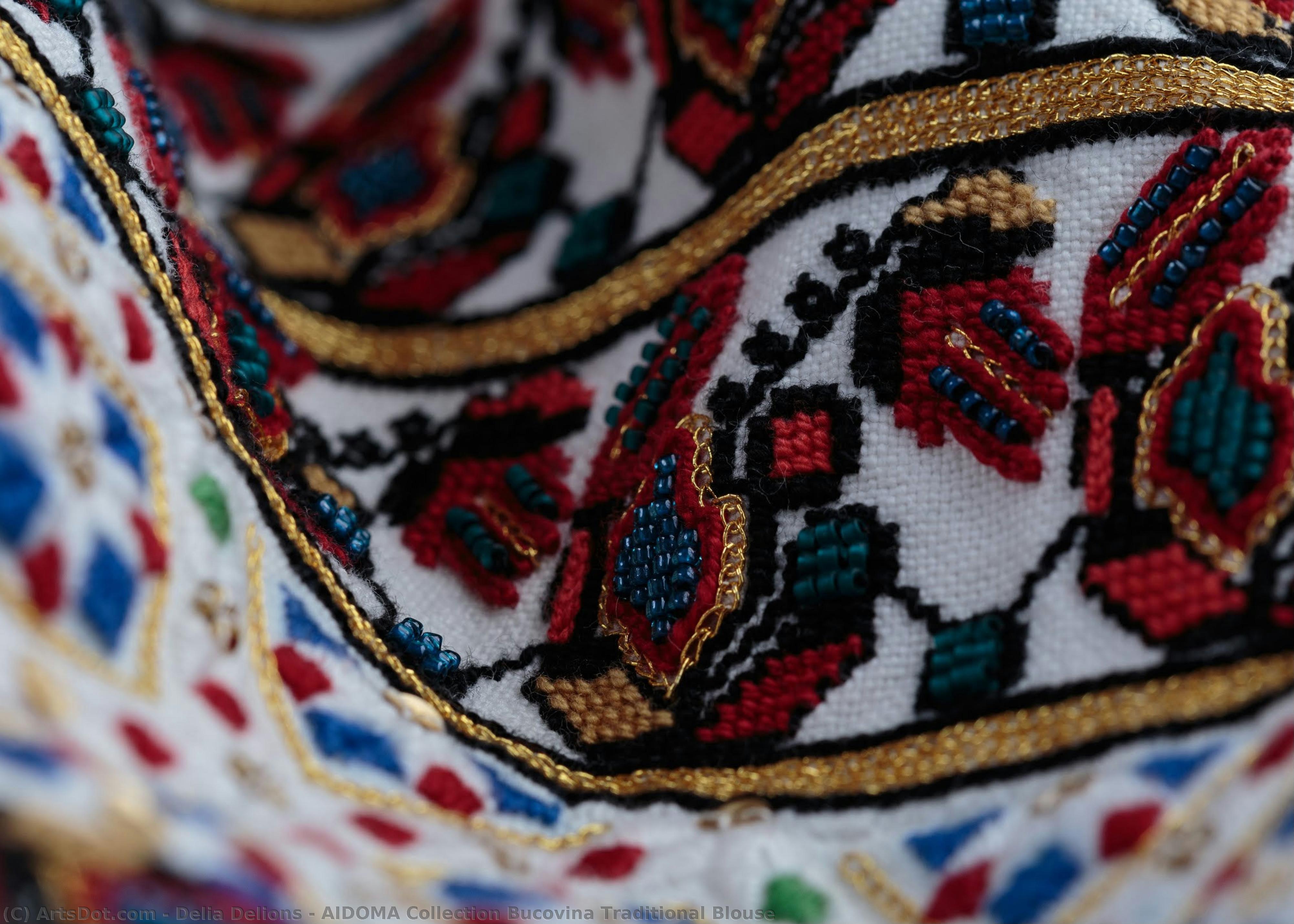
AIDOMA Collection Bucovina Traditional Blouse
 2018
2018 137.0 x 65.0 cm
 Semne Cusute Association
 詳細を見る
詳細を見る




































作品のオリジナル比率に合わせた、当店の規定サイズからお選びください。

特定のフレームやスペースに合わせて、ご希望のサイズをご入力いただけます。選択されたサイズが元の画像の比率と異なる場合、アートワークをトリミングするか、手描きで要素を追加して絵画を拡張いたします。デジタルモックアップ を制作し、制作開始前にご確認(承認)をいただきます。
画面上のプレビューは、実際のトリミングや拡張を正確に反映しているものではありません。最終的な構図は、モックアップによってのみ正確にご確認いただけます。
カスタムサイズもご利用いただけますが、元の比率を維持するためには、あらかじめ用意されたリストからサイズを選択することをお勧めいたします。
ご注文後、ArtsDot.com チームより詳細な指示をお送りするとともに、仕上がりイメージ(モックアップ)をご提供いたします。


 ガラスオプションは、110cm未満のサイズでのみご利用いただけます。

AIDOMA Collection Bucovina Traditional Blouse
複製技法
複製画のサイズ
-


合計金額
$ 263
関連作品







アーティストの略歴
Marina Abramović: The Body as Battlefield
Born in Belgrade, Yugoslavia – now Serbia – in 1946, Marina Abramović’s life has been a relentless exploration of the boundaries between self and audience, body and mind. Raised within a complex family history intertwined with partisan warfare and communist politics, her early years instilled a profound awareness of identity, trauma, and the power dynamics inherent in social structures. This formative backdrop would profoundly shape her artistic trajectory, leading her to view the human body not merely as an object of beauty or representation, but as a site of intense vulnerability, resistance, and ultimately, transformation.
Abramović’s formal training at the Academies of Fine Arts in Belgrade (1970) and Zagreb (1972) provided her with a foundation in traditional artistic disciplines – painting and sculpture. However, it was a growing dissatisfaction with these established forms that propelled her toward performance art, a medium she quickly embraced as offering unparalleled freedom for direct engagement with the audience and the exploration of extreme physical and psychological states. Her early work, particularly *Rhythm 10* (1973), marked a decisive shift; this piece, involving the deliberate infliction of wounds upon herself with a knife, immediately challenged conventional notions of art and its relationship to pain and suffering.
The Rise of Performance: Collaboration and Confrontation
The late 1970s witnessed the blossoming of Abramović’s most significant collaborations, notably with Frank Uwe Laysiepen, who adopted the pseudonym Ulay. Their partnership became synonymous with a radical new form of performance art – one that blurred the lines between artist and audience, subject and object. *Imponderabilia* (1977), performed at the Venice Biennale, remains a seminal work in this vein. The piece involved Abramović and Ulay standing naked and facing each other in a narrow museum entrance, forcing viewers to physically confront their own desires and inhibitions. This act of mutual exposure generated intense reactions – fascination, discomfort, and even hostility – demonstrating the profound impact performance art could have on social dynamics.
Following the dissolution of her relationship with Ulay in 1988, Abramović embarked on a series of increasingly ambitious and physically demanding projects. *Seven Easy Pieces* (1997), for example, involved her traveling across North America and systematically destroying seven iconic artworks – a deliberate act of subversion that questioned the sanctity of art and its relationship to cultural values. Her work during this period frequently incorporated elements of endurance, pushing her own body to its limits while simultaneously challenging the audience’s perceptions of pain, beauty, and the very nature of human experience.
Major Works and Conceptual Shifts
Marina Abramović's career has been punctuated by a series of groundbreaking performances that have redefined the possibilities of artistic expression. *Balkan Baroque* (1997), presented at the Venice Biennale, utilized video projections and live performance to explore her complex family history and the legacy of war and displacement in the Balkans. The work was deeply personal and emotionally charged, reflecting Abramović’s struggle to reconcile her Serbian identity with the broader context of European history.
Perhaps her most widely recognized achievement is *The Artist Is Present* (2010), a performance at the MoMA in New York City that captivated audiences worldwide. For eight hours each day, Abramović sat silently in a chair, offering to have her hand held by members of the public. The piece was not about grand gestures or dramatic displays; it was an invitation for genuine connection and empathy – a radical attempt to dismantle the barriers between artist and viewer and foster a sense of shared humanity.
Legacy and Influence
Marina Abramović’s impact on contemporary art is undeniable. She has fundamentally altered our understanding of performance as a medium, demonstrating its capacity not only for spectacle but also for profound psychological and social exploration. Her willingness to confront her own vulnerabilities – both physical and emotional – has inspired countless artists to push the boundaries of their practice and challenge conventional notions of artistic expression. Her work continues to provoke debate and inspire critical reflection on issues of identity, power, and the human condition.
Beyond her individual achievements, Abramović’s Institute (MAI), founded in 2007, serves as a vital resource for supporting and promoting performance art globally. The institute fosters dialogue, research, and experimentation, ensuring that Abramović's legacy extends far beyond the confines of her own performances.

delia delions
1974 - , United States of America
基本情報
- Artistic Movement Or Style: Performance art
- Artists Or Movements Influenced By This Artist:
- Conceptual art
- Body art
- Endurance art
- Artists Who Influenced This Artist:
- Ulay
- Varnava, Serbian Patriarch
- Date Of Birth: November 30, 1946
- Full Name: Marina Abramović
- Nationality: Serbian
- Notable Artworks:
- Rhythm 0
- Balkan Baroque
- The Artist Is Present
- Place Of Birth: Belgrade, Serbia

