

 プレビュー
プレビュー
 シェアする
シェアする シェアする
シェアする
 詳細を見る
詳細を見る

 ダウンロード
 似ている作品
 X線調査
X線調査 スライドショー
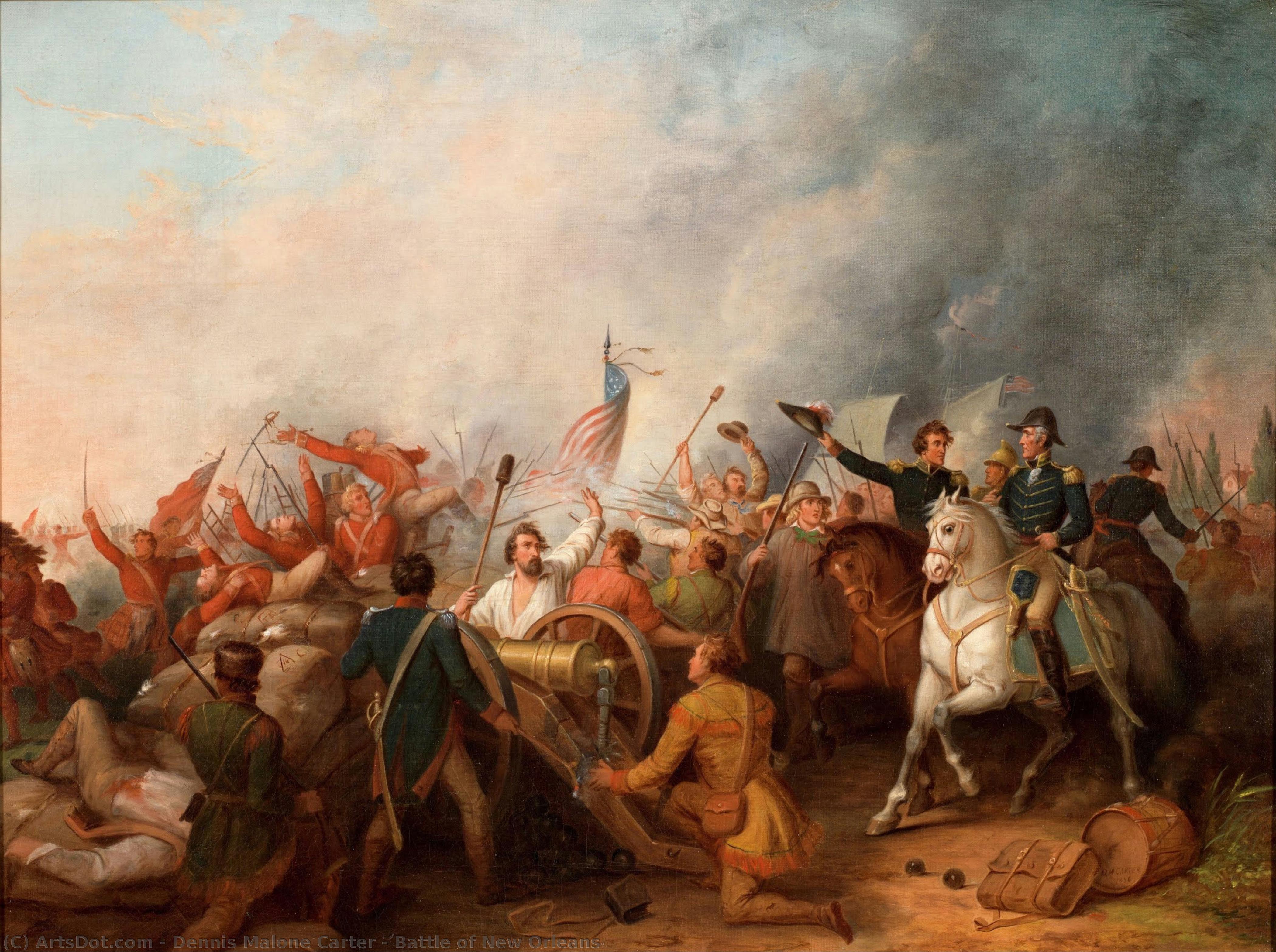
Battle of New Orleans


 詳細を見る
詳細を見る
ジークレー/アートプリント
迅速な制作と多彩な仕上げオプションを備えた、ミュージアムクオリティのジークレーまたはキャンバスプリント。 ( 手描きの絵画を購入 画像を購入)




































作品のオリジナル比率に合わせた、当店の規定サイズからお選びください。

特定のフレームやスペースに合わせて、ご自身でサイズを指定することも可能です。選択されたサイズが元の画像の比率と一致しない場合、作品をトリミングするか、鏡面反射または単色での塗りつぶしによって画像を拡張いたします。制作を開始する前に、ご確認用のデジタルモックアップをお送りいたします。
画面上のプレビューには、実際のトリミングや拡張は反映されませんのでご注意ください。最終的な構図を正確に確認できるのは、モックアップのみとなります。
カスタムサイズも承っておりますが、元の比率を維持するためには、あらかじめ用意されたリストからサイズを選択することをお勧めいたします。


 ガラスオプションは、110cm未満のサイズでのみご利用いただけます。

Battle of New Orleans
ジークレー/アートプリント
複製画のサイズ
-


合計金額
$ 62
作品詳細説明
関連作品









アーティストの略歴
Dennis Malone Carter: Bridging Irish Heritage and American Realism
Dennis Malone Carter, a name perhaps less familiar than many of his contemporaries, nevertheless stands as a significant figure in 19th-century American art. Born in Dublin, Ireland, around 1820 – though the exact year remains subject to some historical debate, with dates ranging from 1818 to 1827 – Carter’s life was inextricably linked to both his Celtic roots and the burgeoning artistic landscape of New York City. His early years were spent in Ireland, a land steeped in folklore and tradition, an influence subtly woven into the fabric of his later work. In 1839, he immigrated with his family to the United States, settling in New York City – a pivotal moment that profoundly shaped his artistic trajectory. This move provided access to a vibrant urban environment, exposing him to new subjects, styles, and a burgeoning American identity, ultimately leading to a distinctive synthesis of European realism and distinctly American themes.A Painter Forged by Two Worlds
Carter’s artistic style was a fascinating blend of influences. He wasn't simply replicating the prevailing trends of his time; instead, he developed a unique approach rooted in his Irish heritage and informed by his experiences in America. His paintings often depicted scenes of everyday life – portraits of prominent figures, historical settings, landscapes imbued with a romantic sensibility, and intimate still lifes—but always with an underlying sense of observation and emotional depth. He was part of a generation grappling with the possibilities of realism and romanticism, seeking to capture not just appearances but also the essence of his subjects. His use of color was particularly noteworthy; he skillfully employed light and shadow to create atmosphere and evoke emotion, imbuing his canvases with a palpable sense of drama and immediacy. The influence of the Hudson River School is evident in some of his landscapes, while his portraits demonstrate a keen eye for capturing personality and character.Notable Works and Artistic Techniques
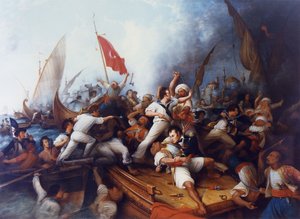
Carter’s oeuvre includes a remarkable range of subjects, each treated with meticulous detail and a distinctive artistic vision. “Battle of New Orleans,” a powerful depiction of the pivotal 1815 victory, showcases his ability to convey historical events with dramatic intensity. “Decatur Boarding the Tripolitan Gunboat” is another significant work, capturing a moment of naval action with remarkable realism and dynamism. Beyond these grand historical scenes, Carter also produced numerous portraits – often characterized by their psychological depth and subtle nuances—and intimate domestic scenes that offer glimpses into the lives of his subjects. His technique involved careful observation, precise brushwork, and a masterful understanding of light and color. He favored oil paints, allowing him to build up layers of texture and create rich, luminous effects. His compositions were generally balanced and harmonious, reflecting a commitment to classical principles while simultaneously embracing a distinctly American sensibility.Legacy and Influence
Dennis Malone Carter’s impact on the American art scene was considerable, though perhaps not as widely celebrated during his lifetime as it is today. He served as an important link between European artistic traditions and the developing American aesthetic. His work influenced subsequent generations of artists who sought to explore the possibilities of realism and romanticism in their own work. The Woodlawn Cemetery in the Bronx, where he rests, stands as a quiet testament to his enduring legacy. While not as commercially successful as some of his contemporaries, Carter’s paintings continue to be appreciated for their beauty, emotional depth, and historical significance. His ability to capture both the grandeur of American history and the intimate details of everyday life cemented his place as a notable figure in 19th-century American art. Further research into his work reveals a dedication to portraying the human experience with sensitivity and insight—a quality that resonates powerfully even today.Resources for Further Exploration
- Wikipedia Entry: https://en.wikipedia.org/wiki/Dennis_Malone_Carter (Provides a comprehensive overview of his life and work, including biographical details and images of key paintings.)
- ArtsDot Website: https://www.wahoart.com/en/artists/dennis-malone-carter-en/ (Offers high-quality reproductions of his paintings and insightful articles about his life and artistic style.)
- Invaluable Auction Records: https://www.invaluable.com/artist/carter-dennis-malone-su586iai1e/ (Provides valuable information on the market value and provenance of his paintings.)
- Hellenica World: https://www.hellenicaworld.com/Art/Paintings/en/DennisMaloneCarter.html (Features a selection of his works and biographical details.)
dennis malone carter
1820 - 1881 , Ireland
基本情報
- Artistic Movement Or Style: Realism & Romanticism
- Artists Or Movements Influenced By This Artist: ['None specified']
- Artists Who Influenced This Artist: ['None specified']
- Date Of Birth: 1820
- Date Of Death: 1881
- Full Name: Dennis Malone Carter
- Nationality: Irish-American
- Notable Artworks:
- Battle of New Orleans
- Decatur Boarding...
- Long Live The President
- Washington's Inaugural Ball
- Place Of Birth: Dublin, Ireland

