

 プレビュー
プレビュー
 プリントを購入
 シェアする
シェアする シェアする
シェアする
 詳細を見る
詳細を見る

 ダウンロード
 似ている作品
 X線調査
X線調査 スライドショー
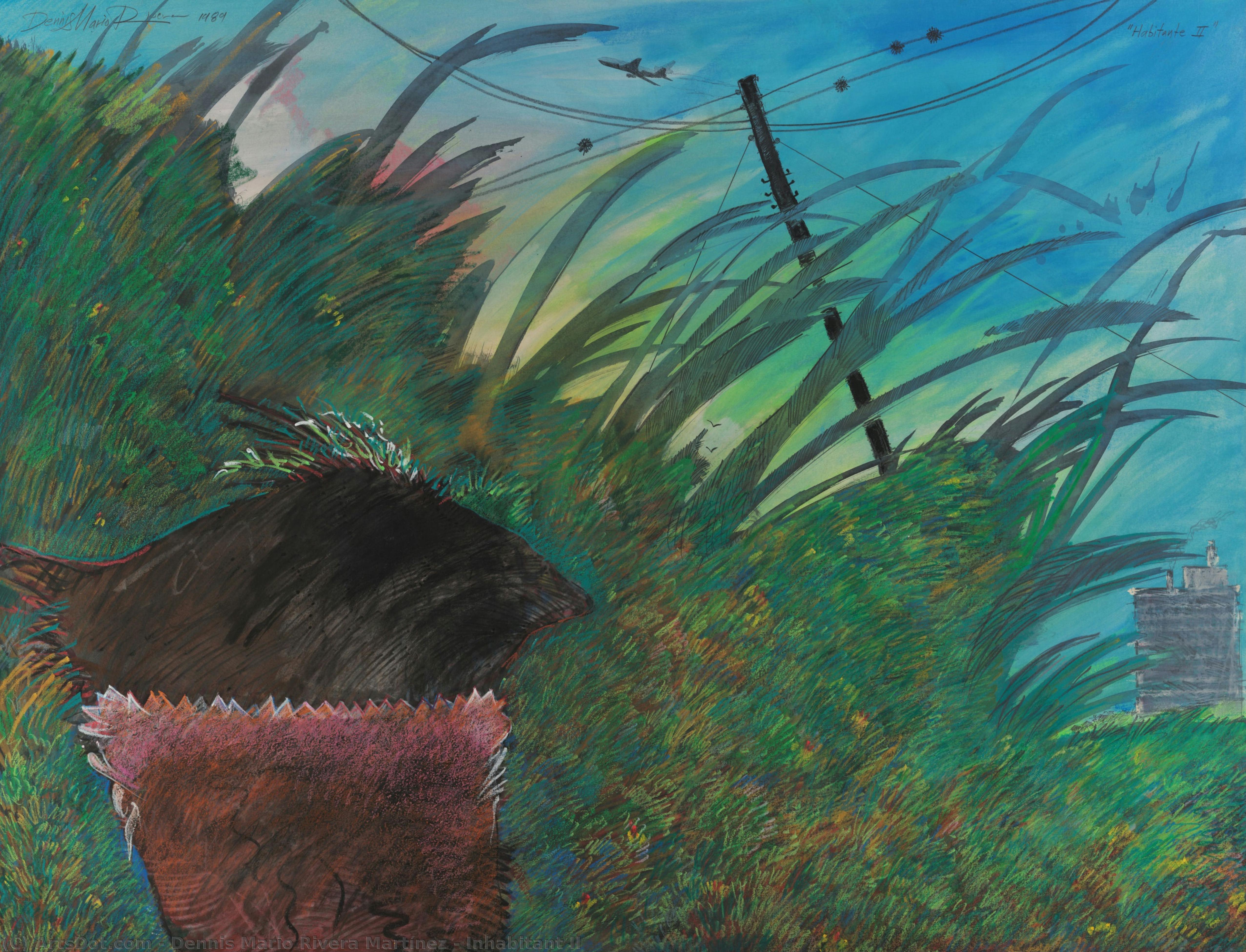
Inhabitant II


 詳細を見る
詳細を見る
オンラインプレビューをはるかに凌ぐ、高解像度で鮮明なデジタル画像をご購入いただけます。
各ファイルは、社内の専門家が高度なツールと熟練した手作業によるレタッチを用いて、細心の注意を払って準備されています。すべての画像において、卓越した鮮明度、正確な色彩再現性、そして繊細なディテールを保証いたします。
最終ファイルは、プロフェッショナルな編集・印刷環境ですぐにご利用いただけるよう最適化された状態で、72時間以内にメールにてお届けいたします。これは、一流のデザインスタジオ、出版社、ギャラリーから信頼されているものと同等の品質です。
デジタル画像のご注文に付随する特典
高品質なデジタル画像配信を、確かな品質で。
ArtsDot.com を選ぶことは、単に画像を手に入れることではありません。それは、プロの手によって精密に仕上げられ、満足保証が付いた高品質なデジタルアートワークを受け取ることを意味します。ご注文いただいた際に自動的に付随する内容は、以下の通りです:

メールですぐにお届け
ご注文から72時間以内に、高解像度のデジタル画像ファイルがメールでお手元に届きます。すぐにそのままご利用いただけます。

AI技術で最適化されたデジタルファイル
お客様の作品は、高度なAIツールと専門家による手作業の編集を組み合わせてプロフェッショナルに最適化されており、細部のディテール、鮮明さ、そして正確な色再現性を最大限に引き出しています。

一生涯無料の再送サービス
ファイルを誤って削除したり、紛失してしまったりしましたか?ご安心ください。いつでも無料で再送いたします。

輸入手数料は一切かかりません
関税や手数料、配送料を気にすることなく、お気に入りのアートワークをすぐにお楽しみいただけます。デジタルダウンロードは常に免税です。

色彩再現の保証
プロ仕様のツールとカラーマネジメント技術を用いることで、デジタル画像が元の色を最大限に忠実に再現することを保証いたします。

100日間満足保証
ご購入いただいたデジタル画像にご満足いただけない場合は、100日以内であれば、理由を問わず修正または100%の返金対応をさせていただきます。

100% 返金保証
ご満足いただけない場合は、デジタルファイルを受け取ってから100日以内であれば、理由を問わず全額返金いたします。

まとめ買い割引
3枚購入で10%OFF - 5枚購入で15%OFF - 10枚以上購入で20%OFF。クリエイティブなプロジェクト、ギャラリー、エージェンシーに最適です。
A Symphony of Flight and Earth: Exploring Inhabitant II
In the vibrant tapestry of contemporary Puerto Rican art, dennis mario rivera martínez weaves a narrative that is as much about the soul as it is about the landscape. His 1989 masterpiece, Inhabitant II, serves as a breathtaking window into a world where the terrestrial and the celestial converge. At first glance, the viewer is drawn to the intimate focal point: a single bird, nestled within lush, emerald grasses, its head bowed in a moment of profound introspection or perhaps intense curiosity toward something hidden beneath the verdant blades. This quiet, grounded moment provides a poignant anchor for a composition that is otherwise bursting with kinetic energy and unexpected movement.
The painting transcends simple nature study through its masterful use of juxtaposition. While the foreground invites us into a peaceful, pastoral sanctuary, the sky above tells a different story. Scattered throughout the atmosphere are other avian figures—some soaring in graceful arcs, others perched precariously—creating a sense of a living, breathing ecosystem. Yet, breaking the organic rhythm of nature, two airplanes drift through the upper reaches of the canvas. This inclusion of modern machinery amidst the primal beauty of flight and flora introduces a fascinating layer of symbolism, perhaps reflecting the intersection of human progress and the enduring, untamed spirit of the natural world.
Technique and the Vibrancy of Color
The technical execution of Inhabitant II is nothing short of mesmerizing, characterized by a palette that feels alive with light. Rivera Martínez employs a spectrum of greens, ranging from deep, mossy shadows to bright, sun-drenched lime, which gives the landscape a palpable sense of depth and vitality. The brushwork, while maintaining a clear sense of form, possesses a rhythmic quality that mirrors the fluttering wings of the birds and the steady glide of the aircraft. This fluid application of color creates a luminous effect, as if the entire scene is bathed in the soft, golden glow of a tropical afternoon.
For the discerning collector or interior designer, this piece offers an unparalleled opportunity to introduce a sense of dynamic tranquility into a space. The artwork does not merely sit upon a wall; it breathes life into a room, acting as a conversational centerpiece that invites prolonged contemplation. Its ability to balance the heavy, grounded textures of the earth with the airy, expansive feeling of the sky makes it a versatile choice for sophisticated environments—from modern galleries to curated residential sanctuaries. To possess a reproduction of such a work is to hold a fragment of a dreamlike reality, where every stroke of color serves to celebrate the beautiful complexity of our shared existence.
関連作品

作家の略歴
George Condo: Architect of the Unconscious
George Condo, born in Concord, New Hampshire in 1957, isn’t simply a painter; he's an architect of the unconscious, a visual translator of the fragmented and often unsettling landscapes within our minds. His work, instantly recognizable for its jarring juxtapositions, surreal imagery, and a deliberate rejection of conventional representation, has profoundly impacted contemporary art while simultaneously resisting easy categorization. Condo’s journey began not with brushes and canvases, but with an early immersion in music – he studied guitar and composition – and a deep appreciation for the visual arts, earning degrees in art history and music theory from the University of Massachusetts Lowell. This foundation, surprisingly, fueled his later exploration of the subconscious, informing a style that feels both deeply rooted in Western painting traditions and utterly unique. Early influences were diverse and often unexpected. He spent formative years working in a silkscreen shop, absorbing techniques and aesthetics while simultaneously participating in the vibrant punk/blues scene of Boston’s East Village. This period introduced him to figures like Jean-Michel Basquiat, with whom he shared a crucial early encounter, and David Thomas of Pere Ubu, leading to his involvement in the groundbreaking band The Girls. These experiences weren't merely tangential; they shaped Condo’s approach to composition, color, and the very notion of artistic expression – a willingness to embrace chaos and challenge established norms. His time at Andy Warhol’s Factory further solidified this rebellious spirit, contributing gold dust to Warhol’s *Myths* series, a testament to his early experimentation with surface and illusion. Condo's distinctive style, dubbed "Artificial Realism," emerged in the early 1980s amidst the burgeoning East Village art scene. He wasn’t interested in replicating reality; instead, he sought to externalize the internal – the anxieties, dreams, and illogical connections that reside within our minds. His paintings are populated by figures with distorted features, fragmented bodies, and unsettling expressions, often rendered in a palette of vibrant, clashing colors. These aren't portraits intended to capture likenesses; they’re explorations of psychological states, presented through a deliberately fractured visual language. He drew heavily on the work of Old Masters – Rembrandt, Velázquez, Goya – but subverted their techniques and subject matter, layering them with elements of pop art, comics, and even graffiti. This synthesis created a powerfully unsettling yet strangely compelling aesthetic.- Key Influences:** Rembrandt, Velázquez, Goya, Jean-Michel Basquiat, David Hockney, Punk Rock music scene.
- Technique:* Condo’s process is characterized by layering, scraping, and reworking his paintings repeatedly. He often begins with a seemingly straightforward composition but gradually introduces distortions, contradictions, and unexpected elements, building up a complex and layered surface that reflects the complexity of the human psyche.
- Notable Collaborations:** William S. Burroughs (producing a series of writings and etchings), Keith Haring (creating collaborative works like *Dancing to Miles*).
The Language of Distortion: Exploring Condo’s Visual Vocabulary
At the heart of Condo's artistic practice lies a deliberate manipulation of perspective and representation. He frequently employs multiple viewpoints simultaneously, creating a sense of disorientation and challenging the viewer’s assumptions about space and reality. Figures are often fragmented, their bodies dissolving into abstract shapes, while faces are rendered with exaggerated features – oversized eyes, gaping mouths, and distorted smiles – that convey a range of emotions from anxiety to joy. This distortion isn't merely decorative; it serves as a visual metaphor for the way our minds process information, filtering out details and constructing subjective realities.- Key Elements:* Fragmented figures, multiple perspectives, clashing colors, surreal imagery, distorted faces.
- Symbolism:* Condo’s paintings are rich in symbolic content, though he rarely offers explicit interpretations. The recurring motifs – clouds, eyes, hands, and animals – can be read as representations of anxieties, desires, and the complexities of human relationships.
Legacy and Influence
George Condo’s impact on contemporary art extends far beyond his distinctive visual style. He has influenced a generation of artists who embrace experimentation, challenge conventional notions of representation, and explore the darker corners of the human psyche. His willingness to reject easy answers and confront uncomfortable truths has paved the way for a more diverse and challenging artistic landscape. Furthermore, Condo’s career demonstrates a remarkable resilience and adaptability, navigating shifts in art market trends and maintaining a consistent commitment to his unique vision. He continues to work prolifically, producing new paintings and sculptures that reflect both his personal experiences and the ongoing complexities of the world around him. His legacy is not just one of artistic innovation but also of unwavering creative integrity—a testament to the power of art to explore the deepest recesses of the human mind.
dennis mario rivera martínez
1957 -