

 プレビュー
プレビュー
 プリントを購入
 シェアする
シェアする シェアする
シェアする
 詳細を見る
詳細を見る

 ダウンロード
 似ている作品
 X線調査
X線調査 スライドショー
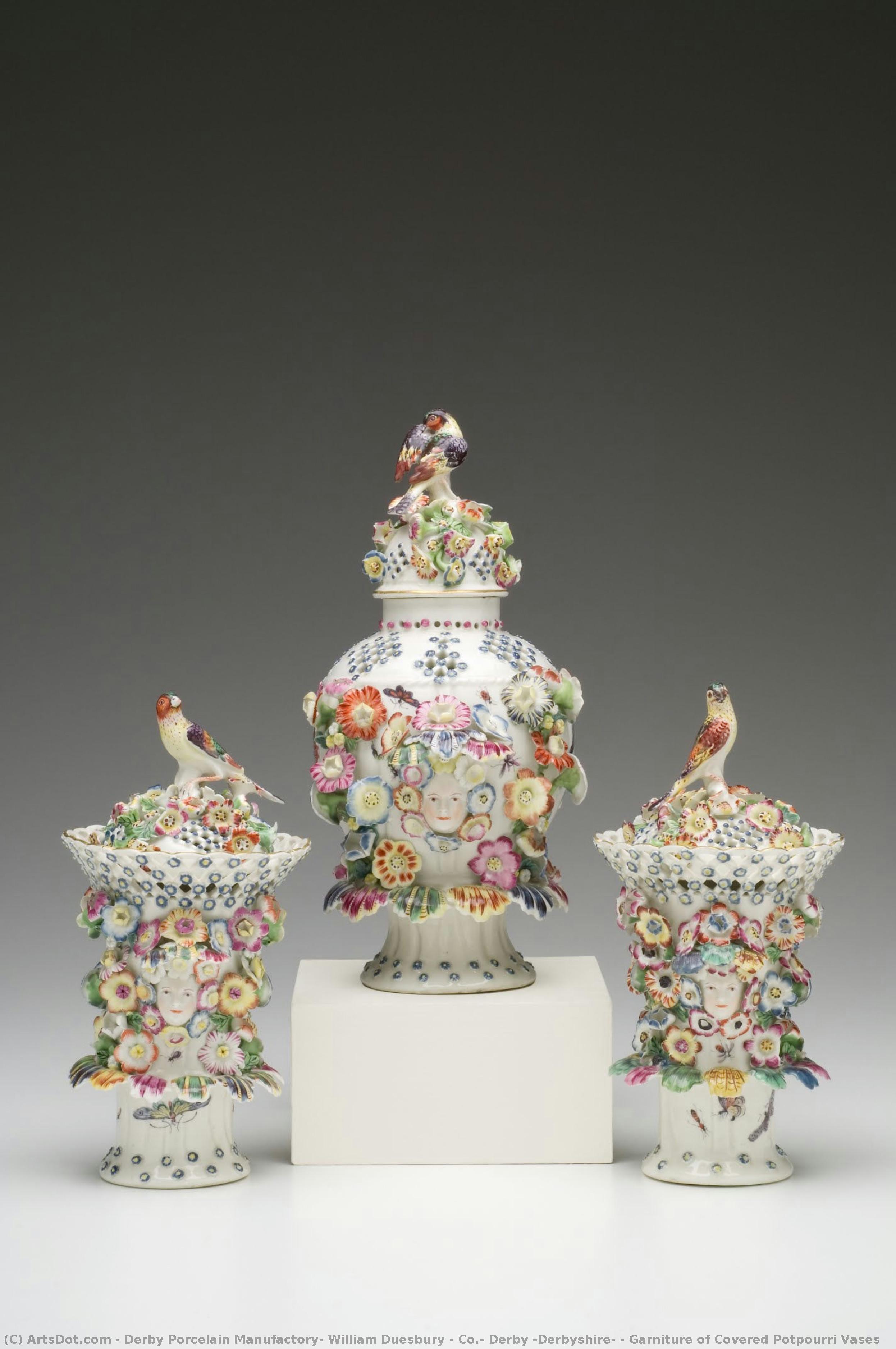
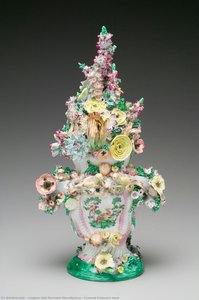
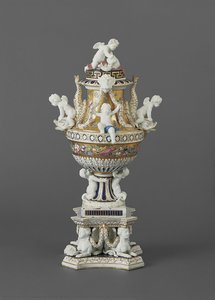
Garniture of Covered Potpourri Vases

 詳細を見る
詳細を見る




































作品のオリジナル比率に合わせた、当店の規定サイズからお選びください。

特定のフレームやスペースに合わせて、ご希望のサイズをご入力いただけます。選択されたサイズが元の画像の比率と異なる場合、アートワークをトリミングするか、手描きで要素を追加して絵画を拡張いたします。デジタルモックアップ を制作し、制作開始前にご確認(承認)をいただきます。
画面上のプレビューは、実際のトリミングや拡張を正確に反映しているものではありません。最終的な構図は、モックアップによってのみ正確にご確認いただけます。
カスタムサイズもご利用いただけますが、元の比率を維持するためには、あらかじめ用意されたリストからサイズを選択することをお勧めいたします。
ご注文後、ArtsDot.com チームより詳細な指示をお送りするとともに、仕上がりイメージ(モックアップ)をご提供いたします。


 ガラスオプションは、110cm未満のサイズでのみご利用いただけます。

Garniture of Covered Potpourri Vases
複製技法
複製画のサイズ
-


合計金額
$ 263
関連作品





アーティストの略歴
A Legacy of Elegance and Derbyshire Craftsmanship
The story of the Derby Porcelain Manufactory is a captivating saga of innovation, artistry, and the pursuit of perfection that emerged from the heart of England during the Enlightenment. Established in 1748, this illustrious enterprise was born from the vision of figures like Andrew Planché and the legendary William Duesbury, transforming a modest backyard kiln in Derby into a global symbol of luxury. In its earliest, most humble days, the factory’s output was marked by simple, charming inscriptions such as “Darby” and “Darbishire,” reflecting a nascent industry finding its footing. Yet, beneath this unassuming beginning lay a profound potential for greatness that would soon captivate the British aristocracy and the international connoisseur alike.
The ascent of Derby Porcelain was not merely a matter of chance but a masterclass in strategic brilliance and artistic evolution. The turning point arrived in 1773, when William Duesbury secured a prestigious royal warrant from King George III. This momentous endorsement acted as a golden seal of approval, elevating the factory's reputation from a regional producer to a purveyor of royal excellence. As the manufactory grew, it became an intersection of technological mastery and aesthetic grace, where the rugged industrial spirit of Derbyshire met the delicate refinement of fine art. The works produced during this era were more than mere vessels; they were sculptural triumphs that embodied the sophisticated tastes of the eighteenth century.
Technological Innovation and Artistic Mastery
What truly set Derby Porcelain apart from its contemporaries was a relentless drive to innovate the very chemistry of ceramics. While many early English porcelain makers struggled with a heavy reliance on expensive, imported kaolin clay to achieve translucency, Duesbury and his successors pioneered groundbreaking methods using local deposits of flint and marl. This scientific ingenuity allowed for a more controlled firing process, resulting in a porcelain body characterized by an exceptional whiteness and a luminous brilliance that rivaled the finest wares from the Far East. This technical foundation provided the perfect canvas for the factory's extraordinary decorators.
The artistic language of Derby was as diverse as it was exquisite, ranging from the whimsical to the profoundly ornate. The factory became renowned for several distinct styles:
- The Early Figurines: Small, charming porcelain animals—cats, dogs, and sheep—that delighted the local populace with their lifelike charm and delicate modeling.
- Soft-Paste Mastery: A period of production defined by a tender, creamy texture that allowed for incredibly fine detail in floral motifs and neoclassical designs.
- Ornate Tableware: Elaborate vases and tea services adorned with intricate gilding, hand-painted botanical studies, and scenes of pastoral elegance.
The decorators at Derby were true masters of the brush, capable of translating the era's fascination with nature and classical mythology into permanent, glazed reality. Their ability to manipulate color and light on a fragile surface ensured that every piece leaving the kiln was a singular work of art.
Historical Significance and Enduring Influence
As the centuries progressed, the Derby Porcelain Manufactory became an enduring pillar of British decorative arts. The lineage of craftsmanship passed through generations, eventually evolving into the celebrated Royal Crown Derby, which continues to carry the mantle of prestige established by Duesbury. The factory's history is a testament to the resilience of English manufacturing, surviving shifts in economic tides and the changing whims of fashion by maintaining an unwavering commitment to quality.
The historical significance of Derby Porcelain extends far beyond the borders of Derbyshire. It represents a pivotal moment in the history of global trade and material culture, where European artisans successfully synthesized Eastern inspiration with Western innovation. Today, the pieces held in the world's most prestigious institutions, such as the Victoria and Albert Museum and the Metropolitan Museum of Art, serve as silent ambassadors of a golden age of ceramics. To hold a piece of Derby porcelain is to touch a fragment of history—a delicate, enduring echo of an era defined by elegance, discovery, and the sublime beauty of human craftsmanship.
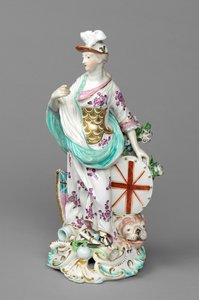
derby porcelain manufactory, william duesbury & co., derby (derbyshire)
1748 - 1848 , United Kingdom
基本情報
- Artistic Movement Or Style: Victorian Ceramics
- Artists Or Movements Influenced By This Artist: ['']
- Artists Who Influenced This Artist: ['']
- Date Of Birth: 1748
- Full Name: Derby Porcelain Manufactory, William Duesbury & Co.
- Nationality: English
- Notable Artworks:
- Potter at the Wheel
- Garniture of Covered Potpourri Vases
- Four Quarters of the Globe
- Place Of Birth: Derby, United Kingdom

