メニュー
プレビュープレビュー ARで試着ARで試着 プリント版に切り替え プリント版に切り替えデジタル画像販売へ切り替え デジタル画像販売へ切り替え シェアするシェアする
詳細を見る詳細を見る お気に入りに追加 お気に入りに追加 ダウンロードダウンロード 似ている作品似ている作品 X線調査X線調査 スライドショースライドショー 統計情報統計情報

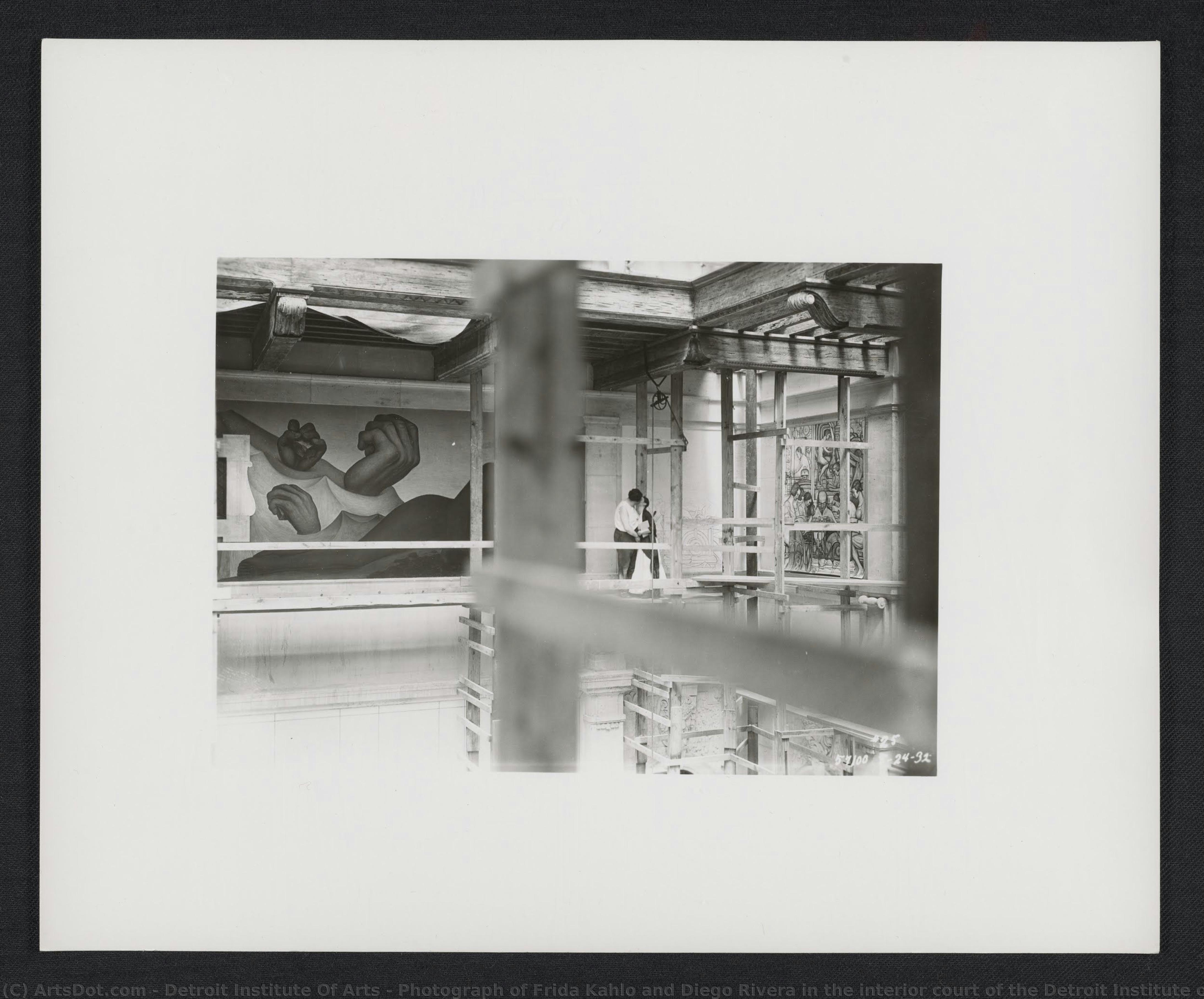
Photograph of Frida Kahlo and Diego Rivera in the interior court of the Detroit Institute of Arts

The Detroit Institute of Arts is renowned for its diverse collection spanning centuries and cultures, including Diego Rivera's Detroit Industry Murals and a world-class holdings of European paintings—discover masterpieces and hidden gems within its walls.

手描き油彩複製画

当社のアーティストが、お客様のご希望のサイズと額縁に合わせて、キャンバスに手描きで制作する油彩画です。 (プリント版に切り替え プリント版に切り替えデジタル画像販売へ切り替え デジタル画像販売へ切り替え)

標準サイズ
オーダーメイド
CM
INCH

作品のオリジナル比率に合わせた、当店の規定サイズからお選びください。

高さ

特定のフレームやスペースに合わせて、ご希望のサイズをご入力いただけます。選択されたサイズが元の画像の比率と異なる場合、アートワークをトリミングするか、手描きで要素を追加して絵画を拡張いたします。デジタルモックアップ を制作し、制作開始前にご確認(承認)をいただきます。
画面上のプレビューは、実際のトリミングや拡張を正確に反映しているものではありません。最終的な構図は、モックアップによってのみ正確にご確認いただけます。
カスタムサイズもご利用いただけますが、元の比率を維持するためには、あらかじめ用意されたリストからサイズを選択することをお勧めいたします。

カスタマイズの例:顔をお客様の写真に置き換える、ペットを追加する(例:猫を犬に変更)、背景に隠れたメッセージを入れる、背景の風景や要素を変更するなど。
ご注文後、ArtsDot.com チームより詳細な指示をお送りするとともに、仕上がりイメージ(モックアップ)をご提供いたします。

世界中への配送()は、通常の5週間ではなく、3〜4週間でお届けいたします。(10 9月)。品質には一切妥協いたしません。

why_choose_icon
世界中へ無料エクスプレス配送
why_choose_icon
高品質なリネンキャンバス
why_choose_icon
配送時完全保険付
why_choose_icon
関税・輸入税の払い戻し保証
why_choose_icon
忠実な色彩再現保証
why_choose_icon
100日間返品保証(製造上の欠陥がある場合のみ)
why_choose_icon
100% 全額返金保証
why_choose_icon
まとめ買い割引のご案内

合計金額

$ 263

reproduction

Photograph of Frida Kahlo and Diego Rivera in the interior court of the Detroit Institute of Arts

複製技法

複製画のサイズ

-

合計金額

$ 263


アーティストの略歴

A Repository of Vision: The Detroit Institute of Arts

The Detroit Institute of Arts (DIA) is not a single artist, but rather a monumental testament to the power of collective artistic vision and preservation. Founded in 1885 as the Detroit Museum of Art, its history mirrors the evolution of the city itself – from industrial boomtown to cultural hub, facing periods of prosperity and profound challenge. To speak of the DIA is to speak of countless artists represented within its walls, but also of the institution’s unique role as a champion of accessibility and community engagement, particularly during times of social upheaval. Its story isn't one of individual creation, but of curatorial dedication, civic responsibility, and the enduring belief in art’s capacity to transform lives.

Early Foundations and the Rise of a Collection

The initial impetus for the museum stemmed from a desire amongst Detroit’s leading citizens to establish a cultural institution comparable to those found in Europe. Early acquisitions focused on plaster casts of classical sculptures, providing educational resources for local artists and fostering an appreciation for European artistic traditions. However, under the guidance of pioneering curators like William H. Goodyear, the collection quickly diversified. Goodyear, recognizing the importance of representing a broader range of styles and cultures, actively sought out works from medieval Europe, Asia, and Indigenous American communities. This early commitment to inclusivity laid the groundwork for the DIA’s remarkably diverse holdings today. The museum's relocation in 1927 to its current Beaux-Arts building on Woodward Avenue marked a significant turning point, providing ample space to showcase an expanding collection and attract a wider audience.

The ‘Art for the People’ Legacy: A Response to Crisis

Perhaps the most defining chapter in the DIA's history unfolded during the Great Depression. As unemployment soared and social unrest gripped Detroit, Mayor Frank Murphy envisioned art as a means of providing both employment and solace. He secured funding through the Works Progress Administration (WPA) to commission murals for public buildings – notably, the iconic *Detroit Industry Murals* by Diego Rivera. This ambitious project, completed in 1933-34, wasn’t merely about beautifying spaces; it was a radical act of social intervention. Rivera's frescoes depicted the dynamism and complexities of Detroit’s automotive industry, celebrating the labor force while also acknowledging the inherent tensions within industrial capitalism. The *Detroit Industry Murals* became – and remain – a powerful symbol of the DIA’s commitment to “art for the people,” accessible to all regardless of socioeconomic status. This period cemented the museum's role as a vital community resource, offering not just aesthetic pleasure but also a platform for social commentary and civic dialogue.

A Global Perspective: Expanding Horizons

Following World War II, the DIA continued to expand its collection through strategic acquisitions and generous donations. The museum’s holdings of African art became particularly renowned, thanks in large part to the efforts of curator Nima Smith, who championed the importance of recognizing the artistic achievements of diverse cultures often overlooked by Western institutions. Similarly, significant additions were made to the collections of Asian art, European paintings, and contemporary works. Today, the DIA boasts over 65,000 artworks spanning five millennia, representing a truly global perspective on human creativity. The museum’s commitment extends beyond simply acquiring objects; it actively engages in research, conservation, and education, ensuring that its collection remains accessible to scholars, students, and the public for generations to come.

The DIA Today: A Beacon of Cultural Resilience

In 2013, facing financial challenges during Detroit’s bankruptcy, the DIA became a central figure in the city's recovery efforts. The museum offered its collection as collateral to help restructure the city’s debt, demonstrating an extraordinary commitment to civic responsibility. This decision sparked intense debate but ultimately secured the future of both the museum and the city itself. Today, the DIA continues to thrive as a vibrant cultural institution, attracting visitors from around the world. Its exhibitions are renowned for their scholarly rigor and accessibility, its educational programs serve diverse communities, and its collection remains a powerful testament to the enduring power of art to inspire, challenge, and connect us all. The Detroit Institute of Arts stands not just as a repository of artistic masterpieces, but as a symbol of resilience, community engagement, and the transformative potential of cultural heritage.