

 プレビュー
プレビュー
 シェアする
シェアする シェアする
シェアする
 詳細を見る
詳細を見る

 ダウンロード
 似ている作品
 X線調査
X線調査 スライドショー
 統計情報
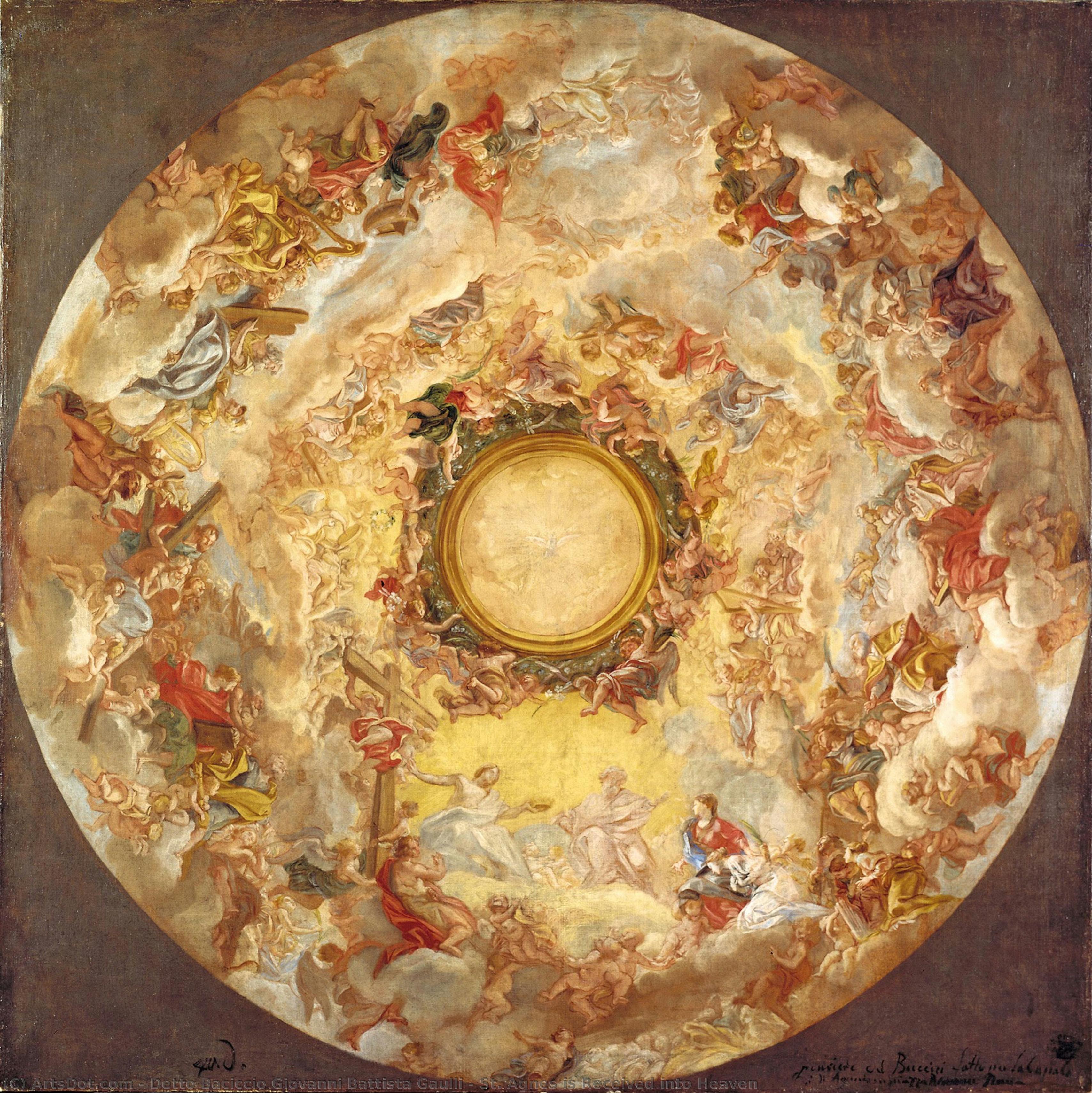
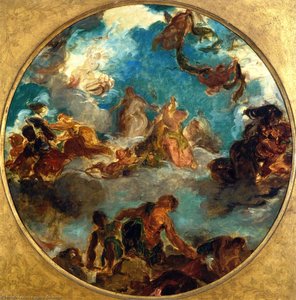
統計情報St. Agnes is Received into Heaven
 Oil
Oil- WallArt
- Baroque
 1689
1689- Early Modern
 999.0 x 994.0 cm
 Kunstpalast
 詳細を見る
詳細を見る
オンラインプレビューをはるかに凌ぐ、高解像度で鮮明なデジタル画像をご購入いただけます。
各ファイルは、社内の専門家が高度なツールと熟練した手作業によるレタッチを用いて、細心の注意を払って準備されています。すべての画像において、卓越した鮮明度、正確な色彩再現性、そして繊細なディテールを保証いたします。
最終ファイルは、プロフェッショナルな編集・印刷環境ですぐにご利用いただけるよう最適化された状態で、72時間以内にメールにてお届けいたします。これは、一流のデザインスタジオ、出版社、ギャラリーから信頼されているものと同等の品質です。
デジタルアート
個人での鑑賞、印刷、クリエイティブなプロジェクト用に、高解像度ファイルをダウンロードできます。 ( プリント版に切り替え 手描きの絵画を購入)
デジタル画像のご注文に付随する特典
高品質なデジタル画像配信を、確かな品質で。
ArtsDot.com を選ぶことは、単に画像を手に入れることではありません。それは、プロの手によって精密に仕上げられ、満足保証が付いた高品質なデジタルアートワークを受け取ることを意味します。ご注文いただいた際に自動的に付随する内容は、以下の通りです:

メールですぐにお届け
ご注文から72時間以内に、高解像度のデジタル画像ファイルがメールでお手元に届きます。すぐにそのままご利用いただけます。

AI技術で最適化されたデジタルファイル
お客様の作品は、高度なAIツールと専門家による手作業の編集を組み合わせてプロフェッショナルに最適化されており、細部のディテール、鮮明さ、そして正確な色再現性を最大限に引き出しています。

一生涯無料の再送サービス
ファイルを誤って削除したり、紛失してしまったりしましたか?ご安心ください。いつでも無料で再送いたします。

輸入手数料は一切かかりません
関税や手数料、配送料を気にすることなく、お気に入りのアートワークをすぐにお楽しみいただけます。デジタルダウンロードは常に免税です。

色彩再現の保証
プロ仕様のツールとカラーマネジメント技術を用いることで、デジタル画像が元の色を最大限に忠実に再現することを保証いたします。

100日間満足保証
ご購入いただいたデジタル画像にご満足いただけない場合は、100日以内であれば、理由を問わず修正または100%の返金対応をさせていただきます。

100% 返金保証
ご満足いただけない場合は、デジタルファイルを受け取ってから100日以内であれば、理由を問わず全額返金いたします。

まとめ買い割引
3枚購入で10%OFF - 5枚購入で15%OFF - 10枚以上購入で20%OFF。クリエイティブなプロジェクト、ギャラリー、エージェンシーに最適です。
A Celestial Ascent: The Visionary Brilliance of St. Agnes
In the heart of Rome’s Baroque splendor, few visions capture the ethereal boundary between earth and heaven as profoundly as St. Agnes is Received into Heaven. This breathtaking oil bozzetto serves as a window into a moment of divine transcendence, where the physical world dissolves into a swirling vortex of light and spirit. The composition centers on the saint herself, caught in a state of sublime ascension, her form being tenderly hoisted toward the infinite by a celestial host. As the eye wanders through the circular frame, it encounters an army of angels and divine figures arranged in a rhythmic, spiral-like motion. This deliberate arrangement creates a powerful sense of kinetic energy, pulling the viewer upward along with the saint, as if the very architecture of the painting is opening to reveal the heavens themselves.
The technical mastery displayed in this work is nothing short of miraculous, embodying the illusionistic heights of the Roman Late Baroque. The artist utilizes a sophisticated manipulation of light and shadow—a technique known as chiaroscuro—to give weight to the figures while simultaneously making them appear weightless upon their banks of clouds. Through an audacious abbreviation of space, the painting achieves a sense of depth that defies its two-dimensional surface, creating a trompe l'oeil effect that suggests the dome above is not a solid structure, but a gateway to the divine. For the discerning collector or interior designer, this piece offers more than mere decoration; it provides a focal point of profound movement and dramatic tension, capable of transforming a space into a sanctuary of contemplation.
The Legacy of Illusion: Gaulli and the Baroque Spirit
To understand the emotional gravity of this masterpiece, one must look to the hands of its creator, Giovanni Battista Gaulli, known affectionately as Baciccio. A protégé of the legendary Gian Lorenzo Bernini, Gaulli brought a sculptural sensibility to the medium of oil painting. This particular work emerged from a complex historical moment in 1689, following the sudden death of Ciro Ferri. Tasked with completing the decoration for the Church of Sant‘Agnese on the Piazza Navona, Gaulli utilized this bozzetto to experiment with the theatricality and grandeur that would define his legacy. The painting is a testament to the transition of artistic responsibility, where the vision of one master was refined and expanded by another, resulting in a design that pushed the boundaries of what the human eye could perceive as reality.
The symbolism embedded within the swirling clouds and the upward trajectory of the figures speaks to the eternal themes of purity, martyrdom, and divine grace. Every brushstroke is designed to evoke awe, making this reproduction an ideal acquisition for those who appreciate art that tells a story of spiritual triumph. Whether placed in a grand gallery or as a sophisticated statement piece in a contemporary setting, the painting radiates a timeless elegance. It invites the observer to pause and lose themselves in the rhythmic dance of the angels, offering a permanent sense of wonder and a breathtaking glimpse into the celestial realm.
関連作品

作家の略歴
The Architect of Illusion: The Life and Legacy of Giovanni Battista Gaulli
In the grand, theatrical theater of the Roman Baroque, few names command as much awe as Giovanni Battista Gaulli. Known affectionately to his contemporaries and history as Baciccio—a Genoese diminutive meaning “the little painter”—Gaulli did not merely paint surfaces; he dissolved them. Born in Genoa on May 8, 1639, his early life was shaped by the vibrant artistic currents of Northern Italy, yet it was his migration to Rome in 1657 that would forever alter the trajectory of Western art. This move placed him at the very heart of the Counter-Reformation's visual propaganda, where the goal of art was to overwhelm the senses and transport the soul toward the divine.
The foundation of Gaulli’s genius was laid within the orbit of the legendary Gian Lorenzo Bernini. Immersing himself in Bernini’s atelier, Gaulli absorbed the principles of sculptural grandeur and theatrical illusionism that defined the High Baroque. He learned to view a canvas not as a flat plane, but as a window into an infinite, celestial space. This profound influence is evident in his mastery of chiaroscuro, where the dramatic interplay between deep shadow and piercing light serves to sculpt figures with a weight and presence that rivals marble. By blending the painterly richness of masters like Rubens and Van Dyck with the structural drama of Bernini, Gaulli developed a style that prioritized emotional resonance and spiritual ecstasy over mere anatomical precision.
A Master of Celestial Spectacle
Gaulli’s most enduring achievements are found in his monumental frescoes, works that transformed the ceilings of Rome into portals to the heavens. His ability to execute quadratura—the technique of painting architectural perspectives that appear to extend the real space of a building—reached its zenith in the great churches of the city. Perhaps most breathtaking is his work in the Il Gesù church, specifically the Adoration of the Name of Jesus. In this masterpiece, Gaulli achieved a dizzying sense of movement; clouds seem to spill over the edges of the frame, and saints and angels appear to tumble through the very air of the nave, bathed in a holy, radiant light that blurs the line between the earthly and the eternal.
Beyond these vast ceiling compositions, Gaulli’s talent extended to more intimate, yet equally powerful, devotional works. His St John the Baptist, created around 1676, demonstrates his ability to capture intense human emotion through a realistic lens, utilizing vibrant colors and dynamic poses to engage the viewer's empathy. Whether working on a massive scale for papal commissions or crafting poignant altarpieces, his hand was always recognizable by its energy, its luminous palette, and an almost restless sense of motion.
Historical Significance and Artistic Triumph
The career of Baciccio represents the pinnacle of the High Baroque era, acting as a bridge between the heavy, muscular drama of the mid-17th century and the lighter, more decorative flourishes of the early Rococo. His ability to manipulate light and space left an indelible mark on the Roman school of painting, influencing generations of artists who sought to capture the sublime. As he moved through the late 17th century, his works became increasingly complex, pushing the boundaries of what could be achieved with pigment and plaster.
When Gaulli passed away in Rome on April 2, 1709, he left behind a legacy that continues to haunt the corridors of Italy's most sacred basilicas. To study his work is to witness the triumph of illusion; he remains an artist who understood that the true purpose of art was not just to show the world as it is, but to reveal the magnificent, unseen glory of the divine.

detto baciccio giovanni battista gaulli
1639 - 1709
プロフィール概要
- Artistic Movement Or Style: High Baroque
- Artists Or Movements Influenced By This Artist: Baroque art
- Artists Who Influenced This Artist: Gian Lorenzo Bernini
- Date Of Birth: May 8, 1639
- Date Of Death: 1709
- Full Name: Giovanni Battista Gaulli (detto baciccio)
- Nationality: Italian
- Notable Artworks:
- St. Agnes is received into heaven
- The continence of Scipio
- Cupola decoration
- Place Of Birth: Genoa, Italy