

 プレビュー
プレビュー
 シェアする
シェアする シェアする
シェアする
 詳細を見る
詳細を見る

 ダウンロード
 似ている作品
 X線調査
X線調査 スライドショー
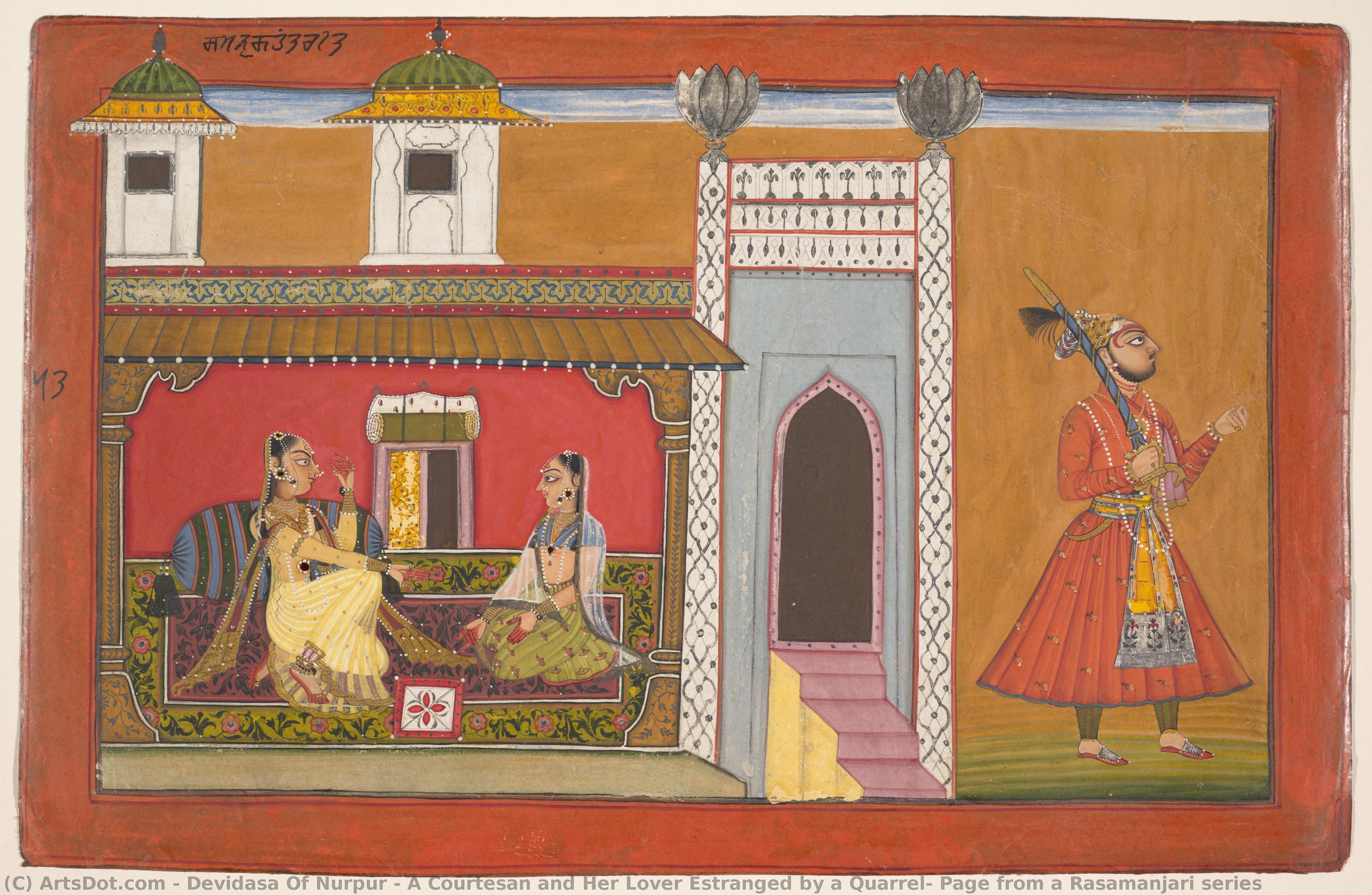
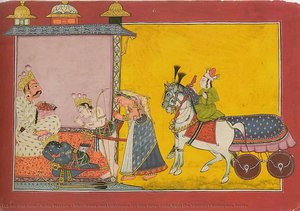
A Courtesan and Her Lover Estranged by a Quarrel: Page from a Rasamanjari series
 1694
1694 22.0 x 32.0 cm
 詳細を見る
詳細を見る
ジークレー/アートプリント
迅速な制作と多彩な仕上げオプションを備えた、ミュージアムクオリティのジークレーまたはキャンバスプリント。 ( 手描きの絵画を購入 画像を購入)




































作品のオリジナル比率に合わせた、当店の規定サイズからお選びください。

特定のフレームやスペースに合わせて、ご自身でサイズを指定することも可能です。選択されたサイズが元の画像の比率と一致しない場合、作品をトリミングするか、鏡面反射または単色での塗りつぶしによって画像を拡張いたします。制作を開始する前に、ご確認用のデジタルモックアップをお送りいたします。
画面上のプレビューには、実際のトリミングや拡張は反映されませんのでご注意ください。最終的な構図を正確に確認できるのは、モックアップのみとなります。
カスタムサイズも承っておりますが、元の比率を維持するためには、あらかじめ用意されたリストからサイズを選択することをお勧めいたします。


 ガラスオプションは、110cm未満のサイズでのみご利用いただけます。

A Courtesan and Her Lover Estranged by a Quarrel: Page from a Rasamanjari series
ジークレー/アートプリント
複製画のサイズ
-


合計金額
$ 62
作品詳細説明
関連作品

アーティストの略歴
The Lineage of Nurpur
Devidasa of Nurpur emerged from the vibrant artistic traditions of the Punjab Hills during a transformative era in Indian art history. Active between approximately 1680 and 1720, his life was deeply intertwined with the familial workshop culture that defined the period. He was the son of Kripal, a master artist whose influence shaped the foundation of the family's creative output. Growing up within this lineage, Devidasa was immersed from a young age in the rigorous training required to master the Pahari style. This apprenticeship allowed him to inherit not just technical skill, but a profound understanding of the cultural and spiritual narratives that would become the heartbeat of his work. His development was a seamless continuation of a legacy, blending the ancestral techniques of his father with his own burgeoning mastery of color and form.A Symphony of Color and Form
The aesthetic essence of Devidasa’s work lies in its breathtaking ability to balance abstraction with intricate detail. His paintings are quintessential examples of the Pahari school, characterized by a striking use of bright, saturated pigments and a deliberate sense of flatness that elevates the subject matter beyond mere representation. Through delicate, flowing lines, he captured the ethereal beauty of Hindu mythology and the intimate nuances of everyday life. There is a captivating tension in his compositions, where the refined, sophisticated influence of Mughal painting meets the bold, emotive energy of the Rajput tradition. This synthesis allowed him to create scenes that felt both structurally precise and spiritually resonant, using color not just as decoration, but as a tool to evoke deep emotional responses from the viewer.Masterpieces and Enduring Legacy
The brilliance of Devidasa’s artistry is most vividly realized in his celebrated series, such as the Rasamanjari. His masterpiece, Shiva and Parvati playing chaupar, stands as a testament to his ability to render divine intimacy through masterful composition. Other notable works, including the poignant Sanehi ragini and depictions of lovers caught in the throes of quarrel, showcase his skill in portraying complex human emotions through stylized forms. The historical significance of his work is preserved in some of the world's most esteemed galleries, with his paintings held in the permanent collections of the Metropolitan Museum of Art in New York and the Museum of Fine Arts, Boston. Beyond his individual achievements, Devidasa’s stylistic innovations left an indelible mark on the trajectory of Indian miniature painting, influencing subsequent masters such as Nainsukh and Sajnu, ensuring that his vision remains a vital part of the global art canon.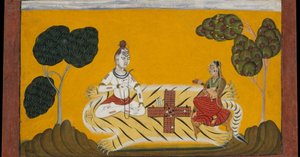
devidasa of nurpur
India
基本情報
- Artistic Movement Or Style: World Goes Pop
- Artists Or Movements Influenced By This Artist: ['Influenced by pop art movement']
- Artists Who Influenced This Artist: ['Influenced by diverse artists in The World Goes Pop exhibition']
- Date Of Death: Living
- Notable Artworks: ['Various works featured in The World Goes Pop exhibition']
- Place Of Birth: WahooArt

