 プレビュー
プレビュー
 プリントを購入
 シェアする
シェアする シェアする
シェアする
 詳細を見る
詳細を見る

 ダウンロード
 似ている作品
 X線調査
X線調査 スライドショー
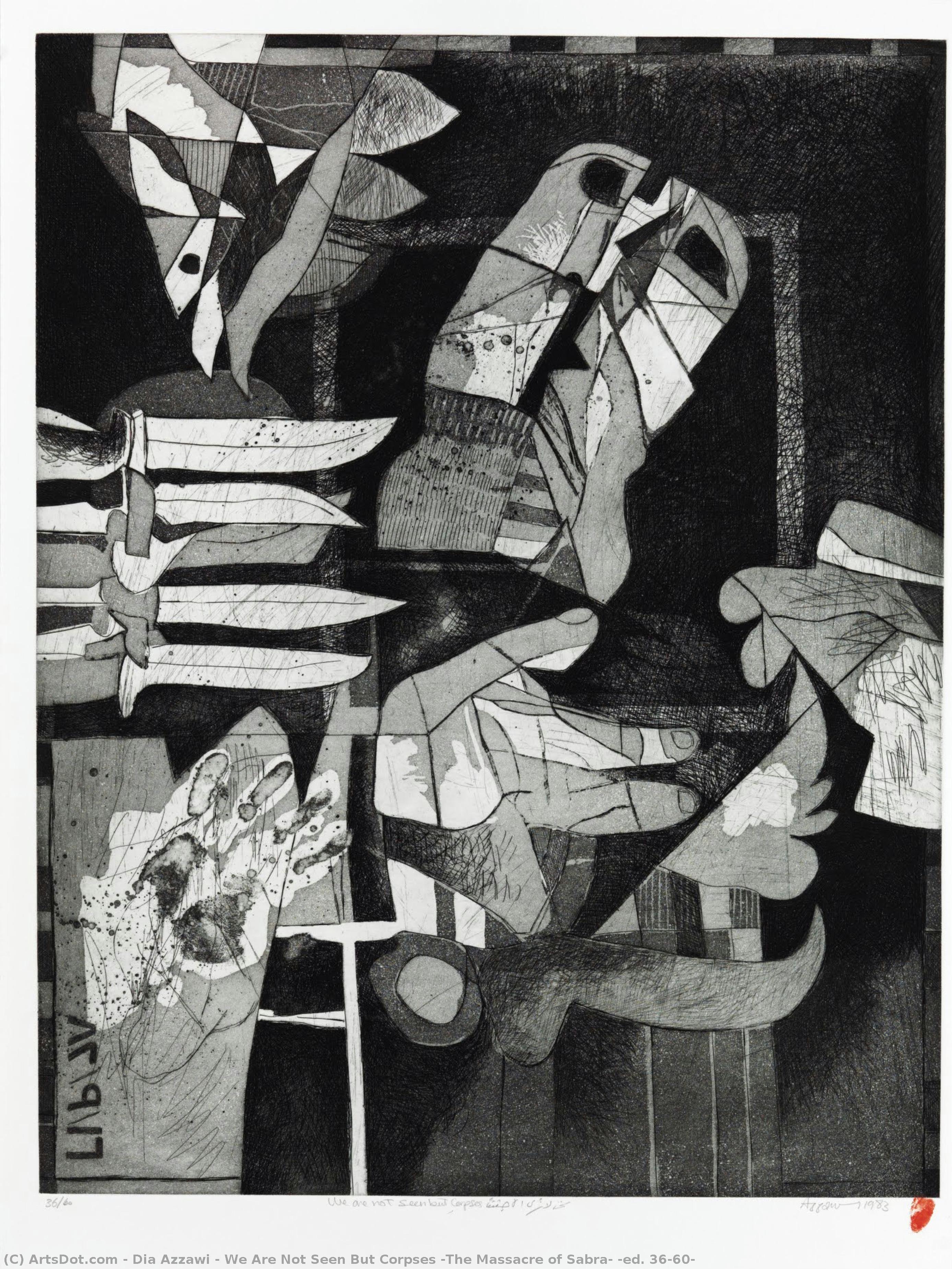
We Are Not Seen But Corpses (The Massacre of Sabra) (ed. 36/60)


 詳細を見る
詳細を見る




P118B $10

P118H $10

P118W $10

P438Z $10

P508JH $12

P508YH $12

P805H $10

P805Z $10

P919BZ $10

P919G $10

P919XJ $10

P959ZH $10

P968JZ $12

W106C $8

W218G $10

W218JH $8

W218Y $10

W307PJ $10

W316G $10

W316PJ $8

W316Y $10

W398PJ $8

W4111J $10

W500HY $15

W500JH $15

W692G $12

W849H $8

W940BG $15

W953PJ $8




作品のオリジナル比率に合わせた、当店の規定サイズからお選びください。

特定のフレームやスペースに合わせて、ご希望のサイズをご入力いただけます。選択されたサイズが元の画像の比率と異なる場合、アートワークをトリミングするか、手描きで要素を追加して絵画を拡張いたします。デジタルモックアップ を制作し、制作開始前にご確認(承認)をいただきます。
画面上のプレビューは、実際のトリミングや拡張を正確に反映しているものではありません。最終的な構図は、モックアップによってのみ正確にご確認いただけます。
カスタムサイズもご利用いただけますが、元の比率を維持するためには、あらかじめ用意されたリストからサイズを選択することをお勧めいたします。
ご注文後、ArtsDot.com チームより詳細な指示をお送りするとともに、仕上がりイメージ(モックアップ)をご提供いたします。


 ガラスオプションは、110cm未満のサイズでのみご利用いただけます。

We Are Not Seen But Corpses (The Massacre of Sabra) (ed. 36/60)
複製技法
複製画のサイズ
-


合計金額
$ 263
A Chronicle of Trauma: Dia al-Azzawi’s “We Are Not Seen But Corpses”
Dia al-Azzawi's "We Are Not Seen But Corpses (The Massacre of Sabra and Shatila)" isn’t merely a depiction of violence; it’s a visceral, fragmented scream rendered in stark monochrome. Created in 1983 amidst the harrowing aftermath of the Sabra and Shatila massacres – a brutal episode of Palestinian and Lebanese civilian deaths – this monumental drawing transcends simple documentation, becoming a potent symbol of loss, injustice, and the enduring scars of conflict. Al-Azzawi, deeply rooted in the turbulent history of Iraq and profoundly affected by the events unfolding in Lebanon, channeled his anguish into a work that refuses easy categorization, embodying elements of Expressionism, Cubism, and a raw, almost journalistic intensity. The piece’s scale – often realized as expansive wall hangings – immediately engulfs the viewer, mirroring the overwhelming nature of the tragedy it portrays.Deconstructing Chaos: Form, Line, and the Language of Fragmentation
The composition itself is deliberately unsettling, eschewing traditional perspective in favor of a chaotic arrangement of geometric shapes—triangles, rectangles, and fractured forms—that relentlessly suggest human figures and weaponry. These aren’t idealized representations; instead, they are brutally deconstructed, reduced to their essential components, mirroring the dehumanizing effect of violence. Lines, both thick and delicate, dominate the surface, not outlining form but rather creating a network of jagged edges and overlapping planes that contribute to an atmosphere of perpetual disruption. The monochromatic palette—a relentless interplay of black, white, and shades of gray—amplifies this sense of unease, stripping away any potential for beauty or comfort. It’s a deliberate choice, forcing the viewer to confront the stark reality of the massacre without the softening influence of color. The artist's technique, likely employing etching or woodcut methods, lends a textural quality to the work – areas appear smooth and polished while others retain a rough, almost scratchy surface, mirroring the physical and emotional damage inflicted upon the victims.Echoes of Trauma: Symbolism and Historical Context
At its core, “We Are Not Seen But Corpses” is deeply rooted in the writings of Jean Genet’s "Four Hours in Shatila," a harrowing dispatch detailing the events of the massacre. Al-Azzawi explicitly referenced Genet's fragmented narrative as inspiration, mirroring the work’s own disjointed structure and its refusal to offer a neat or conclusive explanation. The inclusion of seemingly random elements—a boot, a chair, a missile—further underscores this sense of disorientation, suggesting that even the most mundane objects are tainted by violence. The recurring motif of the body, fragmented and scattered across the composition, serves as a potent symbol of loss and the disintegration of human identity in times of conflict. The stark contrast between light and shadow emphasizes the horror, while the absence of any clear focal point forces the viewer to confront the totality of the tragedy—a relentless barrage of suffering with no respite.A Legacy of Witness: Dia al-Azzawi’s Artistic Voice
Born in Baghdad in 1939, Dia al-Azzawi's artistic journey is inextricably linked to the political and social upheavals that have shaped modern Iraq. His early exposure to Mesopotamian history and folklore instilled a deep appreciation for symbolism and narrative—qualities he would later infuse into his work. “We Are Not Seen But Corpses” stands as a testament to his commitment to confronting difficult truths, offering a powerful visual indictment of violence and injustice. The artwork’s enduring impact lies not only in its depiction of a specific historical event but also in its ability to resonate with broader themes of human suffering and the long-lasting consequences of conflict. Reproductions of this arresting piece offer a poignant reminder of the importance of bearing witness, ensuring that such tragedies are never forgotten. Further research reveals Al-Azzawi’s ongoing commitment to exploring themes of displacement, memory, and cultural identity within the context of the Middle East, solidifying his position as a vital voice in contemporary art.関連作品
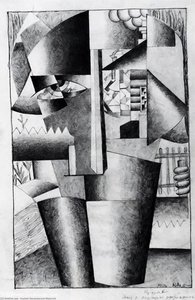
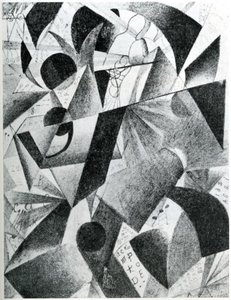
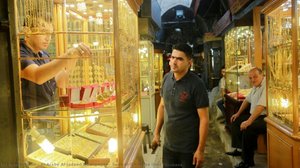
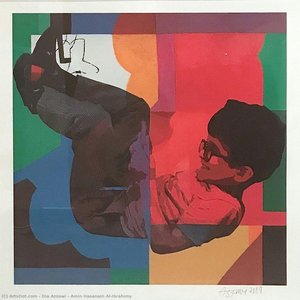
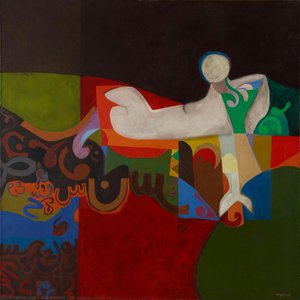
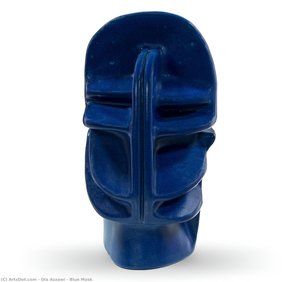
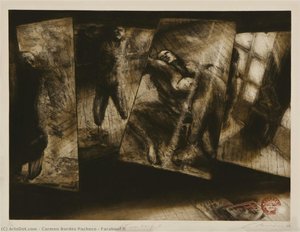
アーティストの略歴
メソポタミアの残響に刻まれた生涯
1939年にバグダッドで生まれたディア・アル=アザウィは、単なる画家という言葉では語り尽くせない存在です。彼はアラブ世界の視覚的な詩人であり、その人生と作品は、イラクの激動の歴史と不朽の文化遺産と切り離すことのできない深い結びつきを持っています。彼の形成期は、深遠な政治的・社会的な変革の時代の中で展開し、この背景が彼の芸術的ビジョンを深く形作りました。幼少期からアラブの民間伝承やメソポタミア古代文明の荘厳な残滓に浸されながら育ったアル=アザウィは、象徴と物語の力に対して鋭敏な感受性を養いました。この基盤が彼をバグダッド美術学院へと導き、そこで彼は正式な訓練を受けました。技術的な熟練さを身につけつつ、同時に美術史の流れを吸収し、その知識体系を後に自身の独自の美学言語と見事に統合していくのです。それからすでに明らかだったのは、アル=アザウィが単に既存の様式を模倣することを目指しているのではなく、祖先の視覚文化を掘り起こし、再生させることを求めていたということでした。独自の世界観の誕生
アル=アザウィの芸術的な旅は抽象表現主義の探求から始まりましたが、この段階は彼にとって遥かにより際立った何かへと至るための単なる踏み台に過ぎませんでした。彼はすぐに、アラビア文字を大胆に作品に取り込む革新的なスタイルへと傾倒していきます。これは単なる装飾ではありませんでした。それは意図的な「奪還」の行為であり、グローバルな美術界におけるアラブのアイデンティティの力強い主張だったのです。アル=アザウィは『フルフィヤ』運動の中心人物となりました。この運動は、アラビア文字を伝統的な言語機能から解放し、それらが持つ本質的な美学的可能性を抽象的な形態として探求する集団的な試みでした。彼のキャンバスは古代の書体のエネルギーで脈打ち始め、歴史的な重みと現代的な関連性という両方に共鳴するダイナミックな形とパターンへと変貌していきました。彼が用いる色彩パレットはしばしば鮮やかで感情を帯びており、それは単に彼の個人的な情熱を反映しているだけでなく、彼を取り巻く政治的現実への深い関与をも示していました。彼は困難なテーマに直面することを恐れませんでした。むしろ、それらを深遠な美しさと不安を伴う力を持つ作品へと昇華させていったのです。新たな道を切り拓く:ニュー・ビジョン・グループ
1963年、イラクにおいてより進歩的な芸術的声が必要であると認識したアル=アザウィは、「ニュー・ビジョン・グループ」(ジャマーアット・アル=ルウヤ・アル=ジャディダ)を共同設立しました。このイラクの芸術家集団は、従来の規範から脱却し、アラブ美術を近代化することを目指しました。それは既存の制度に挑戦し、実験を提唱する大胆な試みでした。グループ内でのアル=アザウィのリーダーシップは、活気ある芸術コミュニティを育み、新世代の創造者たちにインスピレーションを与える上で極めて重要でした。ニュー・ビジョン・グループが目指したのは単なる様式の革新ではありませんでした。それは、急速に変化する世界において「アラブ人である」ということの意味を再定義し、より大きな文化的自律性と自己表現への道を切り開くことだったのです。彼らは展覧会や出版物、共同プロジェクトを通じて、現代イラク美術の地位を国内のみならず国際的にも高めようと努めました。遺産、紛争、そして亡命というテーマ
彼の多作なキャリアを通して、ディア・アル=アザウィは一貫して、アラブ世界の経験と深く共鳴する「遺産」「アイデンティティ」「紛争」、そして「亡命」といったテーマに取り組んできました。彼の作品は、イラクの歴史を彩ってきた政治的な動乱や社会的な激変に対する痛切な反映となっています。彼は絵画、彫刻、版画、デジタルアートといった多様なメディアを巧みに操り、芸術的革新への揺るぎないコミットメントを示しています。著名なイラクの詩人への感動的なオマージュである「アミン・ハサナイン・アル=イブラヒミー」や、レバノンのテル・ザアタル難民キャンプ虐殺の犠牲者を追悼した痛ましい連作「ナスリード・アル=ジャッサド(身体の賛歌)」のような注目すべき作品は、彼の芸術的良心を示す力強い証言となっています。また、レバノンにあるナブ博物館のようなプロジェクトにおいても、その協働精神が明らかであり、未来の世代のためにアラブ美術と文化を保存し促進するという献身の証となっています。書道と勇気に刻まれた遺産
今日、ディア・アル=アザウィは現代アラブ世界で最も重要で影響力のある芸術家の一人として正当に認められています。彼の先駆的なアラビア文字の使用法と、複雑な社会政治的テーマに対する一切の躊躇のない探求は、後続の世代の芸術家に消しがたい足跡を残しました。現在ロンドンに居住していますが、彼は現代美術において依然として重要な声であり続け、世界舞台でアラブの芸術表現を提唱し続けています。彼の作品は国際的に展示され、数多くの権威あるコレクションに収蔵されており、中東美術という文脈の中だけでなく、世界の美術史というより広範な物語においても、彼が重要な人物であることを確固たるものにしています。ディア・アル=アザウィの遺産は単なる美的な革新に関するものではありません。それは勇気――困難な真実に立ち向かう勇気、文化的なアイデンティティを取り戻す勇気、そして芸術を社会変革のための強力な道具として用いる勇気なのです。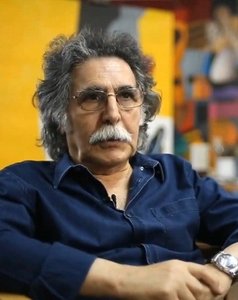
ディア・アルアザウィ
1939 - , イラク
基本情報
- Artistic Movement Or Style: フルフィヤ、抽象表現主義
- Artists Or Movements Influenced By This Artist: ['近代アラブの芸術家']
- Date Of Birth: 1939年
- Full Name: ディア・アル=アザウィー
- Nationality: イラク人
- Notable Artworks:
- アミン・ハサナイン・アル=イブラヒミー
- ナスリード・アル=ジャサド
- 目の喜び
- 我々は死体として見られる
- Place Of Birth: バグダッド、イラク
関連記事

デトロイト美術館の至宝25選:名画とアートが語る街の歴史 | ArtsDot
デトロイト美術館の至宝25選。ゴッホ、モネ、レンブラント…名画に秘められた物語と感動を紐解きます。印象派から写実主義まで、美術史を彩る傑作を鑑賞。ArtsDotで高品質な複製画やインテリアアートを見つけましょう。全コレクションはこちら: ArtsDot.com
Beyond Form & Color: Geometric Abstraction's Enduring Legacy in Art History
Explore the captivating world of geometric abstraction! Discover its origins, key artists like Malevich & Mondrian, and why this movement remains highly valued by art collectors today. Expert insights at ArtsDot.