

 プレビュー
プレビュー
 プリントを購入
 シェアする
シェアする シェアする
シェアする
 詳細を見る
詳細を見る

 ダウンロード
 似ている作品
 X線調査
X線調査 スライドショー
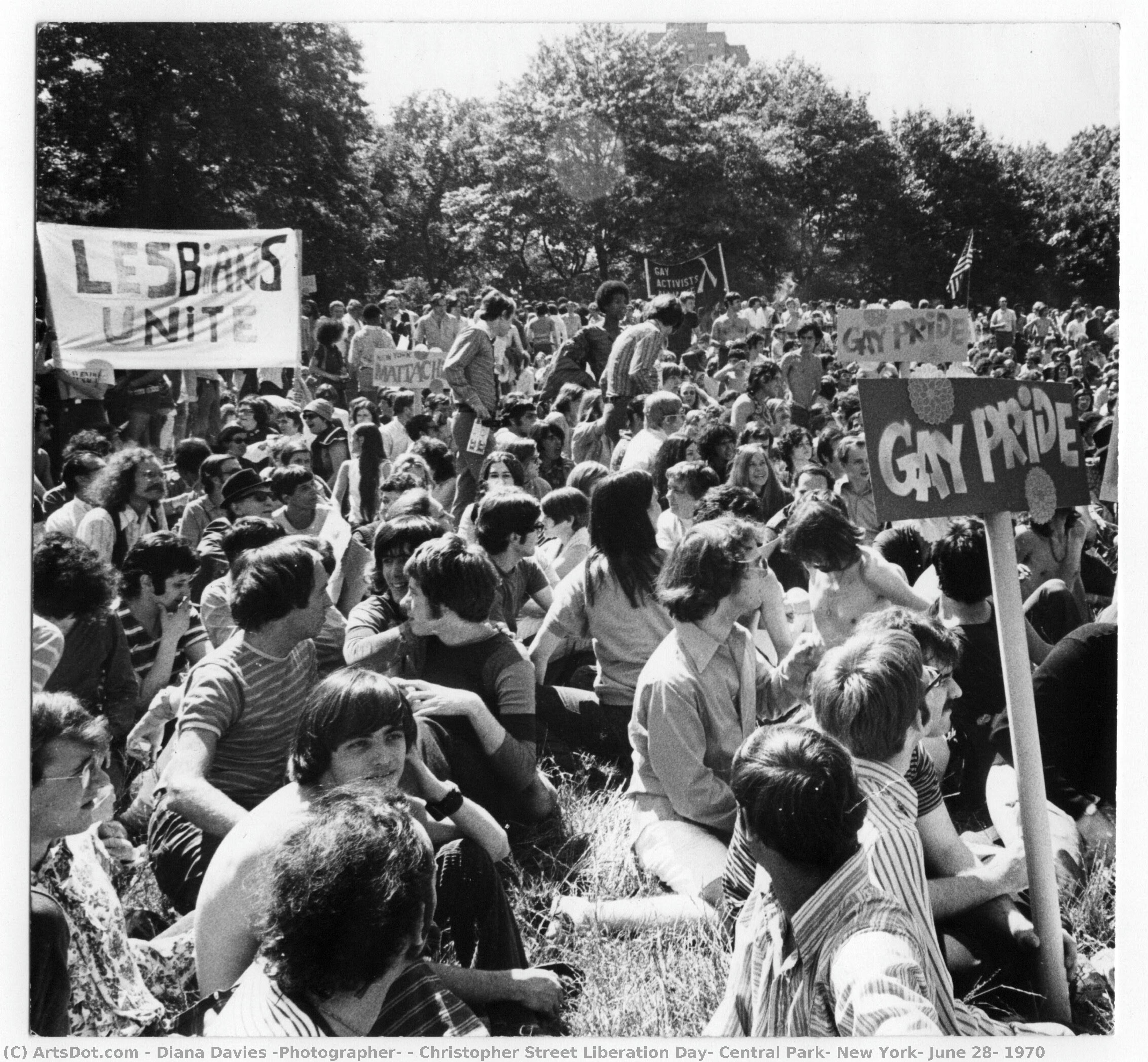
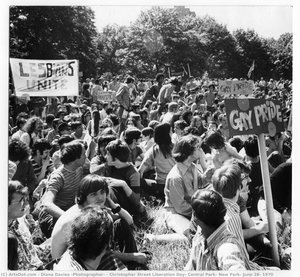
Christopher Street Liberation Day, Central Park, New York, June 28, 1970

 詳細を見る
詳細を見る




































作品のオリジナル比率に合わせた、当店の規定サイズからお選びください。

特定のフレームやスペースに合わせて、ご希望のサイズをご入力いただけます。選択されたサイズが元の画像の比率と異なる場合、アートワークをトリミングするか、手描きで要素を追加して絵画を拡張いたします。デジタルモックアップ を制作し、制作開始前にご確認(承認)をいただきます。
画面上のプレビューは、実際のトリミングや拡張を正確に反映しているものではありません。最終的な構図は、モックアップによってのみ正確にご確認いただけます。
カスタムサイズもご利用いただけますが、元の比率を維持するためには、あらかじめ用意されたリストからサイズを選択することをお勧めいたします。
ご注文後、ArtsDot.com チームより詳細な指示をお送りするとともに、仕上がりイメージ(モックアップ)をご提供いたします。


 ガラスオプションは、110cm未満のサイズでのみご利用いただけます。

Christopher Street Liberation Day, Central Park, New York, June 28, 1970
複製技法
複製画のサイズ
-


合計金額
$ 538
関連作品






アーティストの略歴
Diana Davies: A Chronicle of Movement and Witness
Diana Davies, a name perhaps less familiar than some of her contemporaries in the vibrant photojournalism scene of the late 1960s and 70s, nevertheless stands as a crucial chronicler of pivotal social movements. Born in 1938 in the United States – though details of her early life remain somewhat fragmented – Davies’ career blossomed from humble beginnings, fueled by an innate curiosity, a deep-seated empathy for marginalized communities, and a remarkable ability to capture the raw energy of protest and celebration. Her work wasn't about staged portraits; it was about documenting lived experiences, offering visual testimony to moments of profound change.
Davies’ journey into photography began almost serendipitously. Leaving high school at sixteen, she found herself working as a waitress and dishwasher in Greenwich Village, New York City – an environment teeming with artistic expression and political activism. It was within this milieu that she discovered her passion for the medium, teaching herself darkroom techniques and developing a keen eye for composition. Initially drawn to theater photography, capturing the dynamism of stage performances, Davies soon recognized the potential of her craft to document broader social shifts. Her early work reflected an interest in human rights and social justice, influenced by her family’s background as union organizers and socialists – a lineage that instilled within her a commitment to challenging established power structures.
The Rise of a Social Witness
A defining moment in Davies' career arrived through her association with Sis Cunningham and Gordon Friesen, editors of the influential radical magazine, *Broadside*. This connection opened doors to documenting the burgeoning Civil Rights Movement, the anti-war protests, and the early days of the feminist and gay liberation movements. She began photographing at the Newport Folk Festival in 1964, a landmark event that challenged mainstream musical tastes and became a symbol of countercultural resistance. Davies’ images weren't simply records; they were imbued with a sense of immediacy and authenticity, capturing the passion and determination of those involved.
Her work extended far beyond the United States. In the early 1960s, she embarked on a photographic journey to the Georgia Sea Islands, documenting the rich cultural heritage of African American communities in the region. This project, undertaken at the invitation of Bessie Jones, became a cornerstone of her oeuvre, offering a rare and intimate glimpse into a vibrant tradition often overlooked by mainstream media. Later, Davies traveled to Mexico, Cuba, and Portugal, capturing scenes of political unrest, social change, and cultural exchange. Her travels were not merely journalistic assignments; they were deeply personal explorations of the human condition.
Documenting Key Movements
Davies’ photographic archive is particularly significant for its comprehensive coverage of pivotal moments in American history. She documented the Poor People's March on Washington in 1968, capturing the energy and diversity of the coalition assembled to demand economic justice. Her images from the Philadelphia Folk Festival – a gathering that showcased folk music and social activism – are considered iconic representations of the era’s countercultural spirit. Crucially, she was one of the first photographers to document the early days of the Gay Liberation Movement, capturing scenes from the first Pride Parade in New York City in 1970. These photographs offer invaluable insights into a period of profound social transformation.
Beyond these specific events, Davies’ work consistently focused on documenting grassroots movements and marginalized communities. She photographed labor strikes, anti-nuclear protests, and demonstrations for peace and civil rights – always with an eye toward capturing the human faces behind the headlines. Her photographs are not simply historical records; they are powerful testimonials to the struggles and triumphs of those fighting for a more just and equitable world.
Legacy and Influence
Diana Davies’ legacy extends beyond her individual photographs. She played a vital role in shaping the field of photojournalism, demonstrating the power of images to document social change and amplify marginalized voices. Her work is now housed in prominent collections, including the Ralph Rinzler Folklife Archives and Collections at the Smithsonian Center for Folklife and Cultural Heritage, as well as the New York Public Library and Smith College. Her commitment to documenting grassroots movements and her willingness to immerse herself in diverse communities continue to inspire photographers today. While she shifted her focus towards illustration and painting later in life, her photographic archive remains a powerful testament to a remarkable artist’s dedication to bearing witness to history.
diana davies (photographer)
United States of America
基本情報
- Artistic Movement Or Style: Photojournalism
- Artists Or Movements Influenced By This Artist: ['Aaron Siskind']
- Artists Who Influenced This Artist:
- Gordon Friesen
- Sis Cunningham
- Date Of Birth: Unknown, USA
- Date Of Death: Living
- Full Name: Diana Davies (photographer)
- Nationality: American
- Notable Artworks:
- Christopher Street Liberation Day
- Davis Museum Photographs
- Place Of Birth: United States of America

