

 プレビュー
プレビュー
 プリントを購入
 シェアする
シェアする シェアする
シェアする
 詳細を見る
詳細を見る

 ダウンロード
 似ている作品
 X線調査
X線調査 スライドショー
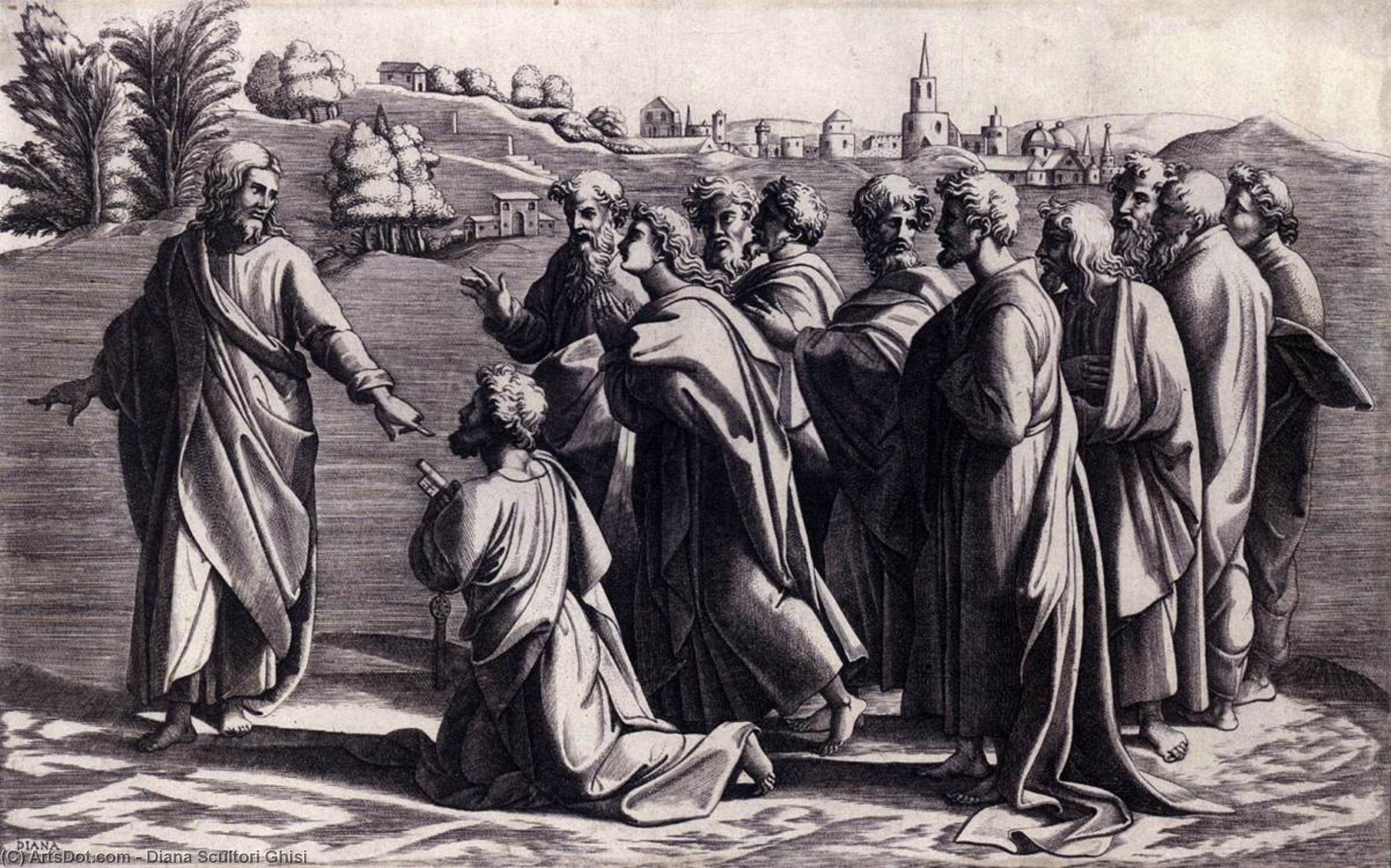
Christ Making Peter Head of the Church
 Engraving
- Renaissance engraving
 1570
1570 407.0 x 560.0 cm
 ナショナル・ギャラリー・オブ・アート
 詳細を見る
詳細を見る




P118B $10

P118H $10

P118W $10

P438Z $10

P508JH $12

P508YH $12

P805H $10

P805Z $10

P919BZ $10

P919G $10

P919XJ $10

P959ZH $10

P968JZ $12

W106C $8

W218G $10

W218JH $8

W218Y $10

W307PJ $10

W316G $10

W316PJ $8

W316Y $10

W398PJ $8

W4111J $10

W500HY $15

W500JH $15

W692G $12

W849H $8

W940BG $15

W953PJ $8




作品のオリジナル比率に合わせた、当店の規定サイズからお選びください。

特定のフレームやスペースに合わせて、ご希望のサイズをご入力いただけます。選択されたサイズが元の画像の比率と異なる場合、アートワークをトリミングするか、手描きで要素を追加して絵画を拡張いたします。デジタルモックアップ を制作し、制作開始前にご確認(承認)をいただきます。
画面上のプレビューは、実際のトリミングや拡張を正確に反映しているものではありません。最終的な構図は、モックアップによってのみ正確にご確認いただけます。
カスタムサイズもご利用いただけますが、元の比率を維持するためには、あらかじめ用意されたリストからサイズを選択することをお勧めいたします。
ご注文後、ArtsDot.com チームより詳細な指示をお送りするとともに、仕上がりイメージ(モックアップ)をご提供いたします。


 ガラスオプションは、110cm未満のサイズでのみご利用いただけます。

Christ Making Peter Head of the Church
複製技法
複製画のサイズ
-


合計金額
$ 538
A Moment of Divine Appointment: Diana Scultori’s “Christ Making Peter Head of the Church”
Diana Scultori’s engraving, "Christ Making Peter Head of the Church," is more than just a depiction of a biblical scene; it's a meticulously crafted testament to Renaissance artistry and a profound meditation on faith, leadership, and divine authority. Created in 1570, this work transcends its historical context, offering viewers a glimpse into a pivotal moment in Christian theology – the very act through which Jesus bestowed upon Peter the role of head of the Church. The image, currently housed within the National Gallery of Art in Washington D.C., is a masterclass in restrained drama and symbolic resonance, achieved through Scultori’s exceptional skill as a reproductive engraver.
The scene unfolds with an almost startling intimacy. Christ, rendered with a serene dignity, extends his right hand towards Peter, who kneels in humble reverence before him. The composition is carefully balanced; Christ occupies the left side of the frame, radiating authority and grace, while Peter’s posture – bowed head, outstretched hands – embodies submission and trust. The surrounding figures—likely representing other apostles or disciples—are subtly integrated into the narrative, creating a sense of communal witness to this transformative event. The backdrop is not merely decorative; it's a carefully constructed landscape featuring trees and buildings, lending depth and atmosphere to the scene, suggesting both earthly reality and the divine realm.
The Art of Reproduction: Technique and Style
Scultori’s genius lies in her ability to faithfully reproduce the spirit of an original artwork – in this case, Raphael's celebrated tapestries commissioned for Pope Leo X. As a reproductive engraver, she didn’t strive for independent creation but rather sought to capture the essence of another artist’s vision with unparalleled precision. This is evident in the meticulous detail of the figures’ clothing, the subtle nuances of their facial expressions, and the realistic portrayal of the landscape. The engraving itself is executed using a technique known as drypoint, where lines are incised into a metal plate (typically copper or zinc) with a needle, creating a delicate tonal range. The plate is then inked and wiped to reveal only the engraved lines, resulting in a rich, velvety texture.
The use of chiaroscuro – the dramatic contrast between light and dark – is particularly striking. Strong shadows define the forms of the figures, emphasizing their physicality and creating a sense of depth. Scultori’s mastery of hatching and cross-hatching techniques further enhances this effect, building up tonal values with remarkable subtlety. The lines themselves are generally fine and controlled, contributing to the engraving's overall clarity and precision. This meticulous attention to detail speaks volumes about Scultori’s dedication to her craft and her profound understanding of artistic principles.
Symbolism and Spiritual Significance
Beyond its technical brilliance, “Christ Making Peter Head of the Church” is laden with symbolic meaning. The gesture of Christ extending his hand represents not merely an act of bestowal but a declaration of divine authority – the establishment of Peter as the leader of the nascent Christian community. Peter’s kneeling posture signifies humility and obedience, underscoring the importance of faith and submission to God's will. The scene resonates with themes of leadership, responsibility, and the transformative power of grace. It is a visual representation of a foundational moment in Christian history, capturing an event that continues to shape the beliefs and practices of millions worldwide.
A Legacy of Artistic Precision
Diana Scultori’s legacy extends far beyond this single engraving. She was one of the first known female printmakers of the Renaissance, a remarkable achievement considering the limited opportunities available to women in the art world at that time. Her work demonstrates her exceptional skill as an engraver and her ability to capture complex scenes with precision and elegance. Today, “Christ Making Peter Head of the Church” stands as a testament to Scultori’s artistic talent and her enduring contribution to the world of art. It is a powerful reminder of the beauty and depth that can be found within both religious iconography and masterful craftsmanship.
関連作品
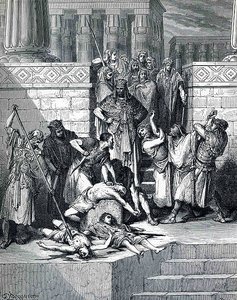
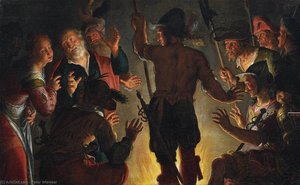
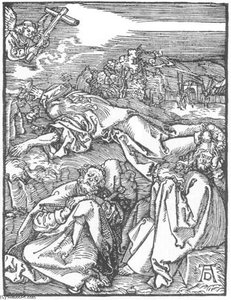
アーティストの略歴
Diana Scultori: A Pioneering Renaissance Engraver
Early Life and Family Background
- Born: Approximately 1547 in Mantua, Italy.
- Family of Artists: Diana Scultori came from a family deeply rooted in the artistic world. Her father, Giovanni Battista Scultori (also known as Mantovano), was a respected sculptor and engraver who worked alongside Giulio Romano at the Palazzo del Tè.
- Training: She received her initial training in engraving from her father, an uncommon practice for women during the Renaissance. This early exposure laid the foundation for her future career.
Artistic Development and Influences
- Early Influences: Beyond her father, Diana was significantly influenced by Giulio Romano, whose style and subject matter would later appear in her engravings.
- Style & Technique: Scultori primarily worked as a reproductive engraver, meaning she created prints based on existing paintings, drawings, and sculptures. Her skill lay in accurately translating these works into the engraving medium.
- Vasari’s Recognition: She gained early recognition when Giorgio Vasari mentioned her talent in the second edition of his *Lives of the Artists* (1568), a significant acknowledgment for a female artist of that era.
Life in Rome and Marriage to Francesco da Volterra
- Move to Rome: In 1575, Diana married the architect Francesco da Volterra (also known as Capriani) and moved with him to Rome.
- Business Acumen: Once in Rome, she skillfully used her understanding of the art world to promote her husband’s career. She actively sought opportunities for him and leveraged her own artistic talents to support his endeavors.
- Papal Privilege: A pivotal moment was receiving a Papal Privilege on June 5, 1575. This rare authorization allowed her to legally produce and sell her engravings independently, protecting her work from unauthorized reproduction – an unusual step for a woman at the time.
Major Achievements and Artistic Output
- Engraving Focus: Diana’s engravings often featured religious and mythological subjects, frequently based on works by Raphael, Giulio Romano, and ancient Roman sculptures.
- Architectural Prints: She created a series of prints detailing architectural elements – column capitals, volutes, moldings – likely intended for architects and students. These demonstrate her keen eye for detail and understanding of design principles.
- Signature & Dating: Diana consistently signed and dated her work, emphasizing her authorship and establishing a clear record of her artistic production.
- Last Known Print: Her last known print dates to 1588, suggesting she may have shifted focus after this point, potentially dedicating more time to supporting her husband’s career or managing family affairs.
Historical Significance and Legacy
- Pioneering Female Artist: Diana Scultori stands as one of the earliest documented female printmakers, breaking barriers in a male-dominated field.
- Renaissance Context: Her career reflects the changing social landscape of the Renaissance, where women were gaining limited but increasing opportunities to pursue artistic endeavors.
- Business Savvy: She was not only a talented artist but also a shrewd businesswoman who understood how to navigate the art market and protect her interests.
- Lasting Impact: Diana Scultori’s work provides valuable insight into Renaissance artistic practices, printmaking techniques, and the lives of women artists during this period.
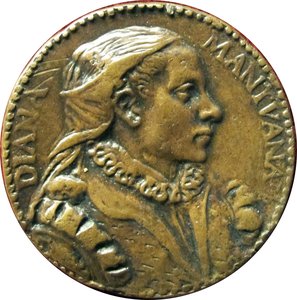
diana scultori ghisi
1547 - 1612 , Italy
基本情報
- Birth Date: 1547
- Birth Place: Mantua, Italy
- Death Date: 1612
- Influenced By:
- Giovanni Battista Scultori
- Giulio Romano
- Movement: Renaissance
- Name: Diana Scultori
- Nationality: Italian
- Notable Works:
- Christ Making Peter Head of the Church
- Leto Giving Birth to Apollo and Diana on the Island of Delos
- Christ and the Woman Taken in Adultery
関連記事
Engraving's Golden Age: 10 Masterpieces That Redefined Art | ArtsDot
Journey through art history with our Top 10 Legendary Engravings! Explore masterpieces by Dürer, Rembrandt & Goya. Discover the stories behind these iconic prints and find museum-quality reproductions for your home at ArtsDot.com.
Engraving: A Historical Survey of Technique, Artistic Expression & Enduring Legacy
Explore the rich history of engraving with ArtsDot. Discover techniques, iconic artists like Dürer & Callot, collecting tips, and expert guidance for preserving your art investment. Learn about intaglio printing & more!
Albrecht Dürer's Masterpieces: 25 Iconic Artworks for Your Home | ArtsDot
Explore 25 iconic artworks by Albrecht Dürer, a master of the German Renaissance. Discover the stories behind Melencolia I, Knight Death and Devil & more. Find museum-quality art reproductions for your home at ArtsDot.com.
The Intricate World of Engraving: A Historical Survey of Technique, Artistic Expression & Enduring Legacy
Explore the rich history of engraving with ArtsDot. Discover techniques, iconic artists like Dürer & Callot, collecting tips, and expert guidance for preserving your art investment. Learn about intaglio printing & more!

フラ・アンジェリコの傑作25選:ルネサンス美術の神髄と至高の装飾 | ArtsDot
フラ・アンジェリコの傑作25選。ルネサンス美術の神髄を紐解き、天使のような静謐な色彩と宗教画の世界へ誘います。壁画やフレスコ画の技法、修道院に息づく祈りの絵…ArtsDotで至高のアートプリントをお手軽に。コレクションを探索する。

