Discover Francesco Salviati, a leading Italian Mannerist painter known for dynamic frescoes, portraits & Medici tapestries. Explore his Renaissance artistry.
ナポリの壮麗な宮殿、パッツィ・ポンティフィチへ!ラファエロの間やシスティーナ礼拝堂など、ルネサンス美術と教皇の歴史に触れる旅。イタリア最大の美術館で芸術と歴史を満喫しましょう!
パッツィ・ポンティフィチ ナポリ イタリア 美術館 カヴァラッジョ ティタン ラファエロ バロック 王室コレクション ファルネーゼコレクション スカルプトゥーラ フレスコ アポスドリー宮殿
イタリア
ナポリ
パッツィ・ポンティフィチ
カヴァラッジョ ティタン ラファエロ バロック
2.5M+
広大なコレクション
美術と王室
1738
イタリアのシンプルな狩猟小屋でした。
1
パッツィ・ポンティフィチの主な歴史的意義は何ですか?
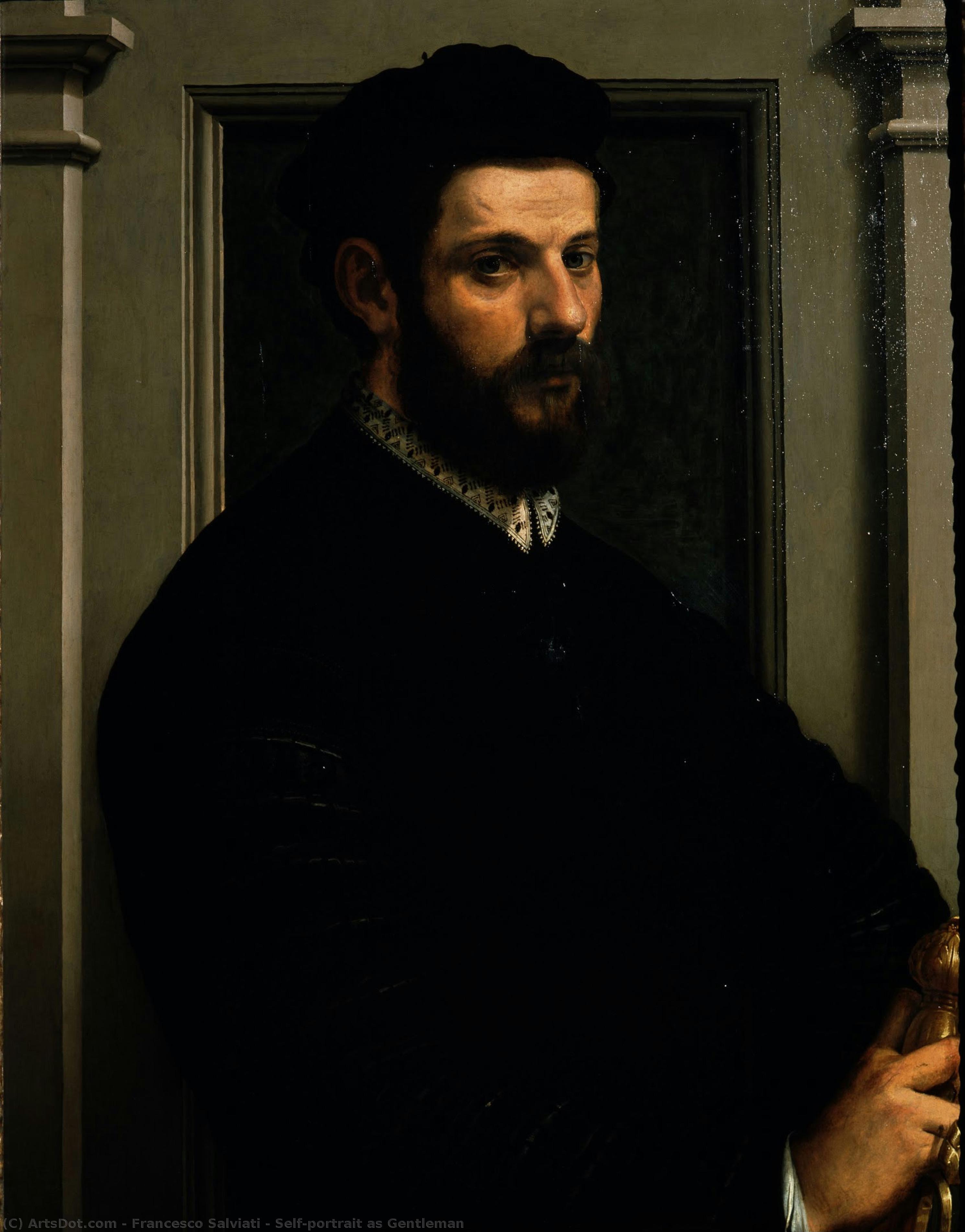
Francesco Salviati specialized in decorating prestigious palaces with immense frescoes that recount grandiose narratives. Yet in this self-portrait the artist defines himself with a great economy of means. He sports a heavy beard and wears a fashionable black doublet, topped with a black beret. His only accessory is a sword. The spare classical architecture in gray stone evokes his Florentine origins.Salviati was the best friend of Giorgio Vasari—the biographer of Italian Renaissance artists. Vasari wrote a lengthy, detailed life of Salviati, whom he knew since the age of nine. He describes Salviati as a melancholy man who preferred to work alone. This self-portrait is discussed by the author and dates to the mid-1540s when the two men were decorating the Palazzo Vecchio in Florence.