

 プレビュー
プレビュー
 プリントを購入
 シェアする
シェアする シェアする
シェアする
 詳細を見る
詳細を見る

 ダウンロード
 似ている作品
 X線調査
X線調査 スライドショー
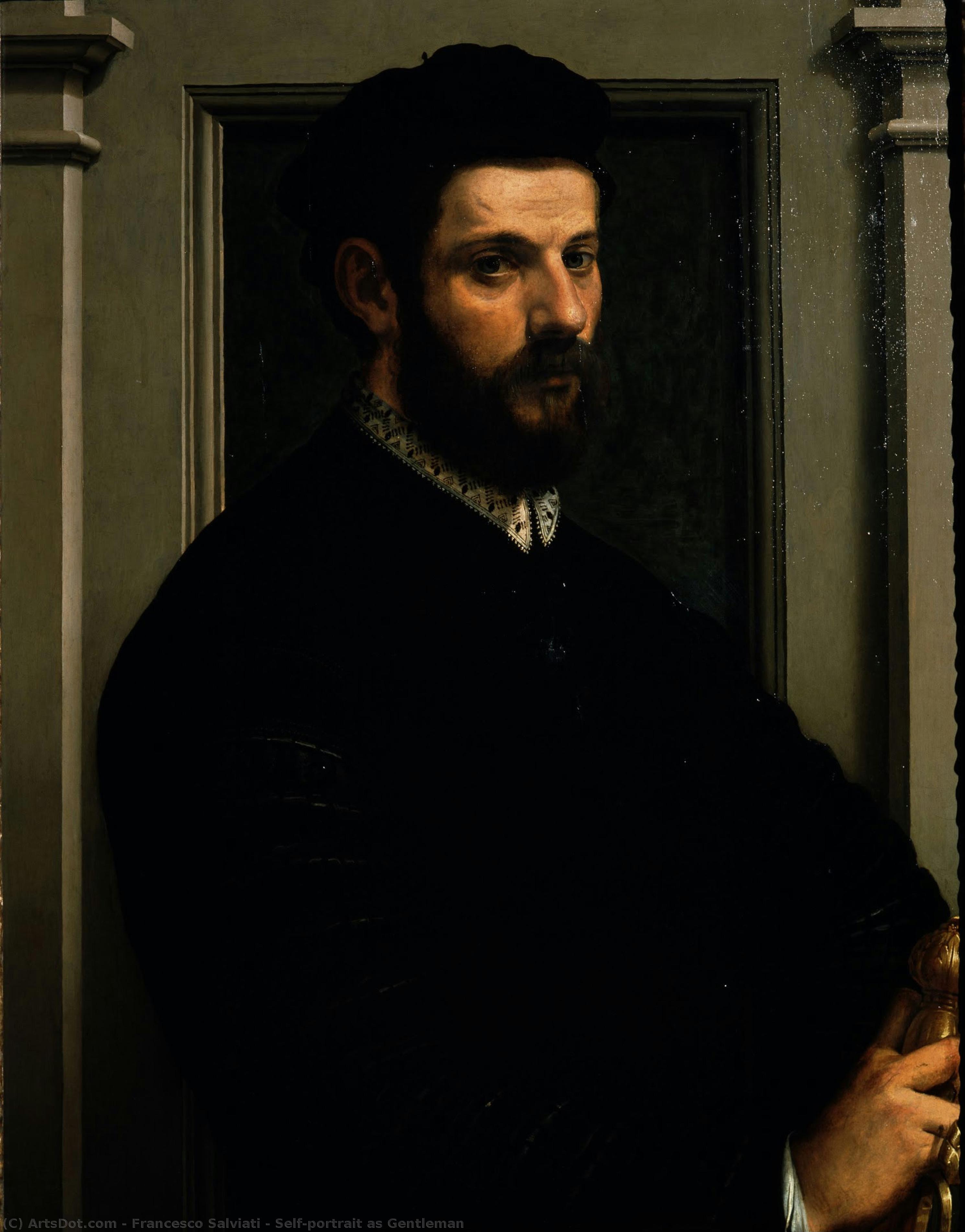
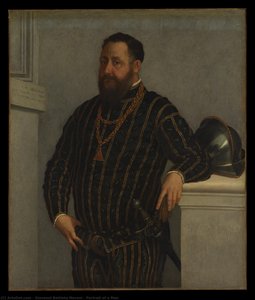
Self-portrait as Gentleman


 詳細を見る
詳細を見る




































作品のオリジナル比率に合わせた、当店の規定サイズからお選びください。

特定のフレームやスペースに合わせて、ご希望のサイズをご入力いただけます。選択されたサイズが元の画像の比率と異なる場合、アートワークをトリミングするか、手描きで要素を追加して絵画を拡張いたします。デジタルモックアップ を制作し、制作開始前にご確認(承認)をいただきます。
画面上のプレビューは、実際のトリミングや拡張を正確に反映しているものではありません。最終的な構図は、モックアップによってのみ正確にご確認いただけます。
カスタムサイズもご利用いただけますが、元の比率を維持するためには、あらかじめ用意されたリストからサイズを選択することをお勧めいたします。
ご注文後、ArtsDot.com チームより詳細な指示をお送りするとともに、仕上がりイメージ(モックアップ)をご提供いたします。


 ガラスオプションは、110cm未満のサイズでのみご利用いただけます。

Self-portrait as Gentleman
複製技法
複製画のサイズ
-


合計金額
$ 263
関連作品






アーティストの略歴
Francesco Salviati: Weaver of Dreams and Shadows in Renaissance Florence
Born in the heart of Florence around 1510, Francesco de’ Rossi – later known as Francesco Salviati or, more simply, Il Salviati – emerged from a milieu steeped in artistic tradition. His early apprenticeship under masters like Giuliano Bugiardini, Baccio Bandinelli, and crucially, Andrea del Sarto, laid the foundation for a career that would ultimately define him as one of the most significant Mannerist painters of his era. Salviati’s life wasn't marked by grand courtly patronage initially; instead, he honed his skills in the bustling workshops of Florence, absorbing the techniques and stylistic nuances of the time before venturing into the wider artistic landscape.
His journey truly began with a move to Rome in 1531. This relocation proved pivotal, placing him within the orbit of Cardinal Giovanni Salviati, whose family palazzo became his primary commission. It was here that he adopted the surname “Salviati,” forever linking his artistic identity to this influential household. This early association with the Salviati family shaped much of his subsequent work – a blend of intricate detail, dramatic composition, and an almost theatrical quality—a hallmark of his distinctive style. The frescoes he created for the Palazzo Salviati, particularly the celebrated Visitation scene in the Oratory of San Giovanni Decollato, established him as a rising star within the Roman art world.
The Flourishing of Mannerism
Salviati’s artistic development is inextricably linked to the rise and spread of Mannerism. Rejecting the idealized forms and balanced compositions of the High Renaissance, Mannerist painters embraced distortion, exaggeration, and a heightened sense of drama. Salviati perfectly embodies these characteristics. His figures are often elongated, contorted into dynamic poses, and rendered with an almost unsettling intensity. He wasn’t simply depicting reality; he was exploring psychological states, emotions, and the very boundaries of perception.
His style evolved over time, influenced by a diverse range of artists. The early influence of Andrea del Sarto is evident in his meticulous attention to detail and mastery of oil painting techniques. However, as he matured, Salviati absorbed elements from other Mannerist masters like Giulio Romano – particularly the crowded scenes and theatrical lighting—and Parmigianino, incorporating a sense of elegance and refinement into his compositions. This synthesis created a uniquely personal style that combined technical skill with expressive power.
Major Works and Commissions
Salviati’s career was punctuated by a series of significant commissions that showcased his versatility and artistic ambition. The frescoes in the Palazzo Salviati, as mentioned earlier, remain among his most celebrated achievements. He also contributed to the decoration of San Francesco a Ripa with an Annunciation, demonstrating his ability to execute complex narratives within a limited space. His work for the Oratory of San Giovanni Decollato – particularly the Visitation—is a testament to his mastery of color and composition.
Perhaps his most ambitious undertaking was the grand fresco cycle in the Sala dell’Udienza (Audience Hall) of the Palazzo Vecchio in Florence, commissioned by Cosimo I de' Medici. This monumental work, depicting the Triumph of Camillus, is a dazzling display of Mannerist exuberance and a powerful statement of Medici power and prestige. Furthermore, he designed elaborate tapestry cartoons for the Medici’s Arazzeria, including iconic images like “Ecce Homo” (Behold! Man!) and “The Resurrection,” showcasing his skill in both painting and design.
A Venetian Interlude and a Return to Rome
Salviati's artistic journey wasn't confined solely to Florence and Rome. In 1540, he traveled to Bologna, where he collaborated with Giorgio Vasari on frescoes for the Palazzo Bonvicini. He also spent a brief period in Venice, contributing to the opulent decorations of the Palazzo Grimani di Santa Maria Formosa, adopting an antique style that reflected Venetian artistic sensibilities. This experience broadened his stylistic horizons and exposed him to new influences.
Returning to Florence in 1543, Salviati continued to work for the Medici court, culminating in the monumental Triumph of Camillus fresco. He spent his final years in Rome, where he died in 1563. His legacy is one of innovation, technical brilliance, and a profound understanding of the human condition—a testament to the enduring power of Mannerist art.
Salviati’s Enduring Significance
Francesco Salviati's influence on subsequent generations of Italian painters cannot be overstated. He served as a crucial link between the High Renaissance and the Baroque, bridging the gap between idealized beauty and expressive drama. His dynamic compositions, intricate details, and psychological depth continue to captivate viewers today. His work stands as a powerful reminder of Florence’s role as a center of artistic innovation during the 16th century—a period when artists dared to challenge conventions and explore new possibilities in the realm of visual representation.
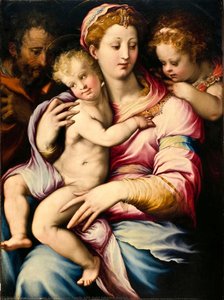
francesco salviati
1510 - 1563
基本情報
- Artistic Movement Or Style: Mannerism
- Artists Or Movements Influenced By This Artist:
- Vasari
- Bronzino
- Artists Who Influenced This Artist:
- Andrea del Sarto
- Giulio Romano
- Date Of Birth: 1510
- Date Of Death: 1563
- Full Name: Francesco de' Rossi / Salviati
- Nationality: Italian
- Notable Artworks:
- Visitation (San Giovanni Decollato)
- Triumph of Camillus
- Deposition Altarpiece
- Place Of Birth: Florence, Italy

