

 プレビュー
プレビュー
 シェアする
シェアする シェアする
シェアする
 詳細を見る
詳細を見る

 ダウンロード
 似ている作品
 X線調査
X線調査 スライドショー
 Stats
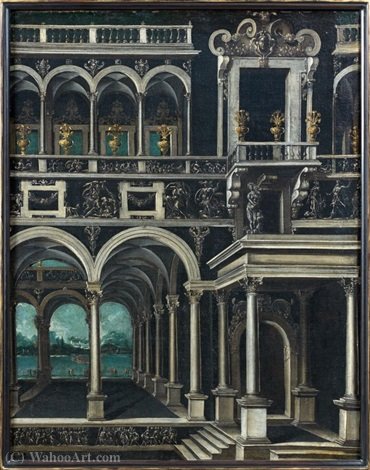
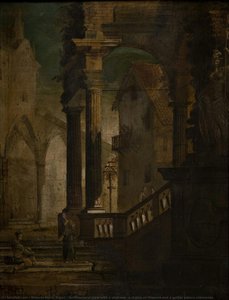
StatsGantry of a palace
 詳細を見る
詳細を見る
ジークレー/アートプリント
迅速な制作と多彩な仕上げオプションを備えた、ミュージアムクオリティのジークレーまたはキャンバスプリント。 ( 手描きの絵画を購入 Switch to Digital Image)




































作品のオリジナル比率に合わせた、当店の規定サイズからお選びください。

特定のフレームやスペースに合わせて、ご自身でサイズを指定することも可能です。選択されたサイズが元の画像の比率と一致しない場合、作品をトリミングするか、鏡面反射または単色での塗りつぶしによって画像を拡張いたします。制作を開始する前に、ご確認用のデジタルモックアップをお送りいたします。
画面上のプレビューには、実際のトリミングや拡張は反映されませんのでご注意ください。最終的な構図を正確に確認できるのは、モックアップのみとなります。
カスタムサイズも承っておりますが、元の比率を維持するためには、あらかじめ用意されたリストからサイズを選択することをお勧めいたします。


 ガラスオプションは、110cm未満のサイズでのみご利用いただけます。

Gantry of a palace
ジークレー/アートプリント
複製画のサイズ
-


合計金額
$ 62
関連作品
![Legend Of St Francis - [03] - Dream Of The Palace — ジョット, Gothic](/media/artworks/images-thumb/47/85/4785472aa265f95fe6962555859f4ab5.jpg)
アーティストの略歴
The Enigmatic Wanderer of the Baroque
Didier Barra remains an artist shrouded in a profound and captivating mystery, his life a series of shadows cast by the remarkable brilliance of his surviving works. Born around 1590 in the quiet environs of Metz, Lorraine—then part of the Duché de Lorraine—Barra’s early years are largely lost to the mists of time, leaving historians to reconstruct his trajectory through the very brushstrokes he left behind. Around 1608, he embarked on a transformative journey toward Italy, a migration that would fundamentally alter his artistic soul. Upon arriving in Naples, a city then pulsating with the vibrant energy of the Baroque era, Barra found more than just a new home; he found a canvas for a vision that was uniquely his own, blending the meticulous precision of his French roots with the dramatic, emotive intensity of the Italian landscape.Visions of Decay and Sublime Grandeur
To encounter a Barra landscape is to step into a world caught in the silent, slow-motion collapse of time itself. He achieved a singular renown for his cityscapes—visions of crumbling towers and desolate, near-barren buildings that evoke an unsettling, almost post-apocalyptic atmosphere. His palette was intentionally austere, dominated by the somber tones of muted browns, ochres, and grays, which served to heighten the psychological weight of his compositions. Through a masterful command of perspective, Barra created architectural sentinels that seem both mighty and melancholic, inviting the viewer to contemplate the inevitable decay of human endeavor. In works such as Landscape with Buildings, one observes an incredible interplay between the sharp, weathered textures of stone and a soft, atmospheric haze that suggests the heavy, humid air of the Mediterranean. These were not merely depictions of ruins; they were psychological landscapes where the grandeur of the past meets the haunting stillness of a world ravaged by time.The Shadow of Monsù Desiderio
For centuries, the true identity of this master was obscured by a collective misattribution. Until the mid-twentieth century, much of Barra’s extraordinary output was credited to a single, mythical figure known as Monsù Desiderio. It was only through rigorous modern scholarship that the veil was lifted, revealing that this singular "hand" was actually the work of several distinct artists, with Didier Barra standing as one of its most vital contributors alongside figures like François de Nomé. This revelation has reshaped our understanding of the Neapolitan school, transforming a single legend into a complex tapestry of individual genius. Today, Barra is celebrated not just for his technical skill, but for his ability to capture the sublime—that terrifyingly beautiful intersection of awe and dread. His legacy persists in the way he taught us to look at ruins, not as mere debris, but as profound monuments to the fleeting nature of existence.
Didier Barra
1590 - 1644 , Italy
基本情報
- Artistic Movement Or Style: Renaissance
- Artists Or Movements Influenced By This Artist: ['Baroque']
- Artists Who Influenced This Artist:
- Alessandro Baratta
- Claude Deruet
- Date Of Birth: Metz, Italy (1590)
- Date Of Death: Naples (1644)
- Full Name: Didier Barra
- Nationality: French
- Notable Artworks:
- Vue De Metz Depuis La Colline Bellecroix Anciennement
- Fantastic View Of A Gothic Cathedral
- The Martyrdom Of Saint Catherine
- Place Of Birth: Metz, Italy