

 シェアする
シェアする シェアする
シェアする
 詳細を見る
詳細を見る

 ダウンロード
 似ている作品
 スライドショー
 統計情報
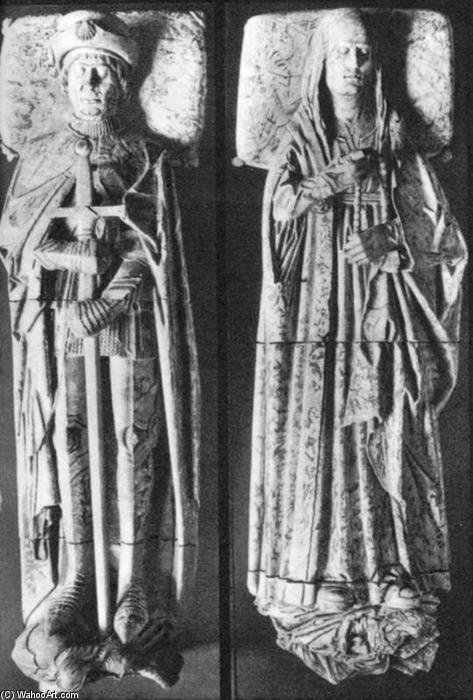
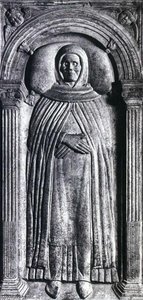
統計情報Monument to Don Garcia Osorio


 詳細を見る
詳細を見る
オンラインプレビューをはるかに凌ぐ、高解像度で鮮明なデジタル画像をご購入いただけます。
各ファイルは、社内の専門家が高度なツールと熟練した手作業によるレタッチを用いて、細心の注意を払って準備されています。すべての画像において、卓越した鮮明度、正確な色彩再現性、そして繊細なディテールを保証いたします。
最終ファイルは、プロフェッショナルな編集・印刷環境ですぐにご利用いただけるよう最適化された状態で、72時間以内にメールにてお届けいたします。これは、一流のデザインスタジオ、出版社、ギャラリーから信頼されているものと同等の品質です。
デジタルアート
個人での鑑賞、印刷、クリエイティブなプロジェクト用に、高解像度ファイルをダウンロードできます。 ( プリント版に切り替え 手描きの絵画を購入)
デジタル画像のご注文に付随する特典
高品質なデジタル画像配信を、確かな品質で。
ArtsDot.com を選ぶことは、単に画像を手に入れることではありません。それは、プロの手によって精密に仕上げられ、満足保証が付いた高品質なデジタルアートワークを受け取ることを意味します。ご注文いただいた際に自動的に付随する内容は、以下の通りです:

メールですぐにお届け
ご注文から72時間以内に、高解像度のデジタル画像ファイルがメールでお手元に届きます。すぐにそのままご利用いただけます。

AI技術で最適化されたデジタルファイル
お客様の作品は、高度なAIツールと専門家による手作業の編集を組み合わせてプロフェッショナルに最適化されており、細部のディテール、鮮明さ、そして正確な色再現性を最大限に引き出しています。

一生涯無料の再送サービス
ファイルを誤って削除したり、紛失してしまったりしましたか?ご安心ください。いつでも無料で再送いたします。

輸入手数料は一切かかりません
関税や手数料、配送料を気にすることなく、お気に入りのアートワークをすぐにお楽しみいただけます。デジタルダウンロードは常に免税です。

色彩再現の保証
プロ仕様のツールとカラーマネジメント技術を用いることで、デジタル画像が元の色を最大限に忠実に再現することを保証いたします。

100日間満足保証
ご購入いただいたデジタル画像にご満足いただけない場合は、100日以内であれば、理由を問わず修正または100%の返金対応をさせていただきます。

100% 返金保証
ご満足いただけない場合は、デジタルファイルを受け取ってから100日以内であれば、理由を問わず全額返金いたします。

まとめ買い割引
3枚購入で10%OFF - 5枚購入で15%OFF - 10枚以上購入で20%OFF。クリエイティブなプロジェクト、ギャラリー、エージェンシーに最適です。
A Silent Sentinel of the Renaissance
In the quiet corridors of history, few objects command as much reverence as the Monument to Don Garcia Osorio. Created in 1520 by the master sculptor Diego de Siloe, this funerary effigy serves as a profound bridge between the fading echoes of the Gothic era and the burgeoning light of the Spanish Renaissance. The monument presents a striking vision of eternal repose, capturing the likeness of Don Garcia Overt and an accompanying figure in a symmetrical, solemn embrace. Through the lens of time, even in monochromatic depictions, one can sense the weight of the stone and the enduring legacy of the figures it commemorates.
The composition is a masterclass in balance and formal dignity. Positioned centrally, the figures stand in profile against a stark, tomb-like slab, creating a sense of architectural stability that anchors the viewer's gaze. There is an undeniable rhythm to the work; the strong vertical lines of the bodies are softened by the intricate, flowing drapery that cascades around them. This interplay between rigidity and fluidity allows the sculpture to breathe, transforming cold stone into something that feels remarkably human and alive with memory.
The Artistry of Stone and Shadow
Diego de Siloe, a pioneer of the Granadan school, utilized his profound understanding of texture and form to imbue this monument with unparalleled realism. The technique employed here is one of meticulous detail, where every fold of fabric and every contour of the face tells a story of status and devotion. One can almost feel the tactile contrast between the smooth, polished surfaces of the skin and the heavy, complex textures of the ceremonial clothing. The way light interacts with these carved surfaces—creating deep, velvety shadows and brilliant highlights—adds a layer of dramatic depth that is essential for any collector seeking a piece with true sculptural presence.
The inclusion of symbolic elements, such as the finely rendered sword, speaks to the themes of authority, military prowess, and the noble lineage of the Osorio family. These are not merely decorative flourishes; they are the language of power and remembrance. For the discerning interior designer or art enthusiast, a reproduction of this work offers more than just aesthetic beauty; it provides a focal point of historical gravity. The monument’s ability to evoke a sense of solemnity and reverence makes it an ideal centerpiece for spaces designed for contemplation, such as a private library, a grand study, or a sophisticated gallery setting.
A Timeless Legacy for the Modern Collector
To possess a reproduction of Siloe’s masterpiece is to invite the spirit of the Renaissance into the contemporary home. While the original work is a relic of 16th-century Spain, its emotional impact remains universal. It speaks to our shared human desire to be remembered, to leave a mark upon the world that transcends the passage of time. The monochromatic elegance of the monument allows it to integrate seamlessly into various high-end decor styles, from classical European aesthetics to modern minimalist interiors where texture and form are paramount.
Whether you are an art historian captivated by the transition from Gothic to Renaissance styles or a collector looking for a piece that embodies strength and grace, the Monument to Don Garcia Osorio stands as a testament to the enduring power of fine art. It is a piece that does not merely decorate a room; it dignifies it, offering a window into an era of profound artistic transformation and eternal devotion.
関連作品

作家の略歴
The Architect of the Renaissance Soul
Diego de Siloe stands as a pivotal figure in the artistic landscape of Spain during the Renaissance, recognized primarily for his groundbreaking contributions to sculpture and architecture. As the progenitor of the Granadan school of sculpture, he orchestrated a profound stylistic shift that would redefine the visual identity of southern Spain. Born in Burgos around 1495, Siloe was likely the son of Gil de Siloé, a prominent Gothic sculptor whose established presence in Flanders provided Diego with a rich, inherited connection to the intricate traditions of Northern Europe. This familial lineage, rooted in the delicate and ornate Gothic aesthetic, served as the foundation upon which Siloe would build his revolutionary synthesis of styles, blending the structural rigor of Italian Classicism with the lingering elegance of the Mudéjar and Gothic heritencies.
The evolution of Siloe’s artistic vision was deeply shaped by his travels and exposure to the burgeoning humanist ideals sweeping across the continent. His journey to Naples around 1517 proved transformative, as he encountered the monumental innovations championed by masters such as Donato Bramante and Filippo Brunelleschi. These architects, who were actively reshaping Roman grandeur into a new, balanced humanism, instilled in Siloe a lifelong reverence for classical proportions and architectural harmony. This period of discovery allowed him to transcend his Burgundian roots, integrating the rhythmic complexity of Spanish tradition with the disciplined grace of the Italian Renaissance.
A Legacy Carved in Stone and Spirit
Siloe’s early career in Burgos serves as a breathtaking testament to his ability to navigate disparate artistic languages. The monumental staircase of Burgos Cathedral, completed in 1519, remains one of his most evocative achievements. In this structure, one witnesses a bold departure from traditional cathedral design; it is a space where soaring Gothic verticality meets a new, sophisticated ornamentation. Adorned with intricate carvings of cherubs, heraldic coats of arms, and lush vegetal motifs, the staircase defies the conventional limitations of its location on the city's northern flank. Through innovative structural solutions, Siloe created a sense of movement and grandeur that bridged the gap between the medieval past and the classical future.
As his career progressed, Siloe’s influence moved southward, eventually establishing him as the master of Granada. His most enduring legacy lies in his monumental designs for the Granada Cathedral and the Monastery of Saint Jerome. In these projects, he did not merely build; he sculpted space itself. By weaving together the delicate textures of the Plateresque style with the robust dignity of Renaissance architecture, he created a unique aesthetic that felt both profoundly Spanish and cosmopolitally modern. His work in Granada became the cornerstone of a new regional identity, ensuring that his name would be forever etched into the very fabric of Spanish history.
The significance of Diego de Siloe extends far beyond the physical structures he left behind. He was an artist of transition, a bridge-builder who understood that true innovation requires a deep respect for tradition. His ability to harmonize the following elements defines his historical importance:
- Gothic Intricacy: The preservation of detailed, ornamental storytelling inherited from his father's lineage.
- Italian Classicism: The adoption of mathematical proportion, symmetry, and Roman-inspired grandeur.
- Mudéjar Influence: The integration of the unique, decorative Moorish-influenced patterns characteristic of the Iberian Peninsula.
- Plateresque Elegance: A mastery of silver-like, highly detailed surface ornamentation that defines the Spanish Renaissance.
Diego de Siloe
1495 - 1563 , Spain
プロフィール概要
- Artistic Movement Or Style: Renaissance, Plateresque
- Artists Or Movements Influenced By This Artist: Filippo Brunelleschi
- Artists Who Influenced This Artist: Gil de Siloé
- Date Of Birth: ca. 1495
- Date Of Death: 1563
- Full Name: Diego de Siloe
- Nationality: Spanish
- Notable Artworks:
- Burgos Cathedral Staircase
- Granada Cathedral
- Monastery of Saint Jerome
- Place Of Birth: Burgos, Spain