 プレビュー
プレビュー
 シェアする
シェアする シェアする
シェアする
 詳細を見る
詳細を見る

 ダウンロード
 似ている作品
 X線調査
X線調査 スライドショー
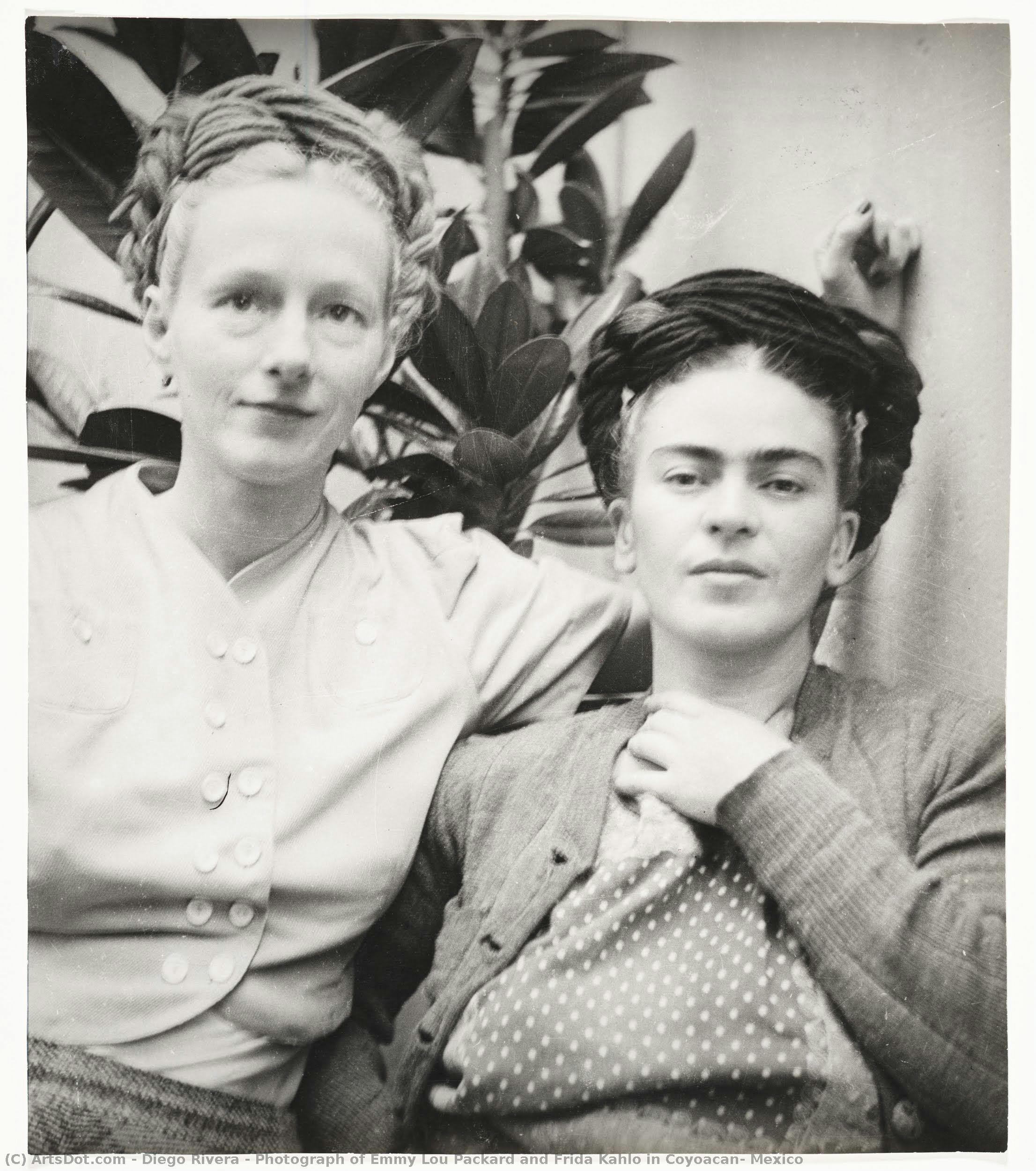
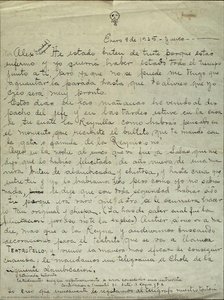
Photograph of Emmy Lou Packard and Frida Kahlo in Coyoacan, Mexico
 Acrylic On Canvas
- WallArt
 1941
1941 35.0 x 31.0 cm
 Archives of American Art
 詳細を見る
詳細を見る
ジークレー/アートプリント
迅速な制作と多彩な仕上げオプションを備えた、ミュージアムクオリティのジークレーまたはキャンバスプリント。 ( 手描きの絵画を購入 画像を購入)




P118B $10

P118H $10

P118W $10

P438Z $10

P508JH $12

P508YH $12

P805H $10

P805Z $10

P919BZ $10

P919G $10

P919XJ $10

P959ZH $10

P968JZ $12

W106C $8

W218G $10

W218JH $8

W218Y $10

W307PJ $10

W316G $10

W316PJ $8

W316Y $10

W398PJ $8

W4111J $10

W500HY $15

W500JH $15

W692G $12

W849H $8

W940BG $15

W953PJ $8




作品のオリジナル比率に合わせた、当店の規定サイズからお選びください。

特定のフレームやスペースに合わせて、ご自身でサイズを指定することも可能です。選択されたサイズが元の画像の比率と一致しない場合、作品をトリミングするか、鏡面反射または単色での塗りつぶしによって画像を拡張いたします。制作を開始する前に、ご確認用のデジタルモックアップをお送りいたします。
画面上のプレビューには、実際のトリミングや拡張は反映されませんのでご注意ください。最終的な構図を正確に確認できるのは、モックアップのみとなります。
カスタムサイズも承っておりますが、元の比率を維持するためには、あらかじめ用意されたリストからサイズを選択することをお勧めいたします。


 ガラスオプションは、110cm未満のサイズでのみご利用いただけます。

Photograph of Emmy Lou Packard and Frida Kahlo in Coyoacan, Mexico
ジークレー/アートプリント
複製画のサイズ
-


合計金額
$ 62
A Moment Frozen: The Intimate Portrait of Packard and Kahlo
Diego Rivera’s photograph, “Photograph of Emmy Lou Packard and Frida Kahlo in Coyoacan, Mexico,” isn't merely a snapshot; it’s a carefully constructed tableau brimming with unspoken narratives. Captured in 1941 during Rivera’s time in Coyoacán, the heart of Mexico’s artistic community, this image transcends its documentary origins to become a poignant meditation on friendship, mentorship, and the vibrant spirit of revolutionary art. The scene unfolds within a sun-drenched courtyard, a space both familiar and subtly charged with significance – a place where two titans of 20th-century art found themselves sharing a quiet moment.
Rivera’s masterful composition immediately draws the eye to the central figures: Emmy Lou Packard, dressed in a bold polka dot dress that clashes playfully with Frida Kahlo's elaborate turban and dark attire. Both women are radiating an effortless warmth, their smiles genuine and inviting. The inclusion of potted plants – vibrant geraniums and trailing vines – adds a touch of domesticity and natural beauty to the scene, grounding the portrait within the everyday rhythms of life in Coyoacán. The photograph’s black-and-white palette amplifies the emotional resonance, stripping away superficial details to focus on the essential elements of human connection.
The Artists' Circle: Context and Collaboration
Understanding this image requires recognizing the complex relationships within Rivera’s circle. Emmy Lou Packard was a pivotal figure, serving as Diego Rivera’s studio assistant and confidante during his time in Mexico. She wasn’t simply an observer; she actively participated in the artistic process, offering insights and support to both Rivera and Kahlo. Frida Kahlo, known for her intensely personal and often harrowing self-portraits, deeply valued Packard's friendship and sought her counsel. The photograph captures a rare moment of shared intimacy between these two extraordinary women – a testament to their mutual respect and creative synergy.
Rivera’s decision to document this encounter speaks volumes about his artistic philosophy. He was fascinated by the interplay of personalities within his studio, recognizing that collaboration could spark innovation and enrich the creative process. Packard's presence in the photograph is not incidental; she represents a vital element of Rivera’s artistic ecosystem – a woman of quiet strength and unwavering dedication who played an indispensable role in shaping some of the most iconic works of the 20th century.
Symbolism and Emotional Resonance
The image resonates with layers of symbolism. The polka dot dress, a bold statement against Frida’s more subdued attire, suggests Packard's independent spirit and her refusal to conform to conventional expectations. The turban worn by Kahlo is often interpreted as a symbol of strength and resilience – a visual representation of the pain and suffering she endured throughout her life. The shared smiles convey a sense of mutual understanding and support, hinting at a deep bond forged through shared experiences and artistic passions.
Beyond its specific details, the photograph evokes a powerful emotional response. It’s a reminder that art is not simply about technical skill; it's also about human connection – about capturing fleeting moments of intimacy and vulnerability. The image invites us to contemplate the lives of these two remarkable women, their struggles, their triumphs, and their enduring legacy.
A Legacy in Reproduction: Bringing Packard and Kahlo Together
Reproductions of this photograph offer a unique opportunity to bring together two of the 20th century’s most influential artists. The image's inherent warmth and intimacy make it ideal for framing and displaying in homes, studios, or galleries. Its timeless appeal ensures that it will continue to captivate viewers for generations to come. Consider this photograph not just as a historical document, but as a portal into the creative world of Rivera’s studio – a space where art, friendship, and revolution converged.
関連作品
アーティストの略歴
幼少期と芸術的覚醒
1886年12月8日、メキシコのグアナフアトにて、ディエゴ・マリア・デ・ラ・コンセプシオン・フアン・ネポムセノ・エスタニスラオ・デ・ラ・リベラ・イ・バリエントス・アコスタ・イ・ロドリゲスという名で生まれたディエゴ・リベラは、すでに芸術的な感性に満ちた世界へと足を踏み入れました。わずか3歳の頃から、彼の中に芸術への抗いがたい情熱が芽生え、その才能を見出した両親の温かな導きによって、その輝きは育まれていきました。幼少期はメキシコシティのサン・カルロス・アカデミーでの正統な教育に捧げられ、そこで伝統的な絵画や彫刻の技術をたゆまぬ努力で磨き上げました。そして1907年、テオドロ・A・デエサ・メンデスによる惜しみない海外留学の支援が、彼をヨーロッパの芸術的熱狂の渦中へと送り出す決定的な転機となりました。
最初の滞在地となったスペインのマドリードでは、エドゥアルド・チチャロに師事し、リアリズムの真髄を吸収していきました。しかし、彼の創造的な進化に真の火を灯したのはパリでした。活気あふれるモンパルナス・コミュニティに身を投じたリベラは、万華鏡のように変化する芸術的視点に出会い、とりわけ1912年以降にはキュビスムという革命的な原理に触れることとなります。パブロ・ピカソやジョルジュ・スーラの影は彼の作品の中に鮮明に現れ、形態を解体し、交差する平面を探求し始めました。それは伝統的な表現からの脱却であり、後の彼の芸術的旅路を決定づける重要な局面となりました。
メキシコへの帰還と壁画ルネサンス
1921年、革命の余波に揺れる祖国メキシコへと帰還したとき、リベラの中に深い変革が訪れました。この帰郷は単なる地理的な移動ではなく、思想的な覚醒でもありました。彼は、当時の社会的・政治的な激動に対する力強い芸術的応答として芽生えつつあった「メキシコ壁画運動」の中心的人物となったのです。この運動は、芸術を特権階級の閉ざされた輪から解き放ち、すべての市民が触れられる公共空間へと開放し、芸術を民主化することを目指していました。
リベラの壁画は、単なる装飾品ではありませんでした。それはメキシコの歴史、文化、そして社会的な闘争を描き出す力強い物語だったのです。『創造』(1922年)といった初期の傑作では、エンカウスティック(エングコースト)技法の革新的な活用が見られ、メキシコシティの公共教育省における記念碑的な作品群では、大きく簡略化された人物像と大胆な色彩を特徴とする独自のスタイルが確立されました。それはアステカ美術や先コロンブス期の美学への意図的なオマージュでした。これらの壁画は単なる絵画ではなく、先住民のルーツと革命精神から鍛え上げられた新しい国家アイデンティティを宣言する、視覚的なマニフェストだったのです。
社会意識によって形作られたスタイル
ディエゴ・リベラの芸術様式は、一目でそれと分かるほど強烈です。見る者を圧倒する記念碑的なスケール、力強いメッセージを伝える簡略化された形態、メキシコ文化の豊かさを呼び起こす鮮やかな色彩、そして社会や歴史の物語に対する揺るぎない眼差し。彼の作品は単なる審美的な追求に留まらず、自身の政治的信念、特にマルクス主義的な確信と深く結びついていました。
『アラメダ公園の日曜日の夢』は、無神論を描いたことで議論を呼んだものの、おそらく彼の最も象徴的な作品の一つでしょう。また、デトロイト・インダストリー・ミュージアムのために制作された『デトロイト産業壁画』(1933年)は、機械の力強さとそれを操る労働者の尊厳の両方を描き出し、産業社会のダイナミズムと複雑さを捉える彼の卓越した能力を証明しています。彼はメキシコの民俗芸術の要素と先コロンブス期のイメージをシームレスに融合させ、伝統と現代性が力強く統合された、彼独自の視覚言語を創り上げたのです。
遺産と永続する影響力
20世紀の芸術におけるディエゴ・リベラの影響は計り知れません。彼は単にメキシコで最も重要な芸術家の一人として記憶されているだけでなく、その作品が今日でも世界中の観衆の心に響き続けるグローバルなアイコンとして存在しています。彼の壁画は単なる芸術的達成にとどまらず、社会写実主義とパブリックアートの極めて重要な例であり、人間の条件と社会正義のための闘争を訴えかける力強い声明なのです。
彼はメキシコ壁画運動を影響力のある芸術運動として確立させる上で中心的な役割を果たし、後世のアーティストたちが自らの作品を社会批評の手段として用いるためのインスピレーションを与えました。また、情熱的で時に波乱に満ちたフリーダ・カーロとの私生活は、彼のすでに魅惑的なレガシーにさらなる深みと謎を与え、大衆文化における彼の地位を不動のものにしました。
名もなき人々の生活と苦闘を描き出そうとするリベラの献身は、その革新的な技法と相まって、彼の作品がこれから先の世代においてもインスピレーションを与え続け、思考を喚起し続けることを約束しています。彼が遺した作品群は、視覚的に圧倒される美しさを持つだけでなく、深い意味を湛えています。それは、歴史や文化、そして私たち自身への理解を形作る芸術の力を証明するものなのです。
主な作品
- 創造 (1922年): エンカウスティック技法を用いた、彼の最初の重要な壁画。
- アラメダ公園の日曜日の夢: 無神論や歴史的人物を描いたことで議論を呼んだ作品。
- 公共教育省の壁画: アステカ美術の影響を受けた、大きく簡略化された形態と鮮やかな色彩による独自のスタイルを示す。
- デトロイト産業壁画 (1933年): デトロイト・インスティテュート・オブ・アーツのために制作され、産業プロセスと労働者を描写。
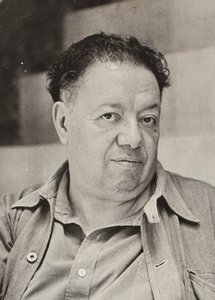
ディエゴ・リベラ
1886 - 1957 , メキシコ
基本情報
- Artistic Movement Or Style: メキシコ壁画運動、キュビズム
- Artists Or Movements Influenced By This Artist: ['メキシコ壁画運動']
- Artists Who Influenced This Artist:
- パブロ・ピカソ
- ジョルジュ・スーラ
- Date Of Birth: 1886年12月8日
- Date Of Death: 1957年11月24日
- Full Name: ディエゴ・マリア・デ・ラ・コンセプシオン・フアン・ネポムセノ・エスタニスラオ・デ・ラ・リベラ・イ・バリエンタス・アコスタ・イ・ロドリゲス
- Nationality: メキシコ人
- Notable Artworks (List Of Titles):
- 創造
- デトロイト産業の壁画
- アラメダの日曜日の夢
- Place Of Birth (City And Country): グアナフアト、メキシコ
関連記事
Frida Kahlo: A Life Painted – Surrealism, Identity & Autobiographical Narrative
Explore the life & art of Frida Kahlo – a journey through surrealism, identity, pain, and resilience. Discover her autobiographical masterpieces & lasting feminist legacy with ArtsDot.
Diego Rivera: A Revolutionary Vision of Mexican Identity Through Muralism
Explore the revolutionary murals of Diego Rivera and his profound impact on Mexican art & identity. Discover his techniques, iconic works like 'Man at the Crossroads,' and lasting legacy with ArtsDot.
Revolution on Canvas: Exploring the Socio-Political Power & Artistic Legacy of Mexican Muralism
Explore the powerful world of Mexican muralism! Discover Diego Rivera, Frida Kahlo & Orozco's revolutionary art, social impact & lasting legacy. Expert insights & high-quality reproductions at ArtsDot.
至高の芸術:シュルレアリスムを象徴する10選 - 鑑賞と空間演出への誘い
ダリ、マグリット…シュルレアリスムを代表する10選を紐解く。夢と無意識の世界へ誘う傑作の裏側を徹底解説。空間に彩りを添える、至高のアートプリントを見つけませんか?ArtsDot.comでコレクションを探索しよう。
Dramatic Masterpieces: 10 Artworks for a Powerful Home Decor Statement |
Explore 10 dramatic artworks by masters like Caravaggio, Van Gogh & Munch. Uncover the stories behind these powerful paintings and find museum-quality reproductions to transform your home decor. Discover all masterpieces on .