 プレビュー
プレビュー
 シェアする
シェアする シェアする
シェアする
 詳細を見る
詳細を見る

 ダウンロード
 似ている作品
 X線調査
X線調査 スライドショー
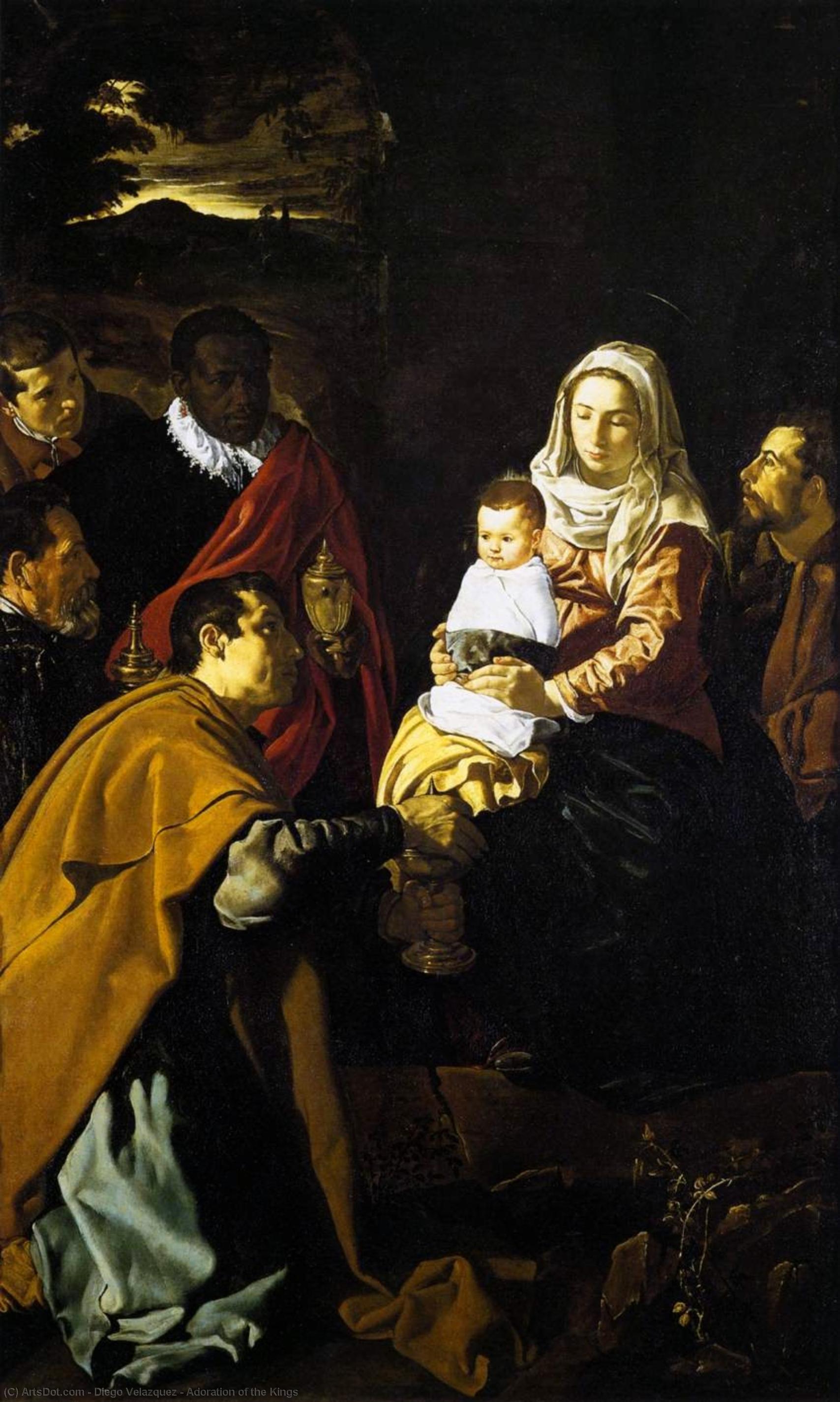
Adoration of the Kings
 Oil On Canvas
- WallArt
- Baroque
 1619
1619 125.0 x 203.0 cm
 詳細を見る
詳細を見る
ジークレー/アートプリント
迅速な制作と多彩な仕上げオプションを備えた、ミュージアムクオリティのジークレーまたはキャンバスプリント。 ( 手描きの絵画を購入 画像を購入)




P118B $10

P118H $10

P118W $10

P438Z $10

P508JH $12

P508YH $12

P805H $10

P805Z $10

P919BZ $10

P919G $10

P919XJ $10

P959ZH $10

P968JZ $12

W106C $8

W218G $10

W218JH $8

W218Y $10

W307PJ $10

W316G $10

W316PJ $8

W316Y $10

W398PJ $8

W4111J $10

W500HY $15

W500JH $15

W692G $12

W849H $8

W940BG $15

W953PJ $8




作品のオリジナル比率に合わせた、当店の規定サイズからお選びください。

特定のフレームやスペースに合わせて、ご自身でサイズを指定することも可能です。選択されたサイズが元の画像の比率と一致しない場合、作品をトリミングするか、鏡面反射または単色での塗りつぶしによって画像を拡張いたします。制作を開始する前に、ご確認用のデジタルモックアップをお送りいたします。
画面上のプレビューには、実際のトリミングや拡張は反映されませんのでご注意ください。最終的な構図を正確に確認できるのは、モックアップのみとなります。
カスタムサイズも承っておりますが、元の比率を維持するためには、あらかじめ用意されたリストからサイズを選択することをお勧めいたします。


 ガラスオプションは、110cm未満のサイズでのみご利用いただけます。

Adoration of the Kings
ジークレー/アートプリント
複製画のサイズ
-


合計金額
$ 62
The Majesty of Faith: Diego Velázquez’s *Adoration of the Kings*
Diego Velázquez's *Adoration of the Kings*, painted in 1619, isn’t merely a depiction of a biblical scene; it’s a profound meditation on faith, humility, and the enduring power of divine grace. This oil-on-canvas masterpiece, measuring 125 x 203 cm, resides within the Museo del Prado in Madrid, yet its impact transcends physical walls, inviting viewers into a world brimming with emotional depth and artistic mastery. Velázquez, already establishing his distinctive style at this early stage, skillfully blends realism with an almost palpable sense of reverence, creating an image that continues to resonate centuries later.
The painting captures the pivotal moment when the Magi – traditionally identified as the Three Wise Men – arrive bearing gifts for the newborn Jesus. The scene unfolds within a humble domestic setting, far removed from the grand palaces and opulent courts typically associated with royal portraits. Mary, cradling the infant Christ in a simple manger, is surrounded by a diverse group of onlookers: the Magi themselves, various servants, and other local figures. This deliberate choice – placing the sacred event within an everyday environment – immediately establishes a connection between the divine and the human experience, emphasizing the universality of faith.
A Symphony of Light and Shadow
Velázquez’s genius lies not just in his ability to render realistic figures but also in his masterful manipulation of light and shadow, a technique known as *chiaroscuro*. He employs this dramatic effect with exquisite precision, drawing the viewer's eye directly to the central figures – Mary and the infant Jesus. The strong contrasts between light and dark create a sense of volume and depth, imbuing the scene with an almost theatrical quality. Notice how the light gently illuminates Mary’s face, conveying her serenity and devotion, while the surrounding figures are bathed in softer hues, suggesting their varying degrees of awe and wonder.
The use of oil paint allowed Velázquez to build up layers of color and texture, creating a remarkably rich and vibrant surface. He meticulously rendered the textures of the fabrics – the opulent robes of the Magi, the simple garments of the servants – adding an incredible level of detail and realism. The subtle variations in tone and hue contribute significantly to the painting’s overall sense of atmosphere and emotional impact.
Symbolism and Narrative Depth
Beyond its technical brilliance, *Adoration of the Kings* is rich in symbolic meaning. The gifts presented by the Magi – gold, frankincense, and myrrh – represent spiritual riches and divine favor. Their arrival signifies not just a royal homage but also a profound acknowledgment of Jesus’s divinity. The diverse group of onlookers serves as a microcosm of society, reflecting the universality of faith and its appeal to people from all walks of life. The inclusion of a Black King, a detail often remarked upon, speaks to the inclusivity of God's grace – a radical concept for the time.
Furthermore, the painting’s composition is carefully orchestrated to guide the viewer’s eye through the scene. The figures are arranged in a pyramidal structure, with Mary and Jesus at its apex, creating a sense of stability and harmony. The diagonal lines formed by the Magi's robes draw the viewer's attention towards the central figures, while the horizontal lines of the floor and walls provide a grounding element. This deliberate arrangement contributes to the painting’s overall balance and visual appeal.
A Legacy of Artistic Innovation
*Adoration of the Kings* represents an important milestone in Velázquez’s artistic development. Painted early in his career, it showcases his emerging talent for capturing human emotion and creating dynamic compositions. It also demonstrates his growing independence from traditional academic styles, foreshadowing his later, more individualistic approach to painting. The work is considered a pivotal piece in the transition between Mannerism and Baroque art, embodying elements of both while firmly establishing Velázquez’s unique artistic voice.
Today, *Adoration of the Kings* continues to captivate viewers with its beauty, emotional depth, and technical brilliance. It stands as a testament to Velázquez's genius and his enduring legacy as one of art history’s greatest masters. For those seeking a high-quality reproduction, ArtsDot offers meticulously crafted hand-painted reproductions that faithfully capture the essence of this iconic masterpiece.
関連作品

アーティストの略歴
光と影の巨匠:ディエゴ・ベラスケス
1599年にスペインのセビリアで生まれたディエゴ・ロドリゲス・デ・シルバ・イ・ベラスケスは、美術史において特筆すべき地位を占める画家である。彼はスペイン黄金世紀という帝国の威勢と文化的繁栄の時代を生きた。ハプスブルク朝の宮廷に深く結びつき、その芸術は帝国の壮大さと複雑さを映し出す鏡となった。謙虚な生い立ちから、ベラスケスは単なる画家以上の存在へと昇華した。彼は帝国の記録者となり、王族や貴族、そして日常の人々を前例のないリアリズムと心理的な深みで捉えたのである。フランシスコ・デ・ヘララ・エル・ビエホのもとでの教育、そして特にフランシスコ・パチェコの厳格な指導は、彼に技術、比率、古典的知識の基盤を与えた。しかし、彼を真に際立たせたのは、光、色彩、人間の性格に対する並外れた感受性という生まれながらの才能であった。初期作品である『卵を焼く老婆』でさえ、彼の革新的なジャンル画へのアプローチを示唆しており、ありふれた場面に尊厳と生々しさを吹き込んでいる。宮廷への昇進:フィリップ4世との関係
24歳という若さでマドリードに移り住み、権力の中心である王宮の庇護を求める決断は、ベラスケスの人生における転換点となった。彼はすぐにその才能が認められ、1628年にフィリップ4世の宮廷画家として任命された。この地位は単なる職を得るというだけではなく、王室とその家臣たちへの前例のないアクセスを意味し、彼に絵筆を通して宮廷の記録者となることを可能にした。多くの宮廷画家が被写体を理想化していたのに対し、ベラスケスは揺るぎないリアリズムを追求した。彼はフィリップ4世を遠い権威の象徴としてではなく、知性的で憂鬱であり、責任に重く悩む一人の人間として描いたのである。この真実へのコミットメントと卓越した技術が、彼の王からの信頼と芸術的な自由度を高めた。初期の宮廷肖像画は、より自然な姿と心理的な洞察力を追求しながら、従来のスペインの肖像画の硬直した形式から脱却する進化を示している。ヴェネツィア人巨匠ティツィアーノの影響——フィリップ4世が熱心に収集した画家——は、ベラスケスのブラシワークや色彩パレットにおける豊かさにおいて明らかである。彼はヴェネツィア絵画の教訓、特に色彩と大胆な筆致への重点を吸収し、それを独自のスタイルへと昇華させたのである。芸術的革新の頂点:『女官たち』とそれ以外
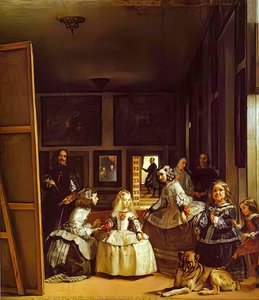
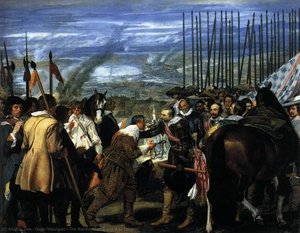
ベラスケスの芸術的な才能は1650年代に最高潮に達し、『女官たち』(1656年)という傑作の制作につながった。この絵画は単なる肖像画ではなく、芸術そのものについての複雑な瞑想である。それはインファンタ・マルガリータ・テレサを囲む女官、小人、そして宮廷の他のメンバーを描いており、ベラスケス自身が大きなキャンバスの前で絵を描いているかのように捉えられている。背景にある鏡に映し出された王と女王の姿は、観察者と被写体、現実と表現の境界線を曖昧にする、さらなる謎を加えている。『女官たち』は、遠近法、構成、心理的洞察力の傑作であり、鑑賞者に見ていく行為そのものを疑問視するように挑戦している。それは見る人、見られる人、そして芸術創造の本質についての絵画なのである。この時期の他の重要な作品には、『ブレダの降伏』というスペインの勝利を人間味あふれる形で描いた力強い作品や、『オーストリアのマリアナ女王』など、王族の威厳と内面の脆弱さを捉えた肖像画がある。彼の技術は引き続き進化し、大胆な筆致、微妙なトーンの変化、光と大気に対する並外れた感受性という特徴が際立っており、後世の芸術家に大きな影響を与えることになるのである。遺産と永続的な影響
1660年にマドリードで亡くなったディエゴ・ベラスケスは、西洋美術の進路に深く影響を与えた作品群を残した。彼のリアリズムへの重点、光と影の革新的な使用法、そして心理的な深さは、絵画における新たな地平を開いた。彼は単に外見を記録していたのではなく、人間の経験の本質を捉えていたのである。19世紀には、ギュスターヴ・クールベのようなフランスの実証主義画家が、理想化を排した生活の描写へのコミットメントにおいて、ベラスケスをモデルとした。エドゥアール・マネは、『女官たち』に直接言及して自身の作品に取り入れ、スペイン人巨匠のビジョンの永続的な力を実証している。20世紀には、パブロ・ピカソやフランシス・ベーコンなどの芸術家が、彼の最も有名なイメージを再解釈することでベラスケスの絵画に敬意を表したのである。例えば、ピカソは『女官たち』のバリエーションシリーズを作成し、その構成構造と心理的な複雑さを探求している。今日、ベラスケスの傑作は世界中の美術館で展示されており、特にマドリードのプラド美術館では、この並外れた芸術家の輝きを直接体験することができるのである。彼の遺産は今なお畏敬の念を起こさせ、感銘を与え続けており、光、影、そして人間の精神の巨匠としての地位を確固たるものにしている。主要作品とコレクション
- 『女官たち』(1656年):プラド美術館、マドリード——彼の最も有名な作品であり、王室の複雑な肖像画である。
- 『ブレダの降伏』(1634-1635年):プラド美術館、マドリード——人間味あふれるスペインの勝利を描いた力強い作品。
- 『鏡を見るヴィーナス』(c. 1647–1651年):プラド美術館、マドリード——彼の美とリアリズムを組み合わせる技術を示す。
- 『オーストリアのマリアナ女王』(1649年):プラド美術館、マドリード——王族の優雅さを際立たせた素晴らしい肖像画。
- 『教皇インノケンツ10世の肖像』(1650年):ドーリア・パンフィーリ美術館、ローマ——司教を捉えた印象的で型破りな描写。
- 『自画像』(1643年):バルレンシア美術館——威厳と内省的な芸術家を描いた作品。
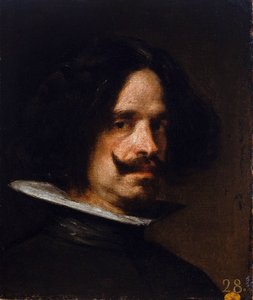
ベラスケス
1599 - 1660 , スペイン
基本情報
- フルネーム: ディエゴ・ロドリゲス・デ・シルバ・イ・ベラスケス
- 主な作品:
- ラス・メニーナス
- ブレダの降伏
- ヴィーナスの鑑賞
- 教皇インノケンツ10世の肖像
- 出身地: セビリア(スペイン)
- 国籍: スペイン
- 影響を与えたアーティスト/運動:
- マネ
- クールベ
- ピカソ
- 影響を受けたアーティスト: ['ティツィアーノ']
- 死亡年月日: 1660年8月6日
- 生年月日: 1599年6月6日
- 芸術運動/スタイル: バロック、写実主義
関連記事

バロック美術を極めた至宝:時代を彩る10大名作の世界
バロック美術の華!カラヴァッジョ、ベルニーニら巨匠が創り上げた10大名作を徹底解剖。ドラマチックな色彩と豪華絢爛の世界観に触れ、至宝のアートプリントで空間を彩ろう。ArtsDot.comで美術館品質の複製と洗練されたインテリアを見つけましょう!

The Visceral Stage: Exploring Dramatic Narratives & Emotional Intensity in Baroque Art
Explore the dramatic world of Baroque art! Discover iconic masters like Caravaggio & Rembrandt, their techniques, and the movement's lasting impact. Expert insights for collectors & enthusiasts at ArtsDot.

The Dramatic Flourish: Exploring the Baroque Movement's Enduring Legacy in Art History
Explore the dramatic world of Baroque art! Discover iconic artists like Caravaggio & Rubens, defining techniques, and its lasting impact on art history. Expert insights for collectors & enthusiasts at ArtsDot.

バロックのドラマ:現代のインテリアに壮麗さと情感を取り込む
バロック様式の歴史、絵画、家具の魅力をご紹介。ArtsDotでは、高品質な油絵複製やカスタムポートレートをご提供し、現代のインテリアに壮麗さと情感を取り入れます。アートコンサルテーションも承ります。
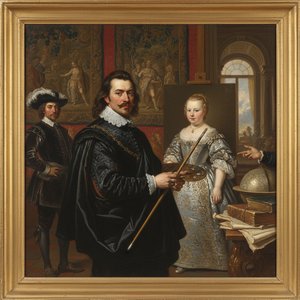
Diego Velázquez: Master of the Spanish Golden Age – Technique, Influence & Courtly Portraiture
Explore the life & work of Diego Velázquez, master of the Spanish Golden Age. Discover his innovative techniques, iconic paintings like Las Meninas, and lasting influence on art history. Expert insights for collectors.