

 プレビュー
プレビュー
 プリントを購入
 シェアする
シェアする シェアする
シェアする
 詳細を見る
詳細を見る

 ダウンロード
 似ている作品
 X線調査
X線調査 スライドショー
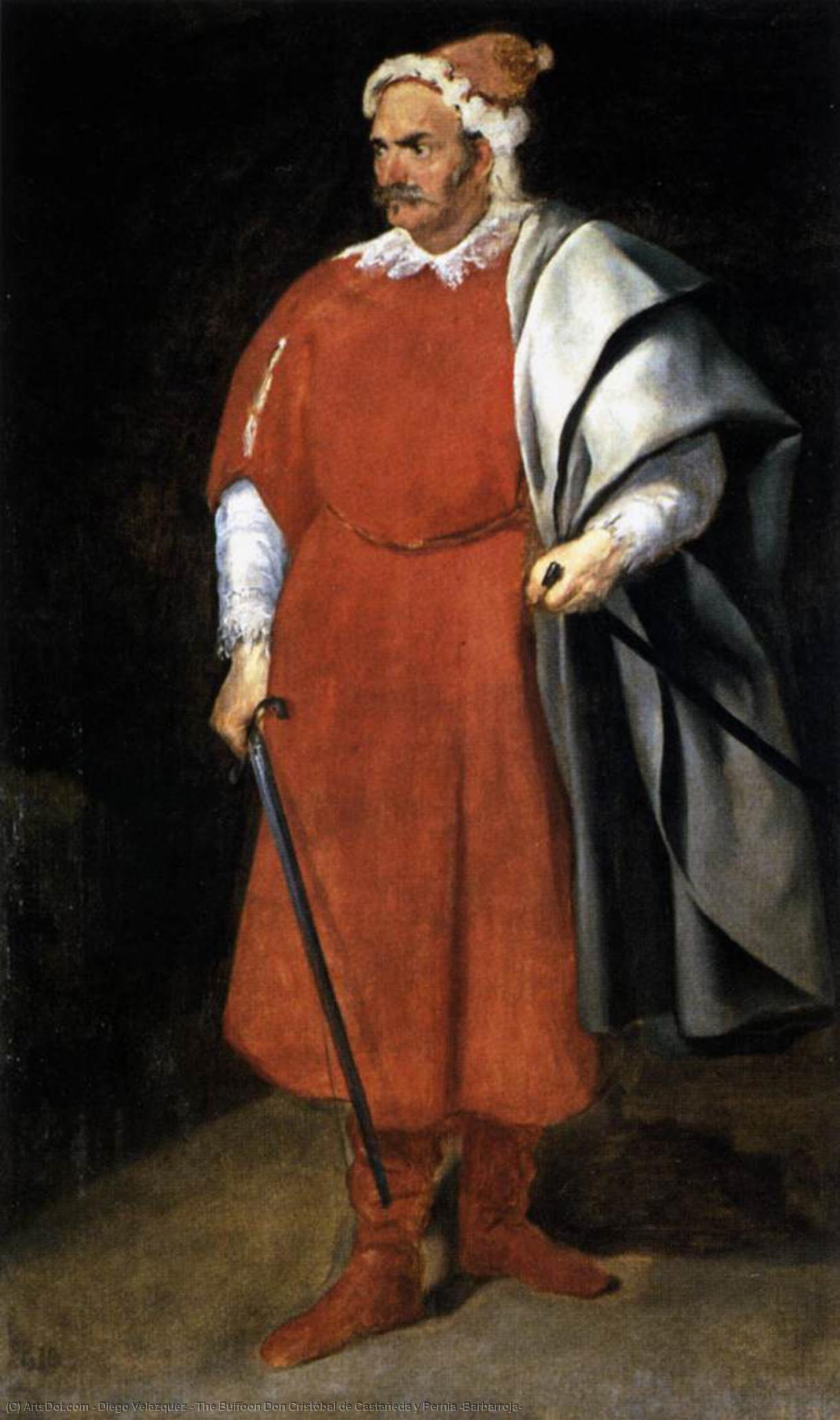
バロボーヤ(ドン・クリストバル・デ・カスタネーダ・ペルニャの嘲笑者)


 詳細を見る
詳細を見る
オンラインプレビューをはるかに凌ぐ、高解像度で鮮明なデジタル画像をご購入いただけます。
各ファイルは、社内の専門家が高度なツールと熟練した手作業によるレタッチを用いて、細心の注意を払って準備されています。すべての画像において、卓越した鮮明度、正確な色彩再現性、そして繊細なディテールを保証いたします。
最終ファイルは、プロフェッショナルな編集・印刷環境ですぐにご利用いただけるよう最適化された状態で、72時間以内にメールにてお届けいたします。これは、一流のデザインスタジオ、出版社、ギャラリーから信頼されているものと同等の品質です。
デジタル画像のご注文に付随する特典
高品質なデジタル画像配信を、確かな品質で。
ArtsDot.com を選ぶことは、単に画像を手に入れることではありません。それは、プロの手によって精密に仕上げられ、満足保証が付いた高品質なデジタルアートワークを受け取ることを意味します。ご注文いただいた際に自動的に付随する内容は、以下の通りです:

メールですぐにお届け
ご注文から72時間以内に、高解像度のデジタル画像ファイルがメールでお手元に届きます。すぐにそのままご利用いただけます。

AI技術で最適化されたデジタルファイル
お客様の作品は、高度なAIツールと専門家による手作業の編集を組み合わせてプロフェッショナルに最適化されており、細部のディテール、鮮明さ、そして正確な色再現性を最大限に引き出しています。

一生涯無料の再送サービス
ファイルを誤って削除したり、紛失してしまったりしましたか?ご安心ください。いつでも無料で再送いたします。

輸入手数料は一切かかりません
関税や手数料、配送料を気にすることなく、お気に入りのアートワークをすぐにお楽しみいただけます。デジタルダウンロードは常に免税です。

色彩再現の保証
プロ仕様のツールとカラーマネジメント技術を用いることで、デジタル画像が元の色を最大限に忠実に再現することを保証いたします。

60日間満足保証
ご購入いただいたデジタル画像にご満足いただけない場合は、60日以内であれば、修正または100%の返金(理由を問う必要はありません)をさせていただきます。

100% 返金保証
ご満足いただけない場合は、デジタルファイルを受け取ってから60日以内であれば、理由を問わず全額返金いたします。

まとめ買い割引
3枚購入で10%OFF - 5枚購入で15%OFF - 10枚以上購入で20%OFF。クリエイティブなプロジェクト、ギャラリー、エージェンシーに最適です。
The Enigmatic Barbarroja: A Window into Spanish Court Life
Diego Velázquez’s “The Buffoon Don Cristóbal de Castañeda y Pernia (Barbarroja)” is more than just a portrait; it's a meticulously crafted snapshot of 17th-century Spain, brimming with social commentary and the artist’s unparalleled mastery of light, shadow, and psychological observation. Completed in 1637 and now residing within the hallowed halls of the Museo del Prado in Madrid, this oil on canvas painting offers a rare glimpse into the world of the Spanish court – a realm of elaborate rituals, simmering ambition, and subtle power dynamics. The subject himself, Don Cristóbal de Castañeda y Pernia, known affectionately (and somewhat derisively) as “Barbarroja” – Red-beard – was a prominent buffoon at King Philip IV’s court, a role that demanded both wit and a carefully cultivated air of military prowess. Velázquez doesn't simply depict a jester; he embodies the complex character within his brushstrokes, creating an image that is simultaneously amusing, unsettling, and profoundly revealing. The painting immediately draws the eye with its dramatic composition. Barbarroja stands against a stark, almost impenetrable black background – a technique frequently employed by Velázquez to isolate his subjects and heighten their presence. This darkness isn’t merely decorative; it serves to amplify the intensity of the light that illuminates Barbarroja himself, focusing attention on his face and posture. He wears a vibrant red robe, a bold statement of color against the somber backdrop, adorned with a crisp white collar – a detail suggesting both wealth and formality. The crimson hue is particularly striking, evoking associations with military banners and royal authority, subtly reinforcing Barbarroja’s self-proclaimed aspirations for a life beyond the confines of his jester's role. His hand firmly grips a cane, a symbol of status and control, while his gaze – piercing and defiant – is directed outwards into an undefined space, hinting at both arrogance and perhaps a touch of insecurity. The slight furrow in his brow adds to this sense of contained tension, suggesting a man perpetually striving for recognition.- Historical Context: Barbarroja’s position within the court was significant. Jesters were not mere entertainers; they served as social lubricants, capable of diffusing tensions and offering veiled critiques of the ruling class. Their ability to speak frankly – albeit often through humor – made them valuable advisors, and their military aspirations, like Barbarroja's, reflected a common desire for advancement within the rigid social hierarchy of the time.
- Velázquez’s Technique: Velázquez’s genius lies in his ability to capture not just the outward appearance of his subjects but also their inner lives. Notice how he renders the texture of the fabric with subtle variations in brushstroke, creating a sense of depth and realism. The lighting is masterful – carefully controlled to sculpt Barbarroja's features and convey his mood.
- Symbolism: The red robe symbolizes ambition and military aspirations, while the cane represents authority and control. The defiant gaze suggests a man who feels overlooked and undervalued, despite his outward confidence.
A Detailed Examination: Capturing the Essence of Character
Upon closer inspection, the painting reveals an astonishing level of detail and psychological insight. Velázquez’s use of chiaroscuro – the dramatic contrast between light and dark – is particularly noteworthy. The strong illumination on Barbarroja's face draws attention to his features, emphasizing his sharp angles and intense gaze. The shadows that envelop the background create a sense of mystery and depth, while also subtly suggesting the limitations imposed upon him by his social position. Notice how the artist renders the texture of the fabric – the folds of the robe, the sheen of the collar – with remarkable precision. This meticulous attention to detail not only enhances the realism of the portrait but also reveals Velázquez’s deep understanding of materials and their properties.- The Face: The most compelling aspect of the painting is undoubtedly Barbarroja's face. Velázquez captures his expression with remarkable accuracy, conveying a mixture of arrogance, ambition, and perhaps a hint of vulnerability.
- The Cane: The cane isn’t merely a prop; it’s an integral part of the composition, serving as a visual anchor and reinforcing Barbarroja's sense of authority.
- The Background: The stark black background serves to isolate Barbarroja and intensify his presence, creating a dramatic and visually arresting image.
Reproductions and Artistic Legacy
ArtsDot.com is proud to offer meticulously crafted oil painting reproductions of “The Buffoon Don Cristóbal de Castañeda y Pernia (Barbarroja),” allowing art enthusiasts and collectors alike to experience the brilliance of Velázquez’s masterpiece firsthand. Our skilled artists painstakingly recreate every detail of the original, using only the finest materials and techniques. We also offer a detailed reproduction, “The Buffoon Don Cristóbal de Castañeda y Pernia (detail)”, which allows you to appreciate the nuances of Velazquez's technique even further. For those seeking inspiration or simply wanting to own a piece of art history, reproductions like these provide an accessible and authentic way to connect with this iconic work. Consider pairing it with other works by Velázquez, such as “Infanta Doña María, Queen of Hungary” or “The Surrender of Breda,” to gain a deeper understanding of the artist’s diverse oeuvre.- Size: 200 x 121 cm
- Date: 1637
Further Exploration and Resources
To delve deeper into the world of Diego Velázquez and “The Buffoon Don Cristóbal de Castañeda y Pernia,” we recommend exploring these resources:- ArtsDot.com – Purchase your high-quality reproduction today!
- ArtsDot.com – View the detailed reproduction.
- Wikipedia - Diego Velázquez
- Museo del Prado – The Buffoon Don Cristóbal de Castañeda y Pernia
- Javier Fernández López - Research on Velázquez
関連作品
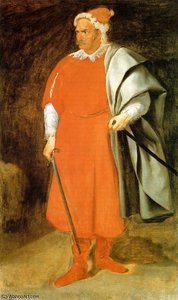
作家の略歴
光と影の巨匠:ディエゴ・ベラスケス
1599年にスペインのセビリアで生まれたディエゴ・ロドリゲス・デ・シルバ・イ・ベラスケスは、美術史において特筆すべき地位を占める画家である。彼はスペイン黄金世紀という帝国の威勢と文化的繁栄の時代を生きた。ハプスブルク朝の宮廷に深く結びつき、その芸術は帝国の壮大さと複雑さを映し出す鏡となった。謙虚な生い立ちから、ベラスケスは単なる画家以上の存在へと昇華した。彼は帝国の記録者となり、王族や貴族、そして日常の人々を前例のないリアリズムと心理的な深みで捉えたのである。フランシスコ・デ・ヘララ・エル・ビエホのもとでの教育、そして特にフランシスコ・パチェコの厳格な指導は、彼に技術、比率、古典的知識の基盤を与えた。しかし、彼を真に際立たせたのは、光、色彩、人間の性格に対する並外れた感受性という生まれながらの才能であった。初期作品である『卵を焼く老婆』でさえ、彼の革新的なジャンル画へのアプローチを示唆しており、ありふれた場面に尊厳と生々しさを吹き込んでいる。宮廷への昇進:フィリップ4世との関係
24歳という若さでマドリードに移り住み、権力の中心である王宮の庇護を求める決断は、ベラスケスの人生における転換点となった。彼はすぐにその才能が認められ、1628年にフィリップ4世の宮廷画家として任命された。この地位は単なる職を得るというだけではなく、王室とその家臣たちへの前例のないアクセスを意味し、彼に絵筆を通して宮廷の記録者となることを可能にした。多くの宮廷画家が被写体を理想化していたのに対し、ベラスケスは揺るぎないリアリズムを追求した。彼はフィリップ4世を遠い権威の象徴としてではなく、知性的で憂鬱であり、責任に重く悩む一人の人間として描いたのである。この真実へのコミットメントと卓越した技術が、彼の王からの信頼と芸術的な自由度を高めた。初期の宮廷肖像画は、より自然な姿と心理的な洞察力を追求しながら、従来のスペインの肖像画の硬直した形式から脱却する進化を示している。ヴェネツィア人巨匠ティツィアーノの影響——フィリップ4世が熱心に収集した画家——は、ベラスケスのブラシワークや色彩パレットにおける豊かさにおいて明らかである。彼はヴェネツィア絵画の教訓、特に色彩と大胆な筆致への重点を吸収し、それを独自のスタイルへと昇華させたのである。芸術的革新の頂点:『女官たち』とそれ以外
ベラスケスの芸術的な才能は1650年代に最高潮に達し、『女官たち』(1656年)という傑作の制作につながった。この絵画は単なる肖像画ではなく、芸術そのものについての複雑な瞑想である。それはインファンタ・マルガリータ・テレサを囲む女官、小人、そして宮廷の他のメンバーを描いており、ベラスケス自身が大きなキャンバスの前で絵を描いているかのように捉えられている。背景にある鏡に映し出された王と女王の姿は、観察者と被写体、現実と表現の境界線を曖昧にする、さらなる謎を加えている。『女官たち』は、遠近法、構成、心理的洞察力の傑作であり、鑑賞者に見ていく行為そのものを疑問視するように挑戦している。それは見る人、見られる人、そして芸術創造の本質についての絵画なのである。この時期の他の重要な作品には、『ブレダの降伏』というスペインの勝利を人間味あふれる形で描いた力強い作品や、『オーストリアのマリアナ女王』など、王族の威厳と内面の脆弱さを捉えた肖像画がある。彼の技術は引き続き進化し、大胆な筆致、微妙なトーンの変化、光と大気に対する並外れた感受性という特徴が際立っており、後世の芸術家に大きな影響を与えることになるのである。遺産と永続的な影響
1660年にマドリードで亡くなったディエゴ・ベラスケスは、西洋美術の進路に深く影響を与えた作品群を残した。彼のリアリズムへの重点、光と影の革新的な使用法、そして心理的な深さは、絵画における新たな地平を開いた。彼は単に外見を記録していたのではなく、人間の経験の本質を捉えていたのである。19世紀には、ギュスターヴ・クールベのようなフランスの実証主義画家が、理想化を排した生活の描写へのコミットメントにおいて、ベラスケスをモデルとした。エドゥアール・マネは、『女官たち』に直接言及して自身の作品に取り入れ、スペイン人巨匠のビジョンの永続的な力を実証している。20世紀には、パブロ・ピカソやフランシス・ベーコンなどの芸術家が、彼の最も有名なイメージを再解釈することでベラスケスの絵画に敬意を表したのである。例えば、ピカソは『女官たち』のバリエーションシリーズを作成し、その構成構造と心理的な複雑さを探求している。今日、ベラスケスの傑作は世界中の美術館で展示されており、特にマドリードのプラド美術館では、この並外れた芸術家の輝きを直接体験することができるのである。彼の遺産は今なお畏敬の念を起こさせ、感銘を与え続けており、光、影、そして人間の精神の巨匠としての地位を確固たるものにしている。主要作品とコレクション
- 『女官たち』(1656年):プラド美術館、マドリード——彼の最も有名な作品であり、王室の複雑な肖像画である。
- 『ブレダの降伏』(1634-1635年):プラド美術館、マドリード——人間味あふれるスペインの勝利を描いた力強い作品。
- 『鏡を見るヴィーナス』(c. 1647–1651年):プラド美術館、マドリード——彼の美とリアリズムを組み合わせる技術を示す。
- 『オーストリアのマリアナ女王』(1649年):プラド美術館、マドリード——王族の優雅さを際立たせた素晴らしい肖像画。
- 『教皇インノケンツ10世の肖像』(1650年):ドーリア・パンフィーリ美術館、ローマ——司教を捉えた印象的で型破りな描写。
- 『自画像』(1643年):バルレンシア美術館——威厳と内省的な芸術家を描いた作品。
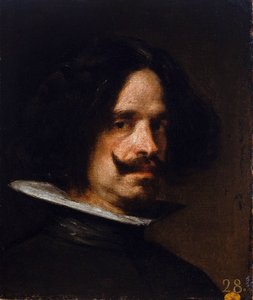
ベラスケス
1599 - 1660 , スペイン
プロフィール概要
- フルネーム: ディエゴ・ロドリゲス・デ・シルバ・イ・ベラスケス
- 主な作品:
- ラス・メニーナス
- ブレダの降伏
- ヴィーナスの鑑賞
- 教皇インノケンツ10世の肖像
- 出身地: セビリア(スペイン)
- 国籍: スペイン
- 影響を与えたアーティスト/運動:
- マネ
- クールベ
- ピカソ
- 影響を受けたアーティスト: ['ティツィアーノ']
- 死亡年月日: 1660年8月6日
- 生年月日: 1599年6月6日
- 芸術運動/スタイル: バロック、写実主義

