

 プレビュー
プレビュー
 プリントを購入
 シェアする
シェアする シェアする
シェアする
 詳細を見る
詳細を見る

 ダウンロード
 似ている作品
 X線調査
X線調査 スライドショー
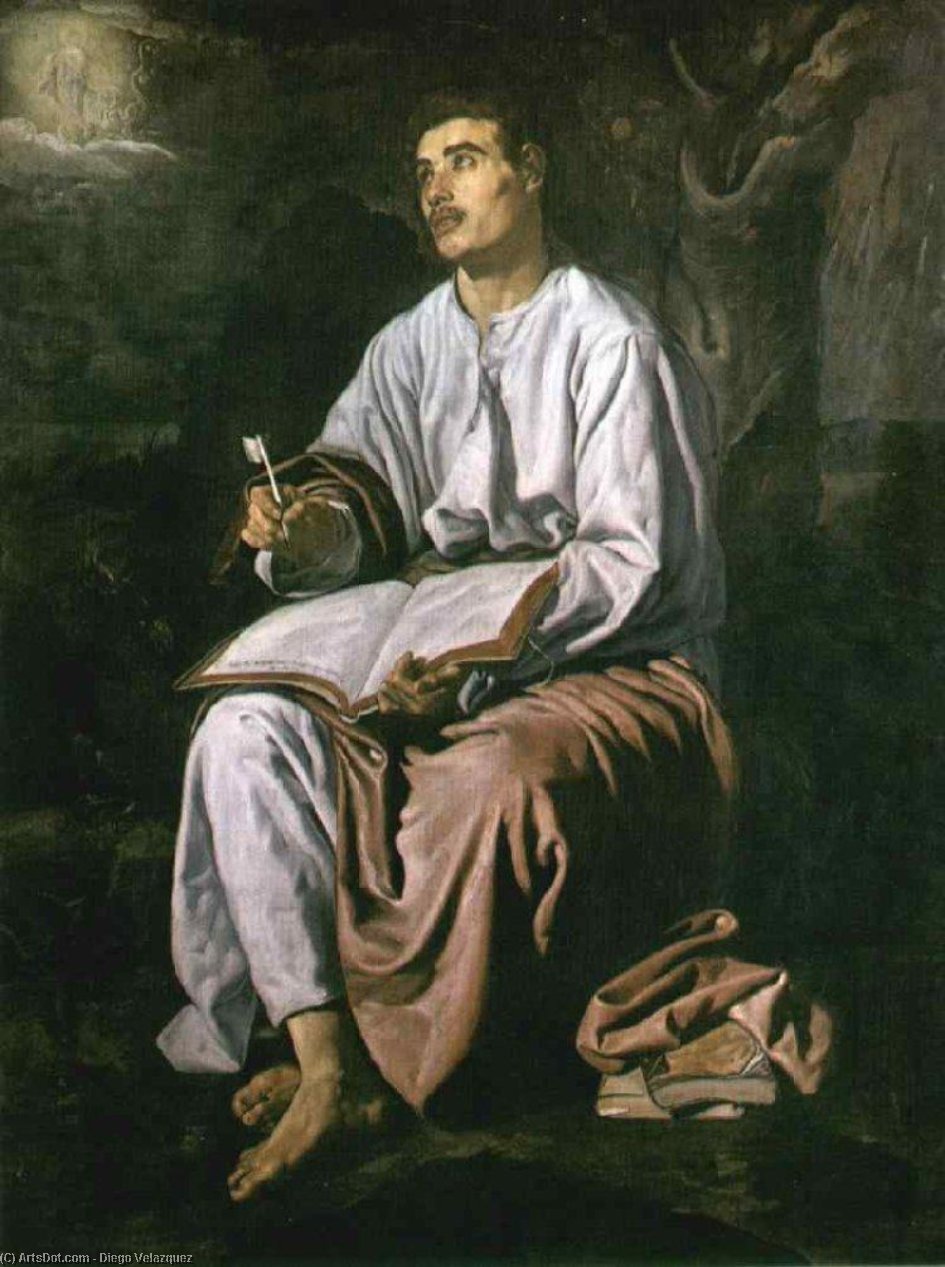
St John the Evangelist at Patmos
 キャンバスに油彩
- ウォールアート
- Baroque
 1618
1618 135.0 x 102.0 cm
 ナショナル・ギャラリー
 詳細を見る
詳細を見る
オンラインプレビューをはるかに凌ぐ、高解像度で鮮明なデジタル画像をご購入いただけます。
各ファイルは、社内の専門家が高度なツールと熟練した手作業によるレタッチを用いて、細心の注意を払って準備されています。すべての画像において、卓越した鮮明度、正確な色彩再現性、そして繊細なディテールを保証いたします。
最終ファイルは、プロフェッショナルな編集・印刷環境ですぐにご利用いただけるよう最適化された状態で、72時間以内にメールにてお届けいたします。これは、一流のデザインスタジオ、出版社、ギャラリーから信頼されているものと同等の品質です。
デジタル画像のご注文に付随する特典
高品質なデジタル画像配信を、確かな品質で。
ArtsDot.com を選ぶことは、単に画像を手に入れることではありません。それは、プロの手によって精密に仕上げられ、満足保証が付いた高品質なデジタルアートワークを受け取ることを意味します。ご注文いただいた際に自動的に付随する内容は、以下の通りです:

メールですぐにお届け
ご注文から72時間以内に、高解像度のデジタル画像ファイルがメールでお手元に届きます。すぐにそのままご利用いただけます。

AI技術で最適化されたデジタルファイル
お客様の作品は、高度なAIツールと専門家による手作業の編集を組み合わせてプロフェッショナルに最適化されており、細部のディテール、鮮明さ、そして正確な色再現性を最大限に引き出しています。

一生涯無料の再送サービス
ファイルを誤って削除したり、紛失してしまったりしましたか?ご安心ください。いつでも無料で再送いたします。

輸入手数料は一切かかりません
関税や手数料、配送料を気にすることなく、お気に入りのアートワークをすぐにお楽しみいただけます。デジタルダウンロードは常に免税です。

色彩再現の保証
プロ仕様のツールとカラーマネジメント技術を用いることで、デジタル画像が元の色を最大限に忠実に再現することを保証いたします。

60日間満足保証
ご購入いただいたデジタル画像にご満足いただけない場合は、60日以内であれば、修正または100%の返金(理由を問う必要はありません)をさせていただきます。

100% 返金保証
ご満足いただけない場合は、デジタルファイルを受け取ってから60日以内であれば、理由を問わず全額返金いたします。

まとめ買い割引
3枚購入で10%OFF - 5枚購入で15%OFF - 10枚以上購入で20%OFF。クリエイティブなプロジェクト、ギャラリー、エージェンシーに最適です。
作品の詳細
Diego Velázquez’s ‘St John the Evangelist at Patmos’: A Vision of Spiritual Intensity
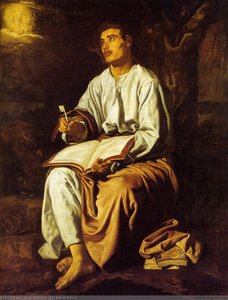
Diego Velázquez's “St John the Evangelist at Patmos,” painted between 1618 and 1619, is more than just a portrait; it’s a profound meditation on faith, isolation, and divine inspiration. This captivating work, currently residing in the National Gallery in London, offers a rare glimpse into the soul of one of art history's most enigmatic figures – Velázquez himself – as he wrestled with the weighty subject of St. John’s exile and visionary experience. The painting immediately draws the viewer in with its dramatic chiaroscuro, a masterful manipulation of light and shadow that sculpts the saint’s form and imbues the scene with an almost palpable sense of drama and introspection.
The composition is strikingly intimate, placing St. John within a rugged, rocky landscape – a deliberate choice that grounds him in the earthly reality of Patmos while simultaneously directing his gaze heavenward. The uneven ground beneath him speaks to the arduousness of his exile, mirroring perhaps the internal struggle he must have faced during this period of solitude and revelation. Velázquez’s attention to detail is remarkable; from the meticulously rendered folds of John's garments to the subtle play of light on his face, every element contributes to a sense of realism that belies the painting’s spiritual depth.
A Study in Baroque Symbolism
The symbolism woven into “St John the Evangelist at Patmos” is rich and layered. The open book, undoubtedly referencing the Book of Revelation, becomes a focal point, suggesting the saint's role as interpreter of divine messages. Crucially, Velázquez includes an eagle perched above John’s head – a potent symbol directly associated with St. John the Evangelist, representing his prophetic role and soaring spiritual insights. The quill in his hand is not merely a writing tool but a conduit for transmitting these visions, emphasizing the importance of recorded testimony. Adding to this complex iconography is a meticulously rendered inkhorn, a subtle reminder of the painstaking process of documenting divine revelations – a testament to the value placed on accurate record-keeping within the religious context.
Interestingly, Velázquez’s work demonstrates a clear engagement with established artistic conventions of his time. He consciously references earlier gravures by artists like Jan Sadeler and Juan de Jáuregui, particularly in the overall scheme and the depiction of the dragon (a symbol of temptation and evil). The influence of Hieronymus Bosch's depictions of the Virgin Mary is also evident, though Velázquez skillfully adapts these motifs to his own unique style, imbuing them with a greater sense of naturalism. The inclusion of Durero’s gravure on the same theme further highlights this artistic lineage, demonstrating Velázquez’s deep understanding and skillful assimilation of existing visual language.
Velázquez's Early Masterpiece: A Reflection of the Era
“St John the Evangelist at Patmos” is a pivotal work in Velázquez’s early career, marking a significant shift from his earlier bodegones to more complex and emotionally resonant scenes. Painted during a period of intense religious fervor within Spain, it embodies the aesthetic sensibilities of the burgeoning Baroque movement – characterized by dramatic lighting, dynamic compositions, and a profound engagement with spiritual themes. The painting's emotional intensity, combined with Velázquez’s masterful technique, establishes him as one of the leading artists of his generation.
Beyond its immediate visual appeal, “St John the Evangelist at Patmos” offers a valuable insight into the artistic and intellectual landscape of 17th-century Spain. It reflects the Counter-Reformation’s emphasis on religious imagery and the desire to inspire piety through powerful depictions of biblical narratives. For those seeking to explore more of Velázquez's remarkable oeuvre, reproductions of “Kitchen Scene with the Supper in Emmaus” and “An Old Woman Cooking Eggs” offer compelling examples of his versatility and unparalleled ability to capture both the mundane and the sublime.
A Timeless Testament to Artistic Genius
Diego Velázquez’s “St John the Evangelist at Patmos” remains a profoundly moving work of art, captivating viewers with its dramatic intensity, intricate symbolism, and masterful technique. It stands as a testament to Velázquez's artistic genius – a fusion of spiritual aspiration and technical brilliance that continues to resonate centuries later. Whether admired for its historical significance or simply appreciated for its aesthetic beauty, this painting offers a unique window into the soul of one of art history’s greatest masters.
関連作品
作家の略歴
光と影の巨匠:ディエゴ・ベラスケス
1599年にスペインのセビリアで生まれたディエゴ・ロドリゲス・デ・シルバ・イ・ベラスケスは、美術史において特筆すべき地位を占める画家である。彼はスペイン黄金世紀という帝国の威勢と文化的繁栄の時代を生きた。ハプスブルク朝の宮廷に深く結びつき、その芸術は帝国の壮大さと複雑さを映し出す鏡となった。謙虚な生い立ちから、ベラスケスは単なる画家以上の存在へと昇華した。彼は帝国の記録者となり、王族や貴族、そして日常の人々を前例のないリアリズムと心理的な深みで捉えたのである。フランシスコ・デ・ヘララ・エル・ビエホのもとでの教育、そして特にフランシスコ・パチェコの厳格な指導は、彼に技術、比率、古典的知識の基盤を与えた。しかし、彼を真に際立たせたのは、光、色彩、人間の性格に対する並外れた感受性という生まれながらの才能であった。初期作品である『卵を焼く老婆』でさえ、彼の革新的なジャンル画へのアプローチを示唆しており、ありふれた場面に尊厳と生々しさを吹き込んでいる。宮廷への昇進:フィリップ4世との関係
24歳という若さでマドリードに移り住み、権力の中心である王宮の庇護を求める決断は、ベラスケスの人生における転換点となった。彼はすぐにその才能が認められ、1628年にフィリップ4世の宮廷画家として任命された。この地位は単なる職を得るというだけではなく、王室とその家臣たちへの前例のないアクセスを意味し、彼に絵筆を通して宮廷の記録者となることを可能にした。多くの宮廷画家が被写体を理想化していたのに対し、ベラスケスは揺るぎないリアリズムを追求した。彼はフィリップ4世を遠い権威の象徴としてではなく、知性的で憂鬱であり、責任に重く悩む一人の人間として描いたのである。この真実へのコミットメントと卓越した技術が、彼の王からの信頼と芸術的な自由度を高めた。初期の宮廷肖像画は、より自然な姿と心理的な洞察力を追求しながら、従来のスペインの肖像画の硬直した形式から脱却する進化を示している。ヴェネツィア人巨匠ティツィアーノの影響——フィリップ4世が熱心に収集した画家——は、ベラスケスのブラシワークや色彩パレットにおける豊かさにおいて明らかである。彼はヴェネツィア絵画の教訓、特に色彩と大胆な筆致への重点を吸収し、それを独自のスタイルへと昇華させたのである。芸術的革新の頂点:『女官たち』とそれ以外
ベラスケスの芸術的な才能は1650年代に最高潮に達し、『女官たち』(1656年)という傑作の制作につながった。この絵画は単なる肖像画ではなく、芸術そのものについての複雑な瞑想である。それはインファンタ・マルガリータ・テレサを囲む女官、小人、そして宮廷の他のメンバーを描いており、ベラスケス自身が大きなキャンバスの前で絵を描いているかのように捉えられている。背景にある鏡に映し出された王と女王の姿は、観察者と被写体、現実と表現の境界線を曖昧にする、さらなる謎を加えている。『女官たち』は、遠近法、構成、心理的洞察力の傑作であり、鑑賞者に見ていく行為そのものを疑問視するように挑戦している。それは見る人、見られる人、そして芸術創造の本質についての絵画なのである。この時期の他の重要な作品には、『ブレダの降伏』というスペインの勝利を人間味あふれる形で描いた力強い作品や、『オーストリアのマリアナ女王』など、王族の威厳と内面の脆弱さを捉えた肖像画がある。彼の技術は引き続き進化し、大胆な筆致、微妙なトーンの変化、光と大気に対する並外れた感受性という特徴が際立っており、後世の芸術家に大きな影響を与えることになるのである。遺産と永続的な影響
1660年にマドリードで亡くなったディエゴ・ベラスケスは、西洋美術の進路に深く影響を与えた作品群を残した。彼のリアリズムへの重点、光と影の革新的な使用法、そして心理的な深さは、絵画における新たな地平を開いた。彼は単に外見を記録していたのではなく、人間の経験の本質を捉えていたのである。19世紀には、ギュスターヴ・クールベのようなフランスの実証主義画家が、理想化を排した生活の描写へのコミットメントにおいて、ベラスケスをモデルとした。エドゥアール・マネは、『女官たち』に直接言及して自身の作品に取り入れ、スペイン人巨匠のビジョンの永続的な力を実証している。20世紀には、パブロ・ピカソやフランシス・ベーコンなどの芸術家が、彼の最も有名なイメージを再解釈することでベラスケスの絵画に敬意を表したのである。例えば、ピカソは『女官たち』のバリエーションシリーズを作成し、その構成構造と心理的な複雑さを探求している。今日、ベラスケスの傑作は世界中の美術館で展示されており、特にマドリードのプラド美術館では、この並外れた芸術家の輝きを直接体験することができるのである。彼の遺産は今なお畏敬の念を起こさせ、感銘を与え続けており、光、影、そして人間の精神の巨匠としての地位を確固たるものにしている。主要作品とコレクション
- 『女官たち』(1656年):プラド美術館、マドリード——彼の最も有名な作品であり、王室の複雑な肖像画である。
- 『ブレダの降伏』(1634-1635年):プラド美術館、マドリード——人間味あふれるスペインの勝利を描いた力強い作品。
- 『鏡を見るヴィーナス』(c. 1647–1651年):プラド美術館、マドリード——彼の美とリアリズムを組み合わせる技術を示す。
- 『オーストリアのマリアナ女王』(1649年):プラド美術館、マドリード——王族の優雅さを際立たせた素晴らしい肖像画。
- 『教皇インノケンツ10世の肖像』(1650年):ドーリア・パンフィーリ美術館、ローマ——司教を捉えた印象的で型破りな描写。
- 『自画像』(1643年):バルレンシア美術館——威厳と内省的な芸術家を描いた作品。
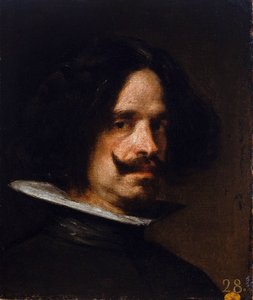
ベラスケス
1599 - 1660 , スペイン
プロフィール概要
- フルネーム: ディエゴ・ロドリゲス・デ・シルバ・イ・ベラスケス
- 主な作品:
- ラス・メニーナス
- ブレダの降伏
- ヴィーナスの鑑賞
- 教皇インノケンツ10世の肖像
- 出身地: セビリア(スペイン)
- 国籍: スペイン
- 影響を与えたアーティスト/運動:
- マネ
- クールベ
- ピカソ
- 影響を受けたアーティスト: ['ティツィアーノ']
- 死亡年月日: 1660年8月6日
- 生年月日: 1599年6月6日
- 芸術運動/スタイル: バロック、写実主義

