

 プレビュー
プレビュー
 プリントを購入
 シェアする
シェアする シェアする
シェアする
 詳細を見る
詳細を見る

 ダウンロード
 似ている作品
 X線調査
X線調査 スライドショー
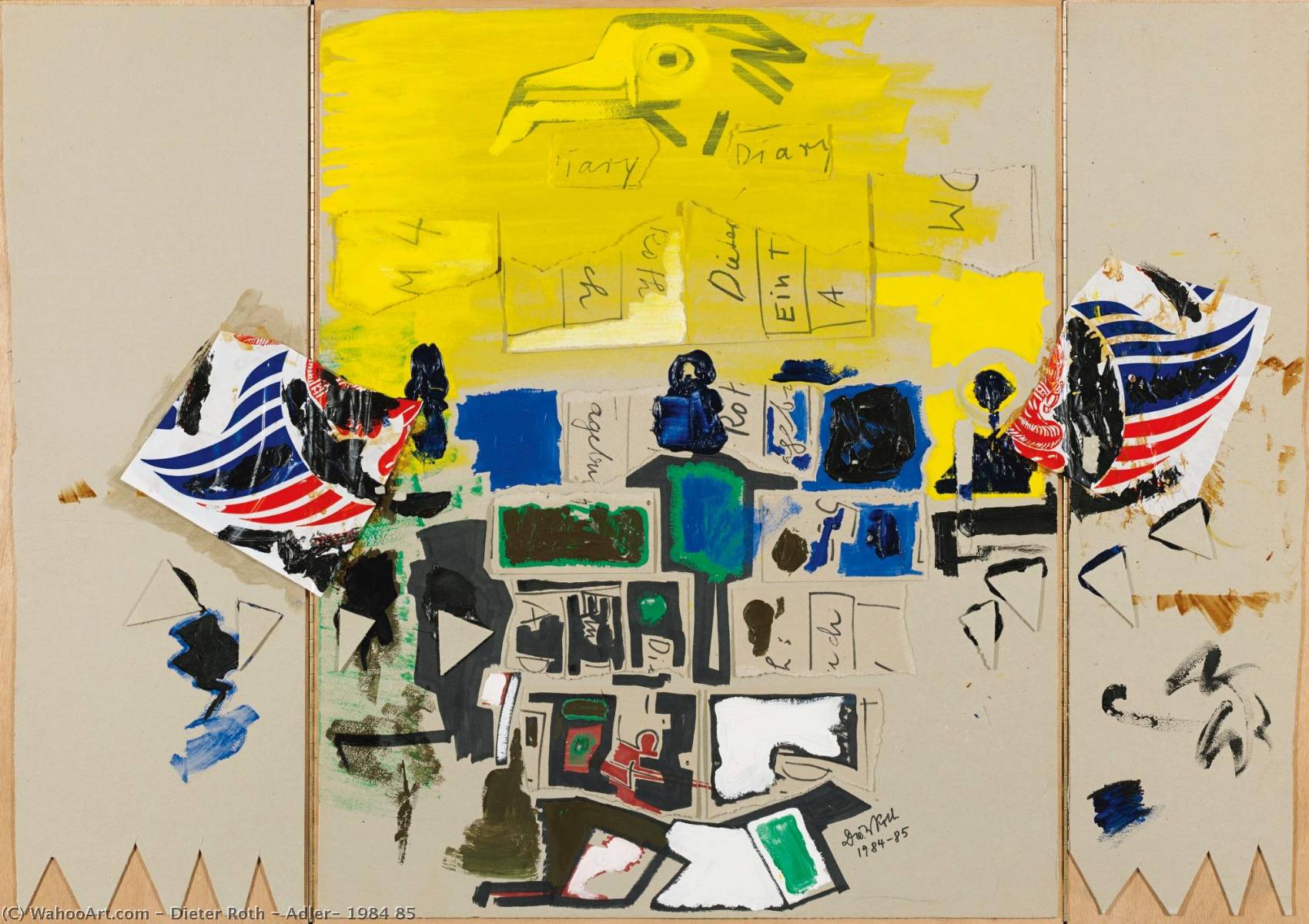
Adler, 1984 85
 詳細を見る
詳細を見る
オンラインプレビューをはるかに凌ぐ、高解像度で鮮明なデジタル画像をご購入いただけます。
各ファイルは、社内の専門家が高度なツールと熟練した手作業によるレタッチを用いて、細心の注意を払って準備されています。すべての画像において、卓越した鮮明度、正確な色彩再現性、そして繊細なディテールを保証いたします。
最終ファイルは、プロフェッショナルな編集・印刷環境ですぐにご利用いただけるよう最適化された状態で、72時間以内にメールにてお届けいたします。これは、一流のデザインスタジオ、出版社、ギャラリーから信頼されているものと同等の品質です。
デジタル画像のご注文に付随する特典
高品質なデジタル画像配信を、確かな品質で。
ArtsDot.com を選ぶことは、単に画像を手に入れることではありません。それは、プロの手によって精密に仕上げられ、満足保証が付いた高品質なデジタルアートワークを受け取ることを意味します。ご注文いただいた際に自動的に付随する内容は、以下の通りです:

メールですぐにお届け
ご注文から72時間以内に、高解像度のデジタル画像ファイルがメールでお手元に届きます。すぐにそのままご利用いただけます。

AI技術で最適化されたデジタルファイル
お客様の作品は、高度なAIツールと専門家による手作業の編集を組み合わせてプロフェッショナルに最適化されており、細部のディテール、鮮明さ、そして正確な色再現性を最大限に引き出しています。

一生涯無料の再送サービス
ファイルを誤って削除したり、紛失してしまったりしましたか?ご安心ください。いつでも無料で再送いたします。

輸入手数料は一切かかりません
関税や手数料、配送料を気にすることなく、お気に入りのアートワークをすぐにお楽しみいただけます。デジタルダウンロードは常に免税です。

色彩再現の保証
プロ仕様のツールとカラーマネジメント技術を用いることで、デジタル画像が元の色を最大限に忠実に再現することを保証いたします。

60日間満足保証
ご購入いただいたデジタル画像にご満足いただけない場合は、60日以内であれば、修正または100%の返金(理由を問う必要はありません)をさせていただきます。

100% 返金保証
ご満足いただけない場合は、デジタルファイルを受け取ってから60日以内であれば、理由を問わず全額返金いたします。

まとめ買い割引
3枚購入で10%OFF - 5枚購入で15%OFF - 10枚以上購入で20%OFF。クリエイティブなプロジェクト、ギャラリー、エージェンシーに最適です。
関連作品
作家の略歴
A Life Forged in Experimentation and Ephemerality
Dieter Roth, a name often appearing as Dieter Rot or Diter Rot, was more than an artist; he was an explorer of the very boundaries of art itself. Born Karl-Dietrich Roth in Hanover, Germany, in 1930, his life unfolded against the backdrop of a world irrevocably altered by war and reconstruction. This formative period deeply imprinted upon his artistic sensibility, fostering a relentless curiosity and a willingness to challenge convention. The early years were marked by displacement; as a young boy, he found refuge in Switzerland under the protection of Pro Juventute, an organization dedicated to safeguarding children affected by the conflict. By 1943, this temporary haven became permanent exile, and Roth settled with a family in Zürich. This household proved pivotal, offering an environment brimming with artistic and intellectual ferment—a space shared by Jewish and communist artists and actors who nurtured his burgeoning creativity. It was here that he first began to paint and write poetry, laying the foundation for a career defined by its interdisciplinary nature.From Concrete Art to Fluxus Affiliations
Roth’s artistic journey commenced with an apprenticeship in commercial art in Bern, where he honed his technical skills while working for local businesses like milk associations and cheese unions. However, a transformative moment arrived with an exhibition of Paul Klee's work, igniting within him a desire to move beyond the constraints of commercialism towards the expansive possibilities of international modernism. This shift coincided with his involvement in the burgeoning world of Concrete art, further solidified by his collaboration with Marcel Wyss and Eugen Gomringer on the influential magazine *Spirale* (1953-64). Spirale served as a vital platform for Roth’s early explorations across various mediums—poetry, sculpture, Op art—demonstrating an eagerness to dismantle traditional artistic categories. This period saw the emergence of groundbreaking works like *Bok* (1958), where he physically disrupted the conventional codex format by cutting holes in its pages, inviting readers to actively participate in rearranging and reinterpreting the narrative. The *Daily Mirror Book* (1961) followed, a provocative piece constructed from a newspaper cut into squares and rebound, questioning the inherent value of text and challenging established book structures. It was around this time that Roth began his audacious incorporation of decaying foodstuffs into his art, most famously with *Literaturwurst* (Literature Sausage) (1961)—a satirical commentary on literature and consumption, encapsulating minced newspapers and spices within a sausage skin.Embracing the Ephemeral and Challenging Boundaries
A pivotal moment in Roth’s artistic evolution occurred in 1961 when he witnessed Nam June Paik's *Homage to Modern Art* in Basel. This performance profoundly impacted him, steering his work away from the rigidity of Constructivism towards the more dynamic and unconventional practices associated with the Nouveaux Réalistes and Fluxus. While Roth forged close relationships with key figures within the Fluxus movement—George Maciunas being a central figure—he deliberately maintained a degree of distance, preferring to chart his own independent course. His most ambitious book project to date, *Copley Book* (1965), funded by the William and Norma Copley Award, stands as a testament to this period. It was a semi-autobiographical deconstruction of the very process of bookmaking, pushing the boundaries of what a book could be—a sprawling, multi-layered work that defied easy categorization. Roth’s embrace of impermanence became increasingly pronounced throughout his career, manifested in works constructed from perishable materials like chocolate, cheese, and fruit. These pieces weren't intended to endure; rather, their inherent decay was an integral part of the artistic statement—a meditation on time, transformation, and the transient nature of existence.A Lasting Legacy of Innovation
Dieter Roth’s legacy rests firmly on his pioneering spirit and unwavering commitment to experimentation. He is widely recognized as a key figure in establishing the artist's book as a legitimate art form, transforming it from a mere vessel for text into a dynamic and expressive medium in its own right. His willingness to embrace unconventional materials—particularly those subject to decay—challenged traditional notions of artistic permanence and invited viewers to contemplate the cyclical nature of creation and destruction. His influence continues to resonate with contemporary artists who explore similar themes of materiality, process, and audience interaction. Roth’s work serves as a potent reminder that art is not merely about creating objects but about initiating dialogues—challenging assumptions, provoking thought, and ultimately expanding our understanding of the world around us. He left behind a body of work that is both intellectually stimulating and deeply moving, solidifying his place as one of the most innovative and influential artists of the 20th century.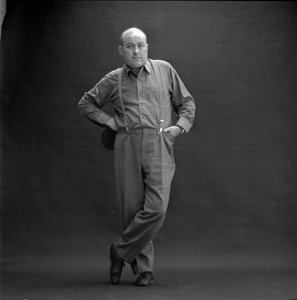
Dieter Roth
1930 - 1998 , Germany
プロフィール概要
- Artistic Movement Or Style: Fluxus, Concrete Art
- Artists Or Movements Influenced By This Artist: ['Contemporary Artists']
- Artists Who Influenced This Artist: ['Paul Klee']
- Date Of Birth: 1930
- Date Of Death: 1998
- Full Name: Dieter Roth
- Nationality: Swiss
- Notable Artworks:
- Duck Chase
- Literaturwurst
- Daily Mirror Book
- Bok
- Adler, 1984 85
- Place Of Birth: Hanover, Germany

