

 プレビュー
プレビュー
 プリントを購入
 シェアする
シェアする シェアする
シェアする
 詳細を見る
詳細を見る

 ダウンロード
 似ている作品
 X線調査
X線調査 スライドショー
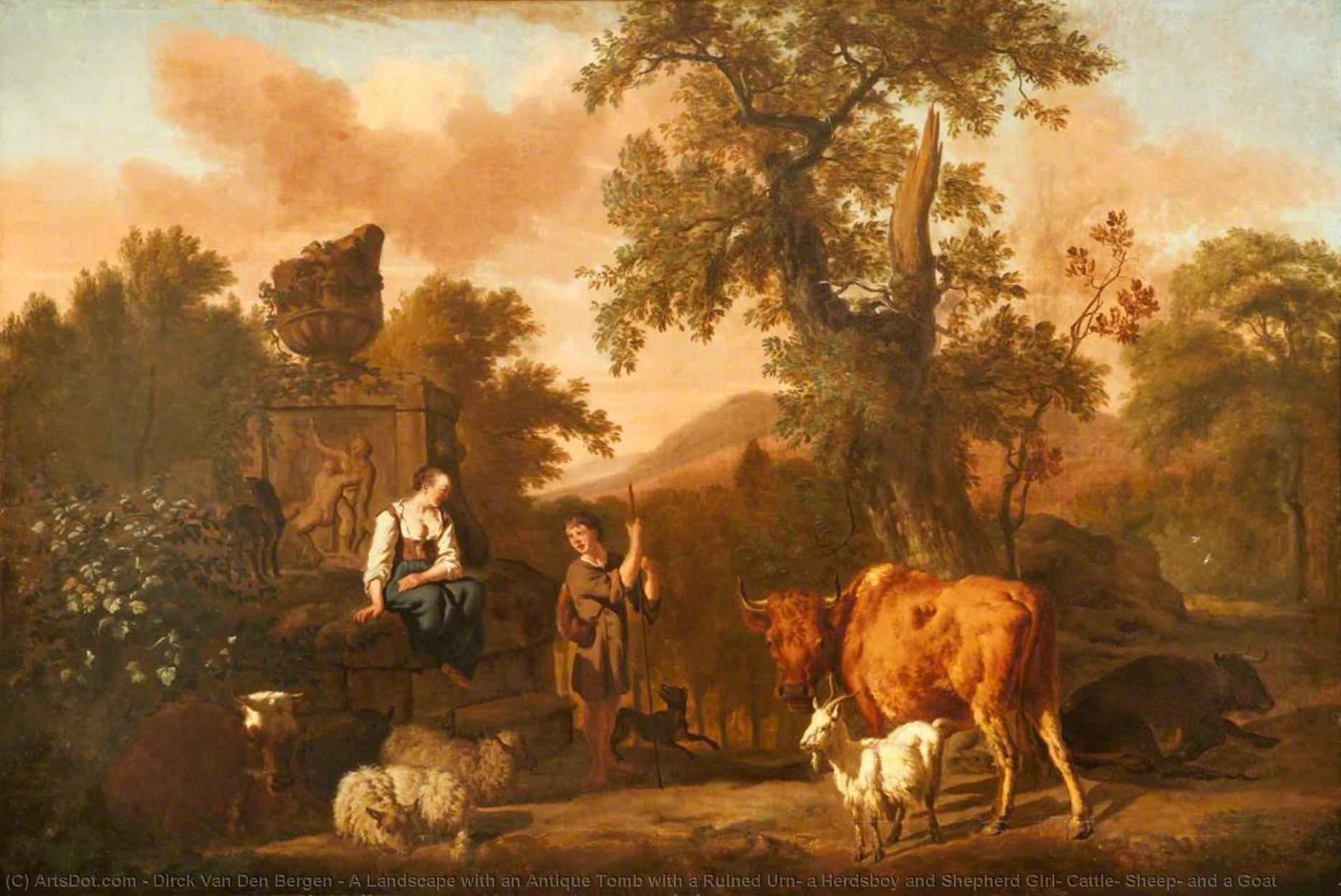
A Landscape with an Antique Tomb with a Ruined Urn, a Herdsboy and Shepherd Girl, Cattle, Sheep, and a Goat
 Dutch Golden Age
 1677
1677 92.0 x 123.0 cm
 National Trust
 詳細を見る
詳細を見る




































作品のオリジナル比率に合わせた、当店の規定サイズからお選びください。

特定のフレームやスペースに合わせて、ご希望のサイズをご入力いただけます。選択されたサイズが元の画像の比率と異なる場合、アートワークをトリミングするか、手描きで要素を追加して絵画を拡張いたします。デジタルモックアップ を制作し、制作開始前にご確認(承認)をいただきます。
画面上のプレビューは、実際のトリミングや拡張を正確に反映しているものではありません。最終的な構図は、モックアップによってのみ正確にご確認いただけます。
カスタムサイズもご利用いただけますが、元の比率を維持するためには、あらかじめ用意されたリストからサイズを選択することをお勧めいたします。
ご注文後、ArtsDot.com チームより詳細な指示をお送りするとともに、仕上がりイメージ(モックアップ)をご提供いたします。


 ガラスオプションは、110cm未満のサイズでのみご利用いただけます。

A Landscape with an Antique Tomb with a Ruined Urn, a Herdsboy and Shepherd Girl, Cattle, Sheep, and a Goat
複製技法
複製画のサイズ
-


合計金額
$ 313
関連作品
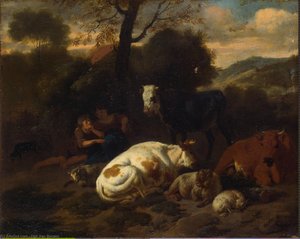
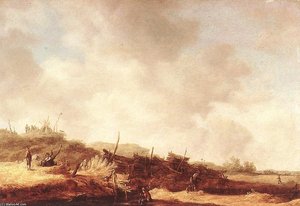
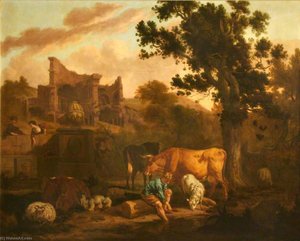
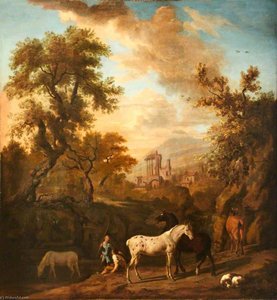
アーティストの略歴
The Quiet Brilliance of Dirck van den Bergen
In the golden twilight of the Dutch Golden Age, a period defined by the monumental shadows of Rembrandt and the sweeping grandeur of Rubens, there existed a more intimate form of mastery. Dirck van den Bergen (1645 – c. 1700) emerged as a painter of profound subtlety, a master of the landscape who found the extraordinary within the ordinary. While history often favors the dramatic, van den Bergen’s work offers a different kind of enchantment—one rooted in the tranquil, atmospheric beauty of the Dutch and Flemish countryside. His canvases do not shout; instead, they whisper of moonlit pastures, the rhythmic toil of rural life, and the soft, shifting light that defines the northern European spirit.
Though much of his early life remains shrouded in the mists of time, we know that van den Bergen’s artistic soul was shaped by the rigorous traditions of his era. Born around 1645, he likely found his footing through the guidance of established masters. While some records suggest an apprenticeship under the Antwerp landscape painter Jacob Savertijns, other historical accounts point to him being a pupil of Adriaen van de Velde, a connection that would have deeply influenced his ability to capture delicate pastoral scenes. This formative training instilled in him a lifelong devotion to Baroque realism, a style where the meticulous observation of nature meets an almost poetic sense of atmosphere.
A Mastery of Light and Earthly Texture
To gaze upon a van den Bergen landscape is to experience the tactile reality of the seventeenth century. He possessed a singular ability to render the textures of the natural world, employing the impasto technique—the thick, sculptural application of paint—to breathe life into his subjects. Under his brush, the coarse wool of a sheep, the heavy hide of a grazing cow, and the weathered stone of an ancient ruin all possess a palpable weight and presence. His palette was one of sophisticated restraint, favoring the earthy, muted tones of ochre, umber, and slate grey, which allowed the subtle interplay of light to become the true protagonist of his compositions.
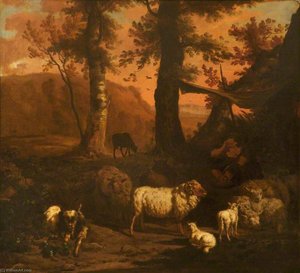
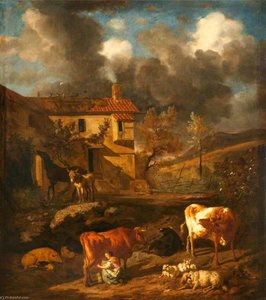
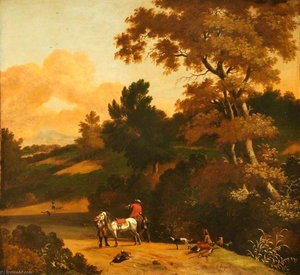
His oeuvre, consisting of approximately eighty known works, frequently explores the intersection of human presence and the vastness of nature. In masterpieces such as “Landscape with a Milkmaid Milking a Cow” (1677), we see his ability to transform a simple moment of agricultural labor into a scene of timeless grace. He was equally adept at capturing the nocturnal mysteries of the landscape; his “Night Scene with Figures Grouped around a Fire” demonstrates a breathtaking command over chiaroscuro, using the flickering glow of a campfire to pierce through the velvety darkness of a moonlit Dutch night. These works are not merely depictions of scenery but are emotional landscapes that evoke a sense of peace, solitude, and the enduring cycle of rural life.
Legacy and Historical Resonance
The significance of Dirck van den Bergen lies in his role as a bridge between the high drama of the early Baroque and the more refined, observational styles that followed. While he may not have sought the international fame of his contemporaries, his influence rippled through the generations of landscape painters who valued accuracy and atmospheric depth. His work provided a blueprint for capturing the pastoral ideal—a vision of the world that is both grounded in physical reality and elevated by artistic sensitivity.
As we reflect on his life, which saw him move between the vibrant art centers of Antwerp and Amsterdam before eventually settling in Haarlem, we see an artist who was deeply attuned to the rhythms of his time. His ability to find majesty in a herd of cattle or beauty in a ruined urn serves as a testament to the power of the observant eye. Today, his paintings remain vital touchstones for anyone seeking to understand the quiet, enduring heart of Dutch and Flemish landscape art, reminding us that true brilliance often resides in the most understated of moments.
dirck van den bergen
1645 - 1700
基本情報
- Artistic Movement Or Style: Baroque
- Artists Or Movements Influenced By This Artist: ['Dutch Baroque']
- Artists Who Influenced This Artist: ['Peter Paul Rubens']
- Date Of Death: 1700
- Full Name: Dirck van den Bergen
- Nationality: Dutch
- Notable Artworks:
- Landscape with a Milkmaid Milking a Cow
- Night Scene with Figures Grouped around a Fire
- Landscape with Figures, Cattle, Sheep and a Castle in the Distance
- Place Of Birth: Antwerp, Belgium
関連記事
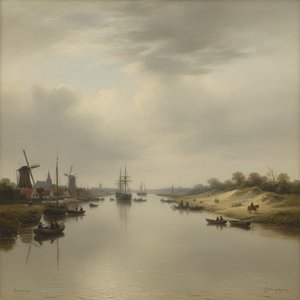
Jan van Goyen: Master of Dutch Landscape & Atmospheric Perspective
Discover Jan van Goyen, the master of Dutch landscape painting. Explore his subtle technique, atmospheric realism & lasting influence on art history. Learn about this 17th-century pioneer at ArtsDot.

レンブラント傑作25選:光と影の巨匠、魂を揺さぶる名画の世界 | ArtsDot
レンブラントの傑作25選。光と影の魔術師が描いた魂を揺さぶる名画の世界へ。美術史に残る自画像、夜警、宗教画…ArtsDotで高品質なアートプリントやインテリアアートをお楽しみください。コレクションはこちら→
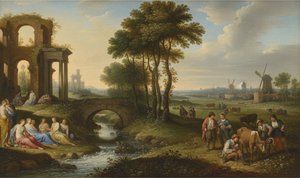
Cornelis van Poelenburch: Bridging Mannerism & the Dutch Baroque Landscape
Discover Cornelis van Poelenburch, a pivotal Dutch Baroque landscape painter bridging Mannerism & Italianate styles. Explore his life, key works, and lasting influence on 17th-century art with ArtsDot.
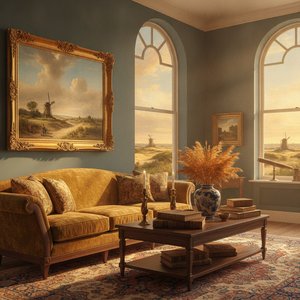
Golden Light & Dutch Skies: Bringing the Magic of Dutch Golden Age Landscapes into Your Home
Transform your home with the breathtaking light of Dutch Golden Age landscapes. Discover how hand-painted oil reproductions of masterworks like Ruisdael and Vermeer bring timeless elegance, atmosphere, and soulful texture to modern interiors. Elevate your space with museum-quality art.
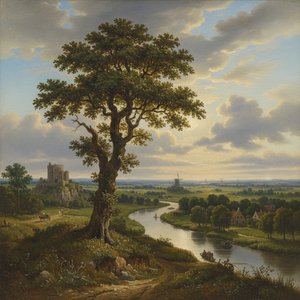
Jacob van Ruisdael: Master of Dutch Landscape & the Evocation of National Identity
Explore the life & work of Jacob van Ruisdael, the preeminent Dutch landscape painter. Discover his technical brilliance, symbolic depth, and lasting influence on art history. Learn about collecting Ruisdael's masterpieces.

