

 プレビュー
プレビュー
 プリントを購入
 シェアする
シェアする シェアする
シェアする
 詳細を見る
詳細を見る

 ダウンロード
 似ている作品
 X線調査
X線調査 スライドショー
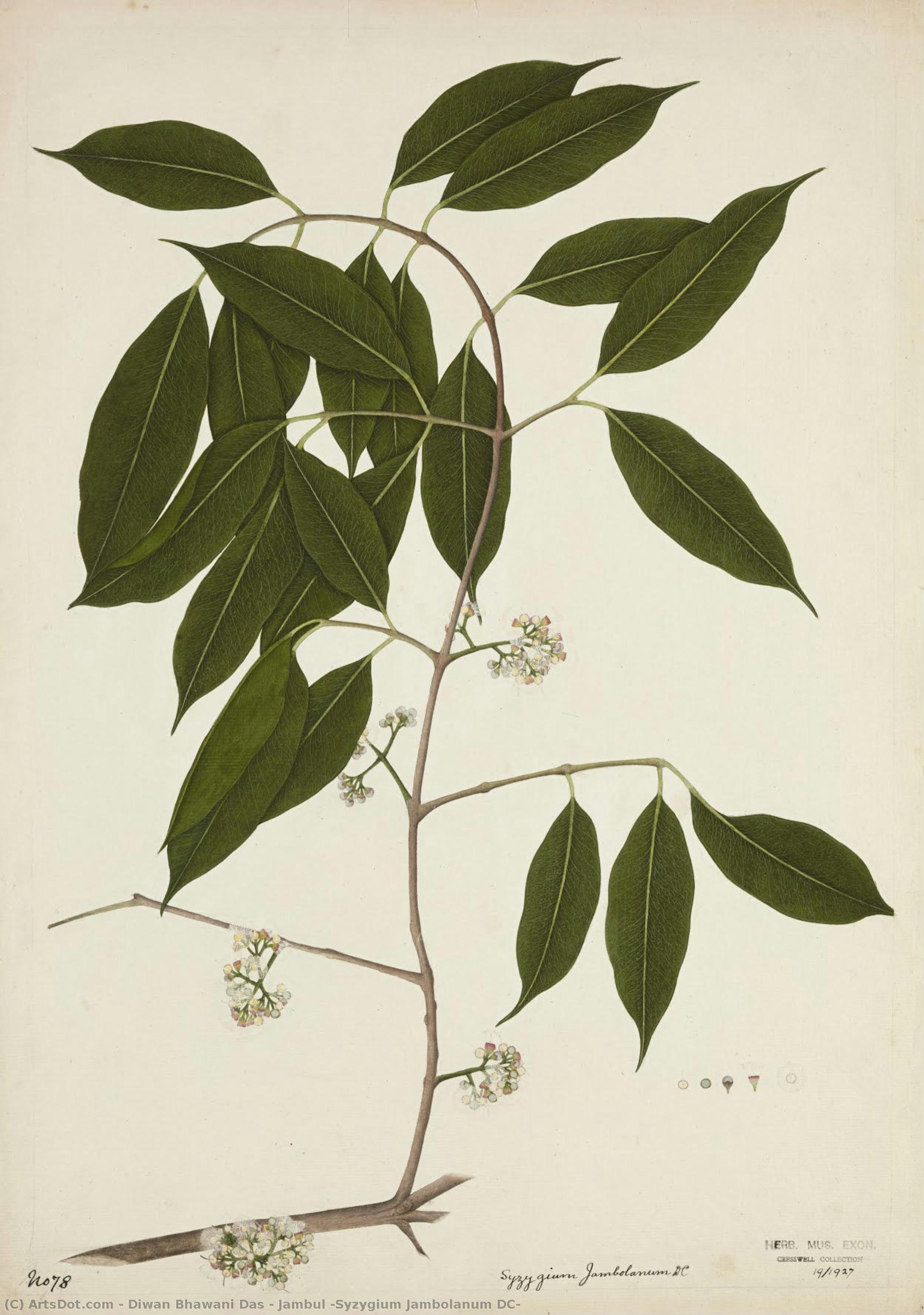
Jambul (Syzygium Jambolanum DC)
 39.0 x 55.0 cm
 Royal Albert Memorial Museum - Art Gallery
 詳細を見る
詳細を見る
オンラインプレビューをはるかに凌ぐ、高解像度で鮮明なデジタル画像をご購入いただけます。
各ファイルは、社内の専門家が高度なツールと熟練した手作業によるレタッチを用いて、細心の注意を払って準備されています。すべての画像において、卓越した鮮明度、正確な色彩再現性、そして繊細なディテールを保証いたします。
最終ファイルは、プロフェッショナルな編集・印刷環境ですぐにご利用いただけるよう最適化された状態で、72時間以内にメールにてお届けいたします。これは、一流のデザインスタジオ、出版社、ギャラリーから信頼されているものと同等の品質です。
デジタル画像のご注文に付随する特典
高品質なデジタル画像配信を、確かな品質で。
ArtsDot.com を選ぶことは、単に画像を手に入れることではありません。それは、プロの手によって精密に仕上げられ、満足保証が付いた高品質なデジタルアートワークを受け取ることを意味します。ご注文いただいた際に自動的に付随する内容は、以下の通りです:

メールですぐにお届け
ご注文から72時間以内に、高解像度のデジタル画像ファイルがメールでお手元に届きます。すぐにそのままご利用いただけます。

AI技術で最適化されたデジタルファイル
お客様の作品は、高度なAIツールと専門家による手作業の編集を組み合わせてプロフェッショナルに最適化されており、細部のディテール、鮮明さ、そして正確な色再現性を最大限に引き出しています。

一生涯無料の再送サービス
ファイルを誤って削除したり、紛失してしまったりしましたか?ご安心ください。いつでも無料で再送いたします。

輸入手数料は一切かかりません
関税や手数料、配送料を気にすることなく、お気に入りのアートワークをすぐにお楽しみいただけます。デジタルダウンロードは常に免税です。

色彩再現の保証
プロ仕様のツールとカラーマネジメント技術を用いることで、デジタル画像が元の色を最大限に忠実に再現することを保証いたします。

100日間満足保証
ご購入いただいたデジタル画像にご満足いただけない場合は、100日以内であれば、理由を問わず修正または100%の返金対応をさせていただきます。

100% 返金保証
ご満足いただけない場合は、デジタルファイルを受け取ってから100日以内であれば、理由を問わず全額返金いたします。

まとめ買い割引
3枚購入で10%OFF - 5枚購入で15%OFF - 10枚以上購入で20%OFF。クリエイティブなプロジェクト、ギャラリー、エージェンシーに最適です。
関連作品









作家の略歴
Diwan Bhawani Das: Bridging Tradition and Modernity in 18th-Century Indian Art
Diwan Bhawani Das, a name largely absent from mainstream art historical narratives yet profoundly significant to the artistic landscape of 18th-century India, stands as a testament to the evolving synthesis of tradition and innovation. Born around 1770 in what is now India – his precise birthplace remains shrouded in the mists of time – Das’s life was inextricably linked to the shifting political currents of the era, serving as a crucial figure within the Durrani and later the Sikh empires. More than just a court painter, he was a skilled administrator, a keen observer of human nature, and an artist who masterfully blended the established aesthetics of Mughal miniature painting with emerging European influences, creating a uniquely Indian visual language.
Das’s early life remains largely undocumented, reflecting a common fate for many artists operating within the complex hierarchies of royal courts. However, it is known that he hailed from a prominent Khatri family – a merchant caste traditionally associated with commerce and administration – providing him with both social standing and access to education. His initial training likely occurred under the tutelage of established Mughal miniature painters, absorbing the intricate detail, rich color palettes, and formalized compositions characteristic of this venerable tradition. This foundation proved invaluable as he later sought to integrate these elements with new artistic approaches.
A Rising Star in Imperial Service
Das’s career unfolded during a period of immense political upheaval. He began his service under the Durrani emperors, Zaman Shah and Shah Shujah, initially functioning as a revenue official in Multan and Derajat. This early experience provided him with an intimate understanding of administrative processes and the practical demands of managing resources – skills that would later prove essential in his role as a court painter and advisor. His efficiency and dedication quickly garnered attention, leading to promotions within the Durrani administration.
A pivotal moment arrived when he transitioned to service under Maharaja Ranjit Singh, the ambitious ruler of the burgeoning Sikh Empire. Recognizing Das’s administrative acumen and artistic talent, Ranjit Singh appointed him as finance minister in 1811. This move marked a significant shift in Das's career trajectory, placing him at the heart of the Sikh state’s economic and political affairs. During this period, he implemented crucial reforms to the treasury system, establishing a framework for regular accounts and streamlining revenue collection – vital steps in consolidating the empire’s power.
The Art of Synthesis: Style and Technique
Das's artistic style is characterized by a remarkable ability to synthesize disparate influences. While firmly rooted in Mughal miniature painting—evident in his meticulous attention to detail, use of gold leaf, and refined compositions—he also incorporated elements borrowed from European art, particularly the burgeoning interest in natural history illustration prevalent during the British East India Company’s expansion. This fusion is most strikingly evident in his botanical watercolors, such as those depicting *Kadam* (Neolamarckia cadamba) and *Sea Holly* (Acanthus illyricus), which showcase a remarkable scientific accuracy alongside an appreciation for aesthetic beauty.
His paintings of animals, like the “Great Indian Fruit Bat,” demonstrate this hybrid approach. The bat is rendered with astonishing realism—capturing its fur, musculature, and delicate features—yet the composition and overall treatment bear a clear resemblance to European animal studies of the time. The use of opaque watercolor lends a subtle luminosity to the work, creating an atmosphere of quiet observation.
Notable Works and Legacy
Among Das’s most celebrated works is “Raja Ravi Varma: Shakuntala,” a captivating depiction of the tragic heroine from Kalidasa's epic poem. This painting exemplifies his mastery of narrative storytelling, combining classical Indian iconography with a sense of dramatic intensity. Other notable pieces include "Raja Ravi Varma: Simhika and Sairandri," which showcase his ability to capture the essence of wildlife with both elegance and precision.
Diwan Bhawani Das’s legacy extends far beyond his artistic output. He played a crucial role in shaping the administrative structures of the Sikh Empire, contributing significantly to its economic stability and political development. His paintings, now considered national treasures, offer invaluable insights into the cultural exchange that characterized 18th-century India—a period marked by both conflict and collaboration between diverse traditions. The Maharaja Ranjit Singh’s collection provides a vital resource for scholars seeking to understand this complex and fascinating era.
Further Exploration
- Wikipedia Entry: https://en.wikipedia.org/wiki/Diwan_Bhawani_Das
- ArtsDot Website: /en/artists/diwan-bhawani-das-en/
- Metropolitan Museum of Art: https://www.metmuseum.org/art/collection/search/456949
Diwan Bhawani Das
1770 - 1834 , India
プロフィール概要
- Artistic Movement Or Style: Traditional Indian & Modern techniques
- Artists Or Movements Influenced By This Artist: None specified
- Artists Who Influenced This Artist: Traditional Indian styles
- Date Of Birth: Unknown, India (1770)
- Date Of Death: 1834
- Full Name: Diwan Bhawani Das
- Nationality: Indian
- Notable Artworks:
- Raja Ravi Varma: Shakuntala
- Raja Ravi Varma: Simhika
- Raja Ravi Varma: Sairandri
- Place Of Birth: India (Unknown)