

 プレビュー
プレビュー
 プリントを購入
 シェアする
シェアする シェアする
シェアする
 詳細を見る
詳細を見る

 ダウンロード
 似ている作品
 X線調査
X線調査 スライドショー
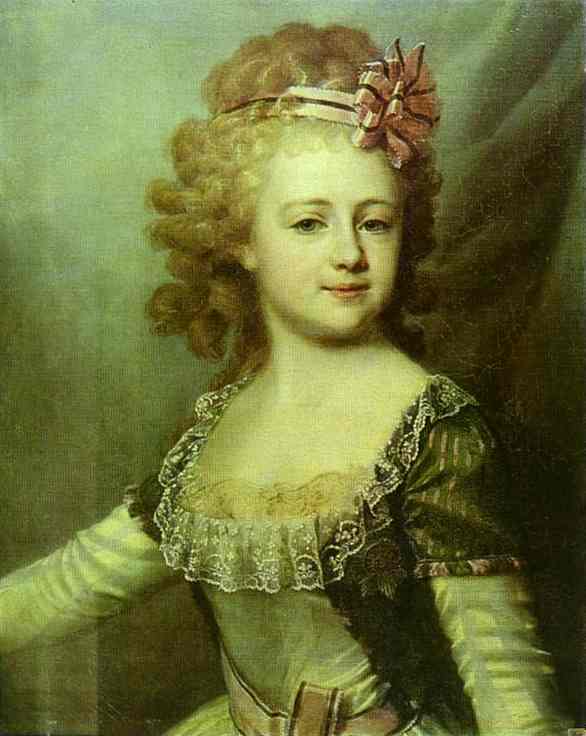
Portrait of Grand Duchess Alexandra Pavlovna as a Child

 詳細を見る
詳細を見る




P118B $10

P118H $10

P118W $10

P438Z $10

P508JH $12

P508YH $12

P805H $10

P805Z $10

P919BZ $10

P919G $10

P919XJ $10

P959ZH $10

P968JZ $12

W106C $8

W218G $10

W218JH $8

W218Y $10

W307PJ $10

W316G $10

W316PJ $8

W316Y $10

W398PJ $8

W4111J $10

W500HY $15

W500JH $15

W692G $12

W849H $8

W940BG $15

W953PJ $8




作品のオリジナル比率に合わせた、当店の規定サイズからお選びください。

特定のフレームやスペースに合わせて、ご希望のサイズをご入力いただけます。選択されたサイズが元の画像の比率と異なる場合、アートワークをトリミングするか、手描きで要素を追加して絵画を拡張いたします。デジタルモックアップ を制作し、制作開始前にご確認(承認)をいただきます。
画面上のプレビューは、実際のトリミングや拡張を正確に反映しているものではありません。最終的な構図は、モックアップによってのみ正確にご確認いただけます。
カスタムサイズもご利用いただけますが、元の比率を維持するためには、あらかじめ用意されたリストからサイズを選択することをお勧めいたします。
ご注文後、ArtsDot.com チームより詳細な指示をお送りするとともに、仕上がりイメージ(モックアップ)をご提供いたします。


 ガラスオプションは、110cm未満のサイズでのみご利用いただけます。

Portrait of Grand Duchess Alexandra Pavlovna as a Child
複製技法
複製画のサイズ
-


合計金額
$ 263
関連作品
アーティストの略歴
Early Life and Artistic Foundations
Dmitry Grigoryevich Levitsky, born in Kyiv in 1735, emerged from a family deeply rooted in the artistic traditions of Ukraine. His father, Grigory Kirillovich Levitsky-Nos, was not merely a priest but also an accomplished engraver and painter, serving as young Dmitry’s initial guide into the world of visual expression. This early tutelage laid a crucial foundation, instilling in him a reverence for detail and a nascent understanding of form. The family's move to St. Petersburg around 1758 marked a pivotal moment, opening doors to formal artistic training under the esteemed Aleksey Antropov. Antropov’s influence proved significant; he imparted an objectivity that would become a hallmark of Levitsky’s mature style.
Ascension and Academic Recognition
Levitsky's path wasn’t solely defined by apprenticeship. He absorbed knowledge from other masters, including Louis Lagrenée at the St. Petersburg Academy of Arts, further refining his technique. His breakthrough arrived in 1770 with an exhibition of six portraits at the Imperial Academy of Arts. These works didn’t simply showcase technical skill; they captured a distinct aristocratic sensibility that resonated deeply within the courtly circles of Catherine the Great's Russia. The portrait of Alexander Kokorinov, Director and First Rector of the Academy, proved particularly impactful, earning Levitsky academician status and a professorship in portrait painting at the very institution where he had once been a student. This appointment solidified his position as one of Russia’s leading artists.
The Smolny Institute Series: Portraits of Youth and Idealism
Perhaps Levitsky's most celebrated achievement lies within the series of portraits commissioned by Catherine II for the Smolny Institute for Young Ladies between 1772 and 1776. These weren’t merely likenesses; they were carefully constructed representations of youthful virtue, grace, and potential. Each portrait depicts a student engaged in various activities – dancing, music, dramatic performance – embodying the ideals of education and refinement that Catherine sought to promote through the Institute. The compositional structure, influenced by European formal portraiture, emphasized the dignity and importance of each sitter, while Levitsky’s masterful use of light and color brought a vibrant life to these scenes of aristocratic upbringing. These paintings are not just historical documents; they are windows into the aspirations and values of 18th-century Russian society.
A Refined Style and Lasting Legacy
Levitsky's artistry was characterized by a remarkable ability to capture both the physical likeness and the inner character of his subjects. He moved beyond mere representation, imbuing his portraits with a sense of psychological depth and social nuance. His technique blended meticulous detail with a delicate touch, creating images that were simultaneously realistic and idealized. While he enjoyed considerable success during his lifetime, financial hardship plagued his later years. Deteriorating eyesight forced him to curtail his painting activities in the 1790s, though he remained connected to the Academy as a council member. Despite these challenges, Levitsky left behind an enduring legacy as one of Russia’s foremost portrait painters, alongside contemporaries like Fyodor Rokotov and Vladimir Borovikovsky.
Historical Significance and Enduring Appeal
Levitsky's work provides invaluable insight into the lives and values of the Russian aristocracy during a period of significant social and political change. His portraits are not simply beautiful objects; they are historical artifacts that reflect the evolving tastes, aspirations, and self-perception of an elite class. His ability to balance realism with idealization, coupled with his technical mastery, established him as a defining figure in Russian portraiture. Today, Levitsky’s paintings continue to captivate audiences with their elegance, psychological depth, and enduring beauty. They offer a glimpse into a bygone era, reminding us of the power of art to capture not just appearances but also the spirit of a time.
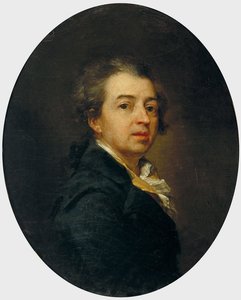
dmitry grigoryevich levitsky
1735 - 1822 , Ukraine
基本情報
- Artistic Movement Or Style: Classical Portraiture
- Artists Who Influenced This Artist: ['Grigory Kirillovich Levitsky']
- Date Of Birth: May 1735
- Full Name: Dmitry Grigoryevich Levitsky
- Nationality: Ukrainian-Russian
- Notable Artworks:
- Portrait of Alexander Kokorino
- Portrait of A. P. Levshina
- Portrait of Countess N. F. Vorontsova
- Place Of Birth: Kyiv, Ukraine
関連記事

華麗なるロココ:芸術史を彩る10大傑作の世界
華麗なるロココ美術の世界へ。バロックから生まれた優雅な芸術、その10大傑作を徹底解説!ブーシェ、フロマンなど巨匠たちの技と物語を紐解き、お部屋を彩るアートを見つけよう。ArtsDot.comで至高の美術館品質レプリカとインテリアアイデアを発見。
Ivan Bilibin: A Synthesis of Folklore, Modernism & National Identity in Russian Illustration
Explore the enchanting world of Ivan Bilibin, a master Russian illustrator who synthesized folklore, Art Nouveau & national identity. Discover his iconic fairy tale illustrations and legacy with ArtsDot.

The Rococo Aesthetic: Opulence, Rebellion & the Pursuit of Pleasure in 18th-Century Art
Explore the opulent world of Rococo art! Discover its origins, key artists like Watteau & Boucher, and lasting influence on design. Expert insights for collectors & enthusiasts.
Victor Vasnetsov: Myth, Nationalism & the Revival of Russian Fairy Tale Painting
Explore the captivating world of Victor Vasnetsov, a co-founder of Russian folklorist painting. Discover his iconic works, influence on national identity, and lasting legacy in this expert guide.
Fyodor Rokotov: Intimacy & Enlightenment in Russian Portraiture
Explore the captivating portraits of Fyodor Rokotov, a master of 18th-century Russian art. Discover his unique psychological realism, Rococo elegance, and lasting influence on portrait painting. Learn about his iconic works & aristocratic patrons.

